
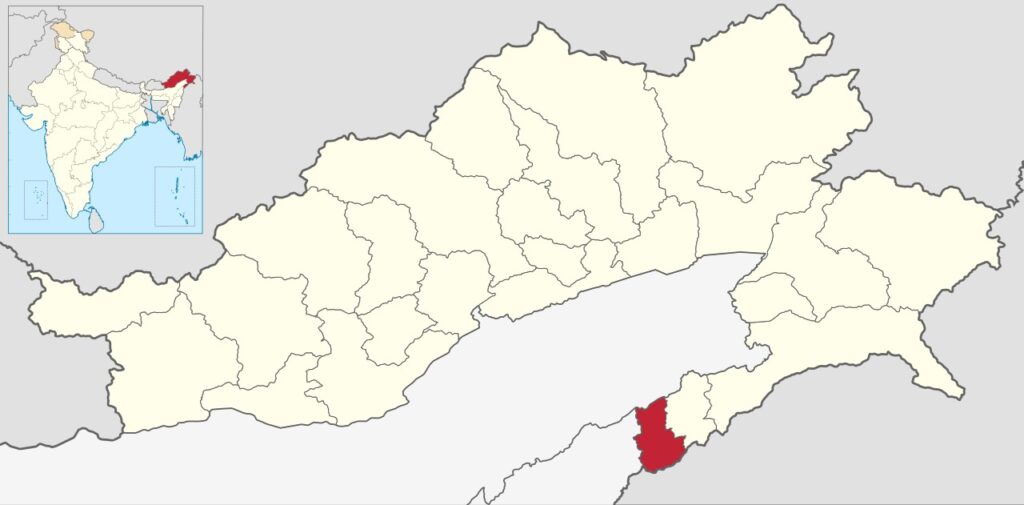
Image Source: User:Planemad
About Longding Wapu Wildlife
Tucked away in the southeastern corner of Arunachal Pradesh, Longding Wapu Wildlife Spot is a hidden biodiversity haven in the Longding district. Located near the state’s border with Nagaland and Myanmar, this lush forested region offers travellers an immersive experience in wild nature, far from commercial tourist trails.
With its rolling hills, dense canopies, and vibrant birdlife, Longding Wapu is perfect for eco-travellers, birdwatchers, and those who love the quiet charm of offbeat wilderness.
Travel Experience
Visiting Longding Wapu is a journey into a living green world. Narrow trails weave through tall bamboo groves, wild banana plants, and thick forests alive with the sounds of cicadas, chirping birds, and rustling leaves. Along the way, you may spot rare hornbills, vividly coloured butterflies, or even shy mammals moving through the undergrowth.
Unique Local Touch
The Longding region is home to the Wancho tribe, known for their rich oral traditions, wood carvings, and vibrant festivals. A visit to nearby villages reveals traditional bamboo stilt houses, intricate bead jewellery, and age-old customs still practiced in daily life.
Local guides, often from the Wancho community, bring not only knowledge of the forest but also stories about the cultural and spiritual connection the tribe shares with the land.
How to Reach
By Air: The nearest airport is Dibrugarh Airport in Assam, from where you can drive via Tinsukia and Kanubari to Longding.
By Rail: The closest railway station is Naharkatia or Tinsukia in Assam, followed by a road trip through scenic hill routes.
By Road: Longding is connected by road to towns like Kanubari, Khonsa, and Dibrugarh, but the final stretches toward Wapu may require local guidance or a 4×4 vehicle during the rainy season.
Best Time to Visit
The ideal season is November to April, when the weather is cool, skies are clear, and wildlife spotting is easier. The monsoon months (June–September) bring lush greenery but also heavy rainfall, making trails slippery and challenging.