
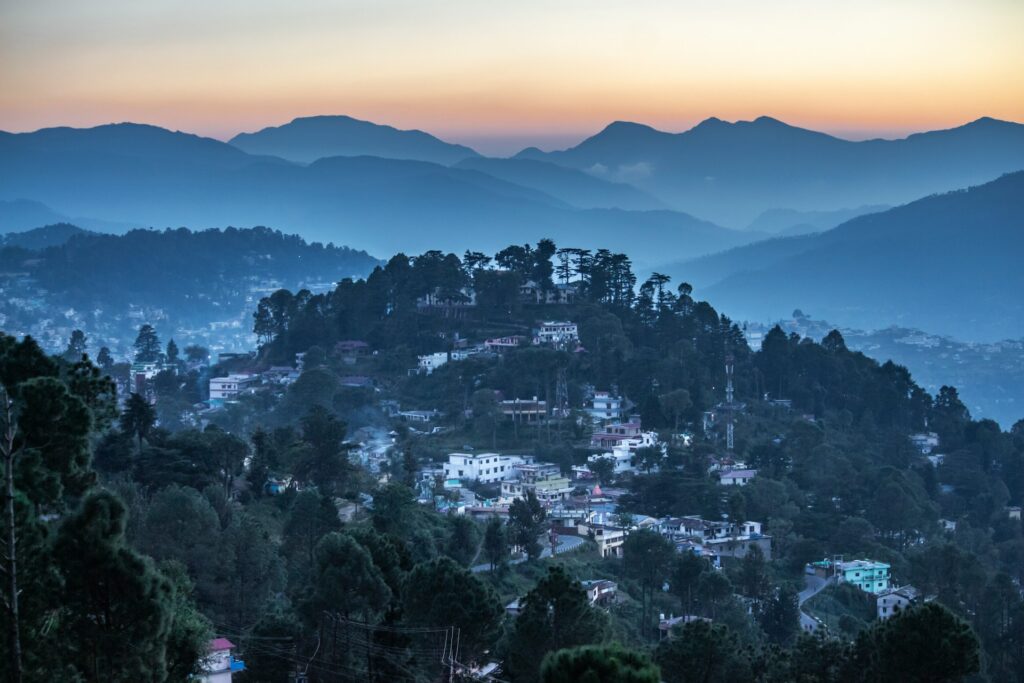
Lower Siang
Created from parts of West Siang district, Lower Siang is one of the youngest district of Arunachal Pradesh. It lies in the heart of India’s eastern Himalayas and offers a perfect introduction to the natural beauty and tribal culture of Arunachal.
Likabali is the administrative headquarter and serves as a gateway to the state from Assam. Its home to the mighty Siang River- an Indian name for the Yarlung Tsangpo of Tibet. Lower Siang is Untouched and less commercialized which is an ideal destination for travellers seeking serenity, heritage and an authentic culture experience.
Geography and Overview
The district stretches across a varied topography ranging from subtropical plains to rolling hills covered with dense forests. Bordered by Assam to the south, East Siang to the east, Kamle to the west, and Upper Siang and West Siang to the north, Lower Siang occupies a strategic and scenic position in central Arunachal Pradesh. The Siang River, one of the major tributaries of the Brahmaputra, meanders through its terrain, giving life to villages, forests, and fertile fields. The altitude ranges from around 200 to 2,000 meters above sea level, offering a mix of warm valleys and cool uplands.
Best time to visit Lower Siang
The best time to visit Lower Siang is from October to April, when the weather remains pleasant and skies are clear. This period is ideal for sightseeing, cultural experiences, and attending festivals like Mopin. The monsoon season (May to September) brings lush greenery but also occasional landslides, which can affect travel plans. Winter months offer crisp air, making it perfect for exploring villages and archaeological sites.
Top Attractions in Lower Siang
Likabali – The Gateway to Arunachal Pradesh
Likabali, the administrative headquarters of Lower Siang, serves as the primary entry point to Arunachal from Assam. This charming town is surrounded by low hills, paddy fields, and forested ridges, making it both scenic and significant. Likabali is known for its ancient ruins and historical relevance, as it once formed part of the Ahom and Chutia kingdoms’ frontier region. Today, it combines a small-town atmosphere with glimpses of traditional tribal life. The town also acts as a convenient base for exploring nearby heritage sites like Malinithan and the surrounding Galo villages. Visitors can explore local markets filled with bamboo products and handwoven textiles, or simply enjoy the tranquil pace of rural Arunachal life.
Malinithan Temple – A Heritage of Stone and Legend
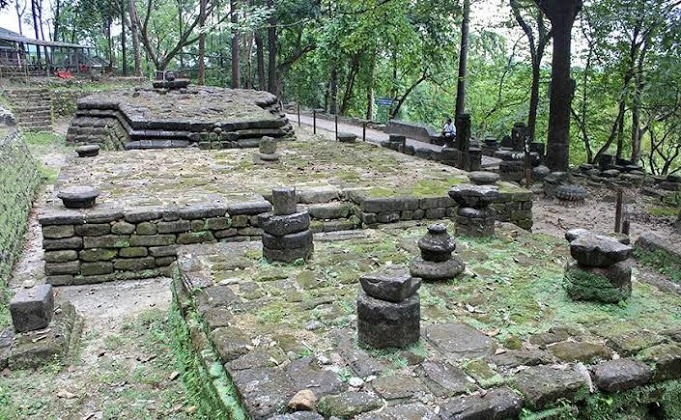
Just 12 kilometers from Likabali lies the Malinithan Temple Complex, one of the most important archaeological and mythological sites in the state. Perched on a hillock overlooking the plains of the Siang and Brahmaputra valleys, Malinithan is a site steeped in legend. According to mythology, this was where Lord Krishna and Rukmini rested on their way to Dwarka after eloping from Bhismaknagar. The temple ruins, dating between the 10th and 14th centuries, feature exquisite stone carvings of Hindu deities like Indra, Surya, and Ganesha, along with floral and geometric motifs that showcase advanced ancient craftsmanship. Although much of the structure now lies in ruins, its sculptural remains and serene setting make it a must-visit destination. Sunrise and sunset are especially captivating times to visit, as the golden light enhances the temple’s ancient stones and panoramic views.
Kabu Village – A Glimpse of Galo Culture
For travelers interested in authentic cultural experiences, Kabu Village offers an intimate encounter with the traditions of the Galo tribe. Nestled amid rolling hills and bamboo groves, Kabu is a model of community living, where age-old customs blend naturally with modern simplicity. Visitors can stay in traditional homestays, observe weaving on handlooms, and taste local dishes made from organically grown produce. The villagers often welcome guests with Apong, their homemade rice beer, symbolizing friendship and respect. The village is particularly lively during festivals such as Mopin, when people adorn traditional attire, dance the rhythmic Popir, and celebrate prosperity and harmony. Walking through Kabu’s narrow lanes, lined with bamboo houses and small vegetable gardens, gives one a deep sense of connection to Arunachal’s indigenous heritage.
Sibe Village and Siang Riverbank – Nature’s Quiet Retreat
A few kilometers from Likabali, Sibe Village offers the perfect escape for nature lovers. It lies near the banks of the Siang River, whose turquoise waters carve a breathtaking path through the region. The surroundings are ideal for outdoor activities such as camping, angling, and short treks through forested trails. The evenings along the Siang are especially peaceful, with the sound of the flowing river blending with the calls of cicadas and birds. Photographers will find ample opportunities to capture landscapes bathed in golden light, while adventure seekers can indulge in fishing or riverside picnics. Sibe also serves as a wonderful spot for cultural interaction, where visitors can learn about local farming methods and handicrafts.
Donyi-Polo Namlo Shrines – The Spirit of Faith and Nature
Lower Siang is deeply rooted in the Donyi-Polo faith, an indigenous belief system that worships the Sun (Donyi) and Moon (Polo) as symbols of truth and balance. Across the district, small Donyi-Polo Namlo shrines can be found, often located on village hilltops or clearings. These shrines are not just places of worship but also centers of community gathering, storytelling, and music. The architecture of the Namlo is simple — bamboo and wood structures adorned with colorful flags and traditional motifs — yet it embodies the spiritual philosophy of harmony between humans and nature. Visitors who attend morning prayers or community rituals gain insight into the spiritual world of the Galos, where reverence for nature forms the core of existence.
Archaeological Ruins and Natural Trails
Apart from its well-known sites, Lower Siang hides many unexplored ruins, caves, and nature trails scattered across its forests and hillsides. Some ancient stone structures near Likabali and Sibe are believed to date back several centuries, although formal excavations are limited. These mysterious remains, combined with dense bamboo forests and scenic hiking routes, make the district a paradise for offbeat explorers. Birdwatchers will enjoy spotting species like hornbills, barbets, and Himalayan bulbuls along the trails, while trekkers can experience untouched landscapes where few travelers venture.
Things to Do in Lower Siang
Explore Ancient Ruins and Legends at Malinithan
Wander through the ancient stone remains of Malinithan Temple, where history and mythology meet. Take your time admiring the intricate carvings, attend the local evening prayers if possible, and capture the golden hues of sunset against the temple’s stone backdrop. For history enthusiasts, the small museum near the site offers additional insights into the region’s rich past.
Experience Galo Tribal Life in Kabu Village
Spend a day or two in Kabu Village to experience the lifestyle, art, and traditions of the Galo community. Stay in a traditional homestay, learn the art of weaving from local women, and share home-cooked meals made from fresh, organic ingredients. If your visit coincides with the Mopin Festival (April), join the villagers in their celebration marked by song, dance, and communal feasting — an unforgettable cultural experience.
Camp Beside the Siang River
Adventure seekers can set up camp along the Siang River near Sibe Village. The area is perfect for nature walks, birdwatching, and fishing. The tranquil setting allows visitors to unwind under starlit skies, far from the noise of city life. Early mornings by the river are especially magical, with mist rising off the water and the first light touching the surrounding hills.
Visit Local Markets in Likabali
The markets in Likabali are full of life and color. Here, you can find handmade crafts, bamboo baskets, woven shawls, and local produce such as oranges and chillies. Interacting with the vendors is a great way to learn about everyday life in Lower Siang. Don’t miss tasting Apong, the traditional rice beer, which is often shared warmly with guests.
Attend a Donyi-Polo Ceremony
If you get the chance, attend a Donyi-Polo prayer or ritual at one of the Namlo shrines. These ceremonies are deeply spiritual, often accompanied by rhythmic chants and drumbeats. They provide a unique perspective into the indigenous faith that governs much of tribal life in Arunachal Pradesh. It’s a moving experience that highlights the community’s reverence for nature and cosmic balance.
Enjoy Short Treks and Village Walks
Lower Siang’s undulating terrain and forested trails are ideal for leisurely treks and nature walks. Explore the gentle hills around Likabali and Kabu, or follow local guides through bamboo groves and paddy terraces. Along the way, you’ll encounter traditional homes, friendly villagers, and stunning views of the Siang valley — all contributing to a truly immersive travel experience.
Savor Traditional Food and Local Hospitality
No trip to Lower Siang is complete without tasting its distinct tribal cuisine. Try dishes like Pasa (a raw fish chutney), smoked meat, bamboo shoot curry, and tapioca with herbs. Every meal is served with warmth and often accompanied by a glass of Apong, symbolizing friendship and good will. Dining in a local home or during a festival gives visitors a true sense of the region’s culinary identity.
Local Cuisine
The cuisine of Lower Siang reflects the simplicity and richness of tribal life. Staple foods include rice, vegetables, and meat, often flavored with bamboo shoots and local herbs. Traditional dishes like Pasa (a raw fish chutney), smoked meat curry, and bamboo shoot pickle are must-try delicacies. No celebration is complete without Apong, the mildly fermented rice beer that represents friendship and community bonding. Meals are typically served on banana leaves or in bamboo containers, highlighting the region’s sustainable lifestyle.
Where to Stay
Accommodation in Lower Siang is modest but comfortable. Visitors can stay at the Likabali Circuit House, which offers scenic views and basic amenities. Several guesthouses and homestays are available in nearby villages such as Kabu and Sibe, allowing travelers to experience authentic Galo hospitality. Alternatively, Silapathar in Assam provides hotels and lodges suitable for an overnight stay before crossing into Arunachal.
How to Reach Lower Siang?

BY ROAD
By road, Likabali is easily accessible via NH-15 through Silapathar, and buses and shared taxis operate regularly from Itanagar, Pasighat, and Dibrugarh.

BY TRAIN
The closest railway station is Silapathar, roughly 20 kilometers away, connected to major cities like Guwahati and Dibrugarh.

BY AIR
The nearest airport is Dibrugarh Airport in Assam, located about 150 kilometers from Likabali.
Top Tourist Attractions in Lower Siang
Lower Siang, a scenic district in Arunachal Pradesh, is known for its lush valleys, rivers, and vibrant Adi tribal culture. Situated along the Siang River, the district attracts nature lovers, adventure seekers, and cultural travelers. From exploring the serene Pasighat and Likabali areas to visiting traditional tribal villages and forested landscapes, the top tourist attractions in Lower Siang offer a captivating blend of natural beauty, culture, and offbeat experiences.
Must Vist Places around Lower Siang
The areas surrounding Lower Siang are dotted with hill ranges, forests, rivers, and tribal settlements, making them ideal for trekking, eco-tourism, and cultural exploration. Nearby destinations like Likabali, Mariyang, Siyom Valley, and surrounding villages provide travelers with a mix of adventure, tranquility, and indigenous traditions. Whether trekking through scenic hills, exploring tribal villages, or enjoying riverfront landscapes, the must-visit places around Lower Siang offer enriching and immersive travel experiences in Arunachal Pradesh.