Image Source: Sreeram Nattath
About Lalbagh
Lalbagh Botanical Garden is one of Bengaluru’s most iconic green spaces and a paradise for nature lovers. Spread across nearly 240 acres in the heart of the city, this historic botanical garden is home to more than 1,800 species of plants, trees, herbs, and shrubs collected from different parts of India and around the world. Established during the reign of Hyder Ali and later expanded by Tipu Sultan, Lalbagh has played an important role in botanical research and conservation for over two centuries.
As you walk through its tree-lined avenues and beautifully landscaped gardens, you’ll come across rare plant species imported from countries such as Persia, Afghanistan, and France. The garden’s colorful flower beds, towering trees, and peaceful atmosphere make it a favorite destination for morning walkers, photographers, birdwatchers, and tourists alike. Whether you’re looking to learn about exotic flora or simply enjoy a quiet escape from the city’s bustle, Lalbagh offers a refreshing experience throughout the year.
Architecture and Historic Attractions
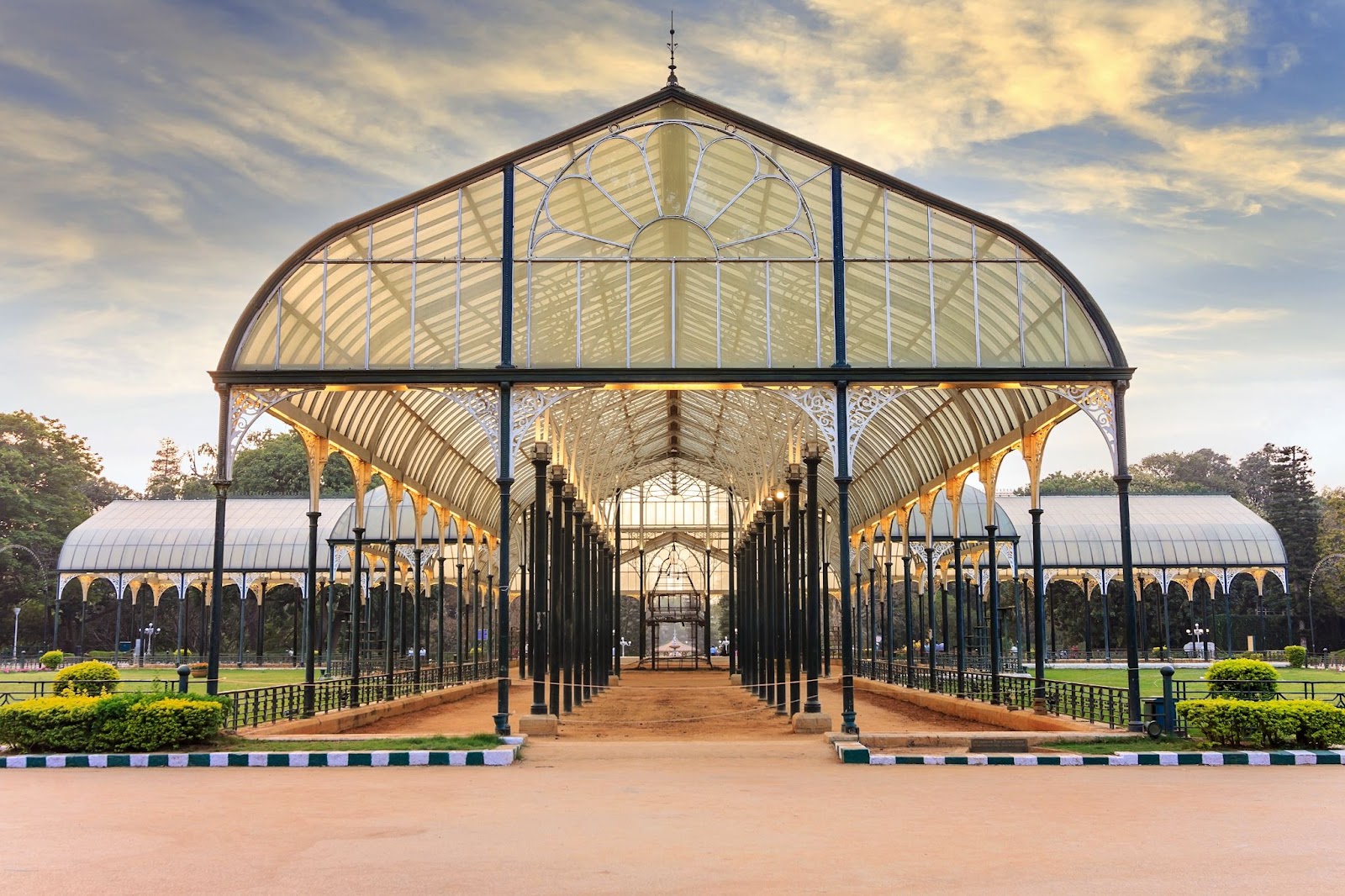
One of Lalbagh’s most celebrated landmarks is its magnificent Glass House, constructed in 1889 and inspired by London’s famous Crystal Palace. This elegant iron-and-glass structure serves as the venue for the garden’s world-renowned flower shows, which are organized every year during Republic Day and Independence Day celebrations. During these events, the Glass House is transformed into a vibrant display of flowers, themed floral sculptures, and artistic arrangements that attract thousands of visitors.
Another notable attraction within the garden is the historic Lalbagh House, which reflects Bengaluru’s colonial-era heritage. Visitors can also explore the charming Bandstand, ancient trees that are several centuries old, and the famous Lalbagh Rock, a geological formation estimated to be over 3,000 million years old, making it one of the oldest rock formations on Earth.
Find Peace Amidst Nature
Lalbagh offers a perfect blend of natural beauty and tranquility. Expansive green lawns, colorful flower beds, lotus ponds, decorative fountains, and shaded walking paths create a serene environment that encourages relaxation and reflection. Early mornings are especially beautiful, with cool breezes, chirping birds, and fitness enthusiasts enjoying their daily walks.
The garden is also a haven for birdlife, attracting species such as parakeets, mynas, kingfishers, and various migratory birds. Whether you are enjoying a leisurely stroll, reading under a tree, or simply admiring the scenery, Lalbagh provides a welcome break from urban life.
Visitor Information
Lalbagh Botanical Garden is open daily from 6:00 AM to 7:00 PM. The garden welcomes visitors of all ages and offers a pleasant experience for families, students, photographers, and nature enthusiasts.
Entry Fee:
- Adults: ₹20.
- Children: ₹10.
Morning walkers may enjoy special timings and entry regulations, which can vary periodically.
How to Reach Lalbagh
Lalbagh is located in South Bengaluru and is easily accessible by road and metro.
By Metro
The most convenient way to reach Lalbagh is via Bengaluru’s Namma Metro. The Lalbagh Metro Station on the Green Line is located close to one of the garden’s entrances, making it easy for visitors to access the park without worrying about traffic.
By Road
Lalbagh is approximately 6 km from Majestic Bus Station and Bengaluru City Railway Station. Auto-rickshaws, taxis, and app-based cab services are readily available from all parts of the city.
By Air
The garden is around 38 km from Kempegowda International Airport. Visitors can hire airport taxis or use the metro and city transport network to reach the destination.
Nearby Attractions
Cubbon Park
Located a short distance from Lalbagh, Cubbon Park is another famous green space in Bengaluru known for its sprawling lawns, heritage buildings, and walking trails.
Bull Temple
Situated in Basavanagudi, this historic temple is dedicated to Nandi, the sacred bull of Lord Shiva, and houses one of the largest monolithic Nandi statues in India.
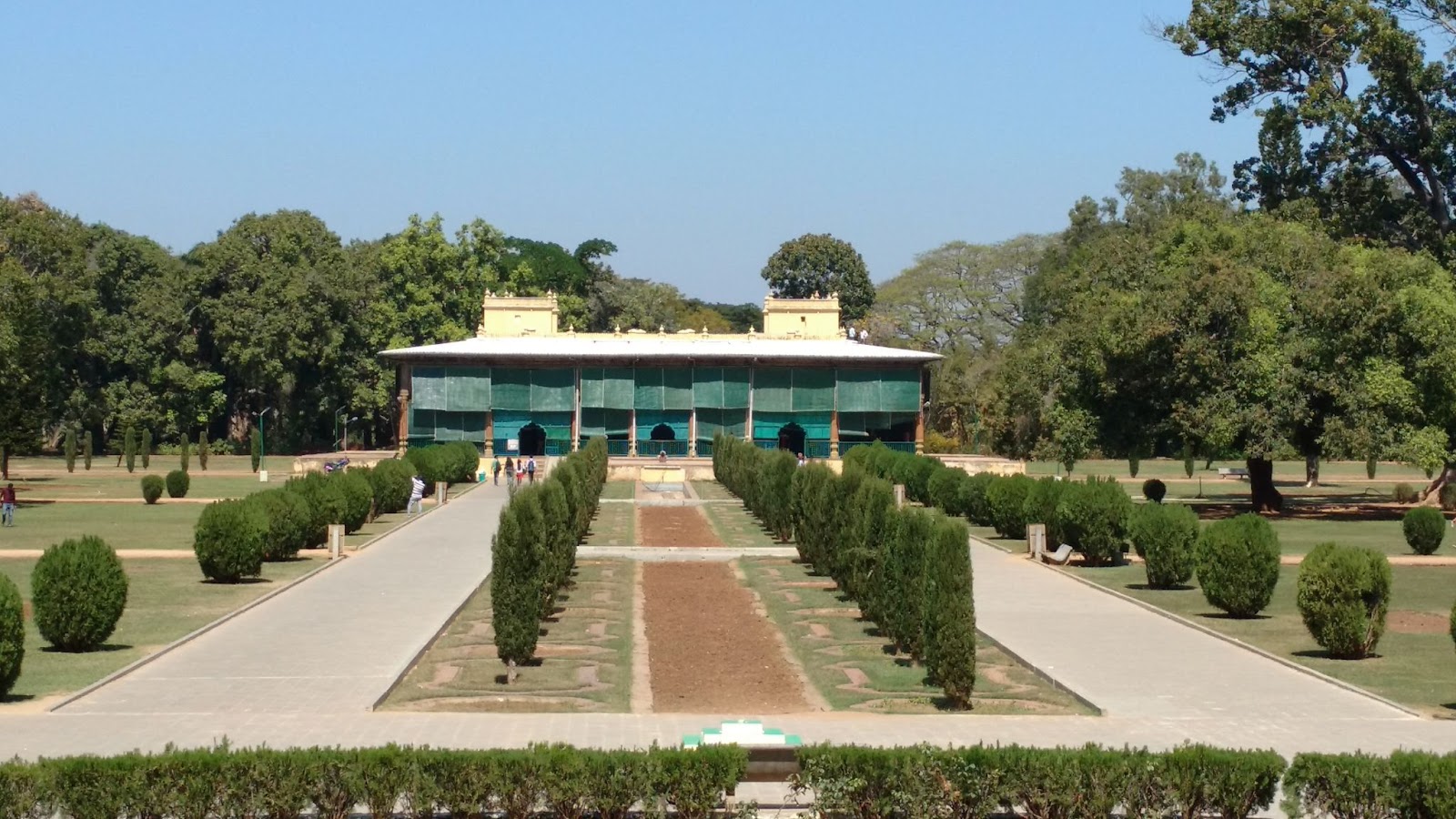
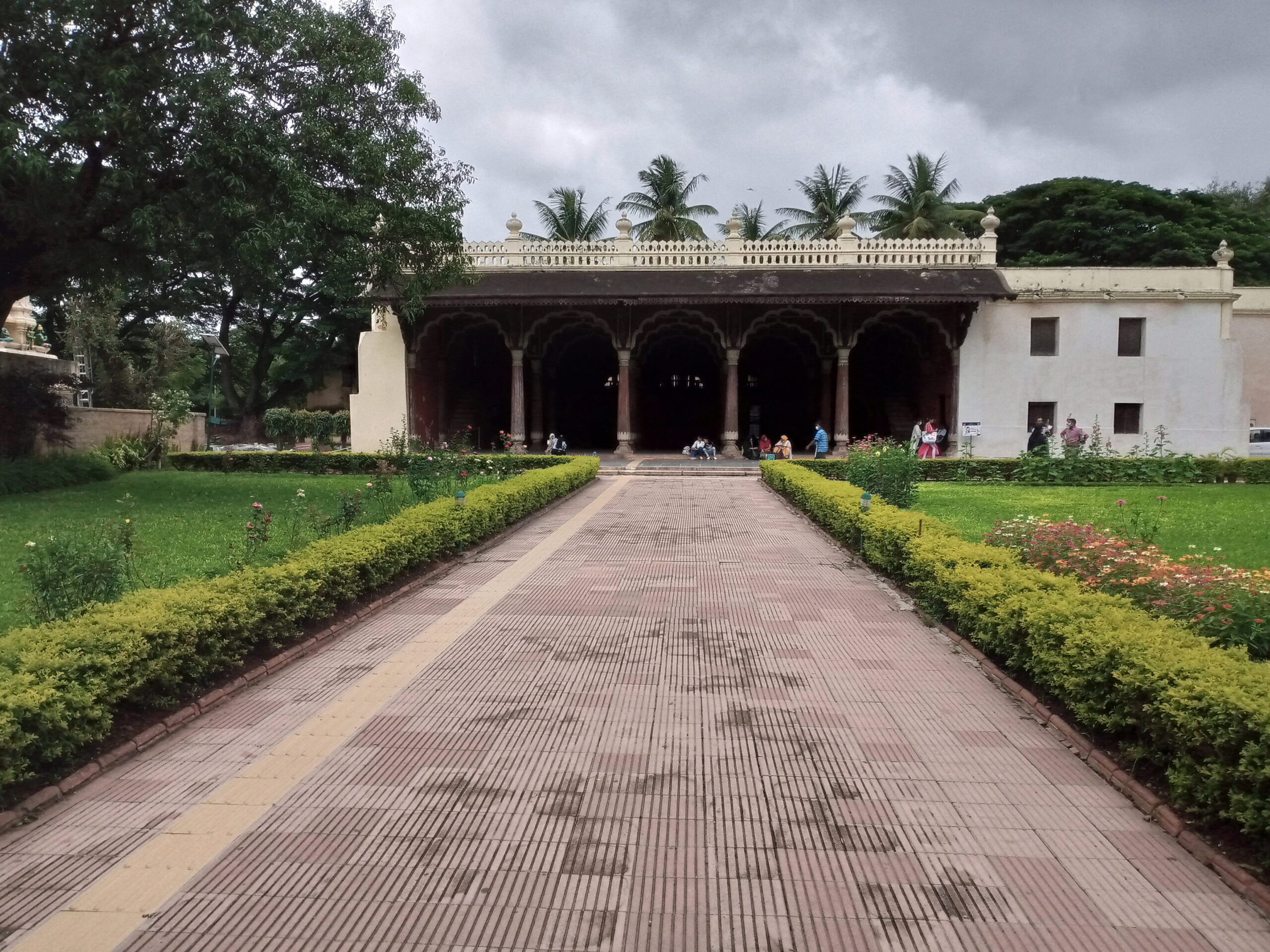
Tipu Sultan’s Summer Palace
A beautiful example of Indo-Islamic architecture, this palace offers insights into the life and legacy of Tipu Sultan.
Visvesvaraya Industrial and Technological Museum
An engaging destination for science enthusiasts featuring interactive exhibits related to technology, engineering, and innovation.
Bengaluru Fort
Built by Kempegowda and later strengthened by Hyder Ali, this historic fort is an important landmark showcasing the city’s rich past.
Maps
FAQs
1. What is Lalbagh famous for?
Lalbagh is famous for its vast collection of plants, historic Glass House, annual flower shows, and one of the oldest rock formations in the world.
2. What is the best time to visit Lalbagh?
Early mornings and evenings are the best times to visit due to pleasant weather and beautiful natural surroundings. The flower show season is particularly popular.
3. How much time is needed to explore Lalbagh?
Most visitors spend between 2 and 4 hours exploring the garden, though nature lovers may wish to stay longer.
4. Is photography allowed inside Lalbagh?
Yes, photography is generally allowed and the garden offers numerous scenic spots for photography enthusiasts.
5. Are food facilities available inside the garden?
There are small refreshment stalls near certain areas and several restaurants and cafes located around the garden.
6. Is Lalbagh suitable for children?
Yes, the garden is family-friendly and provides ample open spaces, educational opportunities, and nature-based experiences for children.
7. Which metro station is closest to Lalbagh?
Lalbagh Metro Station on the Green Line is the nearest metro station and provides direct access to the garden.
8. Why is the Lalbagh Flower Show so popular?
The flower show features elaborate floral displays, themed installations, rare flowers, and artistic arrangements that attract visitors from across India.