Image Source: Jayant Kumar (JK)
About Bekal Beach
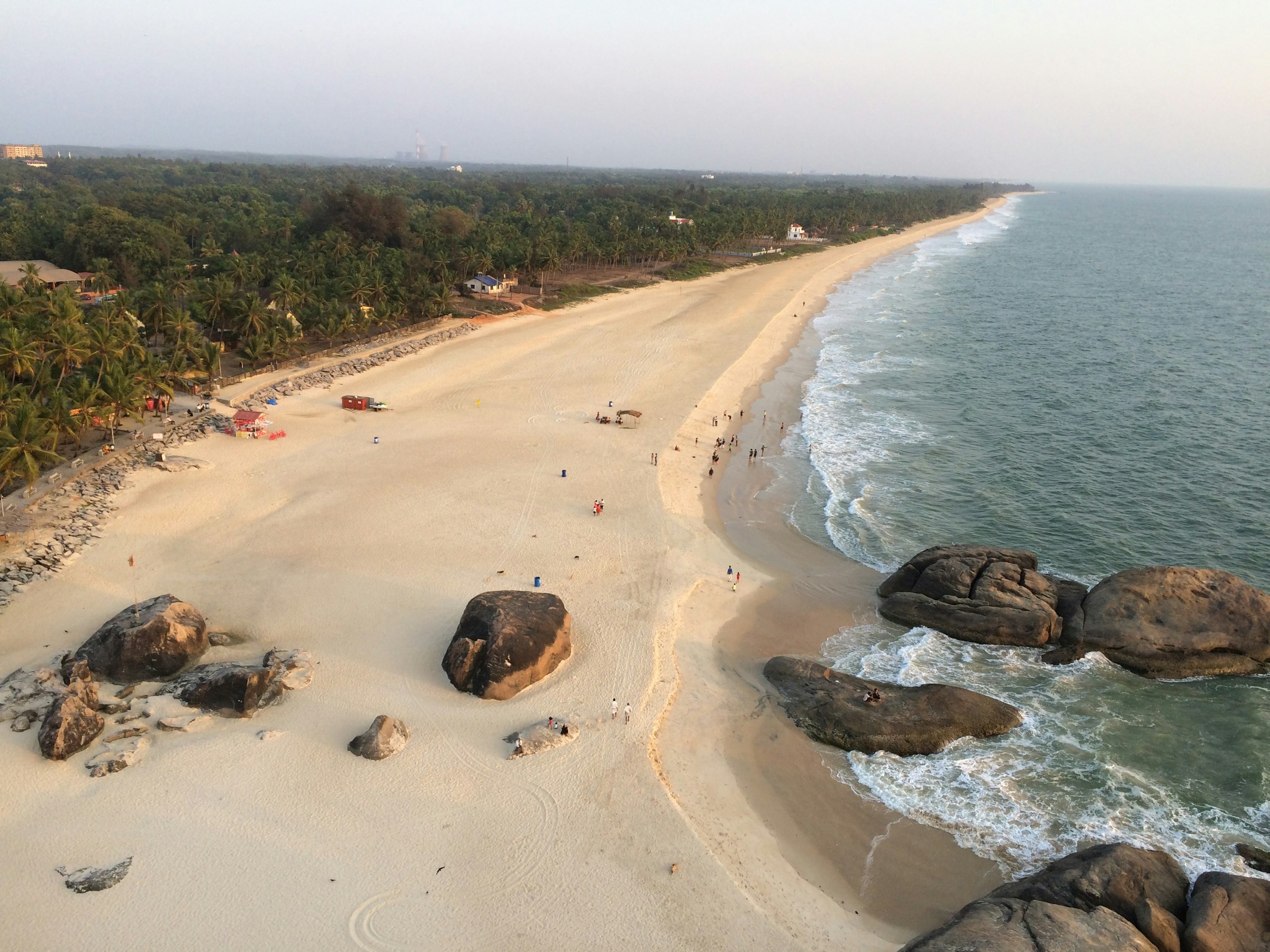
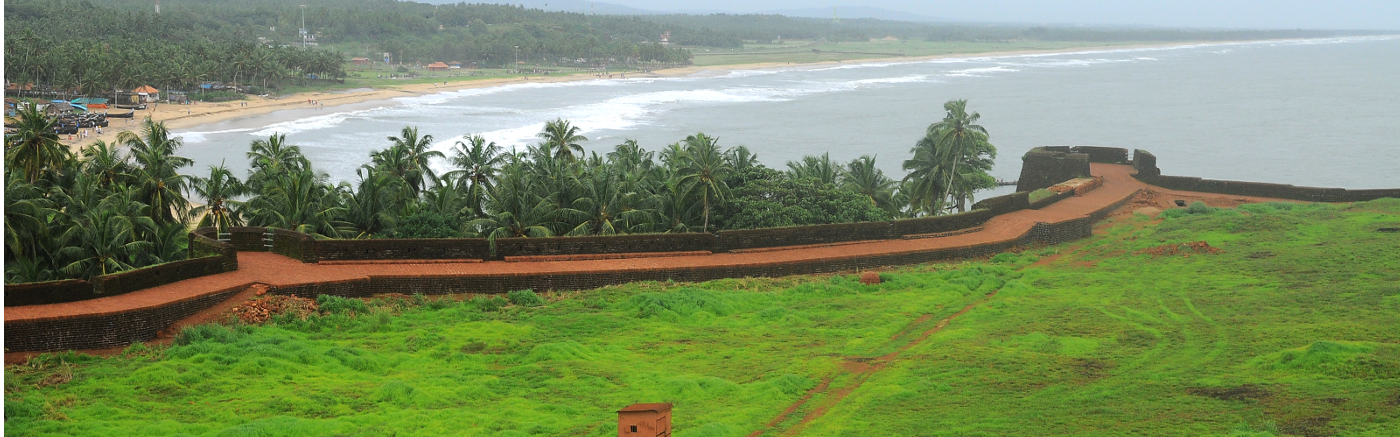
Bekal Beach, located in the Kasaragod district of Kerala, is one of the most enchanting beaches in South India. Just 16 kilometers from Kasaragod town and around 65 kilometers from Mangalore International Airport (Karnataka), it is famous for its golden sands, swaying coconut palms, and the majestic Bekal Fort overlooking the Arabian Sea.
Unlike the busier beaches of southern Kerala, Bekal offers a perfect blend of history, culture, and coastal beauty, making it a must-visit destination in Malabar tourism.
Geography and Setting
Bekal Beach lies along the Malabar Coast, a region known for its pristine, less-crowded beaches. The beach is wide, clean, and surrounded by lush greenery and fishing villages. What makes Bekal unique is its proximity to the 17th-century Bekal Fort, Kerala’s largest and best-preserved seaside fort, which provides a dramatic backdrop. The beach is divided into two sections:
Bekal Beach Park – A landscaped area with walkways, gardens, and seating spaces, ideal for family outings.
Scenic Shoreline – A natural, unspoiled stretch of sand perfect for leisurely walks and watching the waves crash against the fort walls.
Highlights and Attractions
Bekal Fort – The star attraction, built by Shivappa Nayaka of Keladi in the 17th century. Its observation towers offer panoramic views of the Arabian Sea, especially at sunset.
Musical Fountain and Walkways – Developed by the Kerala Tourism Department, the beach area features well-paved walkways, children’s play zones, and a musical fountain that lights up evenings.
Sunset Views – Watching the sun dip behind the Arabian Sea with the silhouette of Bekal Fort in the background is an iconic Kerala experience.
Film Fame – Bekal Beach gained national fame after being featured in the iconic Bollywood song “Tu Hi Re” from the movie Bombay (1995), which showcased the fort and beach.
Activities and Experiences
Bekal Beach offers a mix of relaxation and cultural exploration:
Beach Leisure – Swimming, picnicking, and photography along the scenic shoreline.
Fort Exploration – Walking through Bekal Fort’s ramparts, tunnels, and observation towers.
Fishing Village Visits – Experiencing local life in Kasaragod’s fishing hamlets and coir-making units.
Cultural Evenings – Occasionally, the beach hosts Theyam performances, folk music, and traditional art forms that reflect North Kerala’s cultural richness.
Culture and Cuisine
The region around Bekal reflects the heritage of Malabar:
Theyam Rituals – A ritualistic dance-drama native to Kasaragod and Kannur, often performed in nearby temples.
Cuisine – Local delicacies include Malabar biryani, pathiri (rice pancakes), chemmeen curry (prawn curry), and meen pollichathu (fish wrapped in banana leaves).
Multicultural Influence – Being close to Karnataka, the food and language reflect a blend of Malayalam, Tulu, and Konkani traditions.
Best Time to Visit
The best time to visit Bekal Beach is from October to March, when the weather is pleasant.
Winter (November–February) – Ideal for sightseeing, fort visits, and beach activities.
Monsoon (June–September) – Though swimming is unsafe, the fort and surrounding landscapes look lush and dramatic, attracting photographers and monsoon lovers.
How to Reach Bekal Beach
Bekal Beach, located in the Kasaragod district of Kerala, is one of the state’s most scenic coastal destinations, famous for its golden shoreline and the historic Bekal Fort overlooking the Arabian Sea. The beach is well connected by air, rail, and road, making it easily accessible from major cities in South India.
By Air
The nearest airport is Mangalore International Airport, located about 50–70 km from Bekal Beach. From the airport, visitors can hire taxis or use bus services to reach Bekal in approximately 1.5 to 2 hours. Another option is Calicut International Airport, situated around 180–200 km away.
By Train
The nearest railway stations are Bekal Fort Railway Station, Kanhangad Railway Station, and Kasaragod Railway Station. Bekal Fort Railway Station is the closest, while Kanhangad and Kasaragod offer better connectivity with major cities such as Bengaluru, Kochi, Mangalore, Chennai, and Mumbai. Auto-rickshaws and taxis are readily available outside the stations.
By Road
Bekal is situated along National Highway 66, which connects it with Mangalore, Kannur, Kozhikode, Kochi, and other major cities along India’s western coast. Regular KSRTC and private buses operate from nearby towns and cities. Self-drive trips to Bekal are especially enjoyable due to the scenic coastal landscapes and coconut-lined roads.
Nearby Attractions
Bekal is not just a beach—it’s part of a rich travel circuit:
Chandragiri Fort – Another historic fort situated at the confluence of the Chandragiri River and the Arabian Sea.
Kappil Beach and Backwaters – A serene spot where backwaters merge with the sea.
Ananthapura Lake Temple – The only lake temple in Kerala, dedicated to Lord Vishnu.
Nileshwaram – Known as the cultural capital of North Malabar, famous for Theyam and traditional art forms.
Google Maps
FAQs
1. What is Bekal Beach famous for?
Bekal Beach is best known for its beautiful shoreline and the majestic Bekal Fort, one of the largest and best-preserved forts in Kerala. The combination of sea views, historical architecture, and landscaped walkways attracts tourists throughout the year.
2. What is the best time to visit Bekal Beach?
The ideal time to visit is between October and March when the weather is pleasant, making sightseeing and beach activities more enjoyable.
3. Is there an entry fee for Bekal Beach?
The beach itself is generally accessible to visitors, though separate entry fees may apply for attractions such as Bekal Fort and certain recreational facilities.
4. Can visitors swim at Bekal Beach?
Swimming is possible in some areas, but visitors should be cautious of currents and follow local safety guidelines. It is advisable to swim only in designated safe zones.
5. How much time is needed to explore Bekal Beach?
Most visitors spend 2–4 hours enjoying the beach, exploring Bekal Fort, and watching the sunset.
6. Are food and refreshment facilities available nearby?
Yes, several local eateries, seafood restaurants, and refreshment stalls are available near the beach and fort area.
7. Is Bekal Beach suitable for families?
Yes, the beach is family-friendly, offering walking paths, open spaces, scenic viewpoints, and a relaxed atmosphere suitable for visitors of all ages.
8. Are there accommodation options near Bekal Beach?
Yes, visitors can find a range of accommodations, including beach resorts, hotels, homestays, and budget lodges in and around Bekal.
9. What activities can visitors enjoy at Bekal Beach?
Popular activities include beach walks, photography, sunset viewing, sightseeing at Bekal Fort, enjoying local seafood, and relaxing by the sea.
10. Can Bekal Beach be visited as a day trip?
Yes. Visitors from Mangalore, Kannur, Kasaragod, and nearby towns often visit Bekal Beach as a day-trip destination due to its excellent connectivity and proximity to other attractions.