Image Source: Sourav Niyogi
About Kuttanad
Nestled in the heart of Kerala, Kuttanad is one of the state’s most remarkable and picturesque regions. Located primarily in the Alappuzha district and extending into parts of Kottayam and Pathanamthitta, Kuttanad is widely known as the “Rice Bowl of Kerala.” This title reflects its immense contribution to rice cultivation and agriculture in the state.
What makes Kuttanad truly extraordinary is its rare farming system. It is among the few places in the world where agriculture is practiced below sea level, showcasing the ingenuity and resilience of local farming communities. Surrounded by shimmering backwaters, winding canals, and endless stretches of paddy fields, Kuttanad presents a landscape that is both agriculturally rich and naturally beautiful. Beyond its economic importance, the region has also become a major tourist attraction, offering visitors a peaceful glimpse into Kerala’s rural life and wetland culture.\
Geography and Natural Setting
Kuttanad forms an integral part of the vast Vembanad Lake wetland ecosystem, one of Kerala’s most significant natural landscapes. Covering nearly 230 square kilometers, the region consists of an intricate network of canals, rivers, lagoons, marshlands, and backwaters that create a unique water-bound environment.
Several rivers nourish the fertile lands of Kuttanad, including the Meenachil, Pamba, and Achankovil rivers. These waterways carry nutrient-rich sediments that sustain the region’s agriculture and wetlands. A key feature supporting farming in Kuttanad is the Thanneermukkom Salt Water Barrier, which prevents saline water from entering freshwater zones during certain seasons. This engineering structure allows farmers to cultivate multiple rice crops annually without the damaging effects of saltwater intrusion.
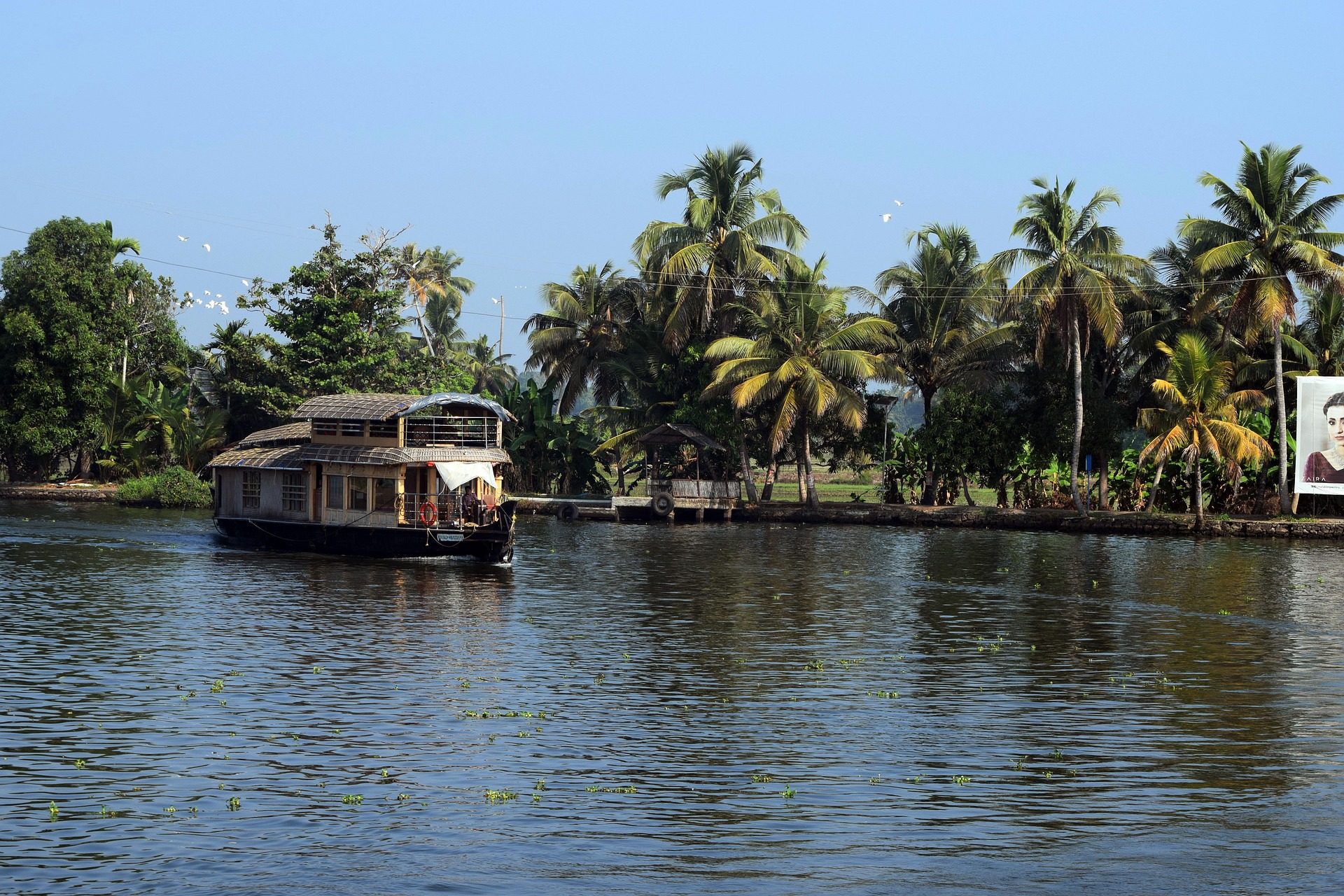
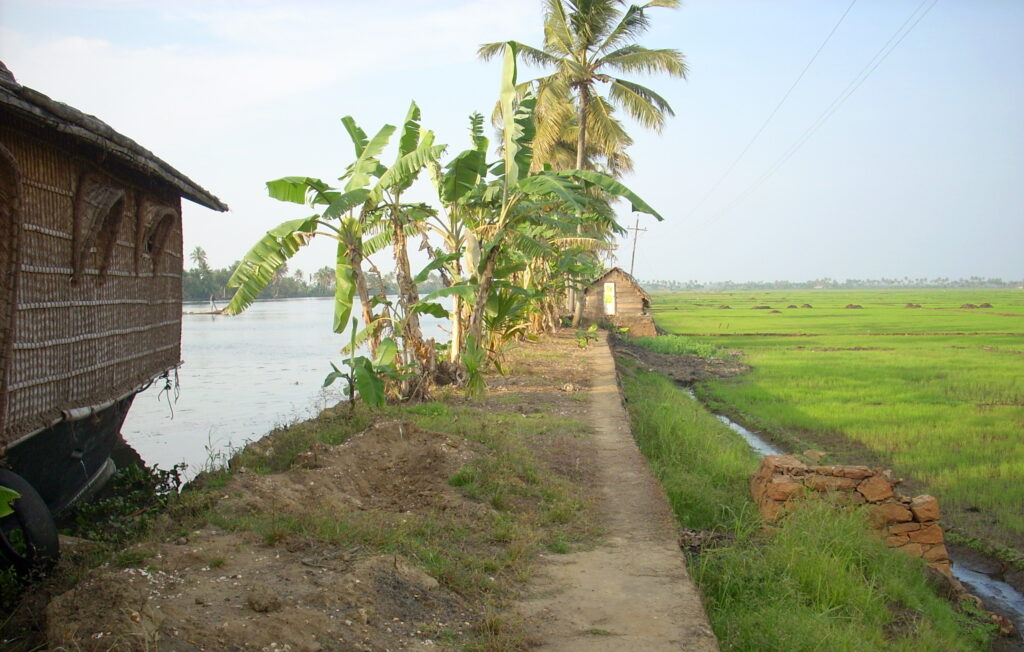
Large portions of Kuttanad lie around 1.2 meters below sea level, making it one of India’s most unusual geographical regions. Small villages, coconut groves, narrow waterways, and traditional homes dot the landscape, giving Kuttanad an enchanting character often compared to the “Venice of the East.” Life here revolves around water, with boats serving as a common means of transportation alongside roads.
Agricultural Importance and Farming Heritage
Agriculture forms the backbone of Kuttanad’s identity and economy. Rice cultivation dominates the landscape, and the region has long been central to Kerala’s food production. Farmers in Kuttanad use a distinctive land-reclamation method known as padasekharams, or polders, where wetlands are enclosed and drained for cultivation.
These reclaimed paddy fields demonstrate generations of agricultural knowledge and adaptation. The fertile soil and controlled water levels allow farmers to grow multiple paddy crops every year, strengthening Kerala’s food security and supporting thousands of farming families.
While rice remains the primary crop, Kuttanad’s agricultural diversity extends beyond paddy cultivation. Farmers also grow bananas, taro, tapioca, and seasonal vegetables. Coconut cultivation is common along canal banks and homesteads, adding to the rural economy.
Fishing and inland aquaculture further enrich local livelihoods. The freshwater backwaters sustain fish and prawn populations that provide both food and income. This close relationship between farming and fishing reflects how communities in Kuttanad have adapted to their wetland environment over centuries.
Ecological Significance and Biodiversity
Kuttanad is not only agriculturally important but also ecologically vital. The region forms part of the Vembanad-Kol Wetland, a Ramsar-designated wetland recognized internationally for its ecological value.
Its wetlands support an impressive range of biodiversity and perform essential environmental functions. The ecosystem provides habitat for:
- Freshwater fish and prawn species that sustain local fisheries
- Migratory and resident birds such as herons, egrets, kingfishers, and cormorants
- Wetland vegetation and mangroves that stabilize soil and reduce erosion
- Aquatic ecosystems that assist in flood regulation and water purification
During migratory seasons, birdlife becomes especially abundant, attracting birdwatchers and nature enthusiasts. The wetlands also play an important role in flood control and irrigation, helping regulate water flow during heavy monsoon rains.
Kuttanad stands as a rare example of how agriculture and ecology can coexist when carefully managed. However, the region also faces environmental challenges, including climate change, rising water levels, pollution, and changing agricultural patterns, making conservation efforts increasingly important.
Tourism and Unique Experiences
Kuttanad offers visitors an authentic and peaceful backwater experience unlike the more commercial tourist centers of Kerala. Its calm waterways, village life, and scenic beauty make it an ideal destination for travelers seeking both relaxation and cultural immersion.
Backwater Cruises and Houseboats
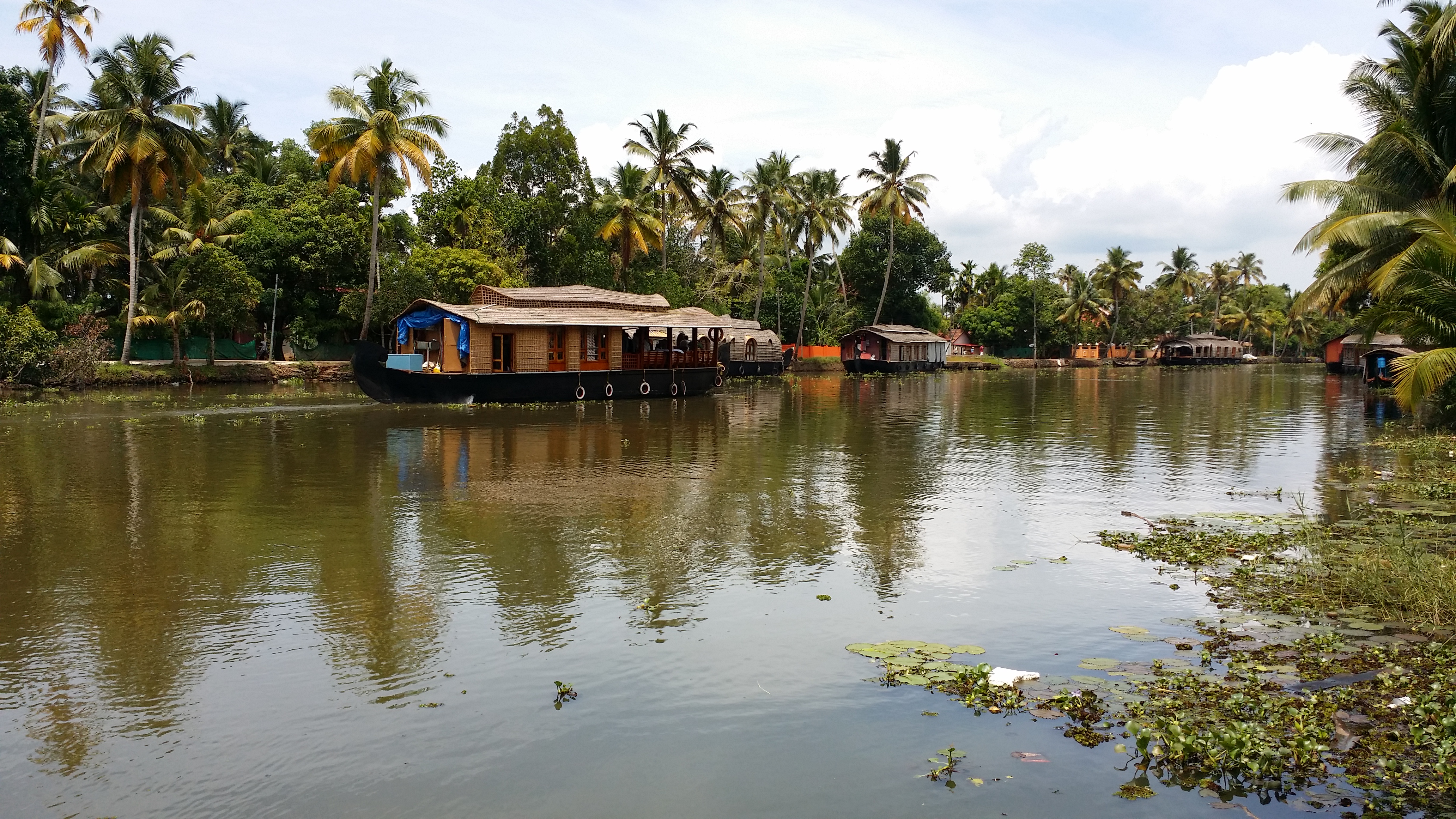
One of the most popular ways to experience Kuttanad is through houseboat cruises and canoe rides. These journeys take visitors through tranquil canals bordered by paddy fields, coconut palms, and traditional homes. Watching daily life unfold along the waterways—children traveling by boat, fishermen casting nets, and farmers working in fields—creates a memorable and immersive experience.
Village Tourism
Village walks and community tourism provide opportunities to understand Kuttanad’s agricultural traditions and local industries. Visitors can observe:
- Paddy farming techniques
- Traditional fishing methods
- Coir-making from coconut fiber
- Local handicrafts and rural lifestyles
Such experiences offer a deeper appreciation of Kerala’s agrarian heritage and the close bond between people and water.
Birdwatching and Nature Exploration
The wetland environment makes Kuttanad an excellent destination for birdwatching. Early mornings and post-monsoon seasons are particularly rewarding, when waterbirds gather across canals and marshlands.
Nature lovers often enjoy photography, canoe safaris, and peaceful exploration of lesser-known waterways away from busy tourist routes.
Boat Races and Cultural Celebrations
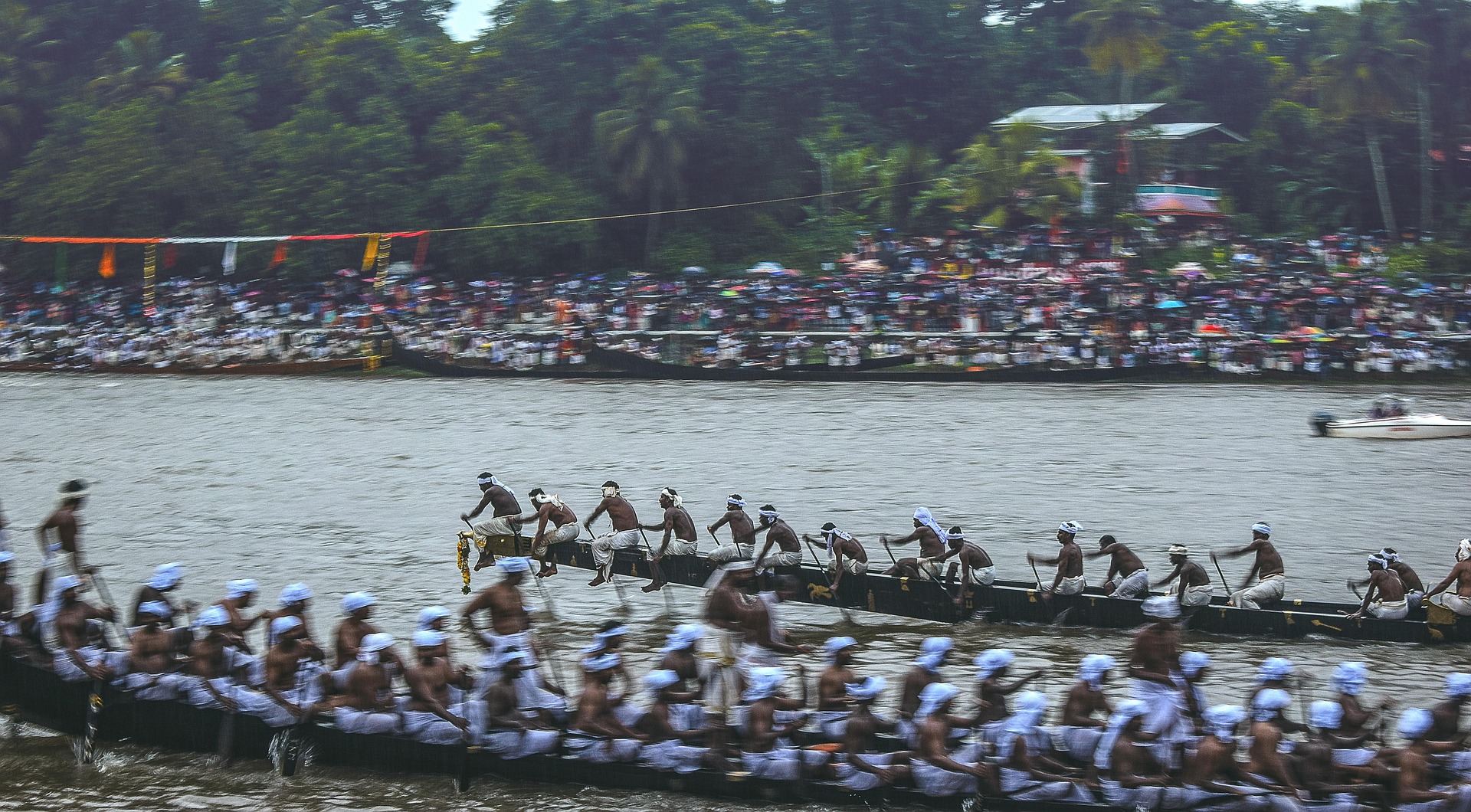
Kuttanad becomes especially vibrant during the festival season. The famous Vallam Kali, or snake boat races, are among Kerala’s most spectacular traditions. Held during the Onam season, these races feature long, beautifully decorated boats powered by synchronized rowing teams.
The atmosphere surrounding these races combines sportsmanship, music, local pride, and celebration, drawing thousands of spectators each year.
Culture and Everyday Life
Life in Kuttanad is deeply shaped by water and agriculture. Communities here have lived alongside wetlands and backwaters for generations, developing traditions and livelihoods uniquely suited to the environment.
Rice farming, fishing, and the coir industry remain important sources of employment. Traditional homes often stand close to canals, and boats continue to play an essential role in daily transportation and trade.
Festivals, temple rituals, church celebrations, and local gatherings reflect Kerala’s diverse cultural heritage. Onam, Kerala’s harvest festival, holds particular significance in Kuttanad, where celebrations are closely tied to agricultural prosperity and water-based traditions.
The cuisine of Kuttanad is another cultural highlight. Freshwater fish, duck dishes, coconut-based curries, and locally grown rice form an essential part of regional food traditions, giving visitors an opportunity to experience Kerala’s authentic flavors.
Best Time to Visit Kuttanad
Kuttanad offers different experiences throughout the year, and the ideal time to visit depends on personal interests.
November to February – Pleasant and Scenic
This is considered the best season for sightseeing and houseboat cruises. The weather remains cool and comfortable, making it ideal for outdoor activities and village exploration.
August to September – Festival Season
Visitors during Onam can witness the thrilling snake boat races and festive cultural atmosphere. This period combines natural beauty with traditional celebrations.
June to September – Monsoon Experience
The monsoon transforms Kuttanad into a lush green paradise. Water levels rise and the scenery becomes exceptionally dramatic. While heavy rains may occasionally limit boating, this season appeals to travelers seeking Kerala’s rain-soaked beauty and quieter surroundings.
How to Reach Kuttanad
Kuttanad, often called the “Rice Bowl of Kerala,” is located in the backwater region of Alappuzha district and is well connected by air, rail, road, and waterways. The region is famous for its vast paddy fields that lie below sea level, scenic canals, and traditional village life.
By Air
The nearest airport is Cochin International Airport, situated about 85 km from Kuttanad. Another option is Thiruvananthapuram International Airport, approximately 150 km away. From either airport, visitors can hire taxis or use bus services to reach Kuttanad.
By Train
The nearest railway stations are Alappuzha Railway Station and Changanassery Railway Station. Both stations are well connected to major Indian cities, and local taxis, buses, and boats are available for onward travel to Kuttanad.
By Road
Kuttanad can be reached easily from Alappuzha, Kottayam, Kochi, and other major towns of Kerala. The scenic Alappuzha–Changanassery Road passes through the heart of Kuttanad, offering beautiful views of paddy fields, coconut groves, and backwaters along the journey.
By Boat
One of the most memorable ways to reach Kuttanad is by water. Regular ferry and boat services operate from Alappuzha through the network of canals and backwaters. These boat journeys provide an authentic glimpse of village life, traditional fishing activities, and the region’s unique landscape.
Nearby Attractions
Vembanad Lake
The largest lake in Kerala and the heart of the state’s backwater tourism. Visitors can enjoy houseboat cruises, birdwatching, kayaking, and spectacular sunset views over the tranquil waters.
Pathiramanal Island
A beautiful island on Vembanad Lake known for its migratory birds and serene natural surroundings. It is accessible by boat from Alappuzha and Kumarakom.
Champakulam
A picturesque village famous for traditional snake boat races, ancient churches, and peaceful backwater scenery. It is one of the most culturally significant settlements in the Kuttanad region.
Punnamada Lake
Known worldwide for hosting the famous Nehru Trophy Boat Race, this lake offers excellent opportunities for boating and photography.
Pamba River
One of Kerala’s major rivers, flowing through Kuttanad and contributing to the region’s fertile agricultural landscape. Its riverbanks provide scenic views and opportunities to experience rural Kerala.
Alappuzha Beach
Located about 20 km from Kuttanad, this popular beach is known for its historic pier, sunset views, and lively coastal atmosphere.
Ambalappuzha Sri Krishna Temple
One of Kerala’s most revered temples, renowned for its traditional Kerala architecture and the famous sweet offering known as Palpayasam.
Google Maps
FAQs
1. Why is Kuttanad called the “Rice Bowl of Kerala”?
Kuttanad earns this title because of its extensive rice cultivation and major contribution to Kerala’s agricultural production.
2. What makes Kuttanad unique compared to other regions?
Its below-sea-level farming system, interconnected backwaters, and wetland-based lifestyle make Kuttanad one of the most distinctive agricultural landscapes in the world.
3. Is Kuttanad suitable for houseboat tourism?
Yes. Kuttanad is famous for peaceful houseboat and canoe experiences that showcase Kerala’s rural backwaters and village life.
4. Which rivers support Kuttanad’s agriculture?
The Meenachil, Pamba, and Achankovil rivers supply water and fertile sediments that sustain farming in the region.
5. What wildlife can be seen in Kuttanad?
Visitors may spot fish, prawns, herons, egrets, kingfishers, cormorants, and several migratory bird species in the wetlands.
6. When is the best time to see snake boat races?
The best time is during the Onam season, usually between August and September.
7. How important is Kuttanad to Kerala’s economy?
Kuttanad contributes significantly through rice farming, fisheries, tourism, and traditional industries such as coir production.
8. Is Kuttanad environmentally important?
Yes. As part of the Vembanad-Kol Wetland system, Kuttanad supports biodiversity, water management, flood control, and ecological balance.