Image Source: Augustus Binu
About Thirunelli Temple
Nestled in the breathtaking Brahmagiri Hills of Kerala’s Wayanad district, Thirunelli Temple stands as one of South India’s oldest and most revered spiritual destinations. Dedicated to Lord Vishnu, this sacred shrine is often called the “Kashi of the South” because of its deep connection with ancestral rituals and the belief that prayers offered here help attain peace and liberation for departed souls.
Surrounded by dense forests, rolling hills, and crystal-clear streams, the temple offers more than a place of worship—it provides a deeply peaceful and spiritual experience. For centuries, pilgrims, sages, and seekers have travelled to Thirunelli not only to worship but also to experience the calm and sacred atmosphere that defines this ancient temple.
Historical and Mythological Significance
Thirunelli Temple carries immense historical and mythological importance. According to Hindu tradition, Lord Brahma discovered a sacred idol of Lord Vishnu beneath an amalaka (Indian gooseberry) tree while travelling through the Brahmagiri Hills. Believing the deity to be self-manifested, he consecrated the idol and established the temple. Because of this divine origin, the deity is worshipped as “Swayambhu Vishnu,” meaning self-manifested Vishnu.
Ancient Hindu scriptures, including the Puranas, mention Thirunelli as a highly sacred pilgrimage site. The temple has long been associated with rituals for departed ancestors and is believed to hold spiritual significance equal to that of Gaya and Kashi—two of India’s most important centers for ancestral rites. This association has made Thirunelli a place where devotees seek Moksha, or liberation from the cycle of birth and death.
Over generations, the temple has remained a spiritual refuge where faith and tradition continue to thrive. Many devotees believe that prayers and ceremonies performed here carry special spiritual merit, particularly those dedicated to ancestors.
Temple Architecture and Sacred Setting
Unlike temples known for grand towers and elaborate ornamentation, Thirunelli Temple reflects the understated elegance of traditional Kerala architecture. The structure features sloping tiled roofs, laterite stone walls, wooden detailing, and a sanctum known as the Sreekovil where Lord Vishnu resides.
The temple’s true grandeur lies in its natural surroundings rather than architectural extravagance. Located amidst lush valleys and forest-covered hills, the shrine blends harmoniously with nature. Mist-covered mountains, chirping birds, and flowing streams create an atmosphere that feels timeless and meditative.
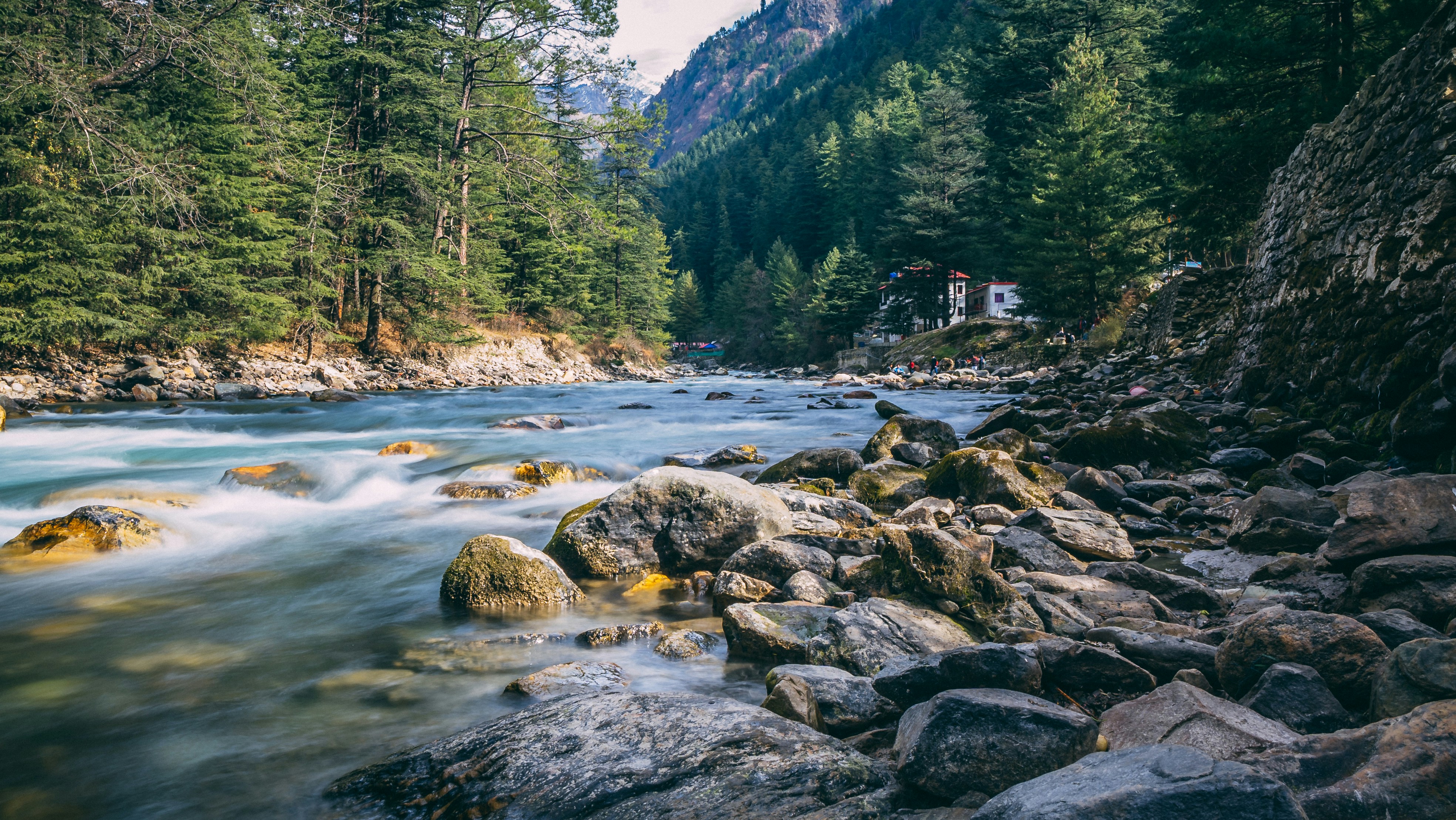
One of the temple’s most sacred features is the nearby Papanasini stream. Devotees consider its waters spiritually purifying and often take ritual baths before entering the temple. The name “Papanasini” literally means “destroyer of sins,” reflecting the belief that bathing here cleanses one of spiritual impurities.
Another important site near the temple is Pinnappara, a sacred rock where rituals for departed souls are conducted. Together, these sacred landmarks form an integral part of the Thirunelli pilgrimage experience.
Rituals and Spiritual Practices
Thirunelli Temple is especially renowned for ancestral rituals, particularly Bali Tharpanam. This sacred offering to departed ancestors is performed along the banks of the Papanasini stream and attracts thousands of devotees throughout the year.
Many pilgrims visit during Amavasya, or new moon days, considered especially auspicious for honoring ancestors. Karkidaka Vavu, observed during the Malayalam month of Karkidakam, sees particularly large gatherings of devotees who come to perform rites seeking peace and salvation for their forefathers.
Apart from ancestral ceremonies, the temple follows a regular schedule of daily worship and Vishnu poojas. Priests conduct rituals according to traditional Vaishnavite practices, and devotees offer prayers seeking prosperity, protection, spiritual growth, and divine blessings.
For many visitors, Thirunelli is not merely a religious destination but a place of emotional and spiritual healing, where remembrance of ancestors becomes an act of devotion and gratitude.
Festivals and Celebrations
Although Thirunelli Temple is most famous for ancestral rites, it also celebrates several Hindu festivals with deep devotion and traditional grandeur.
Vaikuntha Ekadashi is among the most significant occasions observed here. Dedicated to Lord Vishnu, the festival attracts large numbers of pilgrims who believe that worship on this day opens the path to divine grace and salvation.
Other Vishnu-related observances and local temple festivals are celebrated with prayers, rituals, and cultural traditions unique to Kerala. During festival periods, the temple atmosphere becomes especially vibrant, blending spiritual devotion with regional customs and community participation.
Traditional lamps, devotional chanting, and temple ceremonies create an unforgettable spiritual ambience that draws devotees from across Kerala and neighboring states.
Natural Beauty and Pilgrimage Experience
The journey to Thirunelli Temple is often described as spiritually uplifting in itself. The road winds through the scenic landscapes of Wayanad, offering views of forests, hills, plantations, and mountain streams.
Because the temple is located near wildlife-rich forest regions of the Brahmagiri range, visitors often experience a strong connection with nature. The peaceful environment encourages meditation and quiet reflection, making the pilgrimage meaningful even for those seeking inner calm rather than formal rituals.
Early mornings and evenings are particularly serene, when mist drifts through the hills and the sounds of nature enhance the sacred atmosphere.
How to Reach Thirunelli Temple
Reaching Thirunelli Temple involves travelling through some of Wayanad’s most picturesque landscapes.
By Road
The temple is well connected by road and can be reached through nearby towns:
- Mananthavady – approximately 30 km
- Sultan Bathery – approximately 60 km
- Kalpetta – approximately 85 km
Regular buses, taxis, and private vehicles are available from these locations.
By Rail
The nearest railway stations are:
- Mysore – around 121 km
- Kozhikode – around 145 km
From these railway stations, travellers can hire taxis or use bus services to reach the temple.
By Air
The closest airports include:
- Kannur International Airport – approximately 124 km
- Kozhikode International Airport – approximately 145 km
Both airports provide convenient access to Wayanad through road transport.
Nearby Attractions
1. Brahmagiri Hills
The majestic Brahmagiri Hills form the backdrop of Thirunelli Temple and are a paradise for trekkers and nature lovers. The hills offer breathtaking views, rich biodiversity, and scenic trekking trails through forests and grasslands.
2. Pakshipathalam
A renowned trekking destination located deep within the Brahmagiri forests, Pakshipathalam is famous for its caves, rocky terrain, and diverse birdlife. The trek passes through dense forests and offers an adventurous experience.
3. Papanasini Stream
Flowing near the temple, Papanasini is considered a sacred stream where devotees perform rituals and take holy dips. The tranquil surroundings add to its spiritual significance.
4. Kuruva Island
Located on the Kabini River, Kuruva Island is a protected river island known for its bamboo groves, nature trails, and unique ecosystem. It is a favorite destination for eco-tourism.
5. Tholpetty Wildlife Sanctuary
Part of the Wayanad Wildlife Sanctuary, Tholpetty is known for its wildlife safaris and opportunities to spot elephants, deer, gaurs, peacocks, and other animals in their natural habitat.
6. Wayanad Wildlife Sanctuary
One of Kerala’s most important wildlife reserves, the sanctuary is part of the Nilgiri Biosphere Reserve and supports a rich variety of flora and fauna.
7. Iruppu Falls
Located near the Kerala–Karnataka border, Iruppu Falls is a scenic waterfall associated with the Ramayana. The falls attract pilgrims and nature enthusiasts alike.
8. Nagarhole National Park
A short drive from Thirunelli, Nagarhole National Park is one of India’s premier wildlife destinations, famous for tigers, elephants, leopards, and birdlife.
9. Banasura Sagar Dam
India’s largest earthen dam offers boating, scenic viewpoints, and stunning views of the surrounding Banasura Hills.
10. Pazhassi Raja Tomb
This historic memorial commemorates Kerala Varma Pazhassi Raja, the legendary ruler who fought against British colonial rule in the Malabar region.
Best Time to Visit
Thirunelli Temple can be visited throughout the year, but the ideal period is between October and March, when the weather in Wayanad remains pleasant and comfortable for travel.
Monsoon months transform the surrounding hills into a lush green paradise, though heavy rainfall may make travel slightly challenging. Pilgrims intending to perform ancestral rites often plan their visit around Amavasya days or Karkidaka Vavu for religious significance.
Visitor Tips
Visitors planning a trip to Thirunelli Temple may find these suggestions useful:
- Dress modestly and respectfully, following temple customs.
- Carry comfortable footwear suitable for walking, though footwear must be removed before entering the temple premises.
- Early morning visits provide a calmer and less crowded experience.
- If performing Bali Tharpanam, check ritual timings and arrangements in advance.
- Respect local customs and maintain the temple’s peaceful atmosphere.
Google Maps
FAQs
1. Why is Thirunelli Temple called the “Kashi of the South”?
The temple is closely associated with ancestral rituals and beliefs related to Moksha, or liberation of the soul. Because of this spiritual importance, it is considered comparable to Kashi and Gaya.
2. Which deity is worshipped at Thirunelli Temple?
The temple is dedicated to Lord Vishnu, worshipped here as Swayambhu Vishnu, meaning self-manifested Vishnu.
3. What is Bali Tharpanam at Thirunelli Temple?
Bali Tharpanam is a ritual performed for departed ancestors. Devotees offer prayers and ceremonial offerings seeking peace and salvation for the souls of their forefathers.
4. What is the significance of the Papanasini stream?
Papanasini is regarded as a sacred stream where devotees take ritual baths before worship. Its waters are believed to purify sins and spiritual impurities.
5. When is the best time to visit Thirunelli Temple?
The most comfortable time to visit is from October to March due to pleasant weather, though pilgrims may also visit during important ritual periods such as Amavasya and Karkidaka Vavu.
6. Are non-Hindus allowed to visit the temple?
Entry rules may vary depending on temple customs and regulations. Visitors are advised to check current guidelines before planning their visit.
7. Is Thirunelli Temple suitable for family visits?
Yes. Apart from its religious significance, the temple’s peaceful surroundings and scenic location make it suitable for families and spiritual travellers alike.
8. How much time is needed for a temple visit?
A regular visit may take one to two hours, while those performing rituals or exploring nearby sacred spots may require additional time.