Image Source: Manjunath nikt
About Kudalasangama
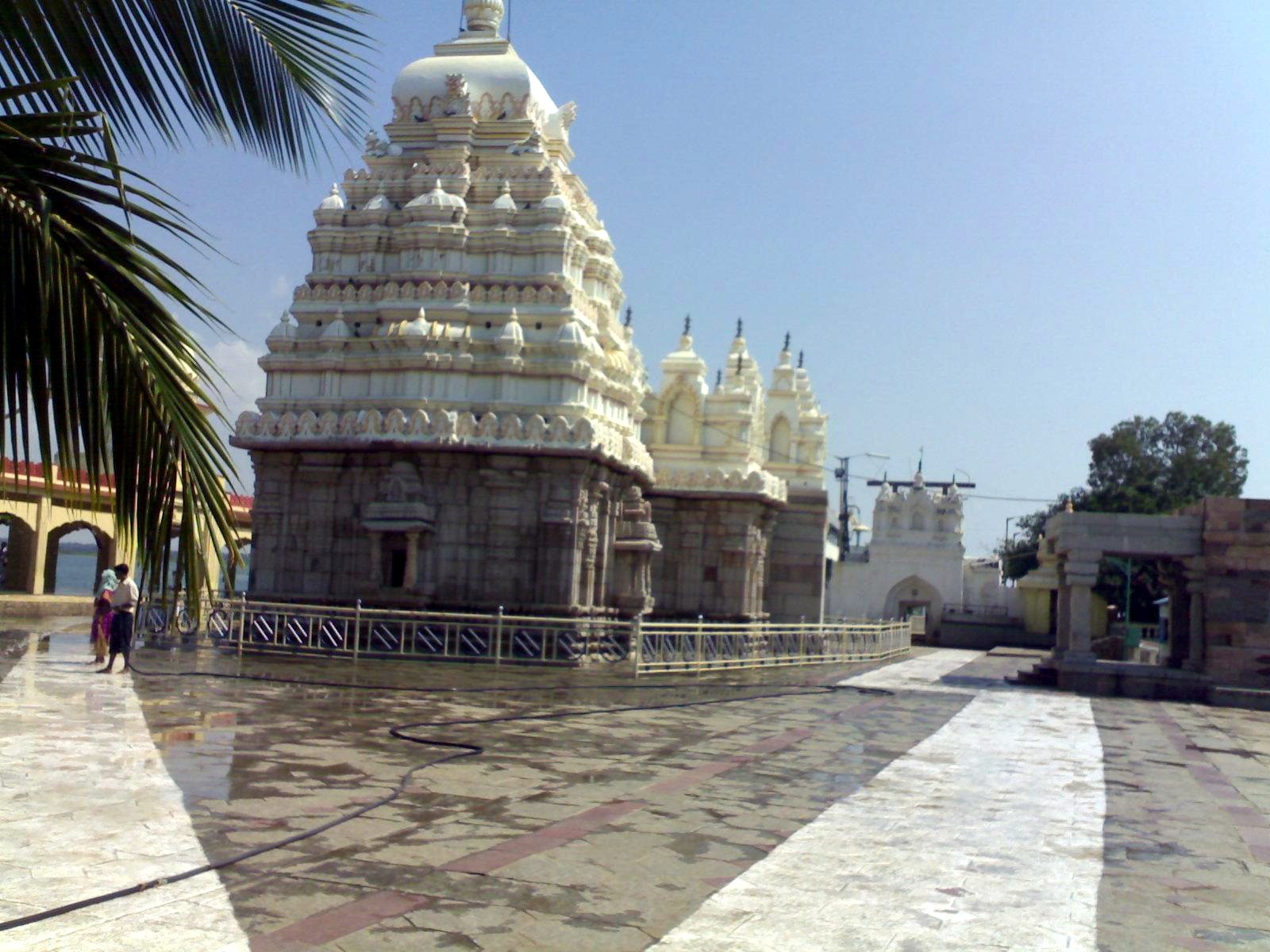
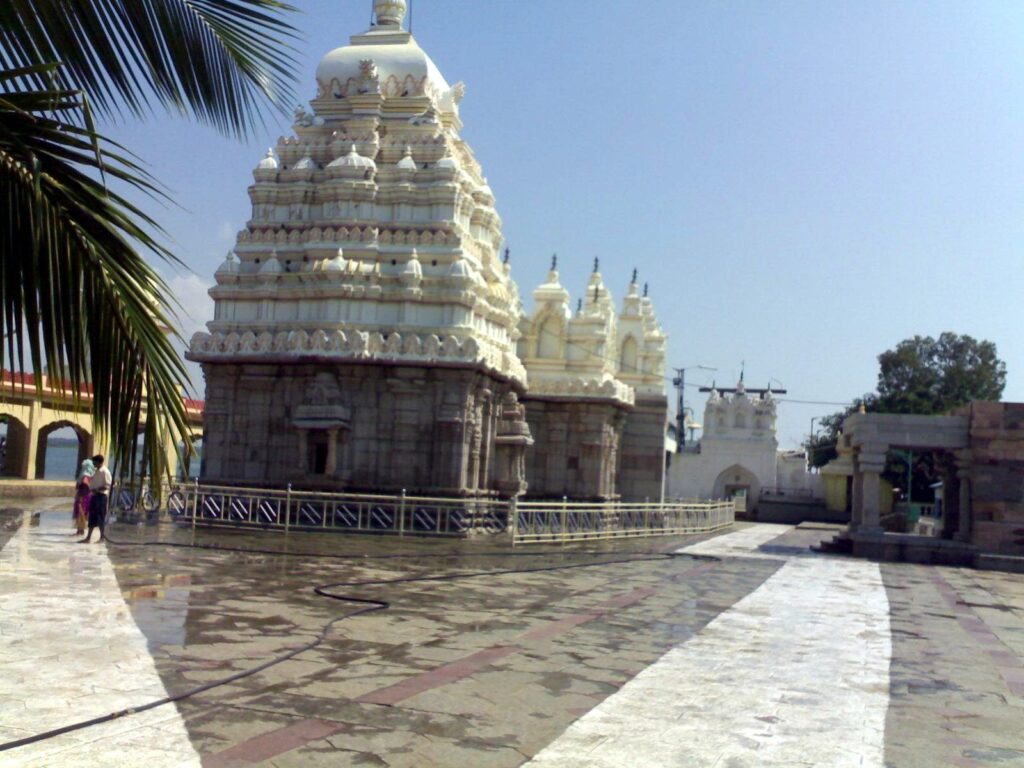
The Sangamesvara Temple at Kudalasangama in Bagalkot district, Karnataka, is one of the most revered temples of the Western Chalukya period. Situated at the confluence (sangama) of the Krishna and Malaprabha rivers, the temple holds immense spiritual significance for Shaivites and is also closely associated with Basavanna, the 12th-century social reformer and founder of the Lingayat movement. Beyond its sanctity, the temple is a striking example of Chalukyan architecture, combining simplicity with grandeur.
History
The temple dates back to the 11th century CE, during the rule of the Western Chalukyas of Kalyana. Inscriptions suggest that it was built under the patronage of Chalukya kings, who were great patrons of temple construction and Shaivism. Over time, Kudalasangama grew into a major pilgrimage site, particularly because Basavanna is believed to have received spiritual initiation here, and the place is revered as a Lingayat center of faith.
Architecture
The Sangamesvara Temple is built in a dravidian style with influences of the Chalukyan idiom. Key architectural features include:
Garbhagriha (Sanctum): Houses the Shiva Linga known as Sangamesvara.
Navaranga (Hall): The pillared hall has intricately carved columns with floral and geometric motifs.
Mukhamantapa (Entrance hall): A simple yet elegant porch welcomes devotees.
Shikhara (Tower): Built in the stepped Dravidian style, it reflects the restrained beauty of Western Chalukya temple towers.
The temple’s location at the river confluence adds a natural charm, making it both a spiritual and scenic landmark.
Religious Importance
Kudalasangama is one of the holiest sites for Lingayats. The name “Kudala Sangama” itself means “Lord of the Confluence”. Basavanna often addressed Lord Shiva here as Kudalasangama Deva in his famous Vachanas (poetic expressions of devotion and social reform). Pilgrims visit not only to seek blessings at the Sangamesvara Temple but also to see the samadhi of Basavanna, located nearby.
Unique Aspects
The temple is positioned at a sacred confluence, symbolizing spiritual unity.
It is deeply tied to the Lingayat reform movement, making it historically and religiously significant.
The temple reflects a fusion of simplicity and sacred symbolism, unlike the highly ornate Hoysala temples.
How to Reach
By Road: Kudalasangama is well connected by road, about 15 km from Hungund and 35 km from Bagalkot. KSRTC and private buses frequently ply this route.
By Rail: The nearest railway station is Almatti (15 km), connected to major cities like Hubballi and Vijayapura.
By Air: The closest airport is Hubballi Airport (about 180 km).