Image Source: Dineshkannambadi
About Kalleshvara Temple
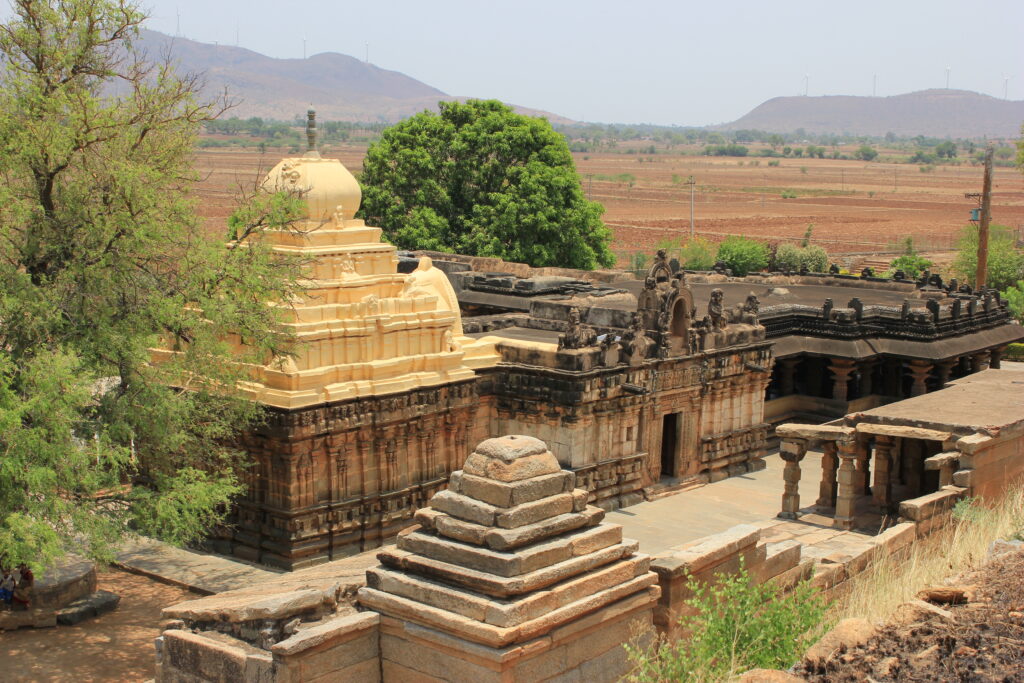
The Kalleshvara Temple at Bagali village in Harapanahalli Taluk, Vijayanagara district, Karnataka, is one of the finest surviving examples of medieval Chalukyan temple architecture. This monument beautifully reflects the artistic transition from the early Chalukyas of Badami to the Later Chalukyas of Kalyani, showcasing both architectural ingenuity and cultural heritage.
History
Bagali, historically known as Baguli, was an important settlement under the patronage of the Western Chalukyas. The temple is believed to have been constructed in the early 11th century CE, during the reign of the later Chalukya kings, and received continual patronage under the Hoysalas and Vijayanagara rulers. Inscriptions found here suggest that Bagali was once a thriving agrahara (Brahmin settlement) and religious centre.
Architecture
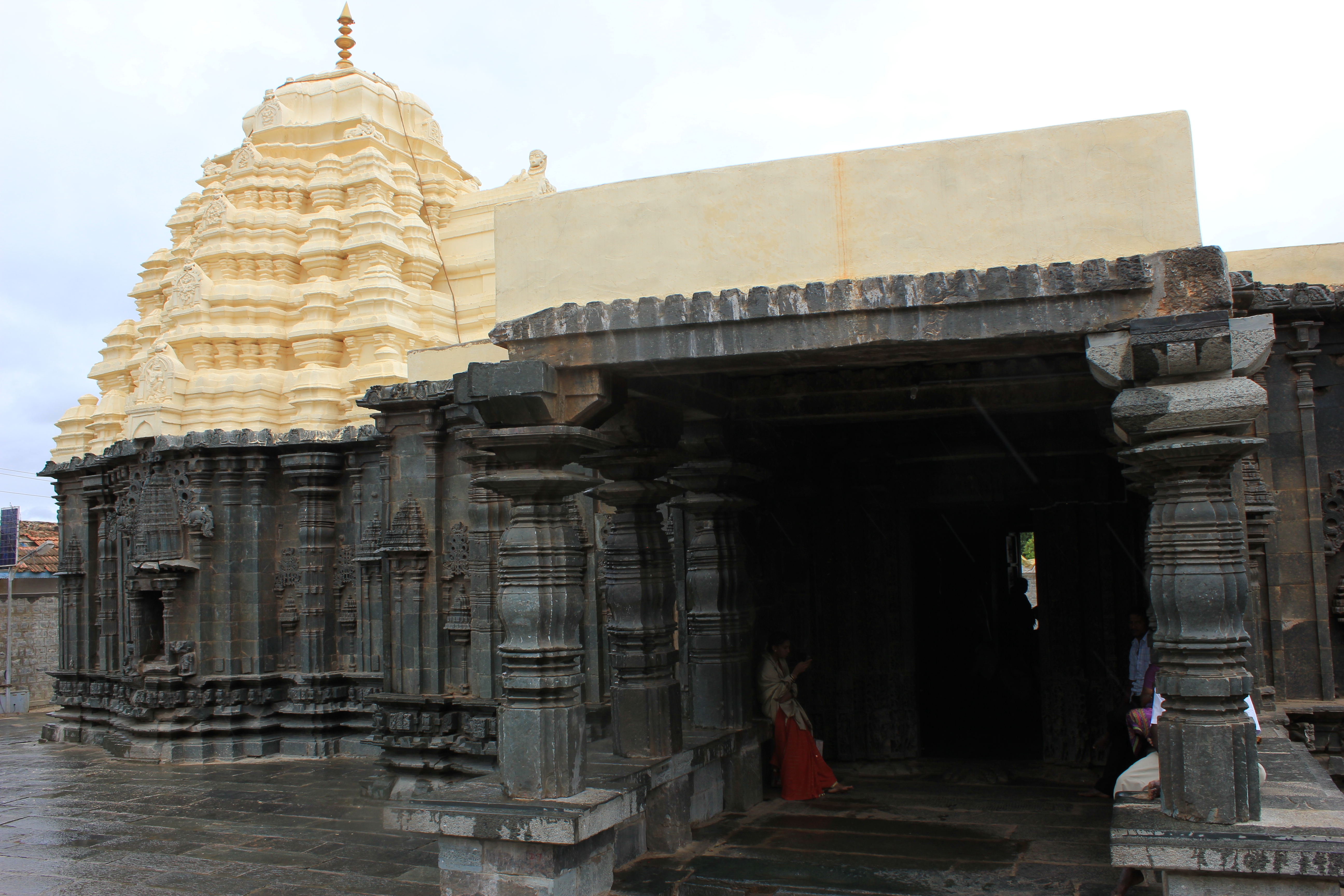
The Kalleshvara Temple is dedicated to Lord Shiva, enshrined in the form of a linga. It follows the ekakuta (single shrine) plan, though later additions gave it a more elaborate look.
Key architectural highlights include:
Garbhagriha and Shikhara – The sanctum (garbhagriha) houses the Shiva linga and is crowned with a beautifully carved Dravida-style tower.
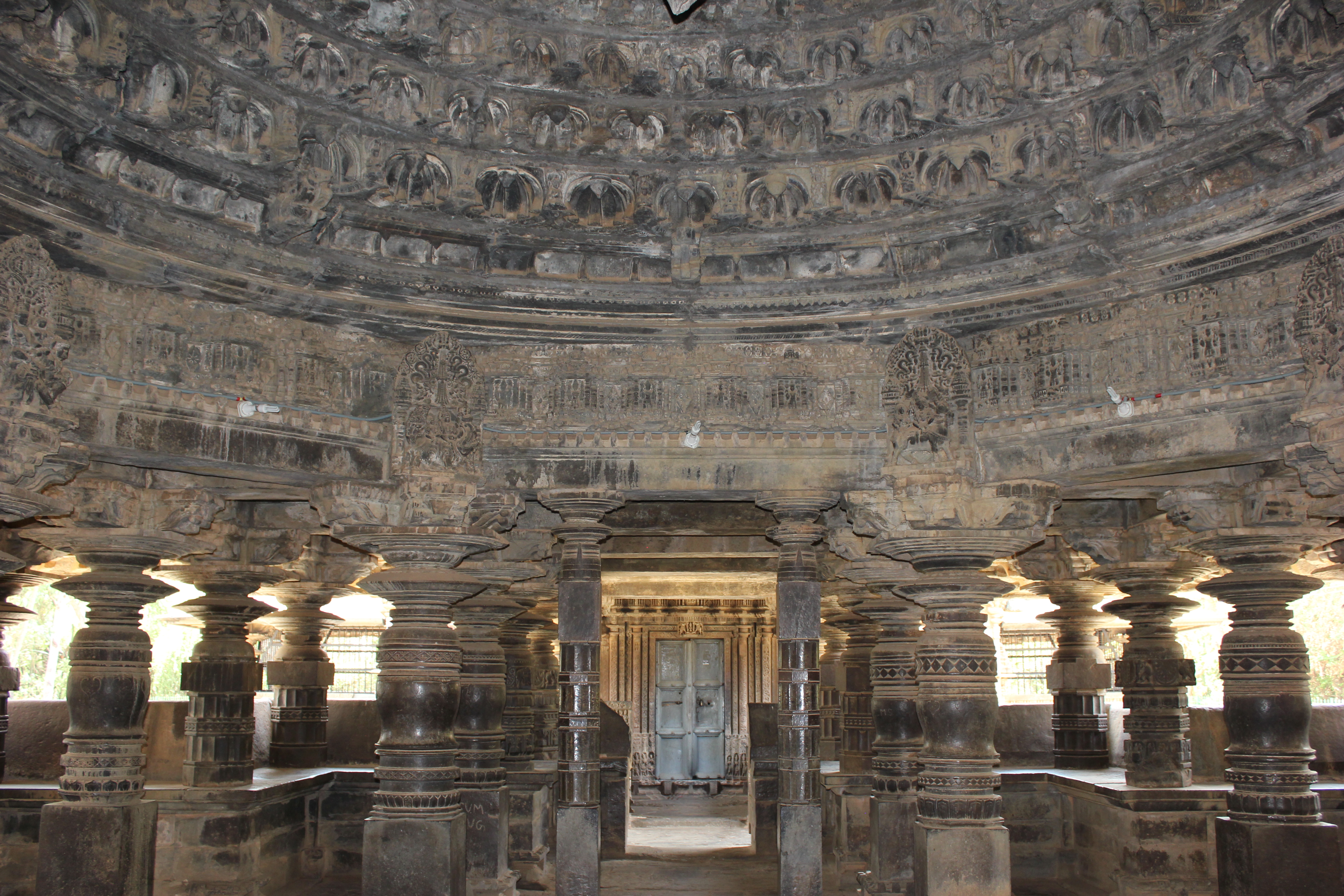
Navaranga (hall) – The temple’s navaranga is supported by finely polished lathe-turned pillars, a signature feature of Western Chalukya architecture.
Carved doorways and ceilings – The doorframes are adorned with detailed scrollwork and floral motifs, while the ceilings display geometric patterns and lotus medallions.
Sculptures – Images of deities like Vishnu, Ganapati, Mahishasuramardini, and Surya decorate the walls, reflecting the syncretic religious atmosphere of the era.
Unique Aspects
What makes the Kalleshvara Temple unique is its harmonious blending of early Chalukya structural solidity with the ornate sculptural detailing that would later be perfected by the Hoysalas. It is also notable for its well-preserved inscriptions, which provide crucial insights into the socio-religious history of the region.
Present Status
Today, the temple is a protected monument under the Archaeological Survey of India (ASI). Despite being located in a relatively less-traveled village, it continues to be a site of worship and draws interest from historians, archaeologists, and heritage enthusiasts.
How to Reach
By Road: Bagali is about 20 km from Harapanahalli and can be accessed via local roads from Vijayanagara or Davanagere.
By Rail: The nearest railway station is at Hosapete (40 km) or Davanagere.
By Air: The closest airport is Hubballi Airport (about 170 km).
Nearby Attractions
Harihareshwara Temple
Located in the historic town of Harihar, this ancient temple is dedicated to Harihara, a combined form of Lord Shiva and Lord Vishnu. Built during the Hoysala period, the temple is admired for its detailed carvings and unique architecture.
Tungabhadra River
The scenic banks of the Tungabhadra River offer peaceful surroundings and beautiful rural landscapes. Visitors often stop here to enjoy nature and experience the agricultural heartland of central Karnataka.
Hampi
One of India’s most celebrated heritage destinations, Hampi is known for its magnificent Vijayanagara-era ruins, temples, stone chariots, and boulder-strewn landscapes. It is a must-visit for history and architecture enthusiasts.
Anjanadri Hill
Believed by many devotees to be the birthplace of Lord Hanuman, this hilltop destination offers panoramic views of the Tungabhadra Valley and the surrounding countryside.
Panchalingeshwara Temples
Situated near Kalleshvara Temple, these lesser-known shrines showcase the region’s rich religious and architectural heritage and are worth exploring during the same visit.
Harpanahalli
Located about 9 km from Bagali, Harpanahalli serves as the nearest town and offers a glimpse into the local culture, markets, and traditional Karnataka lifestyle.
Google Maps
FAQs
1. Where is Kalleshvara Temple located?
Kalleshvara Temple is situated in Bagali village, approximately 9 km from Harpanahalli in Karnataka’s Vijayanagara district.
2. Which deity is worshipped in the temple?
The temple is dedicated to Lord Shiva, who is worshipped here as Kalleshvara (Kalleshwara).
3. How old is Kalleshvara Temple?
The temple dates back to around 987 CE and reflects the architectural contributions of both the Rashtrakuta and Western Chalukya dynasties.
4. What is special about the temple architecture?
The temple is renowned for its ornate stone carvings, beautifully sculpted pillars, detailed doorways, and an impressive open-pillared hall. It is considered one of the finest examples of early Chalukyan architecture in Karnataka.
5. Is the temple protected by the Archaeological Survey of India?
Yes. Kalleshvara Temple is recognized as a monument of national importance and is protected by the Archaeological Survey of India.
6. What is the best time to visit?
The ideal time to visit is between October and March, when the weather is pleasant and suitable for exploring the temple complex and nearby attractions.
7. How much time is needed to explore the temple?
Visitors generally spend between one and two hours admiring the architecture, sculptures, inscriptions, and surrounding shrines.
8. Is photography allowed inside the temple complex?
Photography is usually permitted in the outer areas and temple premises, but visitors should respect local customs and any restrictions in sacred sections.
9. Are guides available at the temple?
Local guides may occasionally be available, though many visitors prefer self-guided exploration while appreciating the temple’s historical and architectural significance.
10. Why should history lovers visit Kalleshvara Temple?
The temple preserves centuries-old Kannada inscriptions, remarkable Chalukyan craftsmanship, and architectural features that provide valuable insight into medieval Karnataka’s history and culture.