Image Source: Manjunath Doddamani Gajendragad
About Savadatti Fort
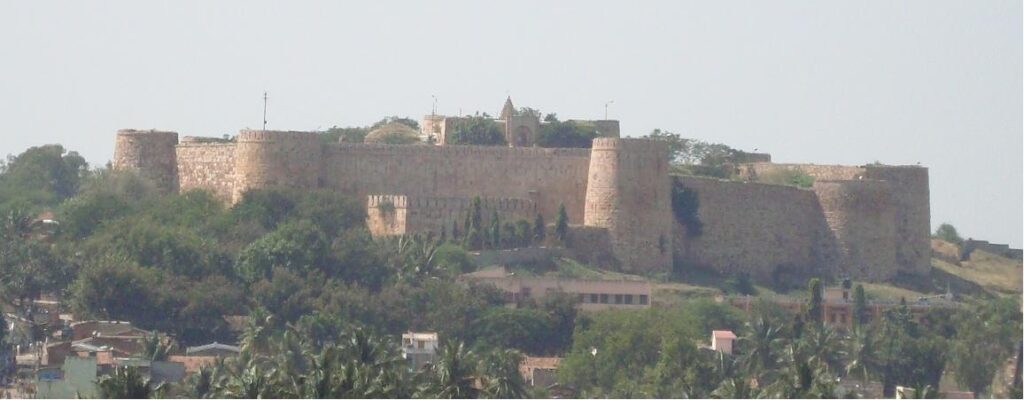
The Savadatti Fort, also known as Saundatti Fort, is a remarkable 18th-century military structure located in the western part of Savadatti town, Belagavi district, Karnataka. Perched on a small rocky hill and surrounded by thorny vegetation, the fort is a blend of architectural strength and historical depth. Today, it stands as a restored monument, offering visitors a glimpse into the region’s turbulent past and rich cultural heritage.
Location and Naming
Savadatti town, historically known as Sughandavarti—meaning “fragrant city”—is situated about 83 kilometers from Belagavi. The fort occupies a commanding position on rising ground, making it a strategic stronghold in earlier times. Its placement amid exposed rocks and a dense prickly pear forest provided natural defenses, complementing the man-made fortifications.
History
The construction of Savadatti Fort is attributed to the Desai rulers of Navalgund. Historical records differ slightly:
Some accounts state that it was built in 1734 by Naralgund Desai, who received Savadatti as a gift from the Nawab of Savanur in 1730.
Other sources suggest it was constructed between 1743 and 1751 by Jayappa Desai of the Navalgund-Sirasangi Sansthan.
Long before the fort was built, Savadatti had been a seat of power. From the 9th to 13th centuries, the town was ruled by the Ratta dynasty, who were prominent feudatories of the Rashtrakutas and Chalukyas. The fort as it stands today reflects the later phase of Savadatti’s strategic importance during the Desai rule.
Architecture
The Savadatti Fort is unique in its irregular nine-sided polygonal shape, built to adapt to the contours of the rocky hill. Its defensive features include:
Fort Walls: Constructed with large hewn stones, the walls extend up to 120 feet in length and rise between 24 to 60 feet in height, giving the fort an imposing look.
Main Gateway: The east-facing gate is the primary entrance, reached via a steep approach road and a stairway of about 30 steps leading to an inner gate. The entrance is further protected by two smaller posterns (sally ports).
Bastions and Moat: The fort is strengthened by eight bastions, placed at intervals for defense, and is encircled by a protective moat.
Temples Inside: Within the fort walls stands a new Hanuman temple, a symbol of faith that continues to attract devotees. A beacon light also stands inside, a reminder of its strategic function in the past.
The Smaller Inner Fort
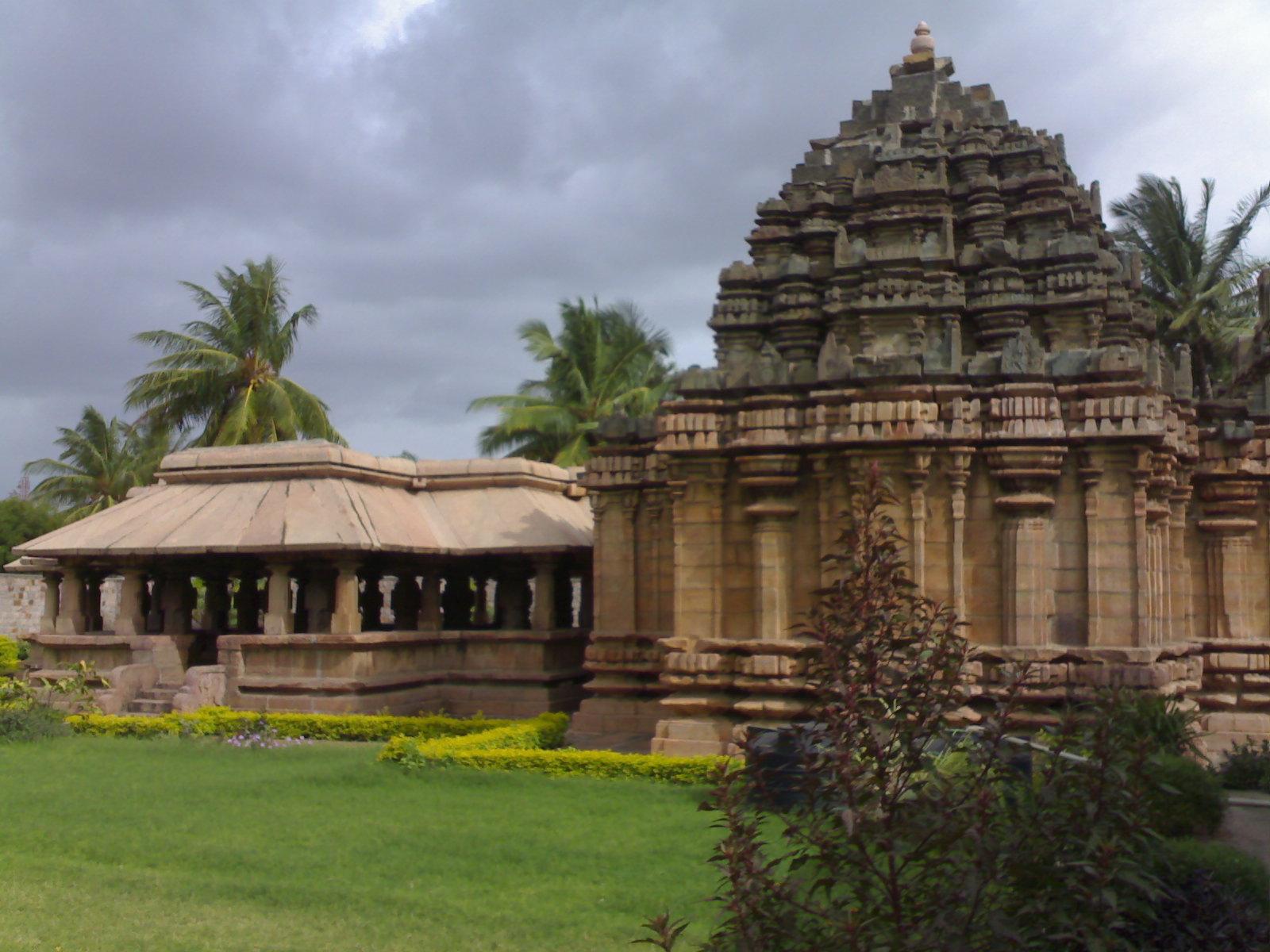
An intriguing aspect of Savadatti Fort is the presence of a smaller square-shaped fort within the main structure. This inner fort mirrors the outer one in miniature, featuring corner bastions and a gateway reached by steps. At its center lies the historic Kadasiddheshwara Temple, a fine example of artistry and devotion.
The temple’s eaves display over 200 ornamental carvings, mainly in geometric designs, some of which are still painted.
A large pond with high parapet walls is also located within this inner fort, historically serving as a dependable source of clean water.
Present Status
The fort has undergone restoration efforts, ensuring its accessibility to the public. Though parts of it remain weathered by time, its stone walls, bastions, and temples still narrate stories of resilience and power. For visitors, the fort offers not only historical intrigue but also sweeping views of the Savadatti landscape.
How to Reach Savadatti Fort
By Air
The nearest airport is the Hubballi Airport, located approximately 70–80 km from Saundatti. Taxis and buses are available from the airport to reach the fort.
By Train
The nearest major railway stations are:
- Dharwad Railway Station – about 40 km away
- Belagavi Railway Station – about 80 km away
Regular buses and taxis connect these cities with Saundatti.
By Road
Saundatti is well connected by road to Belagavi, Dharwad, Hubballi, and other nearby towns. Karnataka State Road Transport Corporation (KSRTC) and private buses operate regular services. Visitors can also drive directly to the fort, as a motorable road leads close to the main entrance.
Nearby Attractions
Explore these attractions around Savadatti Fort.
1. Shree Renuka Yallamma Devi temple
One of Karnataka’s most revered pilgrimage sites, dedicated to Goddess Renuka Yellamma. The temple attracts thousands of devotees throughout the year and is especially crowded during major festivals.
2. Parasgad Fort
Located near Yadravi village, this historic hill fort offers trekking opportunities, ancient ruins, and panoramic views of the surrounding countryside.
3. Dabdabi Falls
A seasonal waterfall near Saundatti that becomes particularly attractive during and after the monsoon season.
4. Varavi Siddheshwara Falls
A scenic waterfall surrounded by greenery, popular among nature lovers and photographers.
5. Sangameshvar waterfall
A peaceful natural attraction ideal for short excursions and enjoying the monsoon landscape.
6. Sunset Point Parasgad
A viewpoint near Parasgad Fort that offers beautiful sunset vistas and sweeping views of the hills.
7. Basaveshwara Circle, Karikatti Cross, Savadatti
An important local landmark that reflects the cultural significance of the region.
Google Maps
FAQs
What is Savadatti Fort famous for?
Savadatti Fort is known for its historical architecture, fortified walls, bastions, gateways, and the Kadasiddheshwara Temple located within the fort complex.
Who built Savadatti Fort?
The fort was constructed in the 18th century by the Desai rulers of the region and later played a role in the area’s military history.
Is there an entry fee for Savadatti Fort?
Generally, the fort can be visited without a significant entry fee, though visitors should verify current local regulations before traveling.
What is the best time to visit Savadatti Fort?
The ideal time is from October to February when the weather is pleasant. The monsoon season also enhances the beauty of the surrounding hills and waterfalls.
How much time is needed to explore the fort?
Most visitors spend 1–2 hours exploring the fort, its gateways, ramparts, temples, and viewpoints.
Is the fort suitable for families?
Yes. Families, history enthusiasts, and photographers can comfortably explore the fort, though some sections involve climbing steps and uneven terrain.
Are guides available at the fort?
Local guides may occasionally be available, particularly during weekends and tourist seasons, but availability is not guaranteed.
Can photography be done inside the fort?
Yes. The fort’s architecture, bastions, temples, and panoramic views make it a great destination for photography.
Is parking available near the fort?
Yes. Since a road leads close to the main entrance, visitors can generally find parking near the fort premises.
Can Savadatti Fort and Yellamma Temple be visited on the same day?
Yes. Both attractions are located near Saundatti town and can easily be covered in a single day trip.