About Kudalasangama
Kudalasangama is one of the most important spiritual destinations in northern Karnataka. Nestled in the Bagalkot district, this sacred town stands at the confluence of the Krishna and Malaprabha rivers, a meeting point that has been revered for centuries in Hindu tradition. The word “Kudalasangama” itself translates to “the confluence of rivers,” and the site beautifully reflects the harmony between nature and spirituality.
Surrounded by calm waters and open landscapes, Kudalasangama attracts pilgrims, history enthusiasts, and travelers seeking peace and cultural depth. While the rivers form the geographical heart of the place, its spiritual identity is deeply connected to the Lingayat faith and the teachings of the great 12th-century philosopher and social reformer Basavanna.
The atmosphere here is serene and deeply devotional. Pilgrims often spend hours sitting along the riverbanks, listening to temple bells and watching the rivers merge into one flow. The combination of natural beauty and spiritual importance gives Kudalasangama a unique identity among Karnataka’s pilgrimage centers.
Mythological and Religious Importance
Kudalasangama is not merely a place where two rivers meet; in spiritual belief, it symbolizes the union of the soul with the divine. According to Lingayat traditions, Basavanna attained “Aikya,” or union with God, at this sacred confluence after leaving Kalyana. Because of this belief, the site is considered one of the holiest places for followers of the Lingayat faith.
The presiding deity of the region is Sangamanatha Temple, dedicated to Lord Shiva in the form of a Linga known as Sangamanatha. Devotees worship the deity with immense reverence and believe that visiting this temple purifies the mind and soul. Many pilgrims take a ritual dip at the river confluence before entering the temple complex, considering the waters sacred.
Religious scholars often describe Kudalasangama as a center of spiritual awakening because Basavanna’s teachings focused on equality, devotion, simplicity, and social justice rather than rigid rituals or caste divisions. Even today, devotees chant vachanas written by Basavanna that frequently mention “Kudalasangama Deva,” reflecting his deep emotional and spiritual connection to this sacred place.
Historical Significance and Basavanna’s Legacy
Kudalasangama occupies a special place in the history of Karnataka because of its close association with Basavanna and the rise of the Veerashaiva/Lingayat movement. During the 12th century, Basavanna emerged as a visionary thinker who challenged social inequalities and promoted a society based on equality and devotion.
His teachings inspired thousands of followers across Karnataka and beyond. Through his simple yet powerful vachanas—short poetic verses written in Kannada—Basavanna encouraged people to look beyond caste barriers and focus on moral living and devotion to Shiva.
After spending years in Kalyana, Basavanna is believed to have traveled to Kudalasangama, where he ultimately attained spiritual union with God. This event transformed the town into a major pilgrimage center for Lingayats. Today, thousands of devotees visit the site every year to pay homage to his legacy and philosophy.
Kudalasangama is also important from a cultural perspective because it preserves the memory of a social reform movement that promoted dignity, equality, and human values centuries ahead of its time.
The Sangamanatha Temple Complex
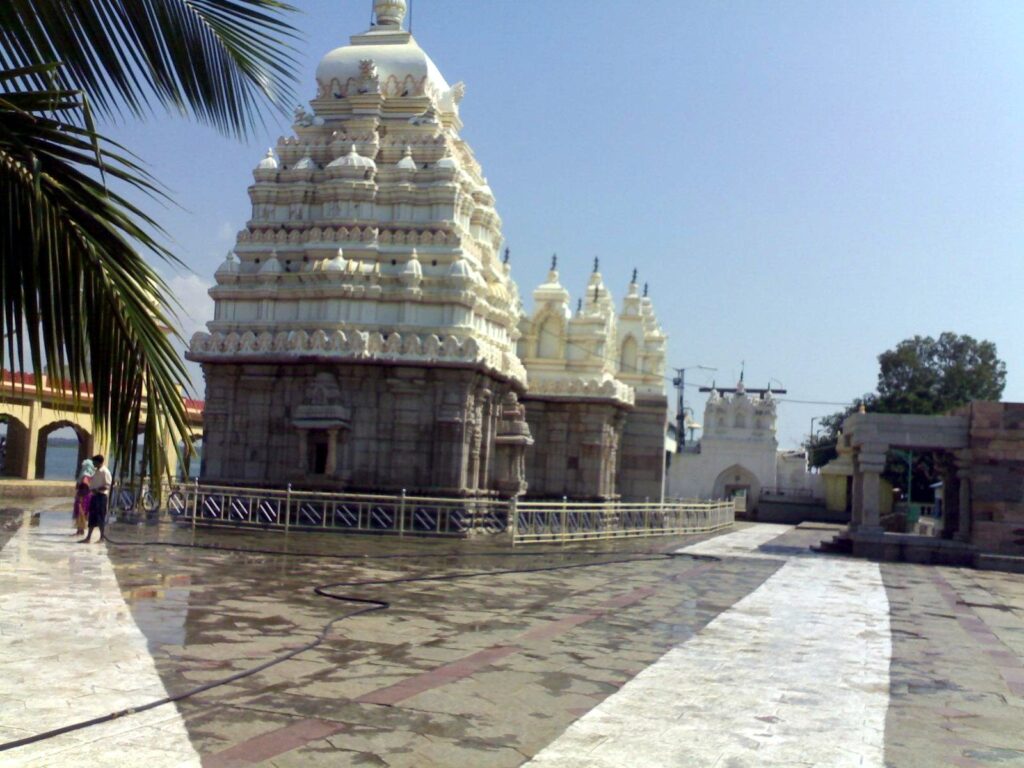
The heart of Kudalasangama is the ancient Sangamanatha Temple, which stands close to the river confluence. Built primarily in the Chalukyan architectural style, the temple showcases stone carvings, traditional pillars, and a simple yet spiritually powerful design. Over the centuries, the structure has undergone renovations, but it still retains much of its historical charm.
Inside the sanctum lies the sacred Shiva Linga of Sangamanatha, worshipped daily by pilgrims and priests. The sound of devotional chants and the flowing rivers surrounding the temple create a peaceful atmosphere that leaves a lasting impression on visitors.
One of the most significant structures within the complex is the Aikya Mantapa, believed to mark the place where Basavanna attained union with the divine. The mantapa is located near the riverbed and holds immense emotional and spiritual value for devotees.
The temple complex also includes:
A large statue of Basavanna
Shrines dedicated to Lingayat saints
Spacious prayer halls for devotees
Riverfront pathways and meditation areas
Facilities for pilgrims and visitors
The blend of spirituality, architecture, and riverside scenery makes the temple complex both sacred and visually captivating.
Festivals and Pilgrimage Culture
Kudalasangama becomes especially vibrant during Basava Jayanthi, the birth anniversary celebration of Basavanna. During this festival, thousands of devotees gather to participate in religious processions, devotional singing, spiritual discussions, and community prayers.
Pilgrims from Karnataka, Maharashtra, Telangana, and other parts of India visit the site throughout the year. Many travelers combine their visit with nearby places connected to Basavanna’s life, including Basavana Bagewadi, his birthplace, and Kalyana, where he spread his social and spiritual teachings.
The Karnataka government and the Kudalasangama Development Board have improved infrastructure around the site, making it easier for pilgrims and tourists to access the temple, accommodation facilities, and riverfront areas.
Natural Beauty Around Kudalasangama
Apart from its religious importance, Kudalasangama is also admired for its peaceful natural setting. The meeting point of the Krishna and Malaprabha rivers creates a scenic landscape, especially during sunrise and sunset. During the monsoon season, the rivers swell with water, making the confluence even more dramatic and beautiful.
The surrounding region features open plains, rocky terrain, and quiet riverbanks that provide a refreshing escape from busy urban life. Visitors often enjoy boat rides, photography, and quiet walks along the riverfront.
Nearby attractions include the famous Almatti Dam, which is located around 15 km away and is known for its scenic reservoir and gardens.
Best Time to Visit Kudalasangama
The ideal time to visit Kudalasangama is between October and February, when the weather remains pleasant and comfortable for sightseeing and temple visits. The monsoon season from July to September also offers beautiful river views, although occasional heavy rains may affect travel plans.
Summer months can become quite hot, especially during April and May, so early morning or evening visits are recommended during that period.
How to Reach Kudalasangama
By Road
Kudalasangama is well connected by road to major cities and towns in Karnataka. It is located approximately:
15 km from Almatti
30 km from Bagalkot
80 km from Vijayapura
200 km from Hubballi
Regular buses, taxis, and private vehicles can easily reach the destination.
By Rail
The nearest railway stations are:
Bagalkot.
Vijayapura.
From these stations, local transport and taxis are available to Kudalasangama.
By Air
The nearest airports are:
Hubballi Airport — around 200 km away.
Belagavi Airport — around 250 km away.
Nearby Attractions of Kudalasangama
1. Aikya Mantapa
Located within the Kudalasangama complex, Aikya Mantapa is the sacred memorial of the 12th-century philosopher and social reformer Basavanna. Situated at the confluence of the Krishna and Malaprabha rivers, this serene structure is one of the most important pilgrimage sites for followers of the Lingayat faith.
2. Sangameshwara Temple
This ancient temple dedicated to Lord Shiva stands near the river confluence and is believed to predate the Kalyana Chalukya period. The temple’s historical significance and peaceful setting make it a major attraction for pilgrims and history enthusiasts.
3. Basava Museum
The museum showcases the life, teachings, and contributions of Basavanna through exhibits, manuscripts, sculptures, and educational displays. It provides valuable insight into the Lingayat movement and Karnataka’s cultural heritage.
4. Krishna–Malaprabha River Confluence
The meeting point of the Krishna and Malaprabha rivers is the spiritual heart of Kudalasangama. Visitors often spend time enjoying the scenic views, peaceful atmosphere, and religious significance of the sangam.
5. Almatti Dam
Located about 25 km from Kudalasangama, Almatti Dam is one of the largest dams built across the Krishna River. The reservoir, landscaped gardens, and viewpoints attract tourists throughout the year.
6. Badami
Around 70 km away, Badami is famous for its rock-cut cave temples, Agastya Lake, Bhutanatha Temple Complex, and historic Chalukyan monuments.
7. Pattadakal
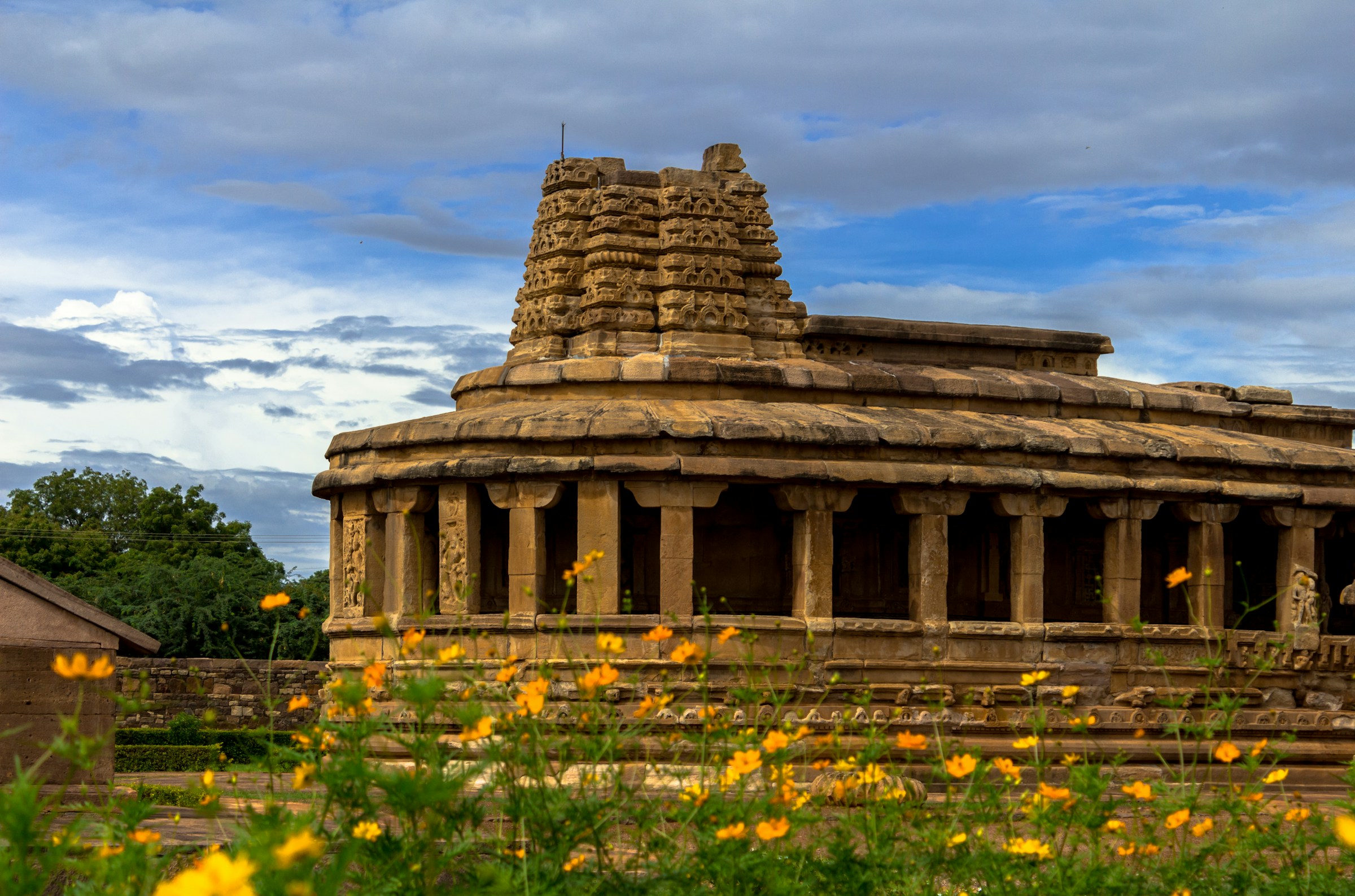
A UNESCO World Heritage Site located about 80 km from Kudalasangama, Pattadakal is renowned for its beautifully preserved Chalukyan temples and architectural heritage.
8. Aihole
Known as the “Cradle of Indian Temple Architecture,” Aihole features more than 100 ancient temples and monuments dating back to the Chalukya era.
9. Mahakuta Temple Complex
Nestled amidst hills near Badami, this ancient temple complex is known for its historic shrines, natural spring-fed tank, and tranquil surroundings.
10. Banashankari Temple
Dedicated to Goddess Banashankari, this famous temple near Badami is an important religious destination and is known for its annual fair and historic architecture.
Google Maps
FAQs
1. Where is Kudalasangama located?
Kudalasangama is located in Bagalkot district of Karnataka, at the confluence of the Krishna and Malaprabha rivers.
2. Why is Kudalasangama famous?
It is famous as the place where Basavanna attained Aikya (spiritual union) and for being an important pilgrimage center of the Lingayat community.
3. What does the name Kudalasangama mean?
“Kudala” means meeting point and “Sangama” means confluence, referring to the confluence of the Krishna and Malaprabha rivers.
4. Who was Basavanna?
Basavanna was a philosopher, poet, social reformer, and founder of the Lingayat movement who advocated equality, social justice, and devotion to Lord Shiva.
5. What are the temple timings at Kudalasangama?
The temple complex is generally open from early morning until evening, though timings may vary during festivals and special occasions.
6. Is there an entry fee to visit Kudalasangama?
No, entry to the Kudalasangama temple complex is generally free for visitors.
7. What is the best time to visit Kudalasangama?
The best time to visit is from October to March when the weather is pleasant for sightseeing and pilgrimage.
8. How much time is needed to explore Kudalasangama?
Most visitors spend 2–4 hours exploring the temple complex, Aikya Mantapa, museum, and river confluence.
9. Are boating facilities available at Kudalasangama?
Boating services may be available depending on river conditions and local management policies. Visitors should check availability upon arrival.
10. Can Kudalasangama be combined with a trip to Badami, Aihole, and Pattadakal?
Yes. Many travelers include Kudalasangama along with Badami, Aihole, Pattadakal, and Almatti Dam as part of a heritage and pilgrimage circuit in northern Karnataka.