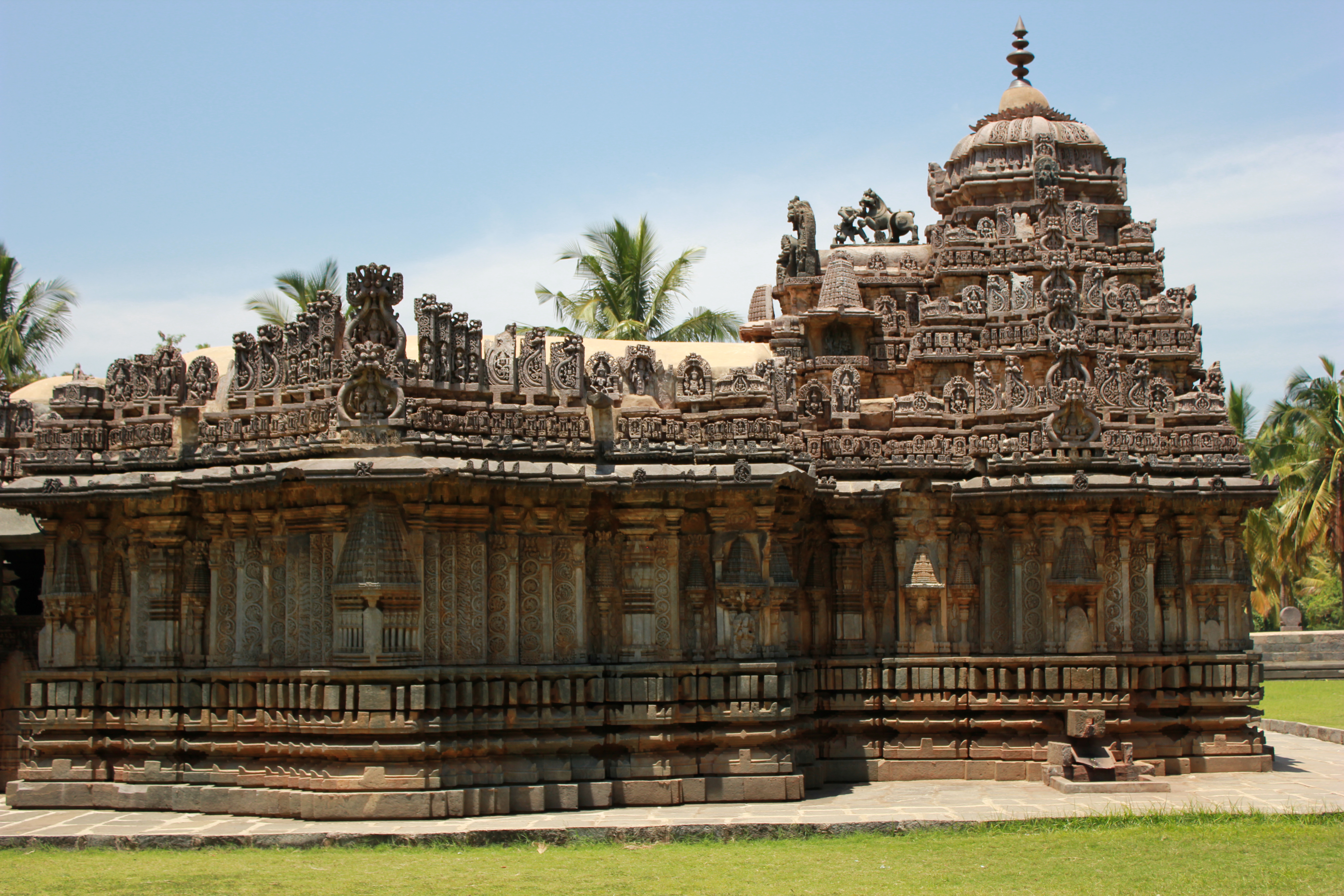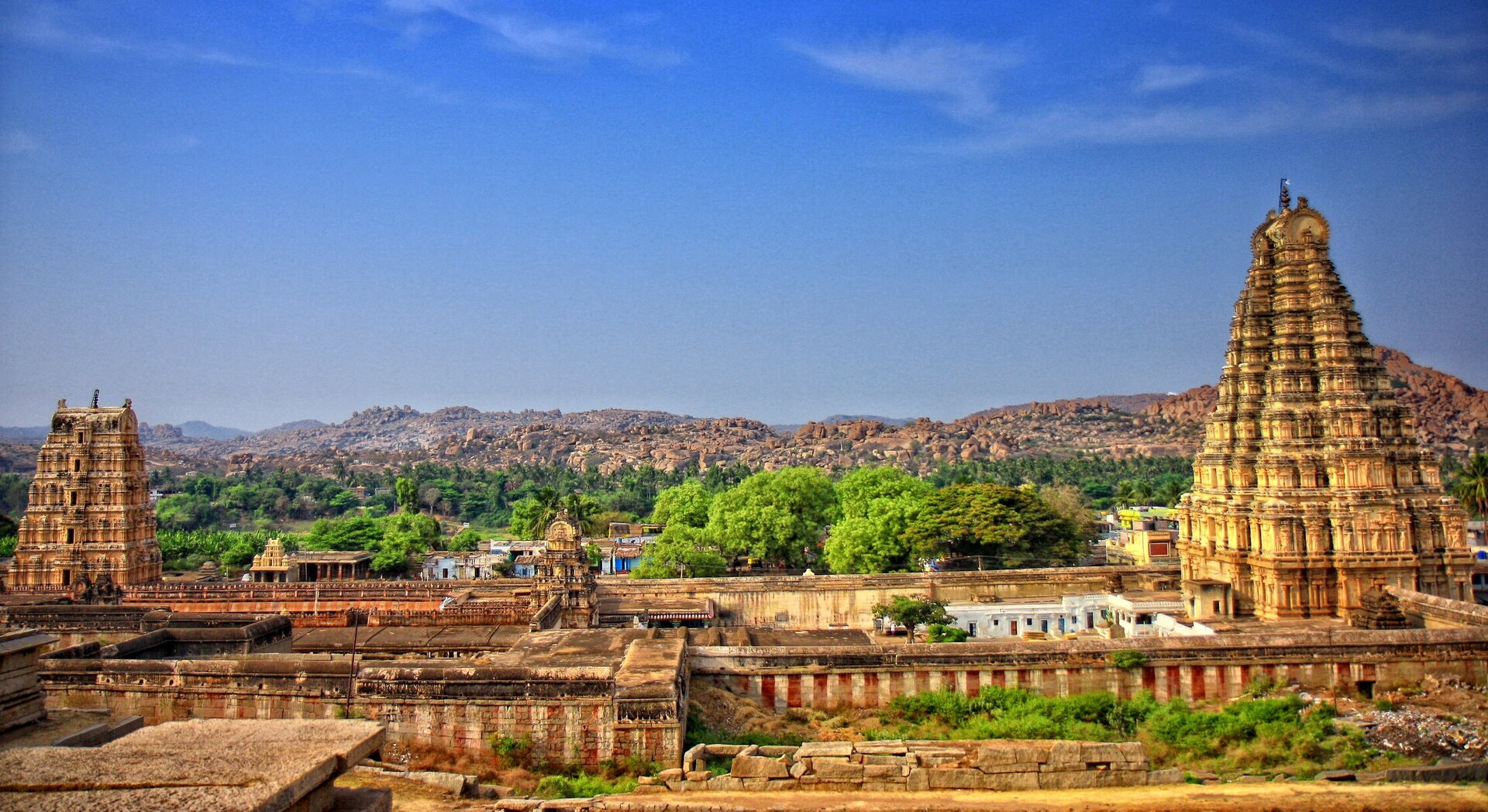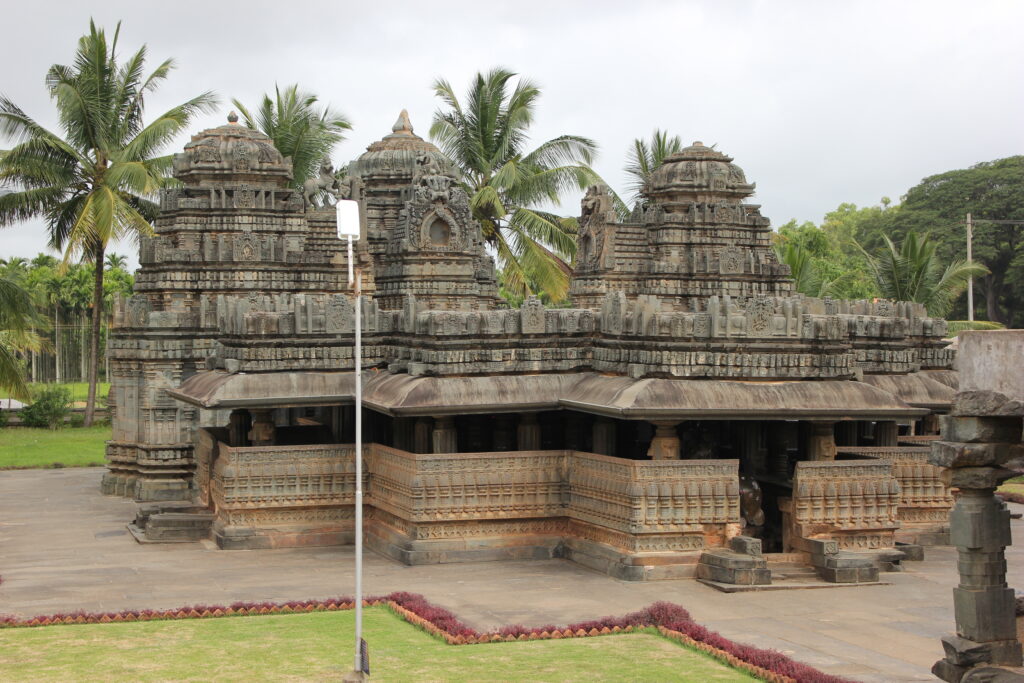
Image Source: Dineshkannambadi
About Kedareshvara Temple
Balligavi, often called the “Dakshina Kedara” or the “Little Kashi of the South,” is a historic town in Shikaripura Taluk, Shivamogga district, Karnataka. Once a thriving religious and cultural hub under the Western Chalukyas and later the Hoysalas, it is home to several important monuments.
Among them, the Kedareshvara Temple, dedicated to Lord Shiva, stands as a remarkable example of 11th-century Western Chalukya architecture.
History
The temple was built around 1060 CE during the reign of the Western Chalukya king Someshvara I. Inscriptions found here associate the shrine with the Chalukyas of Kalyana, who were prolific patrons of temple architecture across present-day Karnataka. Balligavi itself was renowned as a center of Shaivism, Vaishnavism, Buddhism, and Jainism, and was particularly associated with the Kalamukha Shaiva sect.
The Kedareshvara Temple’s dedication to Lord Shiva in the form of Kedara links it to the northern tradition of Kedarnath, giving Balligavi its epithet Dakshina Kedara. It was a major pilgrimage site in medieval Karnataka, visited by saints and scholars, and supported by successive dynasties including the Hoysalas and the Vijayanagara rulers.
Architecture
The temple showcases the mature Western Chalukya style that flourished between the 11th and 12th centuries, often described as the “transitional” style between early Chalukyan and Hoysala architecture.
Plan and Structure
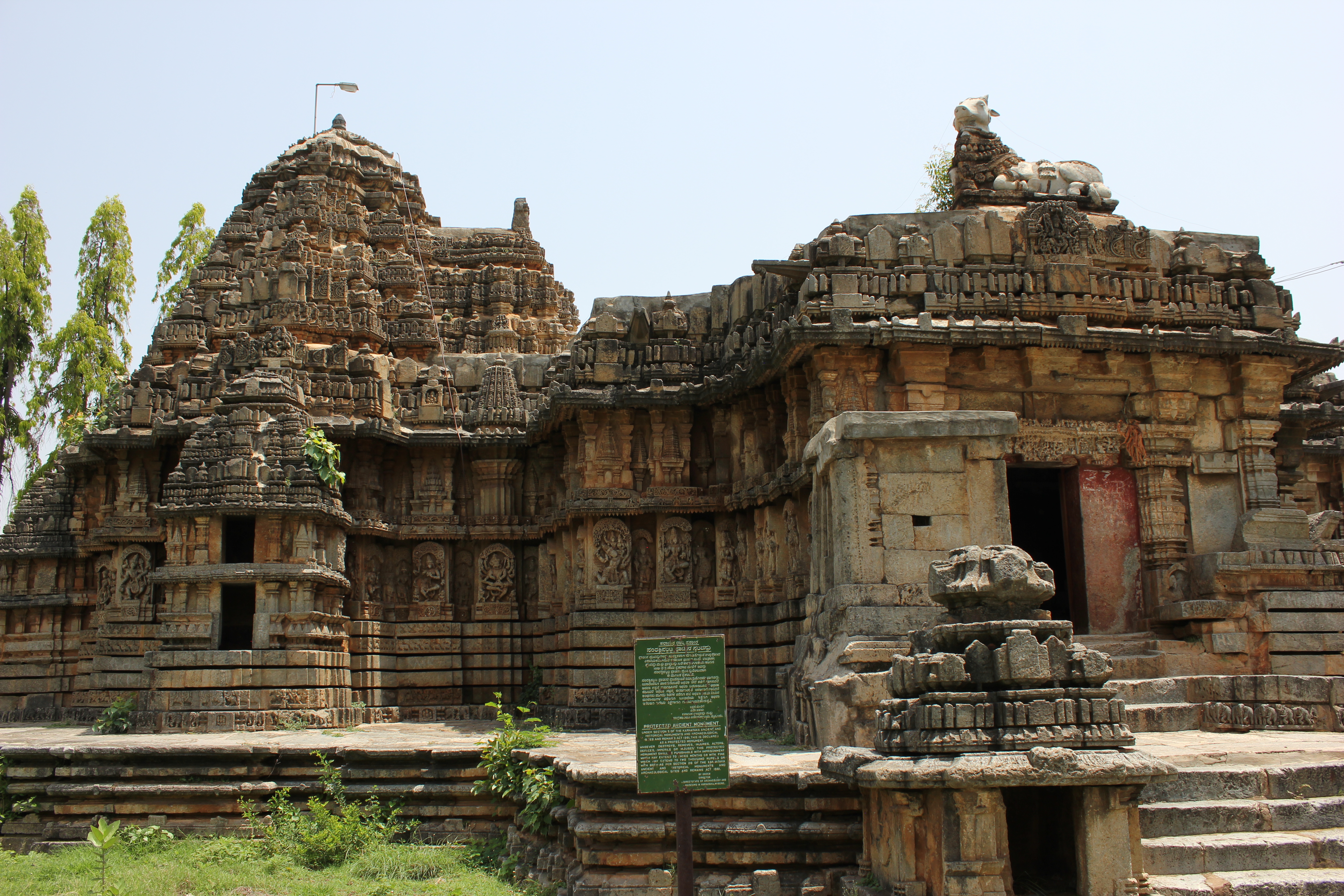
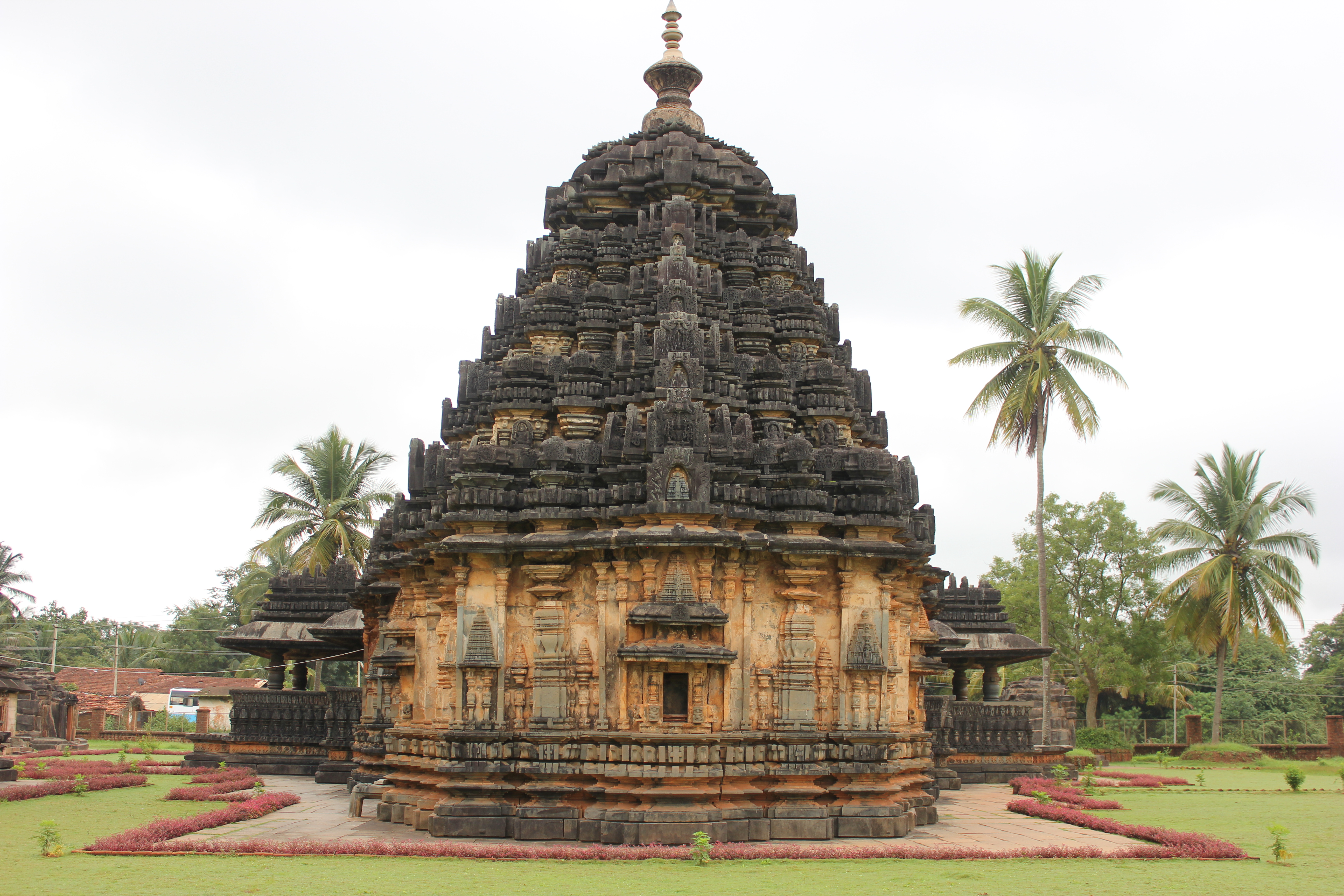
The temple is a trikuta (triple-shrined) monument. The three sanctums are aligned along the north, south, and west axes, each originally housing a linga.
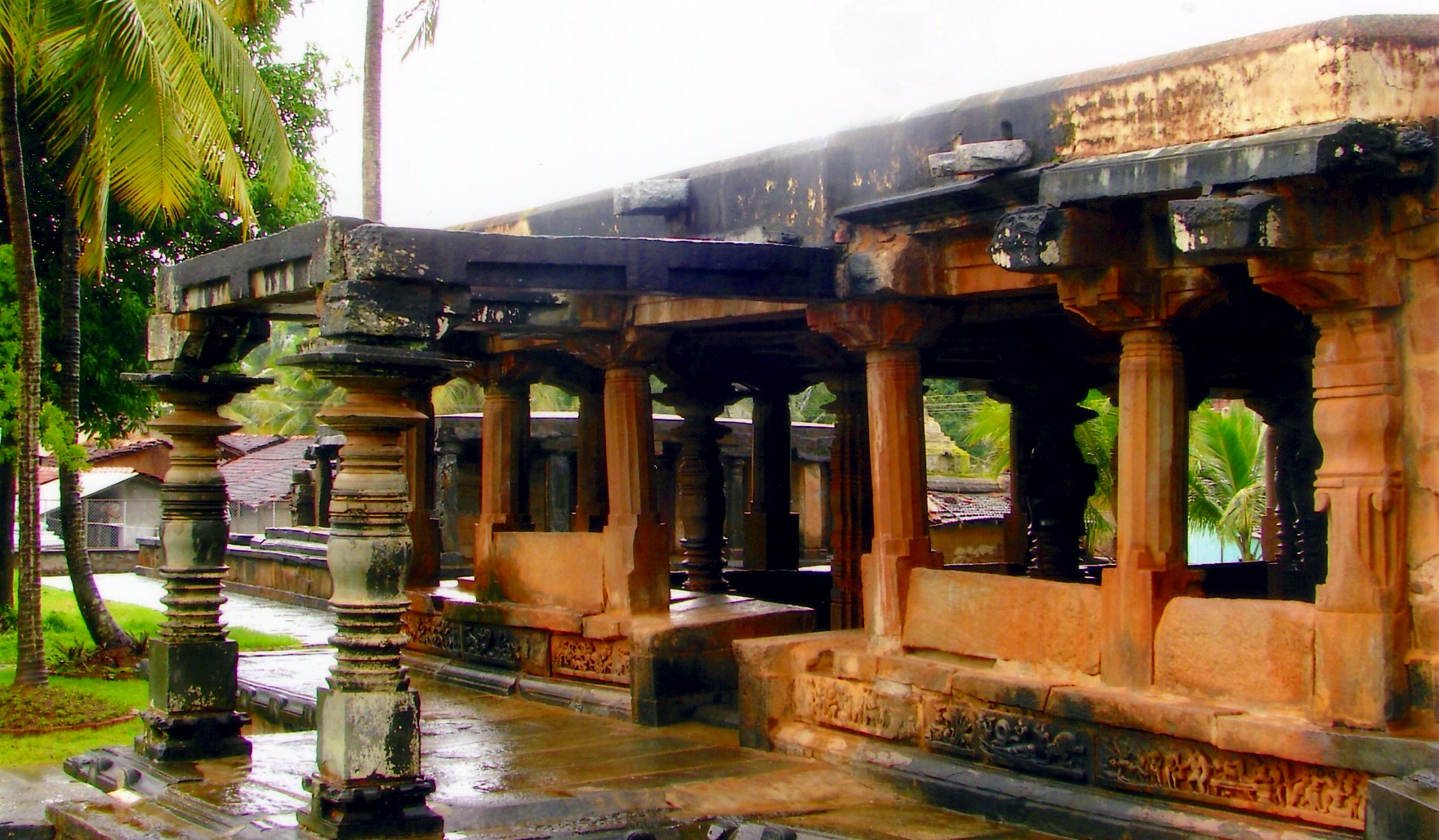
These sanctums open into a common hall (sabhamantapa) with multiple entrances.
The temple is built on a low platform (jagati), in soapstone, typical of Western Chalukya workmanship.
Shikharas (Towers):
The central shrine has a latina-style (rekhanagara) tower, while the other two towers exhibit simpler designs.
The sukhanasi (tower projection above vestibules) is ornamented with miniature shrines.
Pillars and Ceilings:
The hall contains lathe-turned pillars—a feature that would later be perfected by the Hoysalas.
The ceiling panels are decorated with lotuses and mythological motifs, displaying delicate craftsmanship.
Sculptural Program:
The walls are divided into pilasters supporting miniature aedicules, with carvings of Shaiva deities, guardians, and celestial figures.
The doorway to the sanctum is beautifully carved, featuring Gajalakshmi on the lintel.
Iconographic richness includes images of Dakshinamurti, Vishnu, Surya, and Sapta Matrikas, reflecting the syncretic worship practices of the region.
Unique Aspects
Trikuta Design: Unlike many Chalukya temples, Kedareshvara has three shrines, symbolizing a confluence of energies and offering multiple worship traditions under one roof.
Dakshina Kedara Legacy: Its association with Kedarnath elevated Balligavi to a pan-Indian pilgrimage network.
Blend of Styles: The temple displays the solidity of Chalukya architecture while hinting at the ornate detail that would later flourish under the Hoysalas.
Religious Crossroads: Balligavi was home not only to Shaiva temples but also to Jain basadis and Buddhist shrines, making Kedareshvara part of a diverse spiritual landscape.
How to Reach
By Road:
Balligavi is about 72 km from Shivamogga city, 30 km from Shikaripura, and 14 km from Soraba. It is well-connected by state highways and local roads.
By Rail:
The nearest railway stations are Shimoga Town and Haveri, from where Balligavi can be reached by taxi or bus.
By Air:
The closest airport is Hubballi Airport (130 km), while Kempegowda International Airport, Bengaluru is about 350 km away.
Nearby Attractions of Kedareshvara Temple
Located in the historic town of Halebidu in Karnataka’s Hassan district, Kedareshvara Temple is surrounded by several remarkable heritage and cultural sites that showcase the grandeur of the Hoysala Empire.
Hoysaleswara Temple
Situated less than a kilometer from Kedareshvara Temple, Hoysaleswara Temple is one of the finest examples of Hoysala architecture. Famous for its intricate carvings, sculpted walls, and detailed depictions of Hindu mythology, it is a UNESCO World Heritage Site and a must-visit destination for history and architecture enthusiasts.
Halebidu Archaeological Museum
Managed by the Archaeological Survey of India, this museum houses a rich collection of sculptures, inscriptions, coins, and artifacts recovered from the Hoysala period. It provides valuable insight into the region’s artistic and cultural heritage.
Jain Basadis of Halebidu
These beautifully preserved Jain temples are known for their elegant architecture and peaceful atmosphere. The Basadis reflect the religious diversity that flourished under Hoysala patronage.
Chennakeshava Temple
Located about 16 km from Halebidu, this magnificent temple is another masterpiece of Hoysala architecture. Dedicated to Lord Vishnu, it is renowned for its exquisite stone carvings and sculptural details. Visitors often combine Belur and Halebidu in a single trip.
Yagachi Dam
A scenic spot near Belur, Yagachi Dam offers boating, water sports, and beautiful views of the surrounding countryside.
Shettihalli Rosary Church
Popularly known as the “Floating Church,” this unique submerged church is located near Hassan and makes for an interesting historical excursion.
Google Maps
FAQs
What is Kedareshvara Temple famous for?
Kedareshvara Temple is famous for its exceptional Hoysala architecture, star-shaped platform, intricate soapstone carvings, ornate pillars, and detailed sculptures depicting both Shaiva and Vaishnava traditions.
Who built Kedareshvara Temple?
The temple was commissioned by Hoysala King Veera Ballala II and Queen Ketaladevi during the late 12th and early 13th centuries.
Which deity is worshipped in Kedareshvara Temple?
The temple is dedicated to Lord Shiva, worshipped here as Kedareshvara or Ishwara.
Where is Kedareshvara Temple located?
The temple is situated in Halebidu, a historic town in Hassan district of Karnataka, approximately 32 km from Hassan city.
How much time is required to explore the temple?
Visitors generally spend between 45 minutes and 1 hour exploring the temple, appreciating its architecture, carvings, and historical significance.
What is the best time to visit Kedareshvara Temple?
The ideal time to visit is from October to March when the weather is pleasant and suitable for sightseeing around Halebidu and Belur.
Is photography allowed inside the temple complex?
Yes, photography is generally permitted in the temple premises, making it a favorite destination for heritage and architecture photographers.
Can Kedareshvara Temple and Hoysaleswara Temple be visited together?
Yes. Since the two temples are located very close to each other, visitors typically explore both monuments during the same visit.
Is there an entry fee?
The temple complex is generally open to visitors without any significant entry fee, though charges may vary for museum visits or special archaeological sites nearby.
Why is Kedareshvara Temple important historically?
The temple represents the artistic peak of the Hoysala Empire and is considered one of the finest surviving examples of medieval South Indian temple architecture. It is also protected by the Archaeological Survey of India as a monument of national importance.