Howrah
Howrah is a bustling urban hub famous for the iconic Howrah Bridge, industrial heritage, and cultural landmarks. Located on the western bank of the Hooghly River, It’s one of the most important district of west Bengal. While it is primarily recognized as an industrial and transport center, Howrah also offers historic sites, riverfront attractions, and local markets, making it appealing to travelers interested in urban exploration, architecture, and local life.
Geography and Overview
Howrah lies in the southern part of West Bengal, just across the Hooghly River from Kolkata. It features a flat alluvial plain, crisscrossed by rivers and canals. The district experiences a tropical climate with hot summers, humid monsoons, and mild winters. Its strategic location as a transport and trade hub makes it easily accessible from Kolkata and other parts of India.
History
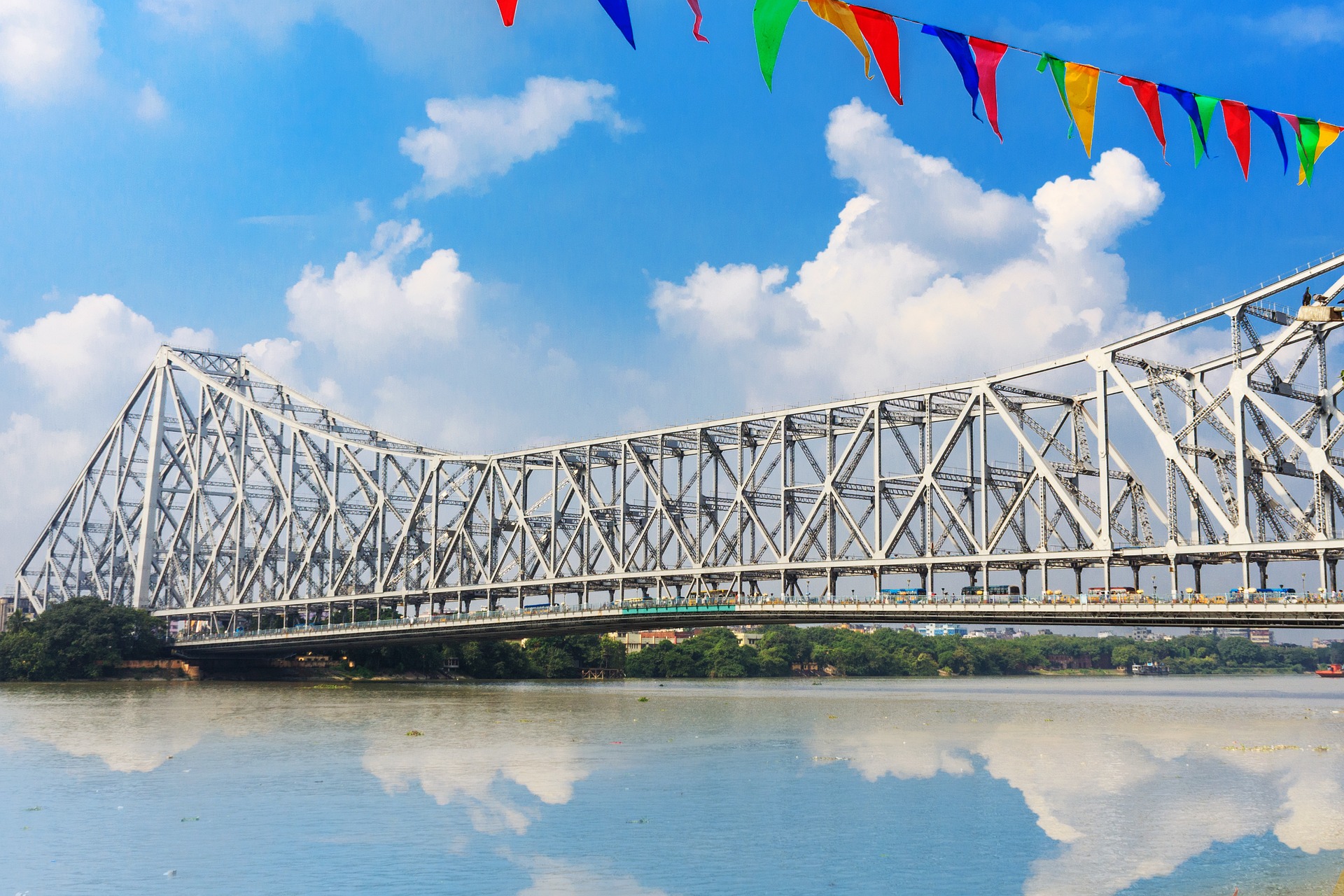
Howrah has a rich history that dates back to the British colonial period, serving as a major industrial and trade center. The district developed rapidly with the establishment of railways, jute mills, and river trade facilities. The Howrah Bridge (Rabindra Setu), built in 1943, stands as a symbol of the district’s engineering and historical significance. Howrah has also been a witness to cultural exchanges and urban development influenced by both Bengali and colonial legacies.
Culture and Lifestyle
Howrah reflects a blend of traditional Bengali culture and modern urban lifestyle. Festivals like Durga Puja, Kali Puja, and Saraswati Puja are celebrated with great fervor. The district is known for local markets, street food, and artisan workshops, showcasing the vibrant everyday life of residents. Traditional Bengali cuisine, sweets, and snacks such as rosogolla, shingara, and telebhaja are widely available.
Best time to visit
The best time to visit Howrah is from October to March, during winter and early spring when the weather is comfortable for sightseeing and outdoor activities.
Winter (October–March): Ideal for exploring landmarks, temples, and riverfront areas.
Summer (April–June): Hot and humid; morning and evening sightseeing recommended.
Monsoon (July–September): Heavy rainfall may affect travel, though the district looks lush and green.
Top Attractions in Howrah
Howrah Bridge (Rabindra Setu): An iconic cantilever bridge connecting Howrah to Kolkata, famous for its architectural grandeur and bustling traffic.
Belur Math: A serene riverside ashram and headquarters of the Ramakrishna Mission, blending Hindu, Christian, and Islamic architectural styles.
Dakshineswar Kali Temple: A famous temple dedicated to Goddess Kali, located on the eastern banks but easily accessible from Howrah.
Shibpur Botanical Garden (Indian Botanic Garden): Known for its giant Great Banyan Tree and diverse flora.
Santragachi Jheel: A scenic wetland ideal for birdwatching, photography, and nature walks, especially during migratory season.
Local Markets: Howrah is famous for handloom textiles, electronics, and street shopping, particularly in areas like Howrah Station and Bally.
Things to Do in Howrah
Walk across the iconic Howrah Bridge and enjoy panoramic views of the Hooghly River.
Visit Belur Math and Dakshineswar Kali Temple for spiritual experiences and architecture appreciation.
Explore Shibpur Botanical Garden to enjoy nature, photography, and greenery.
Go birdwatching at Santragachi Jheel, especially in winter when migratory birds visit.
Shop at local markets for textiles, handicrafts, and souvenirs.
Enjoy street food and local Bengali delicacies across Howrah and nearby Kolkata areas.
How to Reach Howrah?

BY ROAD
Well-connected via NH16, NH19, and state highways.

BY TRAIN
Howrah Junction is one of India’s busiest railway stations.

BY AIR
The nearest airport is Netaji Subhas Chandra Bose International Airport, Kolkata (around 20 km).
Top Tourist Attractions in Howrah
Howrah, a bustling district in West Bengal, is renowned for its industrial heritage, historic landmarks, and proximity to Kolkata’s cultural hubs. Famous for attractions like the iconic Howrah Bridge, Belur Math, Dakshineswar Kali Temple, and Millennium Park, Howrah attracts history enthusiasts, architecture lovers, and spiritual travelers. The top tourist attractions in Howrah offer a captivating blend of historic significance, riverfront beauty, and cultural experiences.