Image Source: Kinjal bose 78
About Jorasanko Thakur Bari
Jorasanko Thakur Bari is one of the most treasured cultural landmarks of Kolkata. Located in the historic northern part of the city, this grand ancestral mansion was home to the legendary Tagore family, whose influence shaped the cultural, literary, artistic, and social identity of Bengal during the 19th and early 20th centuries.
The mansion is best known as the birthplace of Rabindranath Tagore, the first Asian Nobel Laureate in Literature. His contributions to poetry, music, philosophy, education, and nationalism left a lasting impact not only on India but on the entire world. Even today, his songs, writings, and ideas continue to inspire millions across generations.
More than just a family residence, Jorasanko Thakur Bari became a center of intellectual discussions, artistic experimentation, and social reform. The house witnessed the rise of what is now known as the Bengal Renaissance — a remarkable period of cultural awakening that transformed Bengal into a hub of literature, art, science, and progressive thought.
Today, the mansion functions as a heritage museum and educational institution, preserving the legacy of the Tagore family and offering visitors a glimpse into one of the most influential households in Indian history.
Historical Background
The name “Jorasanko” comes from two wooden or bamboo bridges that once stood in the locality. In Bengali, jora means “pair,” while sanko means “bridge.” Over time, the area became known by this name, and the Tagore family residence came to be identified as Jorasanko Thakur Bari.
The mansion was originally established in the 18th century by Dwarkanath Tagore, a wealthy businessman, philanthropist, and one of the earliest Indian entrepreneurs to engage with European trading networks. He transformed the family into one of Bengal’s most influential households.
Later, under the guidance of Debendranath Tagore, father of Rabindranath Tagore, the mansion evolved into an intellectual and spiritual center. Debendranath was deeply associated with the Brahmo Samaj, a reformist movement that challenged social orthodoxy and promoted rational thinking, education, and spiritual reform.
The house regularly hosted literary gatherings, music performances, philosophical debates, and discussions on nationalism and social reform. Many leading thinkers, writers, artists, and reformers of the time visited the mansion, making it one of the most vibrant cultural spaces in colonial India.
Architectural Style and Layout
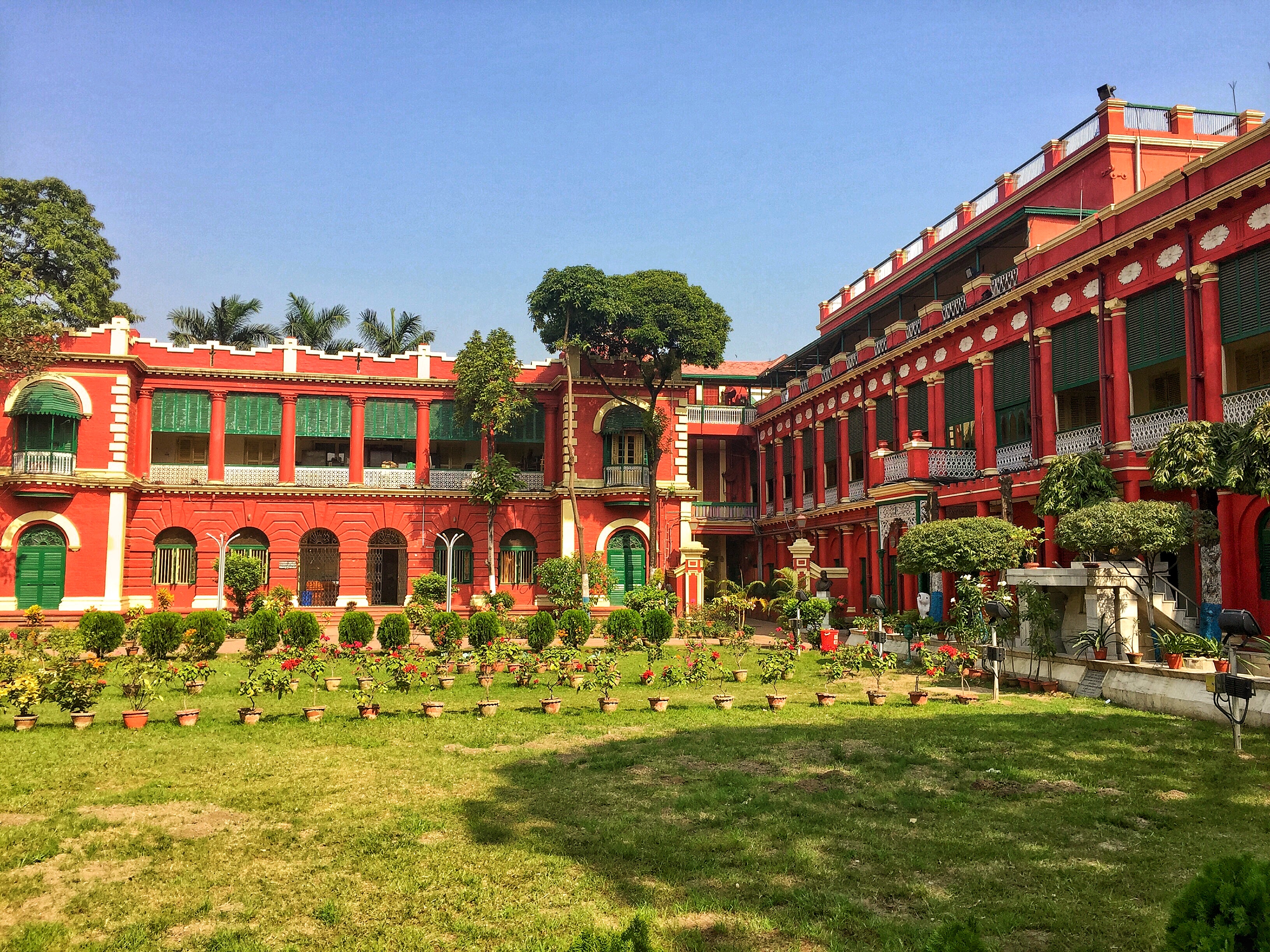
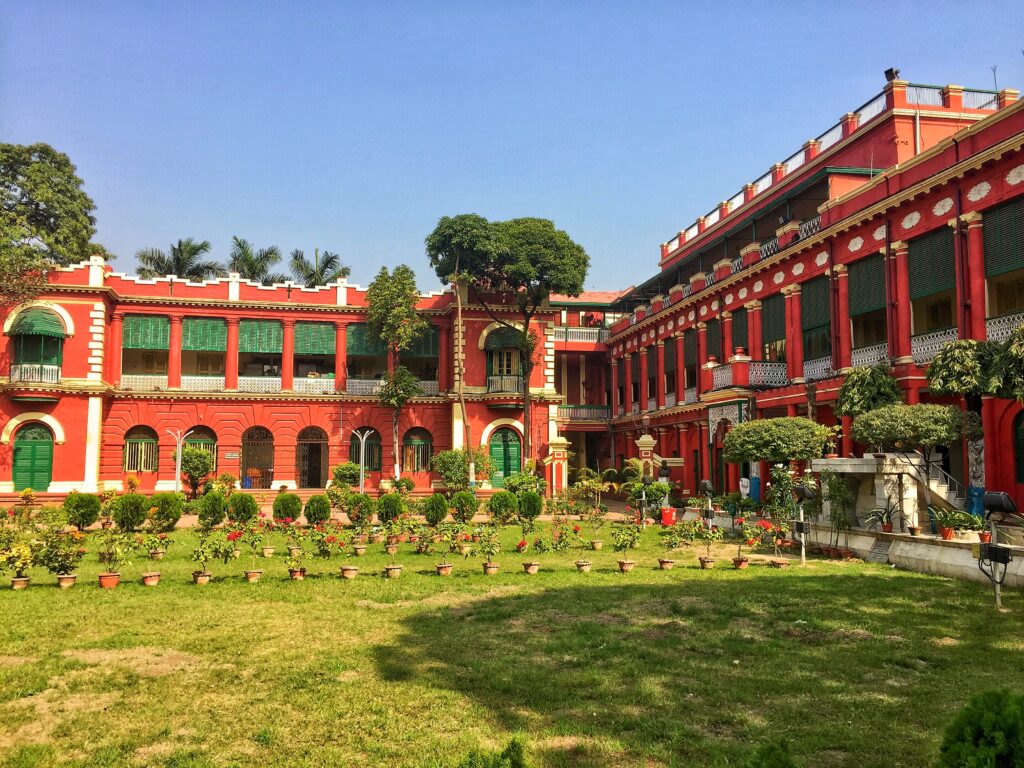
Jorasanko Thakur Bari is an elegant example of colonial-era Bengali architecture blended with traditional Indian aesthetics. The sprawling red-brick mansion features large courtyards, long verandas, decorative pillars, arched windows, and spacious halls that once echoed with poetry recitations and musical performances.
The mansion was designed around open spaces that allowed natural ventilation and served as gathering areas for family events and cultural activities. Despite the passage of time, the building still retains an old-world charm that reflects the grandeur of aristocratic Bengali households of that era.
Inside the mansion, visitors can explore several preserved rooms associated with the Tagore family. Rabindranath Tagore’s personal study, bedroom, manuscripts, letters, paintings, and everyday belongings are carefully maintained. Antique furniture, rare photographs, family portraits, and handwritten documents offer valuable insight into the artistic and intellectual environment in which the Tagores lived.
Walking through the corridors of the mansion feels like stepping back into a period when literature, music, and philosophy flourished within the walls of a single household.
Cultural and Literary Importance
Jorasanko Thakur Bari holds immense cultural significance because it served as the creative center of the Tagore family. It was here that Rabindranath Tagore composed many of his timeless poems, songs, essays, plays, and novels.
The mansion is also associated with the creation of “Jana Gana Mana,” which later became India’s national anthem. Tagore’s literary genius developed within this environment of art, music, spirituality, and intellectual freedom.
However, the contributions of the Tagore family extended far beyond Rabindranath alone. Members of the family excelled in painting, theater, literature, education, and social reform. They played a crucial role in promoting women’s education, modern art, and progressive social values during British rule.
The house became one of the major centers of the Bengal Renaissance, a cultural movement that encouraged scientific thinking, artistic innovation, and social awareness. Through literature, music, and reformist ideas, the Tagores helped shape modern Indian identity.
Even today, the mansion continues to celebrate Bengali culture through festivals, exhibitions, seminars, and performances. During Rabindra Jayanti, the birth anniversary of Rabindranath Tagore, the entire complex comes alive with Rabindra Sangeet performances, poetry recitals, dance programs, and cultural events attended by people from across the country.
Rabindra Bharati Museum
Today, Jorasanko Thakur Bari houses the Rabindra Bharati Museum, which is managed by Rabindra Bharati University. The university itself was established in 1962 to commemorate the birth centenary of Rabindranath Tagore.
The museum contains an extraordinary collection of manuscripts, paintings, letters, books, photographs, and personal artifacts belonging to the Tagore family. Visitors can see original handwritten notes, rare editions of Tagore’s works, musical instruments, and artworks created by family members.
Several galleries within the museum focus on different aspects of Tagore’s life, including his childhood, literary achievements, international travels, educational philosophy, and interactions with prominent global intellectuals. The exhibits provide a detailed understanding of how Tagore emerged as a global cultural figure.
Guided tours and educational programs help visitors appreciate the historical and artistic importance of the mansion in a deeper way.
Best Time to Visit
The ideal time to visit Jorasanko Thakur Bari is during the winter months, from October to March, when Kolkata experiences pleasant weather. Early mornings and late afternoons are particularly enjoyable for exploring the museum and surrounding heritage areas.
Visiting during Rabindra Jayanti celebrations in May offers a unique cultural experience, as the mansion hosts special performances and events dedicated to Tagore’s legacy.
Nearby Attractions
Visitors exploring Jorasanko Thakur Bari can also visit several nearby landmarks in Kolkata, including:
- Marble Palace.
- College Street.
- Indian Coffee House.
- Victoria Memorial.
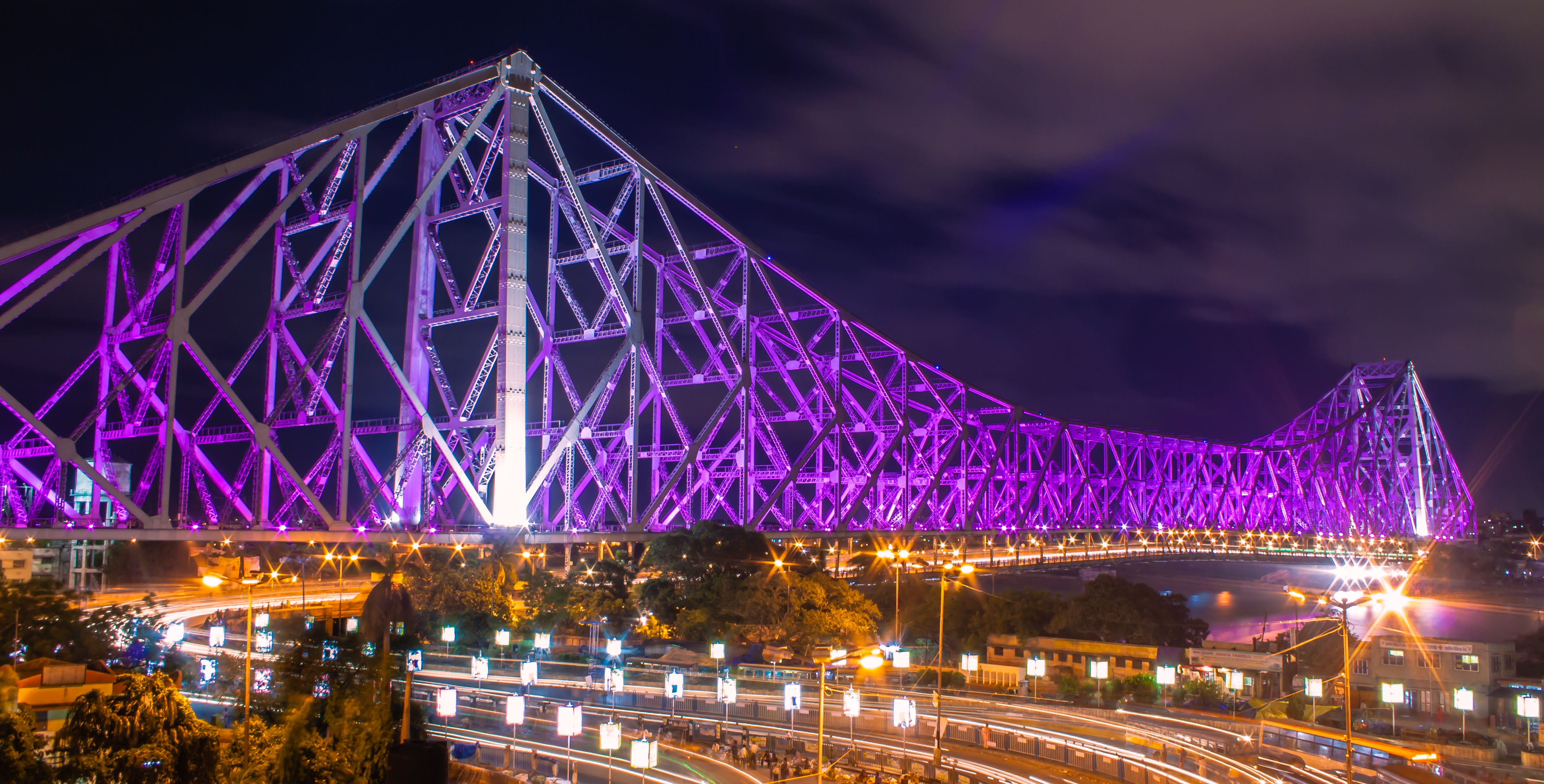
- Howrah Bridge.
These places together provide a deeper understanding of Kolkata’s artistic and historical heritage.
How to Reach Jorasanko Thakur Bari
By Road
The mansion is well connected by roads and can be easily reached by taxis, app-based cabs, auto-rickshaws, and local buses from different parts of Kolkata.
By Metro
The nearest metro station is Girish Park Metro Station, located within walking distance of the mansion.
By Rail
Sealdah Railway Station is the nearest major railway station, situated around 2 kilometers away.
By Air
The nearest airport is Netaji Subhash Chandra Bose International Airport, approximately 15 kilometers from the site.
Google Maps
FAQs
Why is Jorasanko Thakur Bari famous?
Jorasanko Thakur Bari is famous as the ancestral home of the Tagore family and the birthplace of Rabindranath Tagore, India’s first Nobel Laureate in Literature. It is also an important symbol of the Bengal Renaissance.
Who built Jorasanko Thakur Bari?
The mansion was established by Dwarkanath Tagore in the 18th century and later expanded by the Tagore family.
What can visitors see inside the museum?
Visitors can explore Rabindranath Tagore’s room, manuscripts, paintings, rare photographs, personal belongings, antique furniture, and galleries dedicated to the Tagore family’s cultural contributions.
What is the best time to visit Jorasanko Thakur Bari?
The best time to visit is between October and March when the weather in Kolkata is pleasant. Rabindra Jayanti celebrations in May are also popular among visitors.
Is photography allowed inside Jorasanko Thakur Bari?
Photography rules may vary in different sections of the museum. Visitors should check the latest guidelines at the entrance before taking photographs.
How much time is needed to explore Jorasanko Thakur Bari?
Most visitors spend around 1 to 2 hours exploring the museum and its galleries comfortably.
Why is the Tagore family important in Indian history?
The Tagore family contributed immensely to literature, music, painting, education, social reform, and nationalism. Their work played a major role in shaping modern Indian cultural identity.