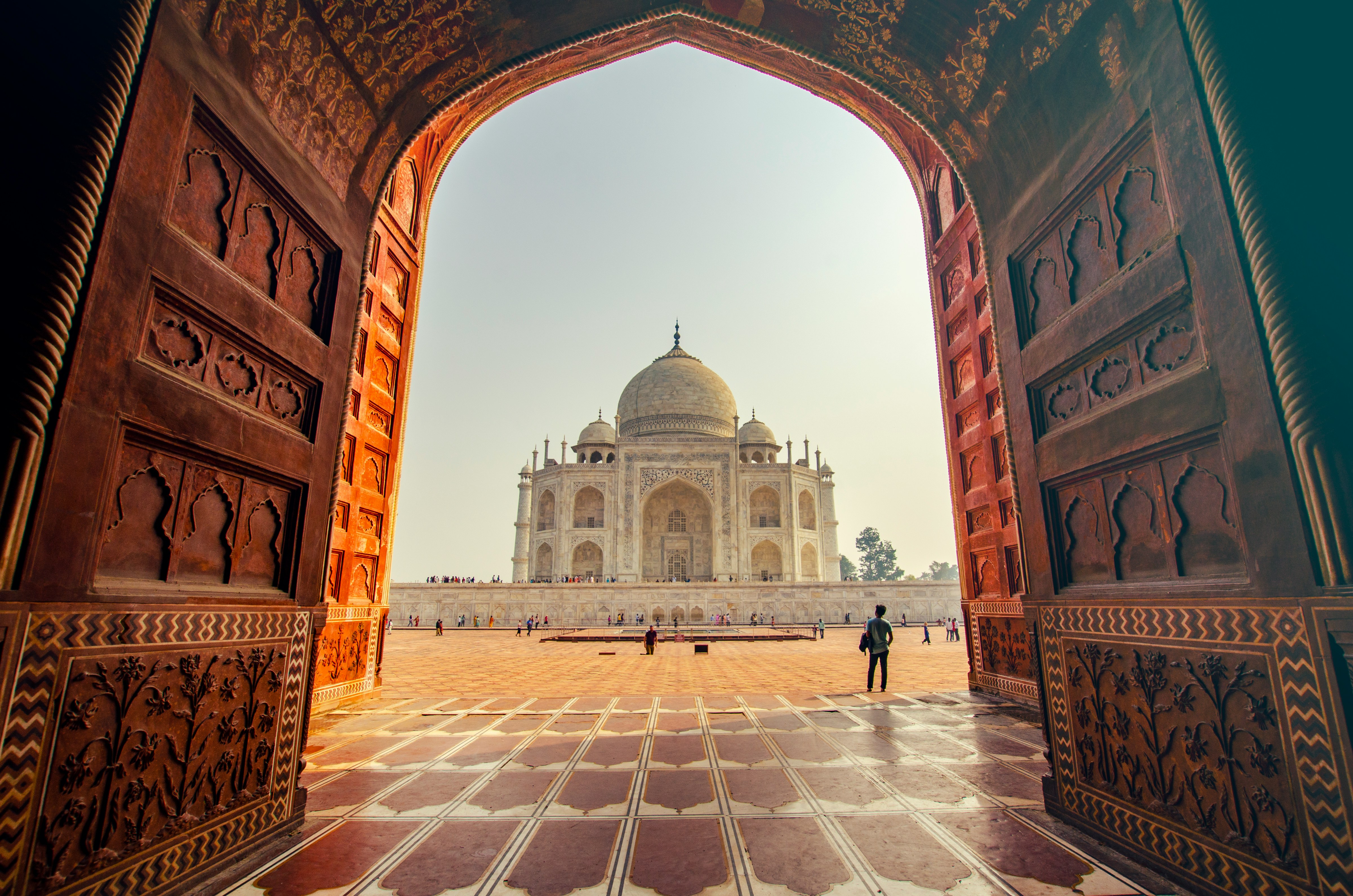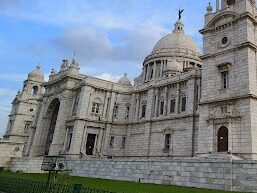
Image Source: Swapna Poria
About Fort William
Fort William, located on the eastern banks of the Hooghly River in Kolkata, stands as one of the most significant colonial-era military structures in India. Built by the British East India Company, the fort has been an enduring witness to the political, military, and cultural transformations of Bengal.
Unlike most forts in India which are heritage monuments, Fort William remains an active military establishment of the Indian Army, adding to its uniqueness. Its vast expanse, architectural grandeur, and historical relevance make it a landmark of immense significance in Kolkata.
History and Architecture
The original Fort William was constructed in 1696 but was later destroyed during the Battle of Plassey (1757). The present fort, a massive octagonal structure, was rebuilt between 1757 and 1781 after the British victory in Bengal. It was named after King William III of England.
The fort is spread across 70 hectares (177 acres) and is surrounded by lush greenery, now known as the Maidan, often called the “lungs of Kolkata.” Its walls are deliberately low and wide, built to resist cannon fire, with six imposing gates including the Chowringhee Gate, Water Gate, and St. George’s Gate.
Military Importance
Fort William is not just a historical monument but also the headquarters of the Eastern Command of the Indian Army. Housing nearly 10,000 personnel, the fort continues to serve a strategic role in India’s defense. Within its premises lie barracks, training grounds, churches, a museum, and even a cinema hall, reflecting its status as a self-sufficient military town.
Cultural and Heritage Significance
Despite being a restricted military zone, Fort William’s legacy is deeply intertwined with the cultural identity of Kolkata. The adjoining Maidan has become a hub for sports, fairs, parades, and public gatherings, shaping the social life of the city. The fort is also linked to colonial history, especially events like the infamous “Black Hole of Calcutta” incident of 1756, which changed the course of British rule in India.
Visiting Fort William
Entry inside Fort William is restricted as it is under military control. However, its majestic gates, colonial architecture, and surrounding Maidan are visible and accessible to the public. The fort also occasionally opens for special army exhibitions, parades, and guided tours, allowing visitors a glimpse into its heritage and functioning.
How to Reach
By Air: Netaji Subhas Chandra Bose International Airport (20 km away) is the nearest airport.
By Rail: The fort is easily accessible from Howrah Junction (7 km) and Sealdah Station (5 km).
By Road/Metro: Well connected by Esplanade Metro Station and major city roads, it is located close to the Maidan area.
Nearby Attractions
- Maidan (Adjacent)
Kolkata’s largest urban green space, the Maidan is perfect for morning walks, horse carriage rides, sports, and enjoying scenic views of the city. - Victoria Memorial (Approx. 2 km)
A magnificent white marble monument and museum showcasing Kolkata’s colonial history, art collections, and beautiful landscaped gardens. - St. Paul’s Cathedral (Approx. 2 km)
A historic Gothic-style cathedral known for its impressive architecture, stained-glass windows, and peaceful ambiance. - Birla Planetarium (Approx. 2 km)
One of Asia’s largest planetariums, offering astronomy shows, space exhibitions, and educational programs. - Prinsep Ghat (Approx. 3 km)
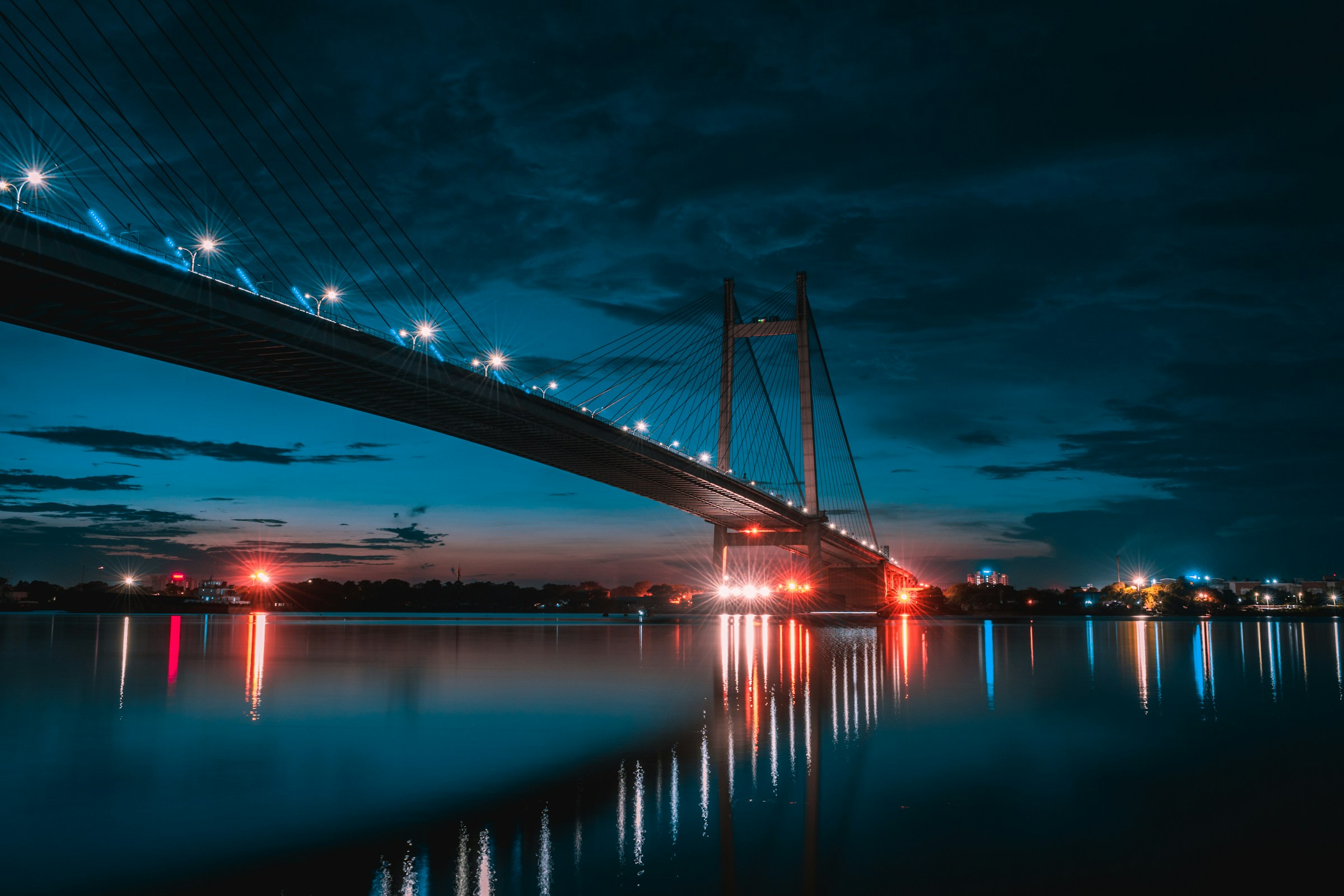
A beautiful riverside promenade on the banks of the Hooghly River, famous for boating, evening walks, and views of the Vidyasagar Setu. - Indian Museum (Approx. 4 km)
India’s oldest and largest museum, featuring archaeological treasures, fossils, sculptures, Egyptian mummies, and natural history exhibits.
Google Maps
FAQs
1. Where is Fort William located?
Fort William is located in the Maidan area of Kolkata, West Bengal, on the eastern bank of the Hooghly River.
2. Why is Fort William famous?
Fort William is famous for its historical significance, star-shaped architecture, and as the headquarters of the Eastern Command of the Indian Army.
3. Who built Fort William?
The present Fort William was built by the British East India Company between 1758 and 1781 after the Battle of Plassey.
4. Can tourists enter Fort William?
No. Since the fort is an active military establishment, public entry is generally not permitted without special authorization.
5. What is the best time to visit the area around Fort William?
The best time to visit is from October to March, when the weather is pleasant for sightseeing around the Maidan and nearby attractions.
6. Is there an entry fee?
There is no public entry for general tourists, so there is no regular tourist entry fee.
7. How much time is needed to explore the nearby area?
Visitors usually spend 2–4 hours exploring nearby attractions such as the Maidan, Victoria Memorial, Prinsep Ghat, and St. Paul’s Cathedral.
8. Why was Fort William built?
It was constructed to strengthen British defenses in Bengal and protect the city’s strategic and commercial interests.
9. Is photography allowed at Fort William?
Photography inside the fort is prohibited due to its military importance. Visitors may take photographs from public areas outside the premises.
10. How can I reach Fort William?
Fort William is easily accessible by Kolkata Metro, buses, taxis, and app-based cabs. The nearest metro stations include Maidan, Rabindra Sadan, and Esplanade.