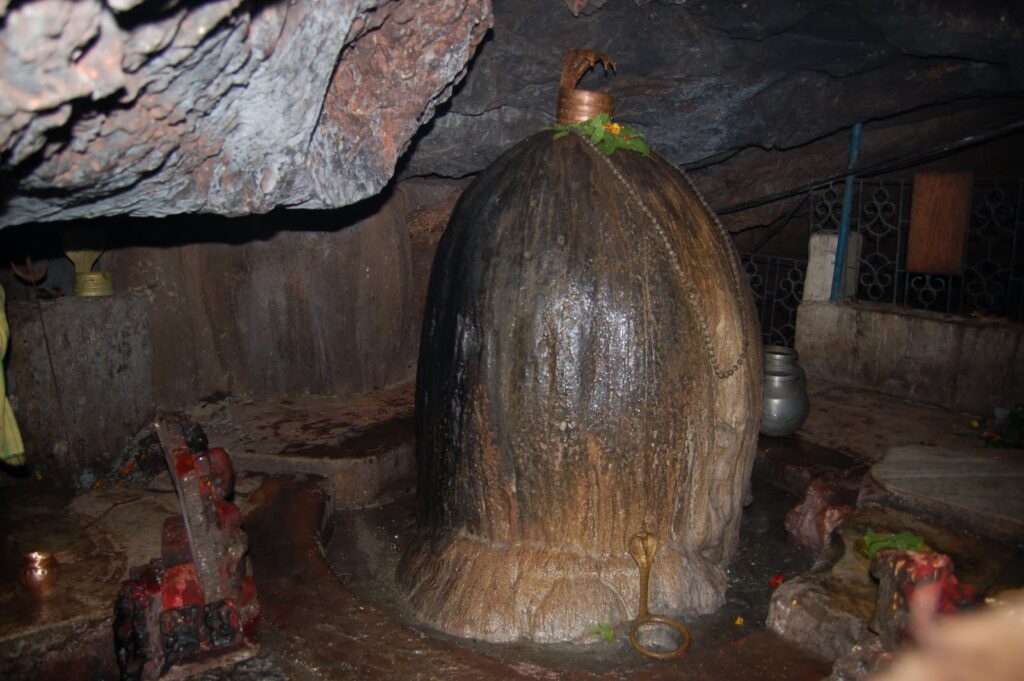
Image Source: Indopaedia
About Gupteswar Cave
Hidden deep within the forested hills of southern Odisha, Gupteswar Cave is one of the region’s most sacred and fascinating spiritual destinations. Located in the Koraput district near the Odisha–Chhattisgarh border, this ancient cave shrine is dedicated to Lord Shiva and is revered by both pilgrims and local tribal communities. Surrounded by dense greenery, rocky landscapes, and untouched wilderness, the cave offers a rare combination of spirituality, adventure, and natural beauty.
The name “Gupteswar” comes from two Sanskrit words — Gupta, meaning hidden, and Ishwar, meaning God. True to its name, the shrine remains tucked away inside a limestone cave amidst thick forests, giving visitors the feeling of discovering a hidden spiritual world far from the noise of cities. The journey to the cave itself feels mystical, as winding roads pass through tribal villages, forest stretches, and scenic hill landscapes.
Spiritual Importance of Gupteswar Cave
The heart of the cave houses a naturally formed Shiva Linga, believed to be swayambhu — self-manifested rather than carved by humans. Devotees consider this Shiva Linga extremely powerful and spiritually significant. The cave has been a place of worship for centuries, and many pilgrims believe that prayers offered here bring peace, blessings, and spiritual purification.
Inside the cave, the atmosphere is calm, dimly lit, and deeply meditative. Water continuously drips from the cave ceiling onto the Shiva Linga, creating a sacred and almost otherworldly environment. The sound of dripping water echoing through the cave, combined with the cool air and rocky formations, gives visitors a profound sense of serenity.
During the festival of Maha Shivaratri, Gupteswar Cave becomes a major pilgrimage center. Thousands of devotees from Odisha, Andhra Pradesh, and Chhattisgarh visit the shrine to offer prayers and participate in religious rituals. The cave and surrounding area come alive with devotional songs, local markets, and spiritual gatherings, turning the isolated forest shrine into a vibrant center of faith.
The Cave’s Natural Beauty and Geological Features
Apart from its religious significance, Gupteswar Cave is also admired for its striking natural formations. The cave is filled with impressive stalactites and stalagmites that have formed naturally over thousands of years due to mineral-rich water deposits. These formations create unusual shapes and textures, adding to the mysterious beauty of the cave interior.
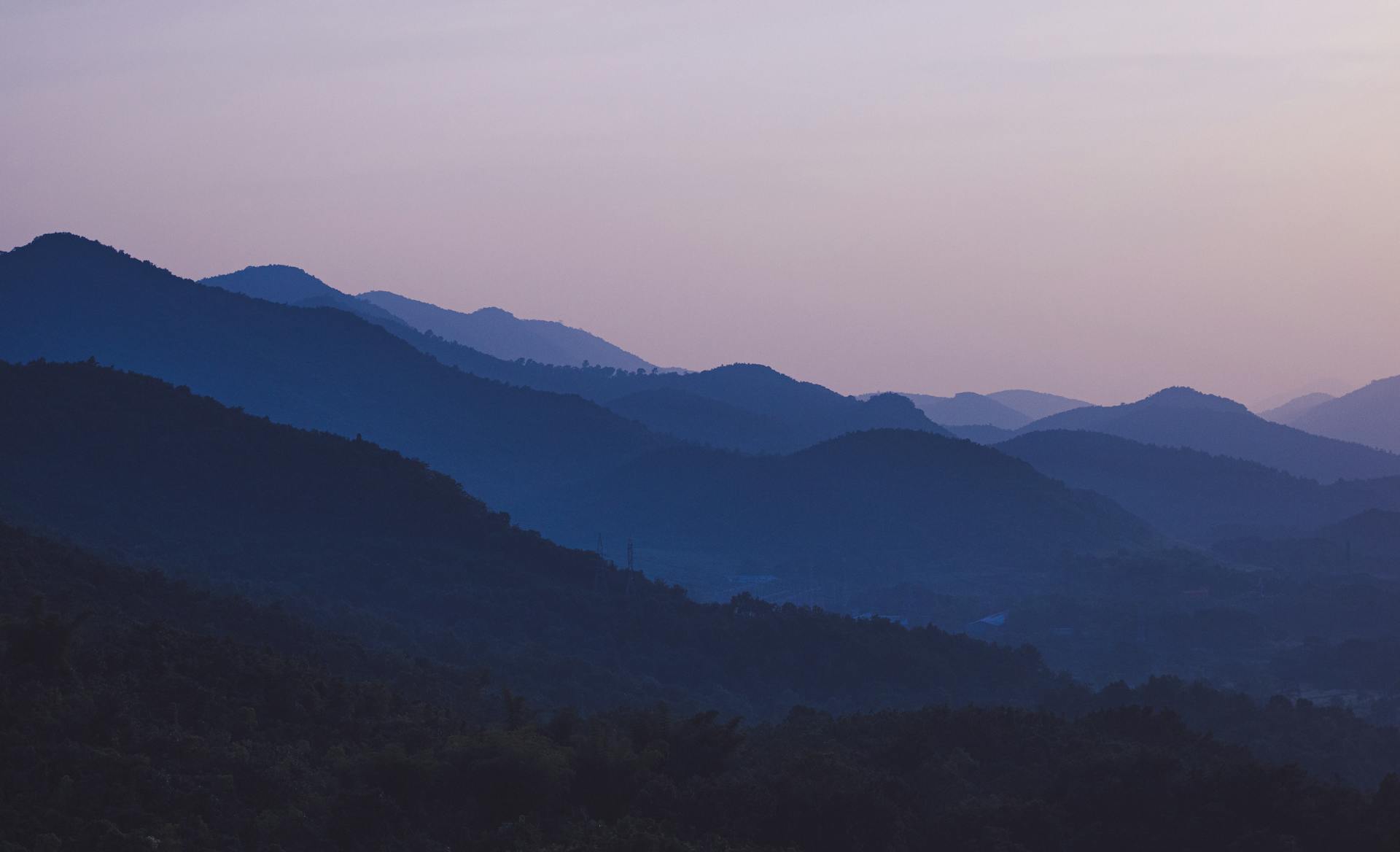
The cave remains naturally cool throughout the year, even during summer months. Narrow rocky passages, dripping water, and uneven cave walls make the experience exciting for visitors interested in geology and nature exploration. The surroundings outside the cave are equally captivating, with thick sal forests, hill slopes, and streams creating a peaceful wilderness atmosphere.
Birdsong, fresh mountain air, and dense vegetation make the region attractive not only to pilgrims but also to photographers, trekkers, and eco-tourists looking for offbeat destinations in Odisha.
Tribal Culture Around Gupteswar
The region surrounding Gupteswar Cave is home to several indigenous tribal communities, especially the Sabara tribe, one of Odisha’s oldest tribal groups. These communities have maintained a close spiritual connection with the cave and surrounding forests for generations.
Local tribal traditions, folklore, and rituals add cultural depth to the site. Many villagers believe the cave and forests are protected by divine forces, and traditional practices associated with nature worship continue to be observed in the area. Visitors often get a glimpse of tribal lifestyles, traditional farming methods, local handicrafts, and simple village life while traveling through the region.
This blend of tribal heritage and Hindu spirituality makes Gupteswar more than just a cave temple — it becomes a cultural experience deeply rooted in the identity of Koraput.
The Journey and Travel Experience
Traveling to Gupteswar Cave is an experience in itself. The roads leading to the cave pass through scenic valleys, forested hills, and remote villages, offering beautiful views throughout the journey. The final approach involves descending steps and walking through forested surroundings before entering the cave.
For many travelers, the destination feels untouched and authentic compared to crowded tourist spots. The peaceful environment allows visitors to disconnect from daily stress and immerse themselves in nature and spirituality. Early mornings and post-monsoon months are especially beautiful, as the forests appear lush and mist often covers the surrounding hills.
Adventure seekers also enjoy the slight trekking element involved in reaching the cave, while spiritual travelers appreciate the silence and meditative atmosphere of the shrine.
Best Time to Visit
The ideal time to visit Gupteswar Cave is between October and March, when the weather remains pleasant and the surrounding forests are green and refreshing. The monsoon season also enhances the beauty of the region, though roads may become slippery due to rain.
Maha Shivaratri is the most vibrant time to experience the cave spiritually, but it is also the busiest period due to large crowds of devotees.
How to Reach Gupteswar Cave
Gupteswar Cave is located approximately 55 kilometers from Jeypore in Odisha’s Koraput district. Jeypore serves as the nearest major town and transportation hub.
By Road
The cave is well connected by road from Jeypore and nearby towns. Local taxis, shared jeeps, and buses are available for travelers. The drive through the hills and forests is scenic and enjoyable.
By Train
The nearest railway station is Jeypore Railway Station, which connects the region to important cities in Odisha and neighboring states.
By Air
The nearest major airport is Visakhapatnam Airport in Andhra Pradesh, located several hours away by road. From the airport, travelers can hire taxis or use public transport to reach Jeypore and then continue to Gupteswar Cave.
Nearby Attractions
- Duduma Waterfalls (About 30 km) – One of Odisha’s tallest waterfalls, Duduma Waterfalls plunges nearly 157 metres through the Eastern Ghats. Surrounded by dense forests and hills, it is a popular destination for nature lovers and photographers.
- Deomali Hills (Around 90 km) – The highest mountain peak in Odisha, Deomali offers breathtaking sunrise views, trekking trails, camping opportunities, and panoramic vistas of the Eastern Ghats.
- Machkund Dam (Around 35 km) – Built across the Machkund River, this scenic hydroelectric project is surrounded by forested hills and offers beautiful views of the reservoir and surrounding valleys.
- Onukudelli (Onkadelli) Tribal Market (Around 40 km) – One of the most famous tribal markets in Odisha, this weekly market is where Bonda, Gadaba, Paraja, and Kondh tribes gather to trade traditional goods, handicrafts, and agricultural produce.
- Sabara Srikhetra Jagannath Temple, Koraput (About 80 km) – A magnificent temple inspired by the famous Jagannath Temple of Puri, known for its peaceful surroundings and impressive architecture.
- Koraput Tribal Museum (Around 80 km) – This museum showcases the rich culture, traditions, costumes, handicrafts, musical instruments, and lifestyle of the tribal communities of Koraput.
- Kolab Reservoir and Dam (Around 90 km) – Surrounded by scenic hills and forests, the reservoir is an ideal destination for boating, photography, and relaxing amidst nature.
- Nandapur (Around 55 km) – The historic former capital of the Jeypore Kingdom, Nandapur is home to ancient temples, archaeological remains, and the famous Batrisa Simhasana.
- Coffee Plantations of Koraput (Within 70–90 km) – Koraput is renowned for its organic Arabica coffee plantations, where visitors can enjoy picturesque landscapes and purchase locally grown coffee.
- Balda Caves (Around 45 km) – A lesser-known natural cave system surrounded by forests, Balda Caves attract adventure enthusiasts and visitors interested in exploring the geological beauty of the Eastern Ghats.
Things to Keep in Mind While Visiting
Visitors should wear comfortable footwear, as the path to the cave may involve walking on uneven surfaces and steps. Carrying drinking water and basic essentials is recommended, especially during warmer months. Since the area is ecologically sensitive and spiritually important, maintaining cleanliness and respecting local customs is essential.
Photography inside certain parts of the cave may be restricted during religious events, so visitors should follow local guidelines and temple instructions.
Google Maps
FAQs
Why is Gupteswar Cave famous?
Gupteswar Cave is famous for its naturally formed Shiva Linga, spiritual atmosphere, limestone cave formations, and scenic forest surroundings in Koraput district of Odisha.
Is Gupteswar Cave a natural cave?
Yes, Gupteswar is a naturally formed limestone cave known for its stalactites and stalagmites that developed over thousands of years.
Which deity is worshipped in Gupteswar Cave?
Lord Shiva is worshipped inside the cave in the form of a self-manifested Shiva Linga.
What is the best time to visit Gupteswar Cave?
The best time to visit is from October to March when the weather is pleasant and the surrounding forests are lush and beautiful.
How far is Gupteswar Cave from Jeypore?
Gupteswar Cave is located around 55 kilometers from Jeypore in Odisha.
Is trekking required to reach the cave?
A short walk and descent through steps are required to enter the cave, but the trek is manageable for most visitors.
Can tourists visit during Maha Shivaratri?
Yes, Maha Shivaratri is one of the most popular times to visit the cave, though it becomes extremely crowded due to the large number of pilgrims.
Are there tribal communities near Gupteswar Cave?
Yes, several tribal communities, including the Sabara tribe, live in the surrounding region and have cultural and spiritual connections with the cave.