About Masrur Rock Cut Temple
Nestled amidst the scenic hills of Kangra district in Himachal Pradesh, the Masrur Rock Cut Temple is one of India’s most remarkable yet lesser-known archaeological treasures. Often referred to as the “Ellora of Himachal Pradesh,” this magnificent temple complex stands as a testament to the ingenuity and artistic excellence of ancient Indian craftsmen. Carved entirely from a single sandstone rock, the monument consists of a cluster of intricately sculpted temples that continue to intrigue historians, archaeologists, and travelers alike.
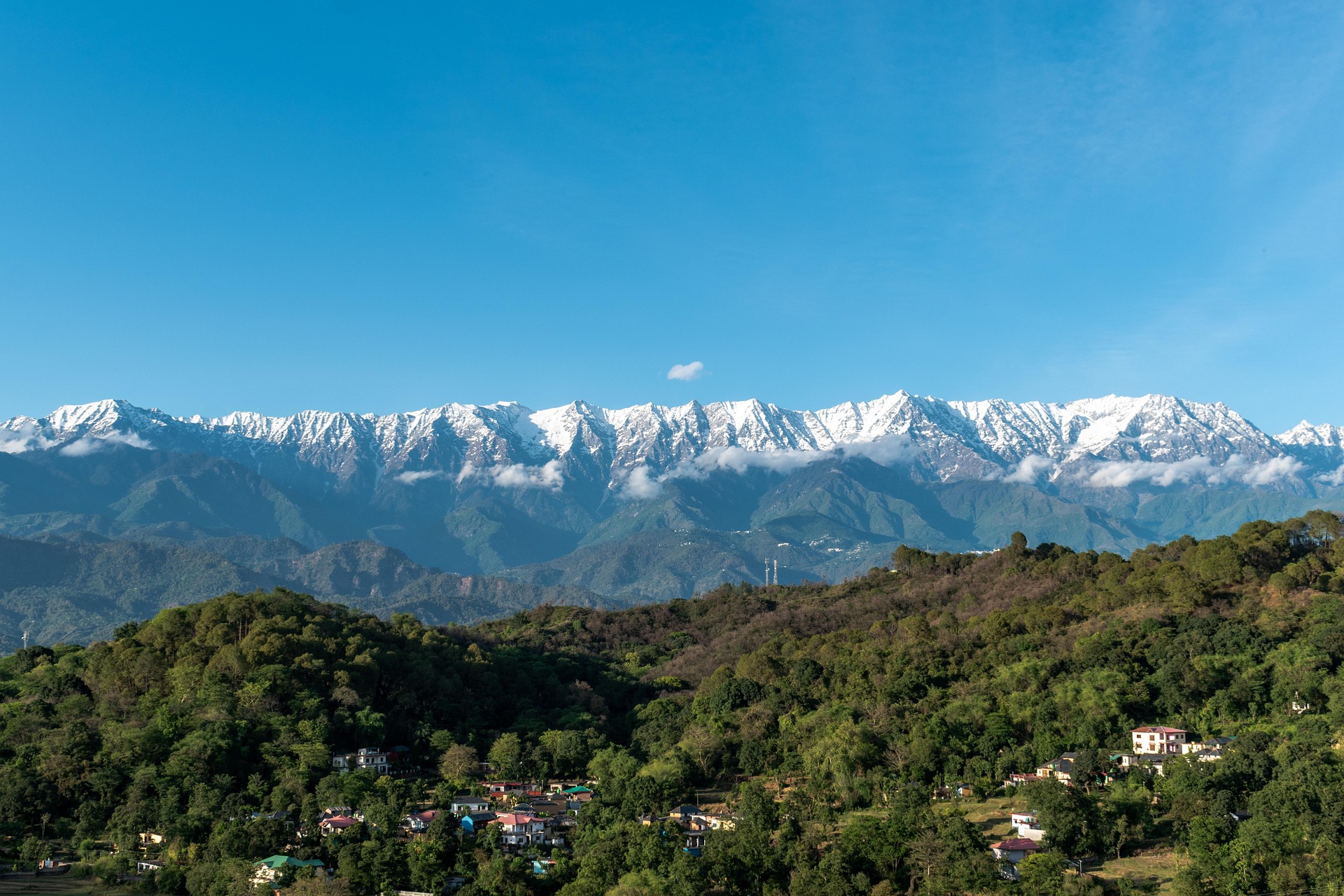
Surrounded by lush countryside and offering breathtaking views of the snow-clad Dhauladhar Range, the temple combines spirituality, history, and architectural brilliance in a setting of exceptional natural beauty. Visitors often find themselves wondering how such a massive and detailed structure could have been carved from a single rock centuries ago.
History and Significance
The Masrur Rock Cut Temple dates back to approximately the 8th century CE and is believed to have been built during the early medieval period. The monument is unique in North India, as rock-cut temple architecture is far more commonly associated with regions such as Maharashtra and Tamil Nadu. The temple complex is now protected by the Archaeological Survey of India and is considered one of the most important archaeological sites in Himachal Pradesh.
The complex consists of a group of monolithic temples carved from a single rock outcrop. Although some parts of the structure remain unfinished, the monument still reflects an extraordinary level of planning, craftsmanship, and artistic vision. The temple suffered significant damage during the devastating Kangra earthquake of 1905, which destroyed portions of its mandapas and upper structures, yet much of the monument survives today.
Legends Associated with Masrur Temple
Like many ancient temples in India, Masrur is surrounded by fascinating legends that add to its mystique.
According to local folklore, the temple was built by the Pandavas during their exile as described in the epic Mahabharata. The five brothers are said to have undertaken the construction of the temple in a single night. However, before they could complete their work, their identities became known, forcing them to leave the site unfinished.
Another popular legend tells a different story. It is believed that the Pandavas wished to build a direct path to heaven through the construction of these temples. Concerned by their efforts, Indra decided to intervene. Disguising himself as a crow, he crowed long before dawn, making the Pandavas believe that morning had arrived. Since they could not complete the temple before sunrise, the work remained unfinished forever. Locals often point to the incomplete sections of the monument as evidence of this legendary interruption.
Architecture of Masrur Rock Cut Temple
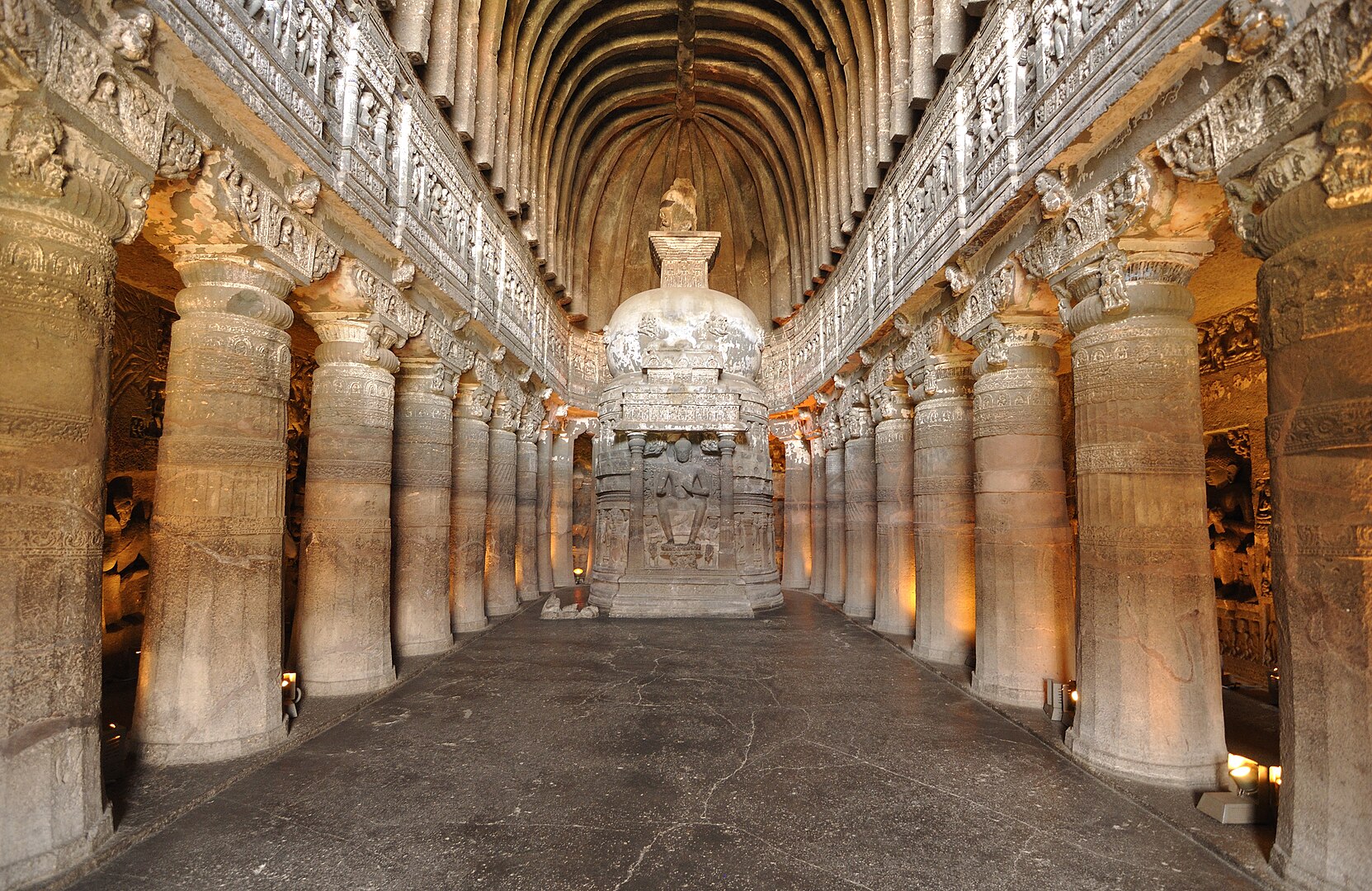
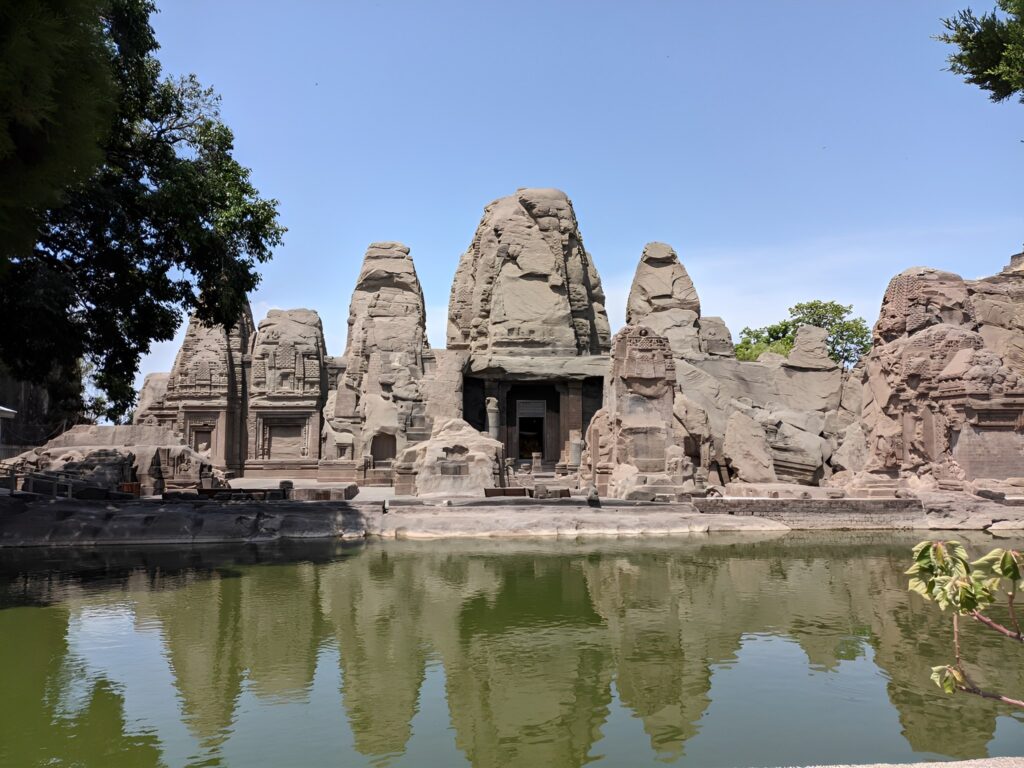
The architectural grandeur of Masrur Rock Cut Temple is what truly sets it apart. Unlike conventional temples constructed by assembling stone blocks, this monument was carved directly from a massive rock formation. The entire complex appears to be a collection of separate shrines, but in reality, it forms a single integrated structure.
The temple complex comprises fifteen interconnected rock-cut shrines arranged around a central sanctuary. Built in the Nagara style of temple architecture, the monument features soaring shikharas, intricately carved pillars, and beautifully sculpted facades. The layout follows the traditional principles of Hindu temple design, with the sanctum placed beneath the tallest tower.
The main shrine, locally known as the Thakurdwara, houses images of Lord Rama, Lord Lakshmana, and Goddess Sita. Unlike many Hindu temples that face east, Masrur Temple is oriented toward the northeast, overlooking the majestic Dhauladhar mountain range.
One of the most striking features of the complex is the cluster of subsidiary spires that surround the central tower in a symmetrical arrangement. The sanctum contains four entrances, though only the eastern entrance was completed fully. The northern and southern entrances remain partially finished, while another entrance exists only in its initial form, further supporting the theory that the monument was never completed.
In front of the temple lies a sacred water tank that reflects the temple’s silhouette, creating one of the most photographed views of the site. Many devotees believe that taking a holy dip in this tank purifies the soul and brings spiritual blessings.
Prior to the Kangra earthquake of 1905, the eastern side of the temple reportedly featured a large mandapa connected to stairways that led to elevated viewing platforms. Much of this structure was destroyed during the earthquake, leaving only traces of its original grandeur. Archaeological studies suggest that the builders envisioned an even larger and more elaborate temple complex than what can be seen today.
Best Time to Visit
The ideal time to visit Masrur Rock Cut Temple is between October and March, when the weather remains pleasant and the views of the Dhauladhar mountains are particularly clear. The monsoon season brings lush greenery to the region, but occasional heavy rains may affect travel plans.
How to Reach Masrur Rock Cut Temple
By Air
The nearest airport is Kangra Airport, located about 45 kilometers from the temple. Taxis are readily available from the airport to Masrur.
By Train
The closest railway station is Nagrota Suriyan Railway Station, situated around 20 kilometers away. The scenic Kangra Valley narrow-gauge railway route offers a memorable travel experience through the Himalayan foothills.
By Road
Masrur is well connected by road to major towns such as Dharamshala, Kangra, and Palampur. Regular buses and taxis operate from these destinations. The drive itself is highly rewarding, passing through picturesque villages, terraced fields, and panoramic mountain landscapes.
Nearby Attractions
Kangra Fort
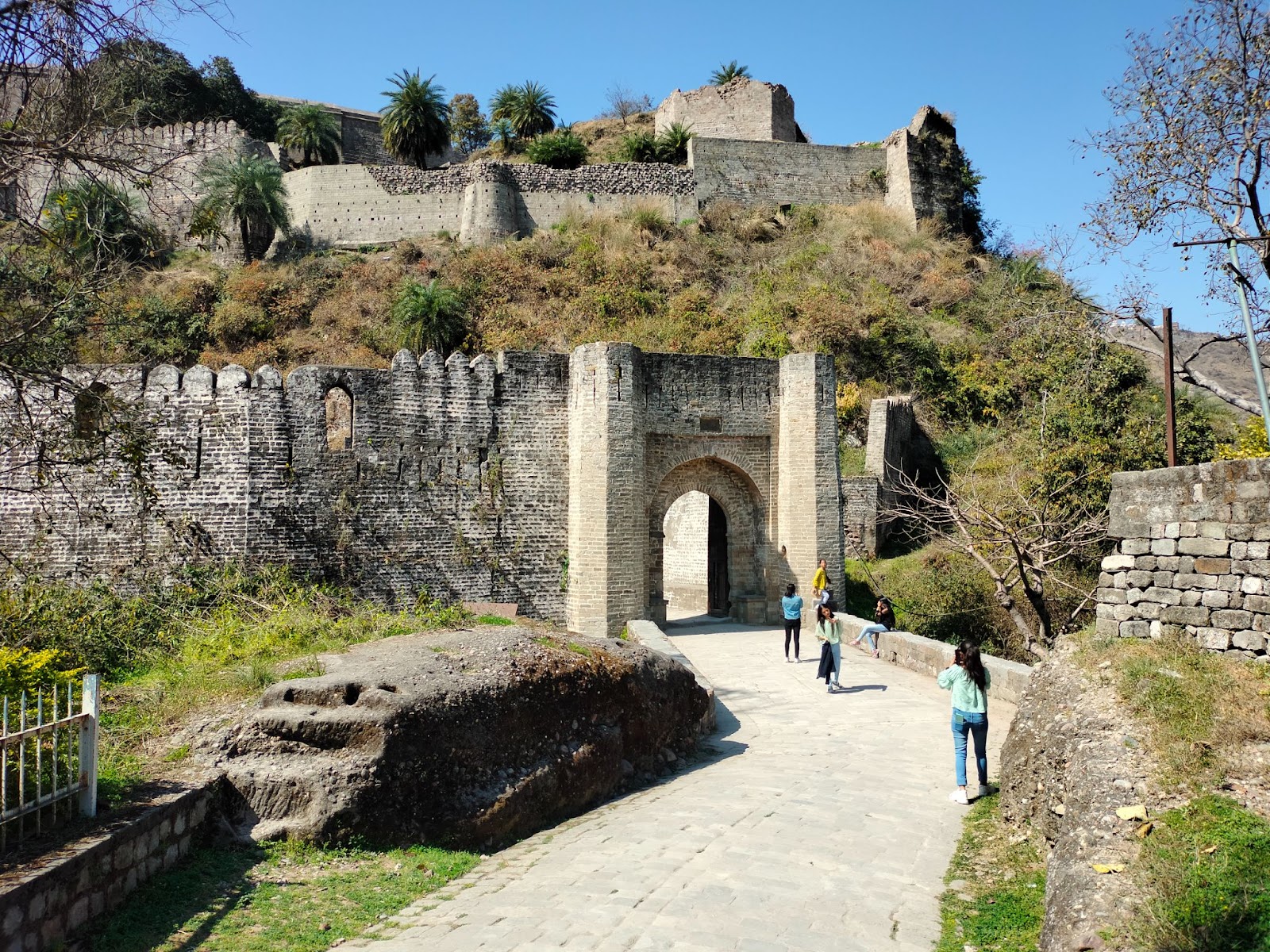
Located around 40 kilometers away, Kangra Fort is one of the oldest and largest forts in India. The fort offers spectacular views of the surrounding valleys and provides fascinating insights into the region’s history.
Maharana Pratap Sagar
Also known as Pong Dam Lake, this vast reservoir is a paradise for birdwatchers and nature lovers. During winter, thousands of migratory birds visit the lake, making it a popular wildlife destination.
Dharamshala and McLeod Ganj
The spiritual home of the Tibetan community in India, Dharamshala and McLeod Ganj are known for their monasteries, vibrant markets, Tibetan culture, and scenic mountain views.
Kareri Lake
For trekking enthusiasts, Kareri Lake offers a beautiful alpine adventure through forests, streams, and meadows in the Dhauladhar foothills.
Kangra Devi Temple
One of the most revered Shakti Peeths in India, this ancient temple attracts devotees from across the country and holds immense religious significance.
Maps
FAQs
1. Why is Masrur Rock Cut Temple famous?
Masrur Rock Cut Temple is famous for being a monolithic rock-cut temple complex carved from a single sandstone rock. Its unique architecture and historical significance make it one of Himachal Pradesh’s most remarkable heritage sites.
2. Who built the Masrur Rock Cut Temple?
While its exact builders remain unknown, historians believe the temple was constructed around the 8th century CE. Local legends attribute its construction to the Pandavas from the Mahabharata.
3. Is the temple still used for worship?
Yes. The main shrine remains an active place of worship, and devotees regularly visit the temple to offer prayers.
4. How much time is needed to explore the temple?
Most visitors spend around one to two hours exploring the temple complex, admiring the carvings, and enjoying the surrounding views.
5. What is the best time to visit Masrur Temple?
October to March is considered the best period due to pleasant weather and clear mountain views.
6. Is photography allowed at Masrur Rock Cut Temple?
Yes, photography is generally permitted, and the reflection of the temple in the sacred water tank makes for particularly stunning photographs.
7. Is Masrur Rock Cut Temple suitable for family visits?
Absolutely. The temple is a family-friendly destination that offers a mix of history, architecture, spirituality, and natural beauty.