Image Source: Ssriram mt
About Kapileswar Temple
If you’re looking for a quiet, less-crowded spiritual spot near Bhubaneswar, Kapileswar Temple is a lovely place to visit. Tucked away in a peaceful village, this temple is dedicated to Lord Shiva and feels very different from the city’s grand, towering shrines.
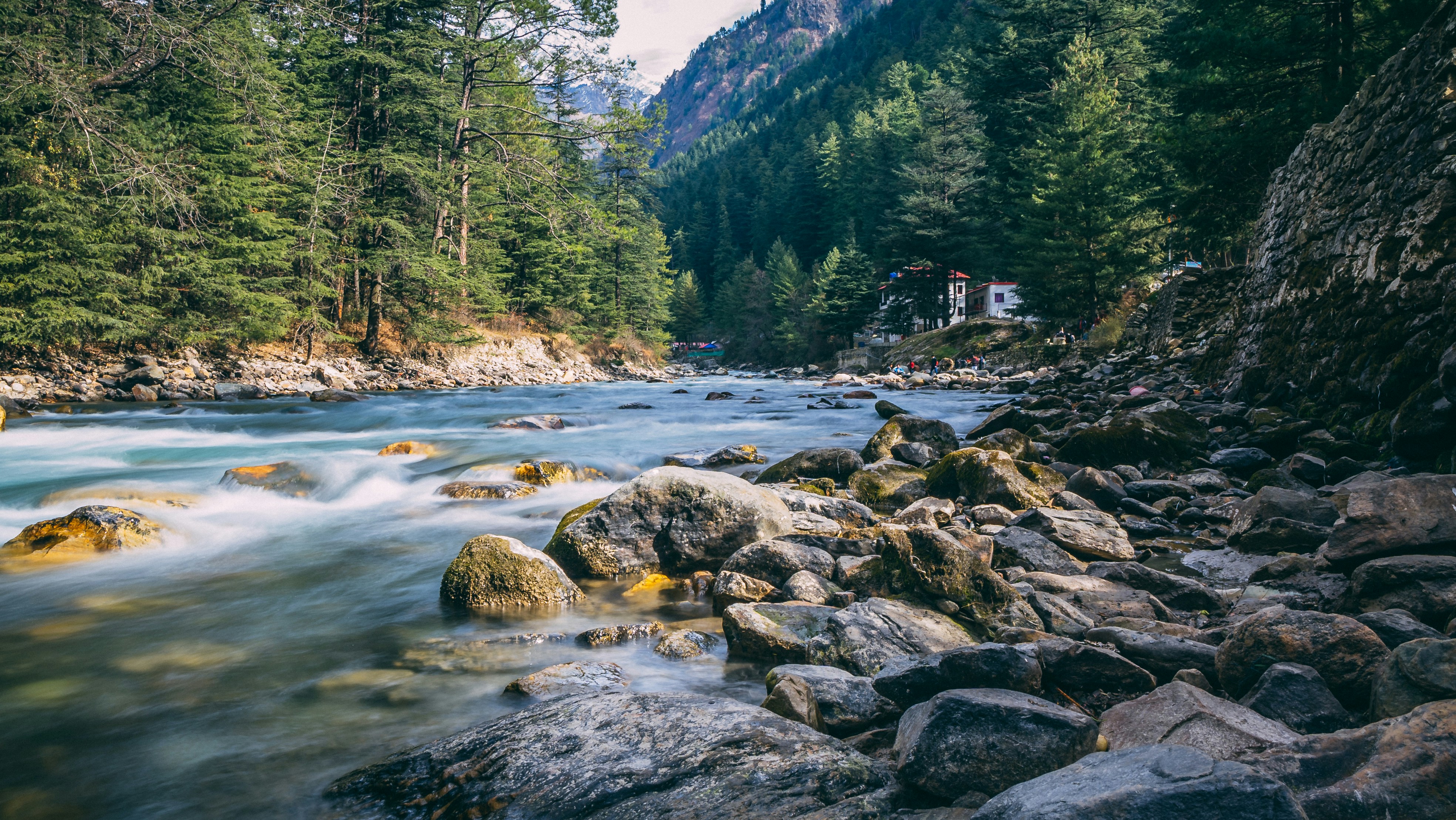
What makes Kapileswar special isn’t its size or scale—it’s the calm, almost meditative atmosphere. Surrounded by greenery and set close to a flowing river, the temple offers a beautiful mix of nature and spirituality. It’s the kind of place where you can slow down, breathe, and just be present.
History and Significance
Kapileswar Temple is believed to be an ancient shrine with strong roots in Odisha’s Shaivite traditions. According to local legends, the temple is named after Sage Kapila, who is said to have meditated here for years.
It’s believed that his devotion pleased Lord Shiva, who appeared here as Kapileswar Mahadeva. Because of this story, the temple holds a deep spiritual meaning for devotees—many visit seeking peace, blessings, and a sense of inner clarity.
Over time, the temple became an important local pilgrimage site. While it may not be as famous as some of Bhubaneswar’s major temples, it continues to be deeply respected and loved by the local community.
Architecture and Features
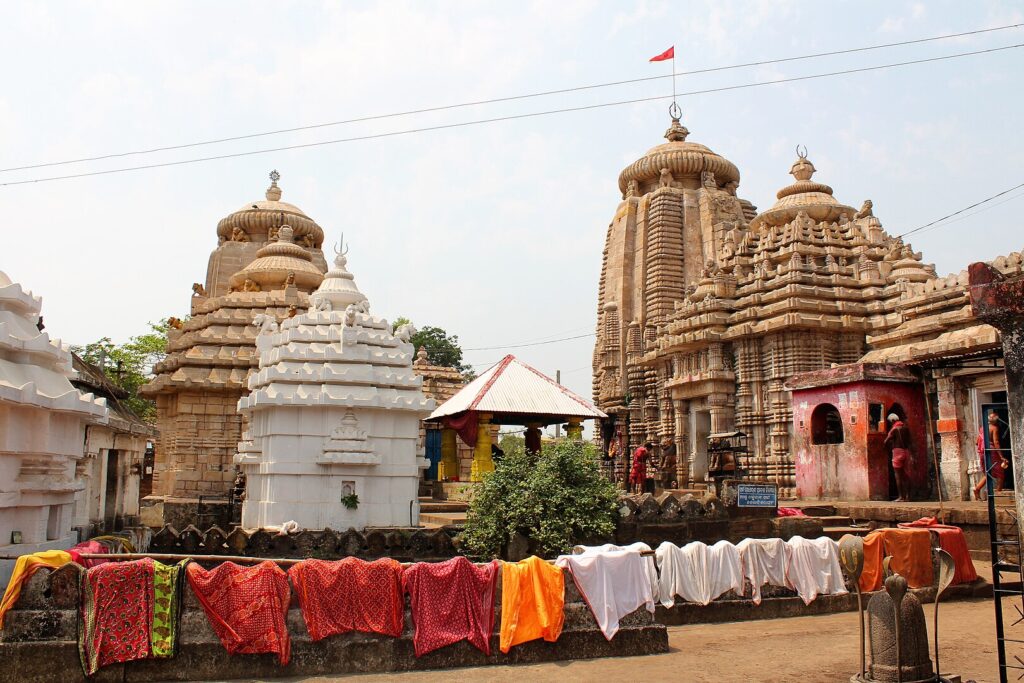
The temple follows the traditional Kalinga style of architecture, though in a much simpler and smaller form compared to the larger temples in the city.
Inside the sanctum, you’ll find a Shiva Lingam worshipped as Kapileswar Mahadeva. The structure includes a modest tower (vimana) and subtle carvings that reflect the artistic style of Odisha’s medieval period.
But honestly, the biggest highlight here isn’t the structure—it’s the setting. The temple sits amidst trees, near riverbanks, and close to sacred ponds where devotees often take a ritual bath before पूजा (puja). The entire place has a calm, grounded energy that makes it ideal for quiet reflection.
Festivals and Rituals
Kapileswar Temple becomes more lively during festivals, especially Maha Shivaratri, the holy month of Shravan, and Kartika Purnima.
During these times, devotees gather for special prayers, night-long chanting, and traditional rituals. The temple also hosts local cultural activities and community gatherings, which give you a glimpse into the region’s traditions.
It’s also considered an auspicious place for newly married couples, who visit to seek blessings for a happy and prosperous life.
Scenic Beauty and Spiritual Experience
One of the best things about Kapileswar Temple is how peaceful it feels. Unlike the busy temple complexes in the city, this place is quiet and relaxed.
The nearby river adds a soothing touch, and the greenery all around makes it perfect for meditation, photography, or simply spending some quiet time. Whether you’re a spiritual seeker or just someone who enjoys nature, this place offers a refreshing experience.
How to Reach
By Air:
The nearest airport is Biju Patnaik International Airport, about 10 km away.
By Rail:
Bhubaneswar Railway Station is around 8 km from the temple, with easy access to local transport.
By Road:
Kapileswar Temple is well connected by road. You can easily reach here by bus, taxi, or auto-rickshaw from different parts of Bhubaneswar. The drive itself is quite scenic, passing through rural landscapes and river views.
Nearby Attractions
- Dhauli Shanti Stupa (about 3 km) – A beautiful white Peace Pagoda built by Japanese Buddhists, marking the site where Emperor Ashoka embraced Buddhism after the Kalinga War. It offers panoramic views of the Daya River and surrounding countryside.
- Dhauli Hills (about 3 km) – Famous for the Ashokan Rock Edicts, Buddhist monuments, and scenic viewpoints overlooking the Daya River.
- Lingaraj Temple (about 4 km) – Bhubaneswar’s largest and most sacred Shiva temple, renowned for its magnificent Kalinga-style architecture and religious significance.
- Ananta Vasudeva Temple (about 4.5 km) – A rare Vaishnavite temple dedicated to Lord Krishna, Balarama, and Subhadra, known for its beautifully carved stone architecture.
- Bindu Sagar Lake (about 4.5 km) – A sacred lake surrounded by numerous historic temples and an important spiritual landmark in the Old Town.
- Mukteswara Temple (about 5 km) – Often called the “Gem of Odisha Architecture,” this temple is celebrated for its ornate carvings and iconic stone torana.
- Rajarani Temple (about 5.5 km) – An elegant 11th-century temple admired for its finely sculpted figures and distinctive red and golden sandstone.
- Odisha State Museum (about 7 km) – A fascinating museum displaying archaeological artifacts, palm-leaf manuscripts, ancient sculptures, tribal heritage, and traditional Odia art.
- Khandagiri and Udayagiri Caves (about 9 km) – Ancient Jain rock-cut caves dating back to the 2nd century BCE, featuring inscriptions, carvings, and excellent viewpoints over the city.
- Nandankanan Zoological Park (about 23 km) – One of India’s premier zoological parks, known for its white tigers, safari experiences, botanical gardens, and conservation programs.
Google Maps
FAQs
1. What is Kapileswar Temple known for?
It’s known for its peaceful setting, connection to Sage Kapila, and its calm, nature-filled spiritual atmosphere.
2. Which deity is worshipped here?
Lord Shiva is worshipped here in the form of Kapileswar Mahadeva.
3. Is Kapileswar Temple crowded?
Not usually. It’s much quieter compared to major temples in Bhubaneswar, making it ideal for a peaceful visit.
4. What is the best time to visit?
Early mornings and evenings are perfect for a calm experience. Festivals like Maha Shivaratri are also a great time to visit if you want to see the temple come alive.
5. How much time should I spend here?
About 1–2 hours is enough to explore the temple and enjoy the surroundings.
6. Is the temple suitable for tourists?
Yes, especially for those who enjoy offbeat places, spirituality, and nature.
7. Are there any nearby attractions?
You can combine your visit with other temples and sites in Bhubaneswar for a fuller experience.