Gaya
One of the most revered spiritual destinations in India, Gaya is nestled on the banks of the Phalgu river. Gaya is a sacred site for both Hindus and Buddhists.For Hindus, it is the land of Pind Daan—the ritual for ancestral salvation—while for Buddhists, nearby Bodh Gaya marks the place where Lord Buddha attained enlightenment under the Bodhi Tree.
Gaya with its sacred ghats, age-old temples, and monastic tranquility, invites pilgrims, history lovers, and curious travellers alike.
Geography and Overview
Located in southern Bihar, Gaya is surrounded by low rocky hills such as Mangla Gauri, Ramshila, and Brahmayoni, and nourished by the sacred Phalgu River. The climate is tropical, with hot summers (April–June), monsoon rains (July–September), and pleasant winters (October–February) that make sightseeing most enjoyable.
Historical Significance
Gaya’s history is as old as Indian civilization itself. It finds mention in ancient texts like the Ramayana and Mahabharata, where Lord Rama is said to have performed Pind Daan for his father, King Dasharatha. Over time, Gaya became a hub for spiritual and educational movements, hosting sages, monks, and scholars.
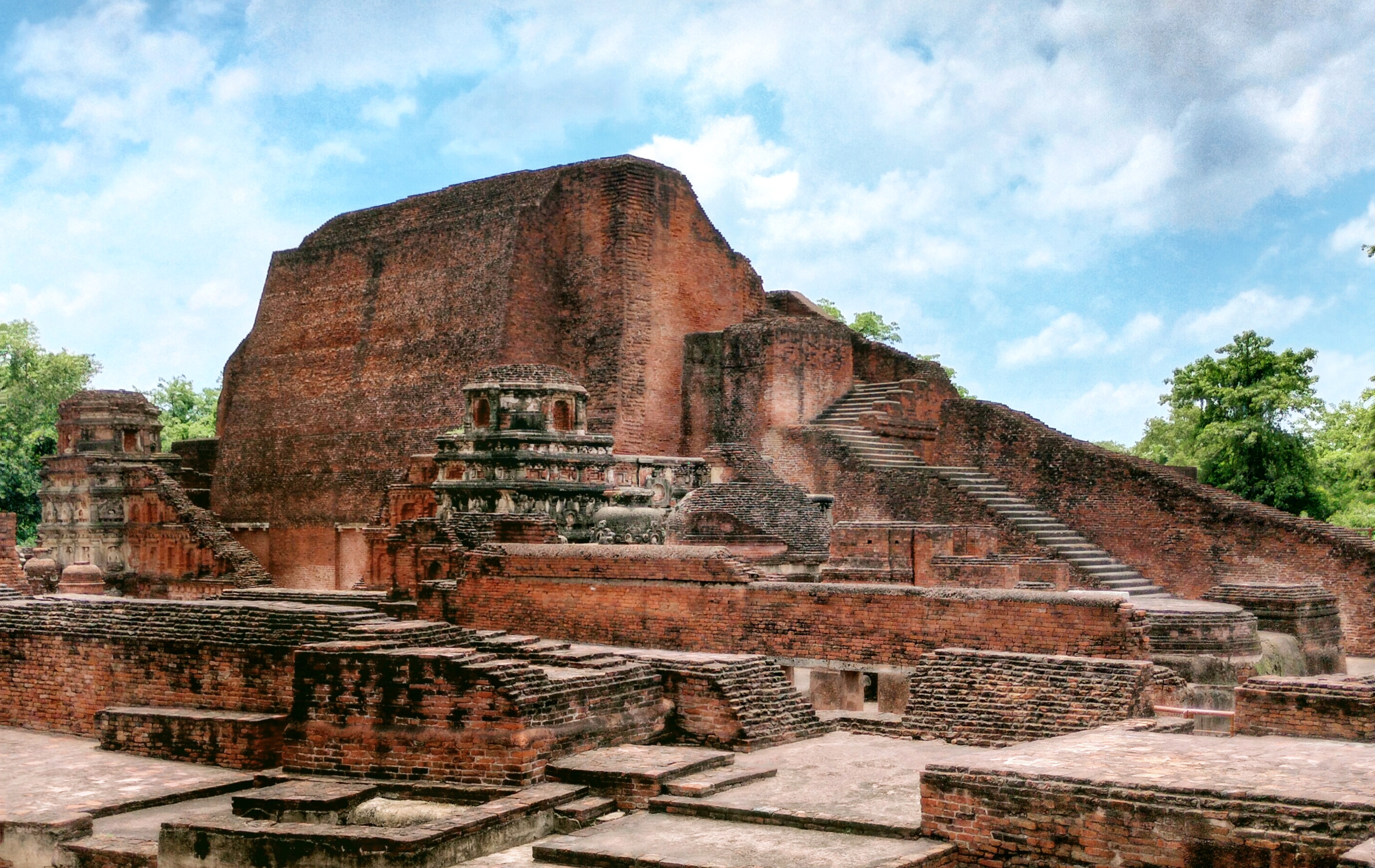
Nearby Bodh Gaya, a UNESCO World Heritage Site, transformed the region into the global center of Buddhism after Siddhartha Gautama attained enlightenment here around 500 BCE. From Hindu rituals to Buddhist philosophy, Gaya’s legacy is one of peaceful coexistence and deep spirituality.
Culture and Festivals
Gaya’s culture reflects the synthesis of Hindu and Buddhist traditions. Religious rituals like Pind Daan dominate the Hindu calendar, while Buddhist monks and pilgrims from around the world bring global vibrance.
The major festivals include:
Pitru Paksha Mela (September–October): A grand event where thousands gather for ancestral rites.
Buddha Purnima (April–May): Celebrated in Bodh Gaya with international participation.
Chhath Puja: A colorful display of devotion along the Phalgu River.
The coexistence of chanting priests and meditating monks gives Gaya its serene yet sacred rhythm.
Best time to visit Gaya
The best time to visit Gaya is from October to March, when the climate is cool and ideal for temple visits and outdoor exploration.
Winter (Nov–Feb): Perfect for heritage and spiritual tours; major pilgrim season.
Summer (Apr–June): Hot and dry; best avoided for daytime sightseeing.
Monsoon (July–Sept): Brings greenery but occasional flooding in low-lying areas.
Tip: Visit during Pitru Paksha Mela or Buddha Purnima for a truly immersive spiritual experience.
Top Attractions in Gaya
Vishnupad Temple—The holiest site in Gaya, believed to have Lord Vishnu’s footprint imprinted in a rock. It is a prime location for Pind Daan rituals.
Phalgu River Ghats – Sacred ghats like Sita Kund and Ramshila Ghat are vital for religious ceremonies and offer scenic views.
Mangla Gauri Temple—One of the 18 Shakti Peethas of Goddess Shakti, attracting devotees from across India.
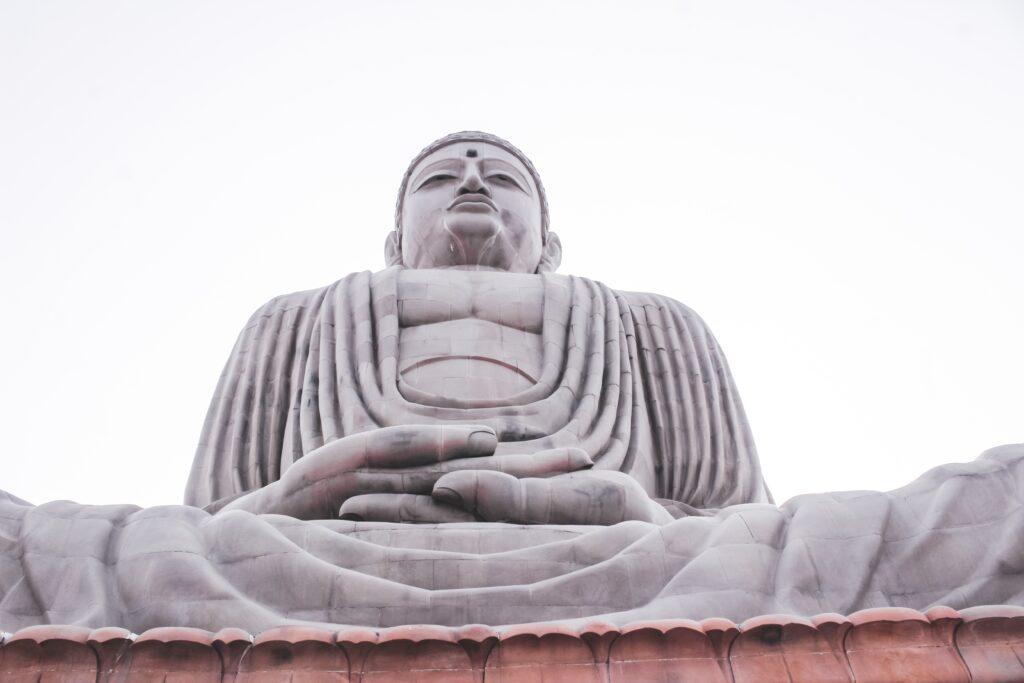
Bodh Gaya—Located 15 km from Gaya, this world-famous pilgrimage site includes the Mahabodhi Temple, Bodhi Tree, and Great Buddha Statue.
Brahmayoni Hill—A spiritual site requiring a climb but offering panoramic views of Gaya and serene temples at its summit.
Dungeshwari Cave Temples—Also known as the Mahakala Caves, believed to be where Buddha meditated before enlightenment.
Barabar Caves—The oldest surviving rock-cut caves in India, dating back to the Mauryan period and linked with the Ajivika sect.
Thai Monastery & Japanese Temple (Bodh Gaya)—Architectural marvels showcasing international Buddhist devotion.
Things to Do in Gaya
Perform the Pind Daan Ritual—Participate in or witness the sacred ancestral offering at Vishnupad Temple under the guidance of local priests.
Meditate under the Bodhi Tree—Visit Bodh Gaya to experience deep tranquility where Buddha achieved enlightenment.
Climb the Brahmayoni Hill—trek to this sacred peak for sunrise views and ancient shrines.
Attend the Buddha Mahotsav—a cultural and spiritual festival celebrating Buddha’s teachings with dance, music, and global participation.
Explore Barabar Caves—Discover India’s earliest rock-cut architecture amidst the quiet hills.
Visit the Mangla Gauri Temple at Dawn—Witness the traditional morning rituals and chants in one of the most powerful Shakti Peethas.
Enjoy Local Cuisine—Try Litti Chokha, Khaja, and Tilkut, all delicacies unique to Bihar’s heartland.
Take a Spiritual Walk Around Bodh Gaya— Visit monasteries built by countries like Thailand, Japan, and Bhutan for an enriching cross-cultural experience.
Local Cuisine
Gaya’s cuisine mirrors Bihar’s rustic flavors. Signature dishes include Litti-Chokha, Dal-Pitha, Sattu Paratha, and Aloo-Baigan curry. Sweets like Tilkut, Thekua, and Khaja are local specialties. The food is simple, wholesome, and rich in tradition—best enjoyed at small eateries near Vishnupad Temple or Bodh Gaya.
How to Reach Gaya?

BY ROAD
National Highways NH-83 and NH-2 (Grand Trunk Road) provide excellent road connectivity to Patna (100 km) and other major towns.

BY TRAIN
Gaya Junction is a major railway hub connecting Bihar to Delhi, Kolkata, Patna, and Varanasi.

BY AIR
The nearest airport is Gaya International Airport (Bodh Gaya Airport), located about 7 km from the city.