Image Source: Dhrubazaan Photography
About Majuli Island
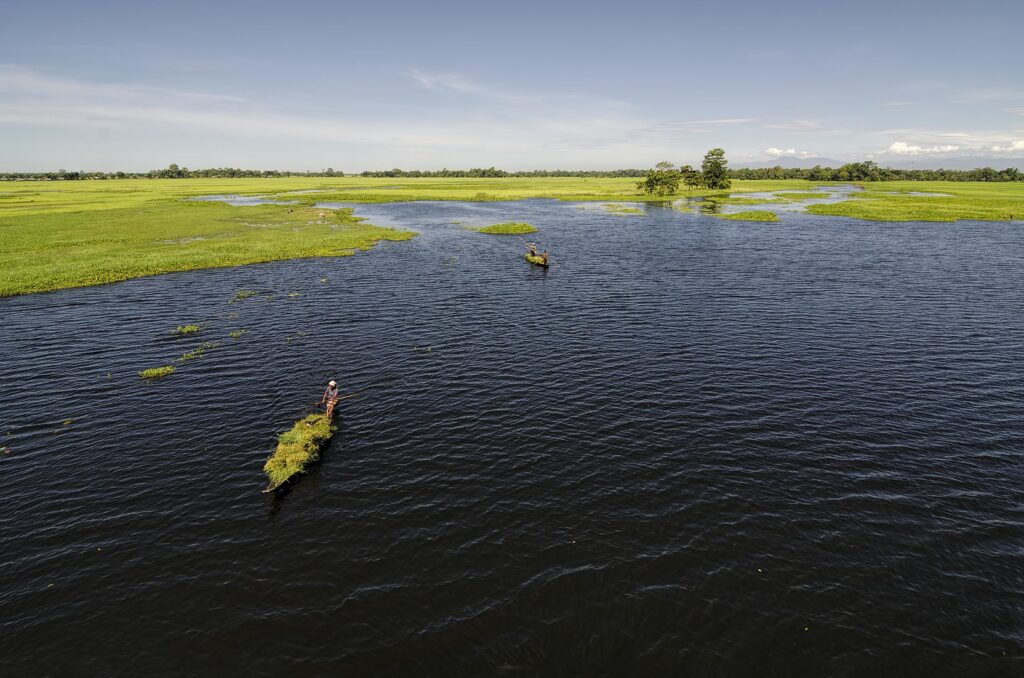
Majuli Island, located in the mighty Brahmaputra River in Assam, is recognized as the world’s largest river island. Known for its vibrant culture, scenic landscapes, and spiritual heritage, Majuli is a living example of the harmony between humans and nature. This UNESCO World Heritage Site nominee is not only a natural wonder but also the cultural heart of Assam, particularly famous for its Neo-Vaishnavite monasteries called Satras established by the saint Srimanta Sankardeva.
Layout and Geography
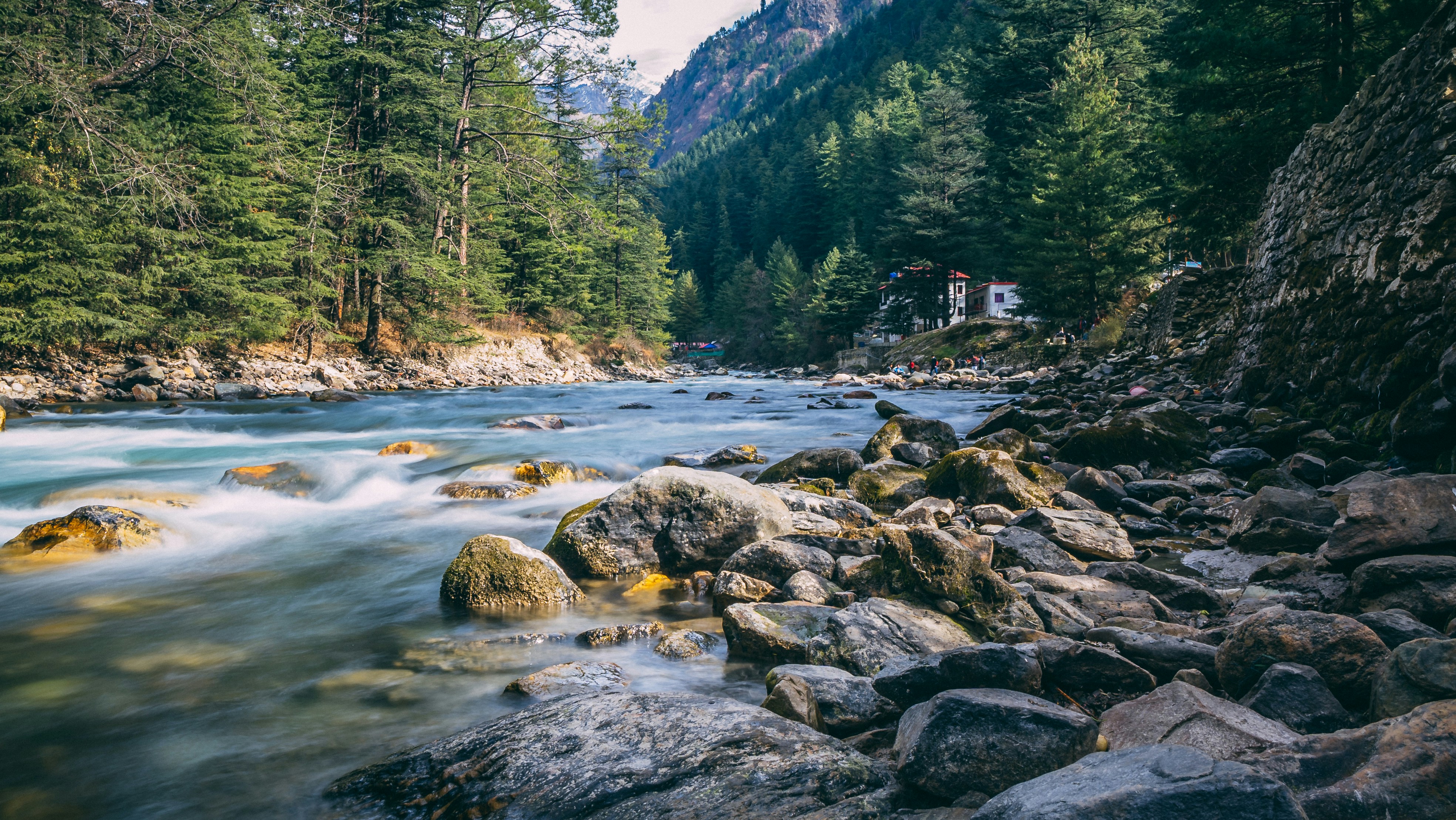
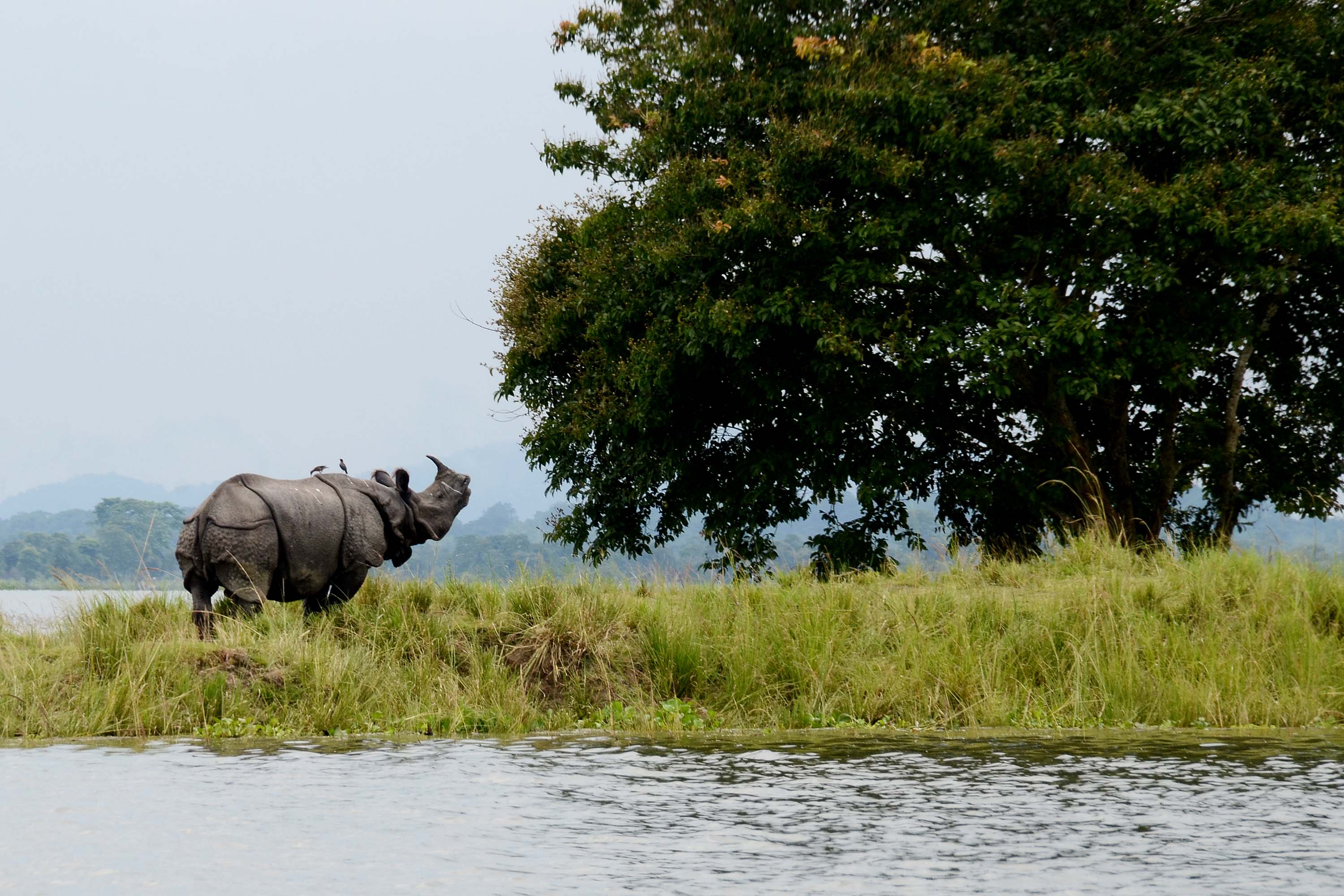
Spread over nearly 352 square kilometers, Majuli is dotted with lush paddy fields, bamboo groves, wetlands, and small tribal settlements. The island is constantly shaped by the currents of the Brahmaputra River, giving it a unique, ever-evolving landscape. It is home to various tribal communities such as the Mishing, Deori, and Sonowal Kachari people, whose traditional stilt houses and colorful lifestyles add charm to the island. The wetlands and marshes are a paradise for birdwatchers, attracting migratory species like Siberian cranes, pelicans, and storks.
Attractions of Majuli Island
Satras (Monasteries): Majuli is renowned for its over 20 active Satras, including Auniati, Kamalabari, and Dakhinpat, which serve as centers of spiritual learning, art, dance, and culture.
Tribal Villages: The Mishing villages offer glimpses into traditional weaving, fishing practices, and bamboo craftsmanship.
Birdwatching: With its wetlands and marshes, Majuli is one of the best spots in Assam for observing migratory and local bird species.
Cultural Festivals: Raas Leela in Majuli is a grand festival celebrated with dance, drama, and devotional performances depicting the life of Lord Krishna.
Scenic Landscapes: Verdant fields, riverbanks, and rustic trails make Majuli ideal for nature lovers and photographers.
How to Reach Majuli Island
By Air: The nearest airport is Jorhat Airport (Rowriah Airport), about 20 km away. From Jorhat, travelers can take a cab or auto to Nimati Ghat for a ferry ride.
By Rail: The nearest railway station is Jorhat Town Railway Station, well-connected with Guwahati and other major Assam towns.
By Road: Buses and taxis are available to Jorhat from Guwahati, Tezpur, and Dibrugarh. From Jorhat, a short ride leads to Nimati Ghat.
By Ferry: The most scenic way to reach Majuli is via a ferry ride from Nimati Ghat, which takes about an hour across the Brahmaputra, offering breathtaking river views.
Nearby Attractions of Majuli Island
Located in the Brahmaputra River in Assam, Majuli is renowned for its rich cultural heritage, Vaishnavite monasteries, traditional arts, and serene rural landscapes. A visit to Majuli offers much more than scenic beauty, with several nearby attractions showcasing the island’s unique history and traditions.
1. Auniati Satra
Auniati Satra is one of the most prominent Vaishnavite monasteries on the island. Established in the 17th century, it houses an impressive collection of ancient manuscripts, artifacts, jewelry, and religious relics. The satra is an important center of Assamese culture and spirituality.
2. Kamalabari Satra
Kamalabari Satra is famous for preserving traditional Assamese dance, music, drama, and literature. Cultural performances held here provide visitors with a glimpse into the island’s vibrant artistic heritage.
3. Samaguri Satra
Samaguri Satra is internationally known for its traditional mask-making art. Visitors can watch artisans create colorful masks used in religious performances and purchase handcrafted souvenirs directly from local craftsmen.
4. Dakhinpat Satra
Dakhinpat Satra is noted for its grand celebrations during Ras Mahotsav. The monastery attracts devotees and tourists interested in Assamese religious traditions and cultural festivals.
5. Tengapania
Tengapania is a picturesque riverfront destination known for its scenic views of the Brahmaputra River. The location is ideal for photography, picnics, and watching spectacular sunsets.
6. Mishing Villages
The traditional villages of the Mishing community offer visitors an opportunity to experience indigenous Assamese culture. Travelers can explore stilt houses, learn about local customs, observe weaving practices, and enjoy authentic regional cuisine.
7. Molai Forest
Molai Forest is a remarkable man-made forest created by environmentalist Jadav Payeng. Spread across hundreds of hectares, the forest supports a rich ecosystem of birds, deer, and other wildlife.
8. Garamur
Garamur serves as one of the cultural and administrative centers of Majuli. The area contains several satras and provides insight into the daily life of island residents.
9. Pottery Villages
Majuli is famous for its traditional pottery-making communities. Unlike conventional pottery, many artisans create clay products without using a potter’s wheel, preserving a centuries-old craft tradition.
10. Brahmaputra River Banks
The riverbanks surrounding Majuli provide beautiful landscapes, birdwatching opportunities, and peaceful spots to witness sunrise and sunset over the mighty Brahmaputra.
Google Maps
FAQs
1. Where is Majuli Island located?
Majuli is situated in the Brahmaputra River in the state of Assam and is one of the world’s largest inhabited river islands.
2. Why is Majuli famous?
Majuli is famous for its Vaishnavite monasteries (Satras), unique Assamese culture, traditional arts, mask-making, pottery, and scenic river landscapes.
3. How can I reach Majuli?
Visitors usually travel to Jorhat and then take a ferry from Nimati Ghat to Majuli. Regular ferry services operate throughout the year, subject to weather conditions.
4. What is the best time to visit Majuli?
The ideal time to visit is from October to March when the weather is pleasant and suitable for sightseeing and cultural exploration.
5. How many satras are there in Majuli?
Historically, there were more than 60 satras on the island. Several important satras continue to preserve Assamese Vaishnavite traditions today.
6. What is the significance of Auniati Satra?
Auniati Satra is one of the oldest and most influential monasteries in Majuli, known for its museum, manuscripts, and religious importance.
7. What is Samaguri Satra known for?
Samaguri Satra is renowned for its traditional mask-making art used in religious dramas and cultural performances.
8. Is Majuli suitable for nature lovers?
Yes. The island offers wetlands, river landscapes, birdwatching opportunities, forests, and peaceful rural scenery.
9. What is the famous festival celebrated in Majuli?
Ras Mahotsav is the most famous festival, featuring cultural performances depicting the life of Lord Krishna.
10. How much time is needed to explore Majuli?
A stay of two to three days is ideal for exploring the satras, villages, cultural attractions, and natural beauty of the island at a relaxed pace.