About Chhatarpur Temple
Nestled in the southern part of Delhi, Chhatarpur Temple is one of the most revered Hindu temples in North India. Dedicated primarily to Goddess Katyayani, the sixth form of Maa Durga, this magnificent temple complex attracts devotees and tourists throughout the year. However, during the festival of Navratri, the temple transforms into a vibrant spiritual center, drawing lakhs of devotees seeking the blessings of the Goddess.
Spread across approximately 60 acres, Chhatarpur Temple is among the largest temple complexes in India. Before the construction of the famous Akshardham Temple, it was considered one of the largest Hindu temple complexes in the country. Its serene atmosphere, grand architecture, and deep spiritual significance make it one of Delhi’s most important religious landmarks.
The Inspiring Story Behind Chhatarpur Temple
The origins of the temple are closely linked to the life of Baba Sant Nagpal Ji, a revered spiritual leader and devotee of Maa Durga. According to popular belief, Baba Sant Nagpal Ji lost his parents at a very young age. During this difficult phase of his life, someone told him that the Divine Mother, Goddess Durga, is the ultimate protector who never abandons her children.
Inspired by this belief, the young boy developed unwavering faith in the Goddess and dedicated his life to spiritual practice. He later became a disciple of a spiritual master and devoted himself to the worship of Maa Durga. Over time, his spiritual wisdom and devotion earned him immense respect among devotees.
To express his gratitude and devotion to the Divine Mother, Baba Sant Nagpal Ji established the Chhatarpur Temple in 1974. What began as a sacred place of worship gradually evolved into a vast temple complex that now stands as a symbol of faith, devotion, and service.
Chhatarpur Temple During Navratri
Navratri is undoubtedly the most important festival celebrated at Chhatarpur Temple. During these nine auspicious days dedicated to Goddess Durga, the temple witnesses an overwhelming influx of devotees from Delhi, neighboring states, and various parts of India.
The temple remains open from early morning until midnight, allowing devotees ample time to offer prayers and seek blessings. Special decorations, devotional music, religious ceremonies, and cultural programs create a spiritually uplifting atmosphere throughout the festival.
One of the most remarkable aspects of Navratri celebrations at Chhatarpur Temple is the large-scale community service. Every year, free meals (langar) are served to thousands of devotees. Reports suggest that during peak Navratri days, food is distributed to nearly one lakh devotees, reflecting the temple’s commitment to charity and service.
The Ashtami and Navami days are considered especially auspicious, and devotees often wait in long queues to receive the blessings of Goddess Katyayani.
Architectural Splendor of Chhatarpur Temple
The architectural beauty of Chhatarpur Temple is one of its most striking features. Constructed primarily from white marble, the temple showcases a unique blend of North Indian Nagara architecture and South Indian Dravidian architectural elements.
Visitors are immediately captivated by the towering gopurams (ornamental entrance towers), intricately carved pillars, spacious courtyards, and beautifully decorated shrines. The combination of northern and southern temple styles gives the complex a distinctive appearance rarely seen elsewhere in Delhi.
The main shrine dedicated to Goddess Katyayani forms the spiritual heart of the complex. Apart from the principal deity, the temple houses numerous smaller shrines dedicated to various Hindu gods and goddesses, allowing devotees to offer prayers to multiple deities within the same premises.
Sacred Attractions Within the Temple Complex
One of the most visited areas inside the temple is the shrine containing representations of the nine forms of Goddess Durga, known collectively as Navadurga. Devotees often spend time here during Navratri, offering prayers to each form of the Divine Mother.
The temple courtyard also features a sacred Peepal tree that holds special significance among devotees. It is a common tradition to tie sacred threads around the tree while making a heartfelt wish or prayer. Many visitors believe that sincere prayers offered here are fulfilled through the blessings of the Goddess.
The temple complex also contains a large basement hall that has historically been used for preparing and serving food to devotees during major religious events and festivals.
Daily Aarti Timings
Devotees can participate in the temple’s daily prayer ceremonies, which create a deeply spiritual experience.
Morning Aarti: 6:30 AM
Evening Aarti: 7:00 PM
Timings may vary slightly during major festivals and special religious occasions.
Best Time to Visit
While the temple welcomes visitors throughout the year, the ideal time to visit depends on the experience you seek.
- Navratri (March-April and September-October): Best for experiencing grand celebrations and spiritual energy.
- Winter Season (October to February): Pleasant weather for sightseeing and exploration.
- Weekday Mornings: Ideal for those seeking a peaceful and less crowded visit.
Visitors who wish to avoid long queues should consider arriving early in the morning.
How to Reach Chhatarpur Temple
By Metro
The easiest and most convenient way to reach the temple is through the Delhi Metro.
The nearest station is Chhatarpur Metro Station on the Yellow Line. The temple is located just a short walk or auto-rickshaw ride from the station.
By Road
The temple is situated on the Mehrauli-Gurgaon Road and is well connected by buses, taxis, app-based cabs, and private vehicles.
By Air
The nearest airport is Indira Gandhi International Airport, located approximately 10–12 kilometers away. From the airport, visitors can hire a taxi or use the Metro to reach the temple.
By Rail
The nearest major railway stations are New Delhi Railway Station, Hazrat Nizamuddin Railway Station, and Delhi Cantt Railway Station, all of which offer convenient connectivity to the temple.
Nearby Attractions
A visit to Chhatarpur Temple can easily be combined with several famous attractions in South Delhi.
Qutub Minar
Located just a few kilometers away, this UNESCO World Heritage Site is one of Delhi’s most iconic historical monuments.
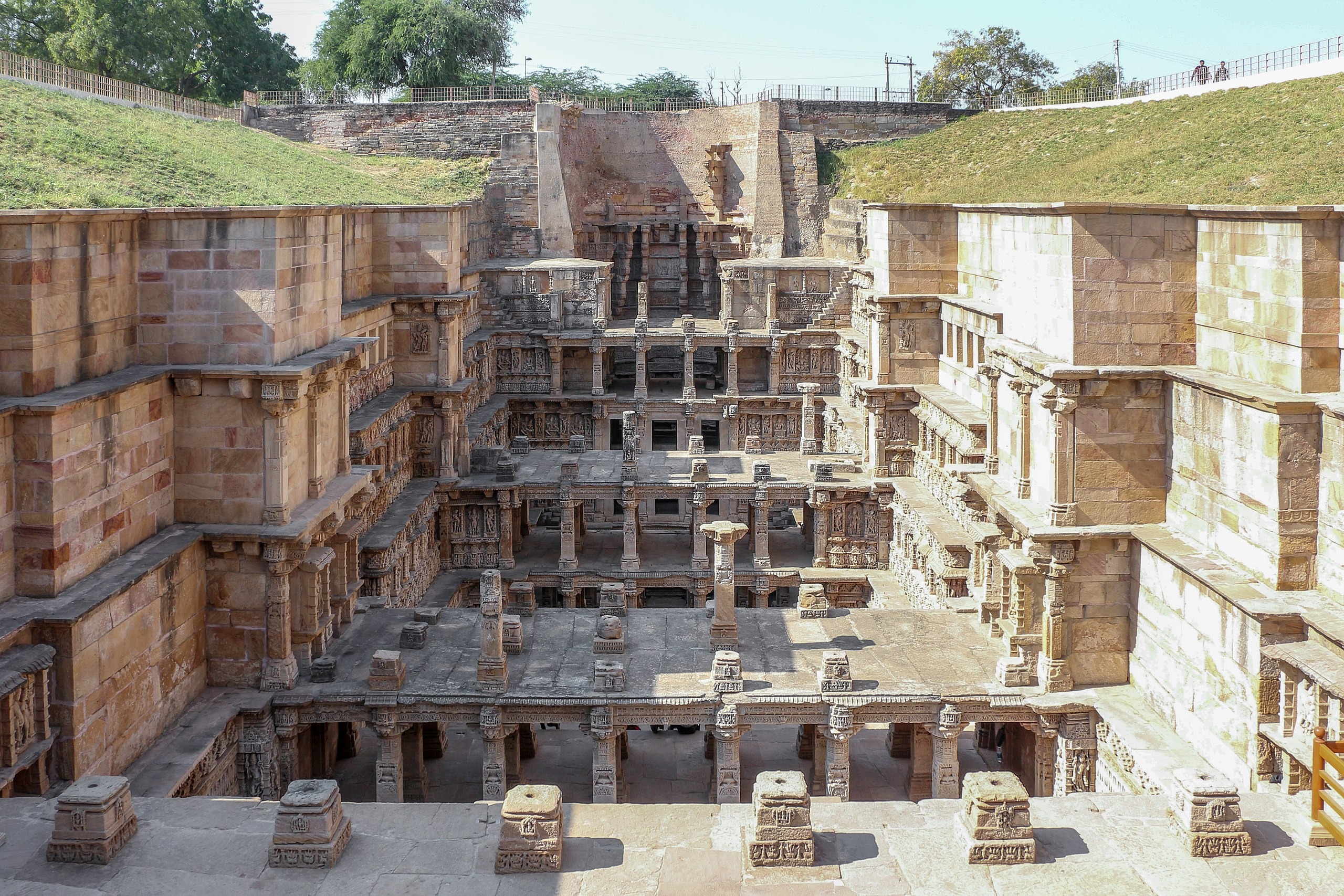
Mehrauli Archaeological Park
A fascinating destination featuring ancient tombs, mosques, stepwells, and monuments dating back centuries.
Garden of Five Senses
A beautifully landscaped garden ideal for nature lovers, photography enthusiasts, and families.
Ahinsa Sthal
A peaceful Jain monument dedicated to non-violence, featuring a massive statue of Lord Mahavira.
DLF Cyber Hub
Located in nearby Gurgaon, this popular dining and entertainment destination offers numerous restaurants, cafés, and cultural events.
Qutub Golf Course
One of Delhi’s well-known golf courses, situated close to the Mehrauli area.
Maps
FAQs
1. What is Chhatarpur Temple famous for?
Chhatarpur Temple is famous for being one of the largest temple complexes in India and for its dedication to Goddess Katyayani, a form of Maa Durga.
2. Who built Chhatarpur Temple?
The temple was established by Baba Sant Nagpal Ji in 1974 as a tribute to Goddess Durga.
3. Is there an entry fee for Chhatarpur Temple?
No. Entry to the temple is completely free for all visitors.
4. Which metro station is closest to the temple?
Chhatarpur Metro Station on the Delhi Metro Yellow Line is the nearest station.
5. When is the best time to visit Chhatarpur Temple?
Navratri is the most popular time to visit, though the winter months from October to February also offer a pleasant experience.
6. Can tourists visit the temple?
Yes. Both devotees and tourists are welcome to explore the temple and admire its architecture.
7. Is photography allowed inside the temple?
Photography rules may vary depending on specific areas within the complex. Visitors should follow the instructions provided by temple authorities.
8. How much time is required for a visit?
Most visitors spend between one and three hours exploring the temple complex and participating in prayers.
9. What is special about the Peepal tree in the temple?
Many devotees tie sacred threads around the tree while making wishes and prayers, believing that the Goddess fulfills sincere desires.
10. Are food facilities available at the temple?
During major festivals, especially Navratri, free meals are served to thousands of devotees. Food stalls and eateries are also available in the surrounding area.