Image Source: Wikimedia
About Keibul Lamjao National Park
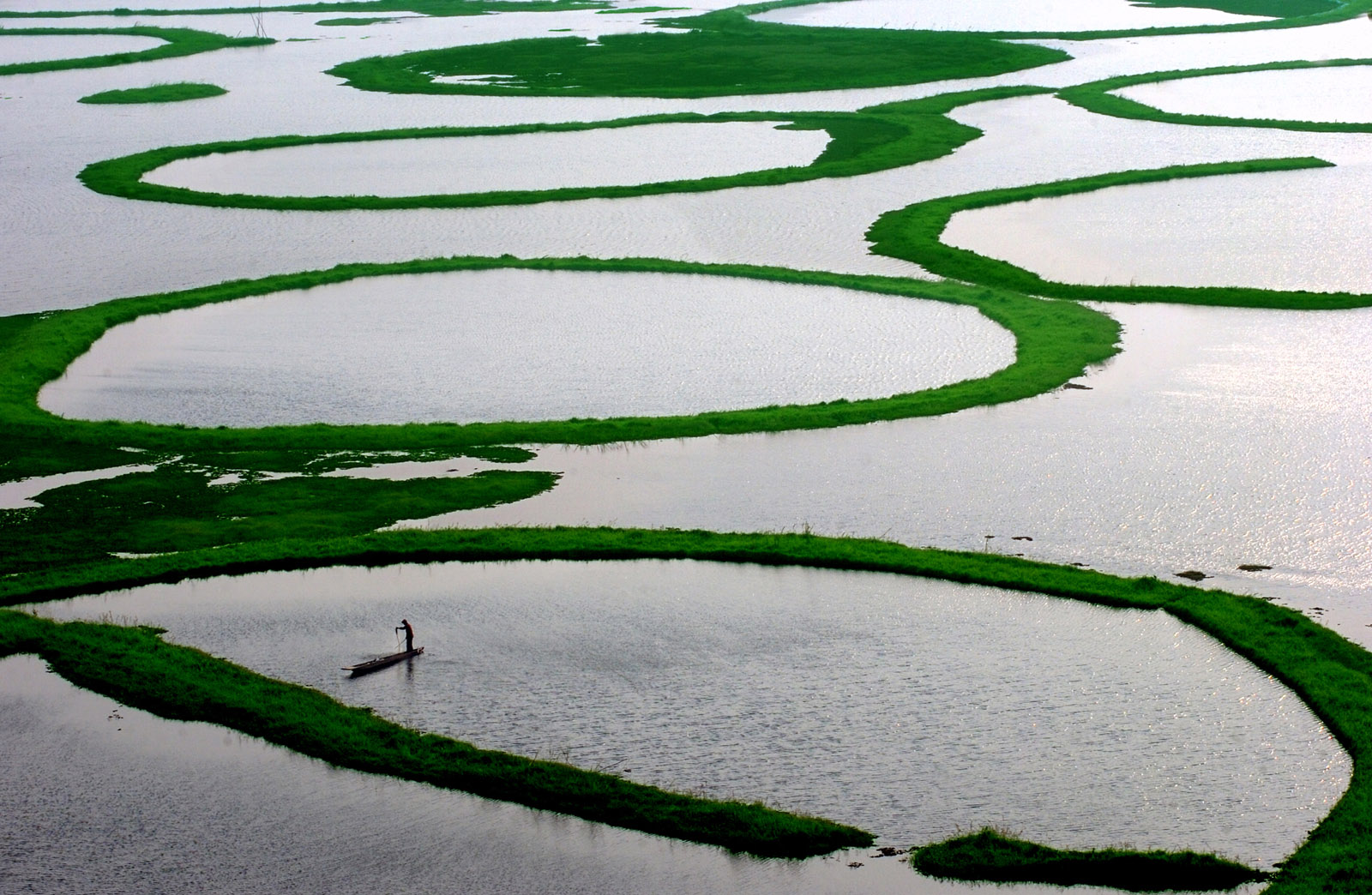
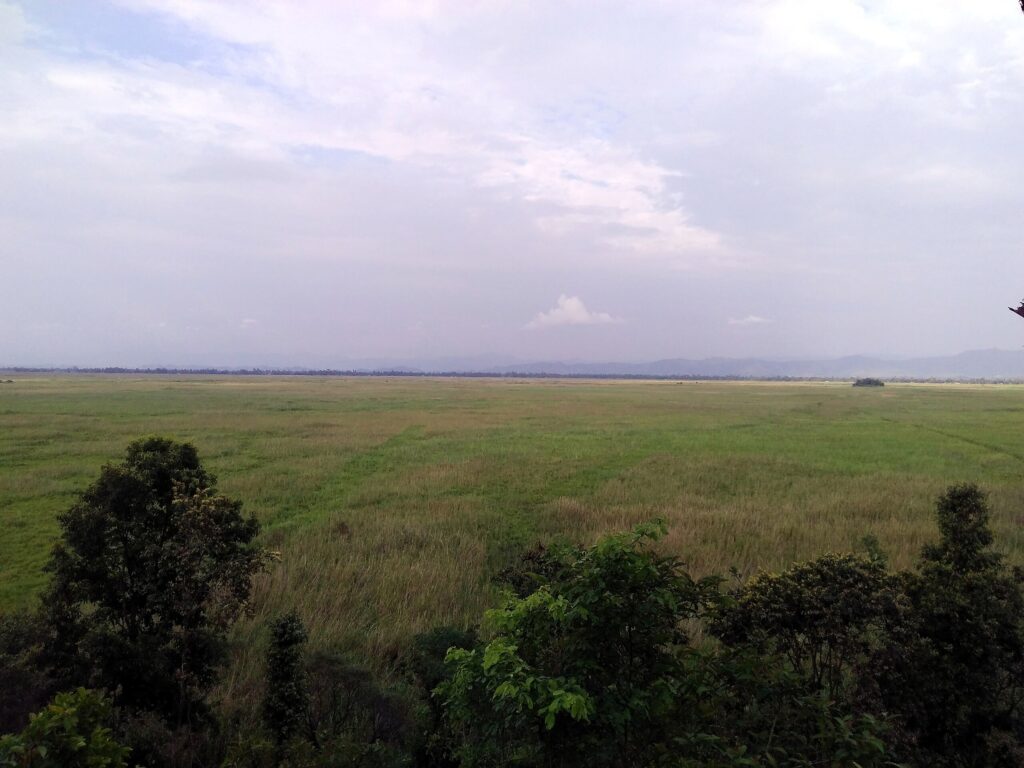
Nestled within the vast waters of Loktak Lake in Manipur, Northeast India, Keibul Lamjao National Park stands as one of the world’s most extraordinary natural landscapes. What makes this park truly remarkable is its global distinction as the world’s only floating national park. Spread across floating masses of vegetation known as phumdis, the park creates a surreal ecosystem unlike any other on Earth.
Beyond its unusual geography, Keibul Lamjao holds immense ecological and cultural importance. It serves as the last natural refuge of the endangered Sangai deer, Manipur’s state animal, often called the “dancing deer” because of its graceful movements across the floating vegetation. For wildlife enthusiasts, photographers, researchers, and travelers seeking unique natural experiences, the park offers a fascinating blend of biodiversity, scenic beauty, and local heritage.
Location and How to Reach
Keibul Lamjao National Park is situated in the southern part of Loktak Lake, around 48 kilometers from Imphal, the capital city of Manipur. Covering nearly 40 square kilometers, the park forms an integral part of the larger Loktak Lake ecosystem, which is vital to the region’s environment and local economy.
The nearest access point is the historic town of Moirang, often considered the gateway to the park. Moirang provides basic tourist facilities, local guides, and transport arrangements. Travelers can easily reach the area by road from Imphal, a journey that typically takes around one to two hours depending on road conditions. From there, boat rides across Loktak Lake allow visitors to explore the park’s floating landscape and access designated viewing areas.
The journey itself is memorable, offering scenic views of the lake, fishing settlements, and floating islands that reveal the close relationship between local communities and this watery ecosystem.
The Floating Wonder: Understanding Phumdis
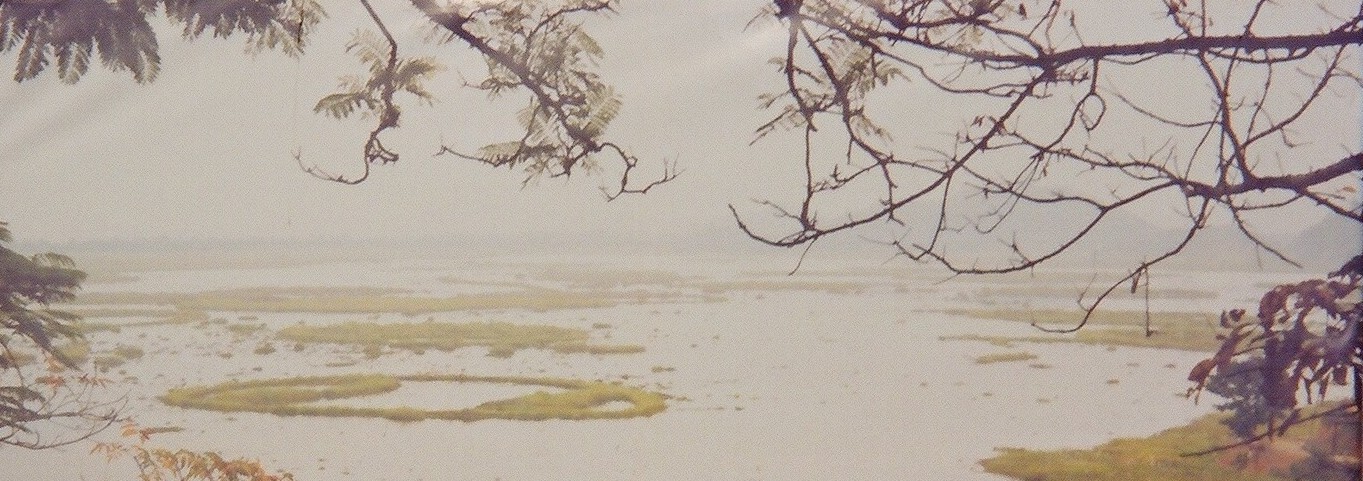
Keibul Lamjao’s defining feature is its floating terrain made up of phumdis. These are naturally occurring masses of vegetation, soil, roots, and decomposed organic matter that float on the lake’s surface. Some phumdis are thick enough to support shrubs, grasses, and even large mammals.
The phumdis constantly shift and reshape themselves in response to seasonal water levels and lake currents. This movement creates an ever-changing environment that is both delicate and resilient. Unlike ordinary wetlands, the ground here is soft and buoyant, creating a landscape that appears to float between land and water.
These floating meadows play a crucial ecological role. They provide shelter, breeding grounds, and food sources for numerous plant and animal species while helping maintain the health of Loktak Lake. Their existence makes Keibul Lamjao a rare ecological phenomenon and an important site for wetland conservation studies worldwide.
The Sangai Deer: Symbol of Survival
Keibul Lamjao National Park is best known as the home of the Sangai deer (Cervus eldi eldi), an animal deeply woven into Manipur’s identity and folklore. The Sangai is an endemic species, meaning it is found naturally only in this region.
Nicknamed the “dancing deer,” the Sangai moves with remarkable elegance across the unstable phumdis, appearing almost to dance on the floating grasslands. Its delicate gait has inspired generations of local stories and cultural symbolism.
The species once faced the threat of extinction, with population numbers dropping dangerously low during the twentieth century. However, dedicated conservation programs, habitat protection measures, and community involvement have helped stabilize and gradually increase its numbers. Today, spotting a Sangai remains a rare and unforgettable experience for visitors, highlighting the importance of preserving this fragile habitat.
Rich Flora and Diverse Wildlife
While the Sangai often steals the spotlight, Keibul Lamjao supports an impressive variety of wildlife and vegetation.
The floating ecosystem is dominated by aquatic grasses, reeds, and wetland plants that thrive on the phumdis. These plants form dense habitats that sustain mammals, reptiles, amphibians, and insects. The surrounding waters of Loktak Lake are also rich in fish species, many of which support the livelihoods of local fishing communities.
Apart from the Sangai deer, the park shelters several other animals, including hog deer, otters, wild boars, and various small mammals. The wetlands also attract reptiles and amphibians adapted to life between land and water.
Birdlife is especially abundant. During winter, migratory birds travel long distances to reach Loktak Lake, transforming the area into a paradise for birdwatchers. Species such as pelicans, ducks, waterfowl, and other migratory birds contribute to the park’s ecological richness and seasonal beauty.
Best Time to Visit
The ideal time to visit Keibul Lamjao National Park is from October to March. During these months, the weather remains pleasant, cool, and relatively dry, making travel and wildlife viewing more comfortable.
Winter is particularly rewarding for birdwatchers because migratory birds arrive in large numbers, adding life and color to the wetlands. Clear skies and calmer waters also enhance photography opportunities and improve visibility for spotting wildlife.
The monsoon season, from June to September, presents a different experience. Heavy rainfall can make transportation and exploration challenging, although the landscape becomes exceptionally green and vibrant. Visitors during this period should prepare for unpredictable weather and limited accessibility.
Conservation Challenges and Environmental Concerns
Despite its protected status and international significance, Keibul Lamjao faces several environmental challenges.
One major concern is the shrinking and degradation of phumdis. Changes in water levels, partly linked to hydropower projects and altered lake management, have disrupted the natural cycle that sustains the floating vegetation. Pollution, human encroachment, and excessive resource extraction further threaten the lake ecosystem.
These environmental pressures directly impact the Sangai deer and other wildlife that depend on stable phumdis for survival. As the floating habitat weakens, the delicate ecological balance becomes increasingly vulnerable.
To address these concerns, government agencies, conservation groups, and local communities are working together on restoration projects, habitat monitoring, and sustainable tourism initiatives. Public awareness and responsible visitor behavior remain essential in ensuring the long-term protection of this unique landscape.
Visitor Experience and Activities
A visit to Keibul Lamjao offers more than conventional wildlife tourism. The park provides immersive experiences that combine nature, adventure, and cultural learning.
Guided Boat Tours
Boat rides across Loktak Lake are among the most popular activities. These guided excursions allow visitors to observe floating islands, wetland vegetation, and birdlife while learning about the ecosystem from local guides.
Wildlife Observation
Observation towers and designated viewpoints provide opportunities to search for the elusive Sangai deer and other wildlife. Early mornings and late afternoons generally offer the best chances for sightings.
Birdwatching and Photography
The combination of floating grasslands, reflective waters, and seasonal bird migrations makes the park a dream destination for photographers and bird enthusiasts.
Cultural Exploration
Nearby villages around Loktak Lake provide insight into traditional lifestyles centered on fishing and wetland living. Visitors can learn how local communities have coexisted with the lake ecosystem for generations and how conservation efforts affect their livelihoods.
Why Keibul Lamjao Matters
Keibul Lamjao National Park is more than a tourist destination—it is a symbol of ecological uniqueness and environmental resilience. Its floating ecosystem, endangered wildlife, and deep cultural connections make it one of India’s most valuable natural treasures.
Protecting Keibul Lamjao means preserving not only the Sangai deer but also an entire way of life linked to Loktak Lake. As climate pressures and environmental changes continue to challenge fragile ecosystems worldwide, the park stands as a reminder of the delicate balance between nature and human activity.
Google Maps
FAQs
1. Why is Keibul Lamjao National Park famous?
Keibul Lamjao National Park is famous for being the world’s only floating national park and for serving as the natural habitat of the endangered Sangai deer.
2. Where is Keibul Lamjao National Park located?
The park is located in Manipur, Northeast India, within the Loktak Lake ecosystem, approximately 48 kilometers from Imphal.
3. What are phumdis?
Phumdis are floating masses of vegetation, soil, and decomposed organic matter that form the unique floating landscape of the park.
4. Which animal is the main attraction of the park?
The Sangai deer, also known as the dancing deer, is the park’s most iconic and endangered species.
5. What is the best time to visit Keibul Lamjao National Park?
The best time to visit is from October to March when the weather is pleasant and migratory birds are present.
6. Can visitors take boat rides inside the park?
Yes. Guided boat tours across Loktak Lake are one of the main ways to explore the park and observe its floating ecosystem.
7. Are there birdwatching opportunities in the park?
Yes. Keibul Lamjao attracts numerous migratory and resident bird species, making it an excellent destination for birdwatching.
8. What conservation issues does the park face?
The park faces challenges such as shrinking phumdis, pollution, changing water levels, and habitat degradation, all of which threaten its wildlife and ecosystem.
9. Is Keibul Lamjao suitable for eco-tourism?
Yes. The park is considered an important eco-tourism destination, provided visitors follow responsible and sustainable travel practices.
10. How long should visitors plan for a trip?
A day trip from Imphal is possible, but spending one to two days in the Loktak Lake region allows for a more relaxed and enriching experience.