Image Source: Houruoha
About Senapati
Nestled in the northern part of Manipur, Senapati is a breathtaking hill district celebrated for its scenic beauty, cool climate, and rich cultural heritage. Often called the “Gateway to Manipur’s Hills,” this peaceful destination welcomes travelers with rolling green landscapes, mist-covered mountains, and an atmosphere that feels far removed from the rush of city life. For nature lovers, adventure seekers, and cultural explorers alike, Senapati offers an experience that is both refreshing and deeply memorable.
A Land of Natural Beauty
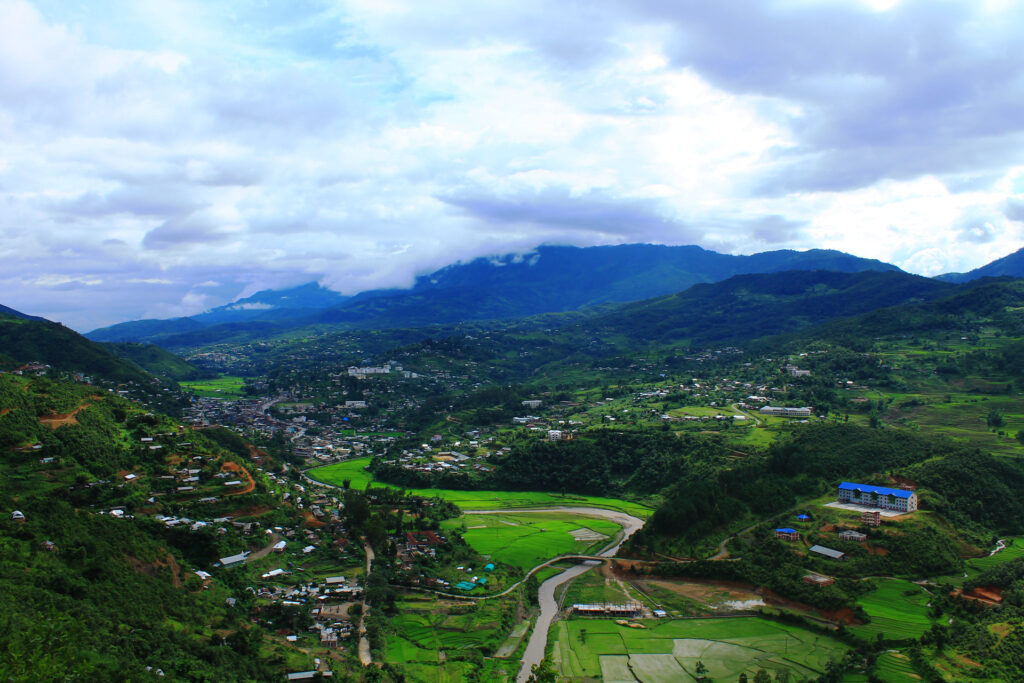
Senapati is blessed with some of the most captivating landscapes in Northeast India. The district is characterized by lush valleys, dense forests, winding rivers, and dramatic hill ranges that create spectacular panoramic views. The pristine environment, largely untouched by heavy urbanization, gives the region a sense of calm and authenticity that many travelers seek today.
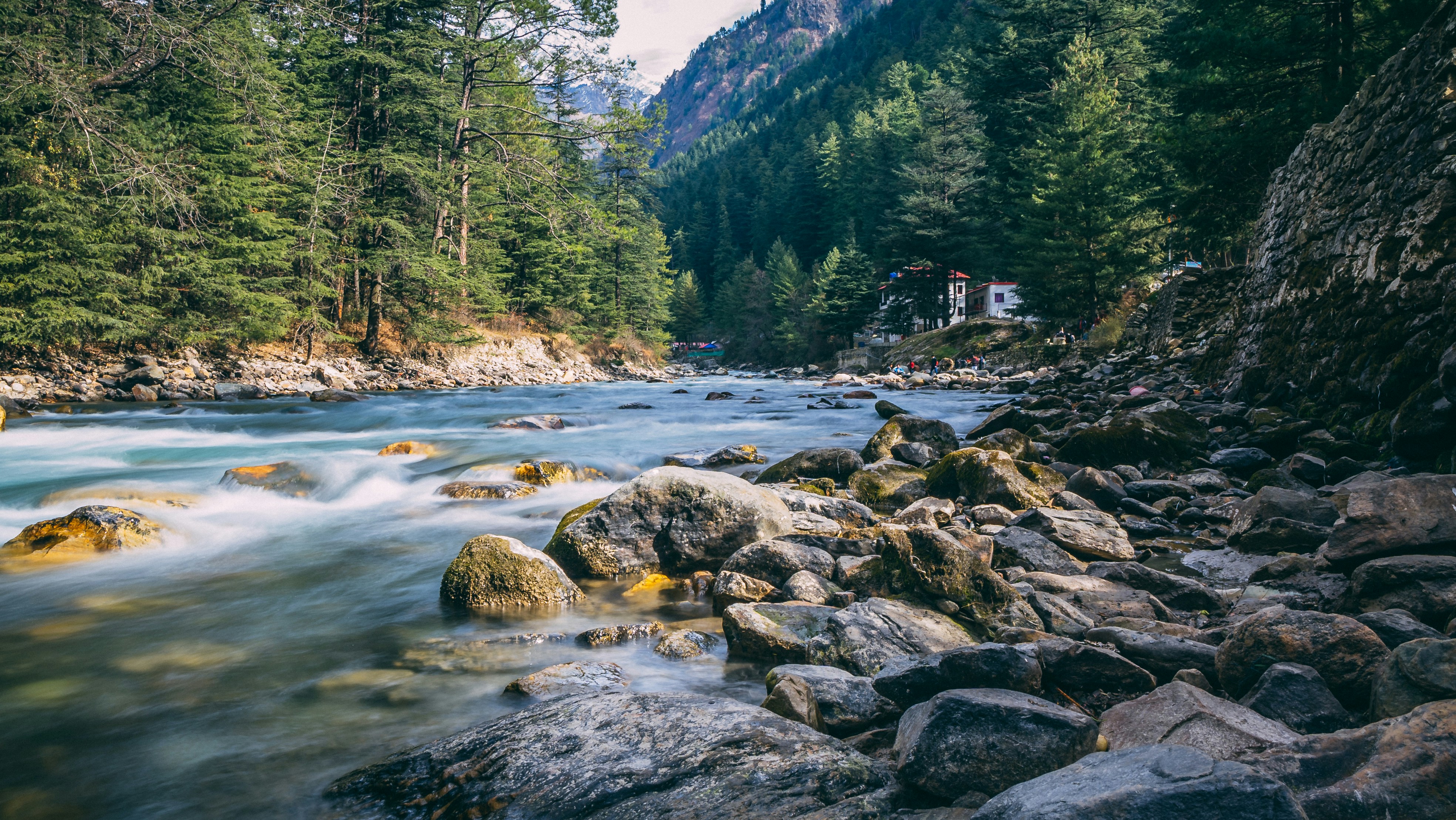
Rivers and streams, including the Barak River and Makhel streams, flow gracefully through the hills, enhancing the district’s natural charm. During certain seasons, the hillsides bloom with wildflowers, painting the landscape with vibrant colors and creating postcard-worthy scenery. Early mornings often arrive wrapped in mist, while evenings bring cool mountain breezes that make outdoor exploration especially enjoyable.
The pleasant climate is another reason Senapati stands out as a travel destination. The weather remains cool for much of the year, making trekking, sightseeing, and village visits comfortable and rewarding.
Cultural and Historical Significance
Beyond its natural beauty, Senapati is a region deeply rooted in culture and history. It is home to several Naga tribes, including the Mao, Maram, and Poumai communities, each preserving distinct traditions, languages, and ways of life. This cultural diversity gives Senapati a unique identity and offers visitors a rare opportunity to experience living heritage.
Traditional festivals, folk songs, and ceremonial dances play an important role in community life. Brightly colored traditional attire, handcrafted ornaments, and age-old rituals reflect the tribes’ strong connection to their ancestors and the land they inhabit. Many villages continue to preserve customs passed down through generations, making cultural interactions both educational and meaningful.
One of the most memorable aspects of visiting Senapati is the hospitality of its people. Visitors are often welcomed warmly and encouraged to learn about local traditions, cuisine, and everyday life. This openness creates genuine cultural exchanges that leave lasting impressions.
Local Experiences and Things to Do
Senapati offers a variety of experiences for travelers seeking both adventure and cultural discovery. Trekking is among the most popular activities, with gentle hill trails and scenic routes leading through forests, valleys, and mountain ridges. These walks provide opportunities to appreciate the district’s biodiversity and breathtaking views.
Village tourism is another enriching experience. Exploring tribal settlements allows visitors to observe indigenous lifestyles, traditional architecture, and local farming practices. Travelers can also discover handmade crafts and handwoven textiles that showcase remarkable skill and creativity.
The district’s weekly markets are lively and colorful gathering spaces where locals trade fresh produce, spices, traditional foods, and handicrafts. These markets provide a glimpse into everyday life and are excellent places to purchase authentic souvenirs and locally made products.
Food lovers may also enjoy trying regional Naga and Manipuri cuisine, which often features smoked meats, fresh herbs, fermented ingredients, and locally grown vegetables. The flavors are distinct and offer an authentic taste of the region’s culinary heritage.
Popular Attractions Near Senapati
Several remarkable attractions around Senapati add to its appeal and make it an ideal base for exploration.
Known for its rolling meadows and seasonal flowers, Dzukou Valley is one of Northeast India’s most celebrated trekking destinations. Its dramatic landscapes and peaceful surroundings attract nature enthusiasts and photographers from across the country.
Mao Gate
Mao Gate serves as an important entry point between Manipur and Nagaland. Surrounded by scenic hills, it is both a strategic location and a charming stop for travelers exploring the region.
Makhel Village
Makhel holds immense historical and cultural importance and is widely believed to be the ancestral homeland of the Nagas. The village preserves stories, monuments, and traditions linked to Naga history, making it a meaningful destination for those interested in regional heritage.
Travel Tips for Visiting Senapati
Planning ahead can help make a trip to Senapati more comfortable and enjoyable.
Best Time to Visit:
The ideal time to visit is between October and May, when the weather remains cool, skies are generally clear, and travel conditions are favorable.
Getting There:
Senapati is located approximately 60 kilometers from Imphal and is connected through NH-2. Travelers can reach the district by private car, taxi, or bus from the state capital.
What to Pack:
Since temperatures can be chilly, especially during mornings and evenings, carrying light woolens or jackets is recommended. Comfortable walking shoes are useful for trekking and village exploration.
Responsible Travel:
Visitors are encouraged to respect local customs, seek permission before photographing people or cultural ceremonies, and help preserve the district’s natural environment by avoiding litter and supporting local businesses.
How to Reach Senapati
By Air
The nearest airport is Bir Tikendrajit International Airport in Imphal. From there, taxis and shared vehicles are available for the approximately 60 km journey to Senapati.
By Rail
The nearest major railway station is Dimapur Railway Station. Travelers can hire a taxi or take a bus from Dimapur to Senapati.
By Road
Senapati is well connected by National Highway 2, linking it with Imphal, Dimapur, and other towns in Northeast India. Regular buses, shared taxis, and private vehicles operate on this route. The drive offers beautiful views of forests, hills, and traditional Naga villages.
Nearby Attractions
Dzukou Valley
One of Northeast India’s most celebrated trekking destinations, Dzukou Valley is famous for its seasonal wildflowers, rolling grasslands, and breathtaking mountain scenery.
Makhel Heritage Village
Makhel is regarded as an important ancestral site in Naga history and culture. Visitors can explore historical monuments, traditional stories, and heritage landmarks associated with Naga origins.
Mao
Located near the Manipur–Nagaland border, Mao is known for its pleasant climate, scenic landscapes, and vibrant tribal traditions. It is one of the most popular hill destinations in the district.
Naamai Zho Eco Tourism Park
A beautiful eco-tourism destination near Koide village, offering viewpoints, landscaped surroundings, and opportunities for nature photography.
Sadim Lizai lake
A serene lake surrounded by greenery, ideal for relaxation, picnics, and photography.
Souhotao Viewpoint
Tourist attraction•Open
A scenic viewpoint offering panoramic views of the surrounding hills and valleys, especially beautiful during sunrise and sunset.
Maram Khullen
A traditional village known for its cultural heritage, scenic landscapes, and proximity to trekking routes and viewpoints.
Zaimeng Lake
A tranquil waterbody surrounded by natural beauty, popular among visitors seeking peaceful outdoor experiences.
Senapati is an excellent destination for travelers interested in nature, trekking, indigenous culture, and offbeat experiences. Whether you’re exploring the famous Dzukou Valley, discovering heritage villages, or enjoying the district’s viewpoints and lakes, the region offers a refreshing escape into the hills of Manipur.
Why Visit Senapati?
Senapati is more than just a scenic hill district—it is a place where nature, culture, and history come together in remarkable harmony. Its untouched landscapes, vibrant tribal traditions, and peaceful atmosphere make it a destination that appeals to travelers seeking authentic experiences rather than crowded tourist hotspots. Whether you come for the mountains, cultural encounters, or quiet moments in nature, Senapati offers memories that stay with you long after the journey ends.
Google Maps
FAQs
1. Where is Senapati located?
Senapati is a hill district located in northern Manipur, India, approximately 60 kilometers from Imphal.
2. Why is Senapati called the “Gateway to Manipur’s Hills”?
Senapati serves as an important entry point to the hill regions of Manipur and connects travelers to several scenic and culturally significant areas.
3. What is the best time to visit Senapati?
The best time to visit is from October to May when the weather is cool and pleasant, making sightseeing and outdoor activities more enjoyable.
4. What are the main attractions in Senapati?
Major attractions include Dzukou Valley, Mao Gate, Makhel village, scenic hill trails, tribal villages, and local markets.
5. What cultural communities live in Senapati?
Senapati is home to several Naga tribes, including the Mao, Maram, and Poumai communities, each with unique traditions and cultural practices.
6. Is Senapati suitable for trekking and nature tourism?
Yes, Senapati is ideal for trekking, nature walks, photography, and eco-tourism due to its forests, hills, and scenic landscapes.
7. How can travelers reach Senapati from Imphal?
Travelers can reach Senapati via NH-2 using taxis, buses, or private vehicles from Imphal.
8. Are there local markets in Senapati?
Yes, Senapati’s weekly markets are popular for fresh produce, traditional foods, handwoven textiles, and tribal handicrafts.