Image Source: Arunachal2009
About Jairampur World War II Cemetery
Tucked deep within the emerald forests of Changlang district, the Jairampur World War II Cemetery is one of Arunachal Pradesh’s most hauntingly beautiful historical sites.
Situated along the storied Stilwell Road (Ledo Road), this “hidden cemetery” lies just 6 km from Jairampur town and 24 km before Pangsau Pass on the Indo-Myanmar border. Resting on the banks of the Namchik River, this three-acre burial ground holds nearly 1,000 graves of Allied soldiers from different corners of the world, a silent testimony to the sacrifices made during the brutal campaigns of the China Burma India theatre of World War II.
Travel Experience
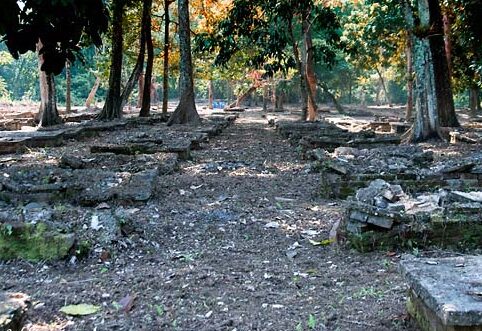
Approaching the cemetery from the Jairampur to Nampong road, you first notice the moss-covered concrete boundary posts enclosing the site, with entrances on three sides. Inside, the graves are arranged in five long lines and multiple rows, with a strikingly larger grave, possibly a mass burial, at the centre. Some of the bricks still bear historic markings from Ledo AR&T Co.’s brick fields.
The atmosphere here is surreal. Dense jungle foliage, the distant murmur of the Namchik River, and occasional bird calls create a serene yet sombre setting. The cemetery’s solitude feels even more profound when you learn that many of these soldiers, Chinese, Kachin, Indian, British, and American, perished not only from battle but from malaria, dysentery, landslides, and exhaustion while building or defending the perilous Stilwell Road through the Patkai and Shindbwiyang ranges.
One particularly moving epitaph belongs to Major Hsiao Chu Ching of the Chinese Army’s Independent Engineers. Born in July 1913 in Wei County, Hapeh Province, he died in December 1943, with his company honouring him on January 5, 1944.
Unique Historical Context
Constructed between December 1942 and May 1945, the Stilwell Road was a lifeline connecting Ledo in Assam to Kunming in China via Burma, bypassing Japanese-held territories. Thousands of soldiers laboured in extreme conditions, carving a path through unforgiving jungles and mountains. Many never made it home. The cemetery served as the final resting place for those who died on-site or in nearby field hospitals such as the 20th General Hospital and the 111th Station Hospital, which have long since vanished.
Today, the site is both a historical treasure and a fragile heritage location, with some graves damaged by wild elephants, weather, and neglect.
How to Reach
By Air: The nearest airport is Mohanbari in Dibrugarh, located around 141 kilometres away.
By Train: The nearest passenger rail stop is Ledo Railway Station (40 kilometres), while Tinsukia (100 kilometres) handles long-distance trains.
By Road: The cemetery is only 6 kilometres from Jairampur bus station. Taxis and buses connect from Assam’s Tinsukia and Margherita.
Best Time to Visit
From November to March, when the skies are clear and jungle roads are more accessible. The monsoon season can be treacherous due to landslides.
Traveller’s Insight
The Jairampur World War II Cemetery is not just a site for history enthusiasts. It is a poignant memorial that connects you to a global story of courage, loss, and endurance. Standing among its weathered headstones, with the Patkai hills rising in the distance, you realise that this quiet corner of Arunachal holds a history as vast as the jungles surrounding it.
Nearby Attractions
The Jairampur World War II Cemetery is one of the most significant historical sites in Arunachal Pradesh. Located along the historic Stilwell Road in Changlang district, about 6 km from Jairampur town, the cemetery contains nearly 1,000 graves of Allied soldiers, including Chinese, Indian, British, American, and Kachin personnel who lost their lives during the Burma Campaign of World War II. Hidden amidst dense forests near the Namchik River, the cemetery stands as a solemn reminder of the sacrifices made during the construction and defense of the Stilwell Road.
1. Pangsau Pass (Hell Pass)
Located about 24 km from the cemetery, Pangsau Pass lies on the India–Myanmar border and was an important gateway during World War II. Surrounded by the Patkai Hills, it offers spectacular mountain views and historical significance related to the Stilwell Road.
2. Stilwell Road
The famous Stilwell Road, also known as the Ledo Road, is itself a major attraction. Built during World War II to connect India with China through Myanmar, this engineering marvel passes directly by the cemetery and offers travelers a journey through history.
3. Jairampur Town
Jairampur serves as the gateway to the cemetery and nearby attractions. The town offers insights into local culture and acts as a convenient base for exploring the historic sites of the region.
4. Namchik River
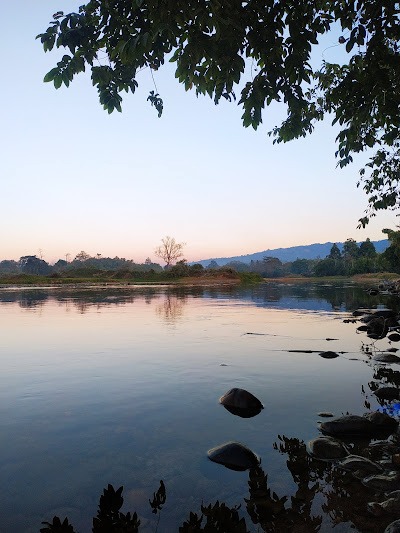
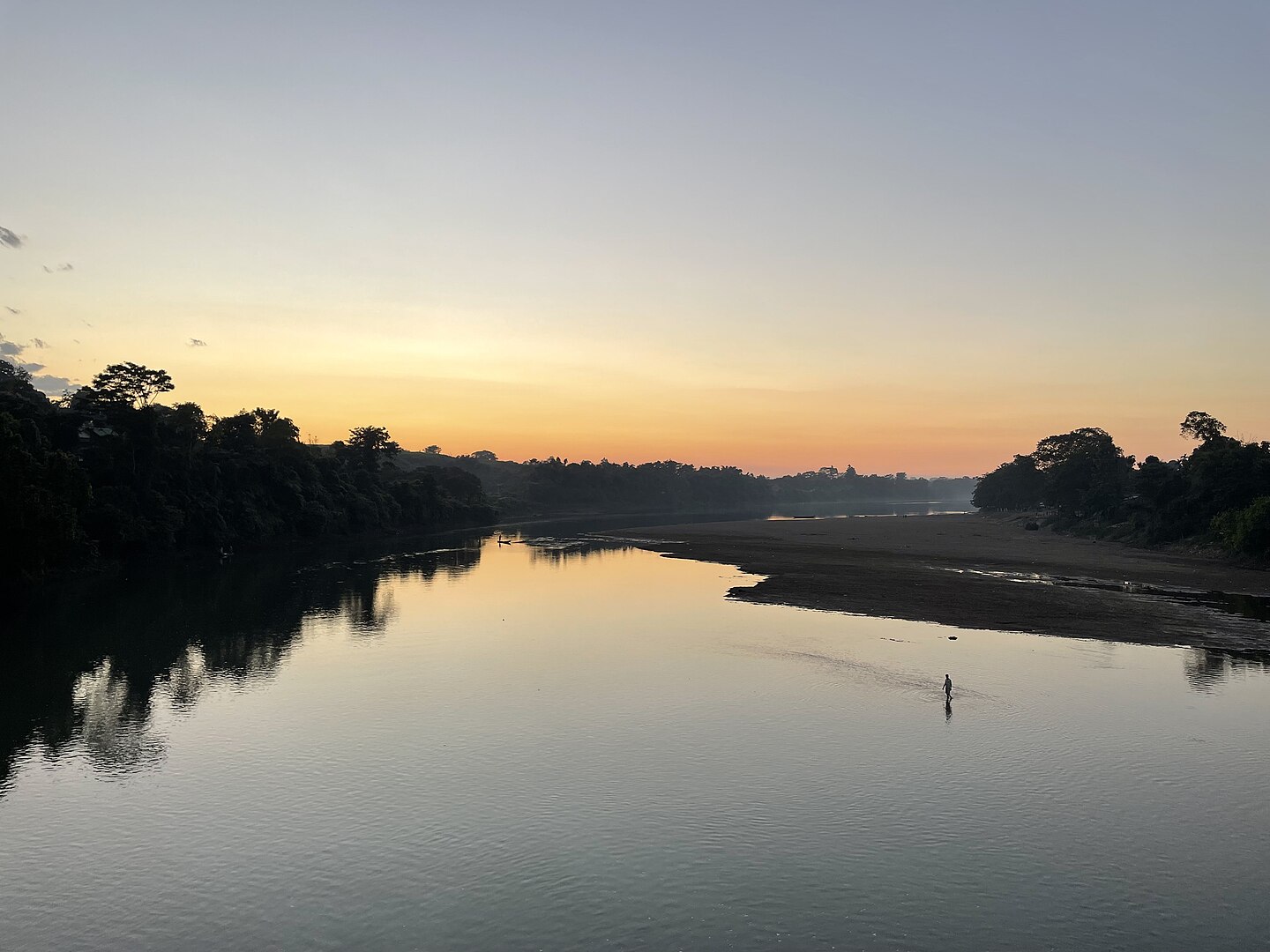
Flowing beside the cemetery, the Namchik River adds scenic beauty to the area. The riverbanks provide peaceful surroundings and excellent opportunities for photography and nature walks.
5. Nampong
Located near the Indo-Myanmar border, Nampong is a picturesque town surrounded by forests and hills. It serves as an important stop for travelers heading toward Pangsau Pass and the border region.
6. Lake of No Return
Situated close to Pangsau Pass on the Myanmar side, this legendary lake is associated with numerous wartime stories and aviation mysteries from World War II. It remains one of the most intriguing landmarks connected to the region’s wartime history.
7. World War II Museum, Jairampur
The museum near the cemetery displays photographs, artifacts, military equipment, and historical documents related to the World War II campaigns fought in the region. It helps visitors better understand the significance of the cemetery and Stilwell Road.
8. Patkai Hills
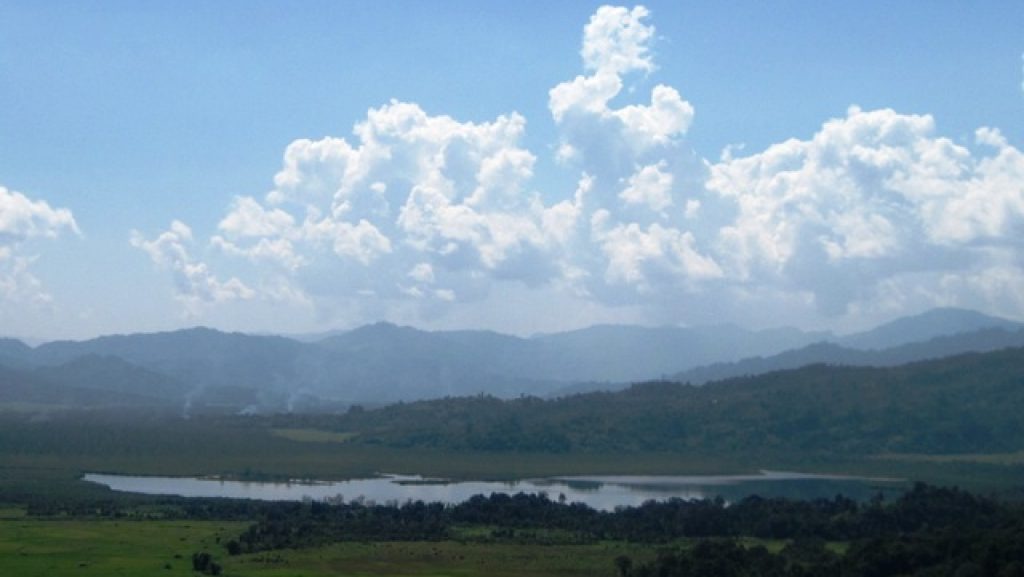
The Patkai mountain range surrounding Jairampur offers stunning landscapes, dense forests, and rich biodiversity. The hills form a beautiful backdrop for travelers exploring the region.
9. Miao
Located within Changlang district, Miao is known for its scenic beauty, tribal culture, and as a gateway to the Namdapha region. It makes an excellent addition to a historical and nature-focused itinerary.
10. Namdapha National Park
One of India’s largest national parks, Namdapha is famous for its tropical forests, rare wildlife, birdwatching opportunities, and trekking routes. Nature enthusiasts often combine a visit to the cemetery with a trip to this remarkable wilderness area.
Google Maps
FAQs
1. Where is Jairampur World War II Cemetery located?
The cemetery is located on the historic Stilwell Road near Jairampur in Changlang district, Arunachal Pradesh, approximately 6 km from Jairampur town.
2. Why is the cemetery famous?
It is famous for containing nearly 1,000 graves of Allied soldiers who died during World War II while serving in the China-Burma-India theatre and during the construction of the Stilwell Road.
3. Which countries’ soldiers are buried here?
The cemetery contains graves of Chinese, Indian, British, American, and Kachin soldiers and workers who participated in the Allied war effort.
4. When was the cemetery discovered?
Although it dates back to World War II, the cemetery was rediscovered in 1997 after remaining hidden under dense jungle vegetation for decades.
5. What is the best time to visit?
The best time to visit is between October and April when weather conditions are pleasant and road access is generally better.
6. How can I reach the cemetery?
Visitors can travel to Jairampur by road from Tinsukia, Dibrugarh, Margherita, or Ledo in Assam. The cemetery is located about 6 km from Jairampur town. The nearest airport is Dibrugarh Airport, while Ledo and Tinsukia are the nearest railway stations.
7. Is an Inner Line Permit (ILP) required?
Yes. Indian citizens require an Inner Line Permit (ILP) to enter Arunachal Pradesh. Foreign nationals must obtain the necessary permits before visiting the region.
8. How many graves are present in the cemetery?
The cemetery contains approximately 1,000 graves spread across an area of about three acres.
9. Is there a museum near the cemetery?
Yes. A World War II Museum has been developed near Jairampur to preserve and showcase artifacts, photographs, and documents related to the wartime history of the area.
10. What makes the cemetery unique?
The cemetery is one of the largest World War II burial grounds in Northeast India and serves as a rare reminder of the multinational Allied effort in the China-Burma-India theatre. Its location along the historic Stilwell Road and amidst dense forests makes it both historically significant and visually striking.