Image Source: PP Yoonus
About Gompas of Bomdila
Set against the misty hills of Arunachal Pradesh, the gompas (monasteries) of Bomdila are much more than just places of worship—they’re at the heart of everyday Tibetan Buddhist life in this part of the region.
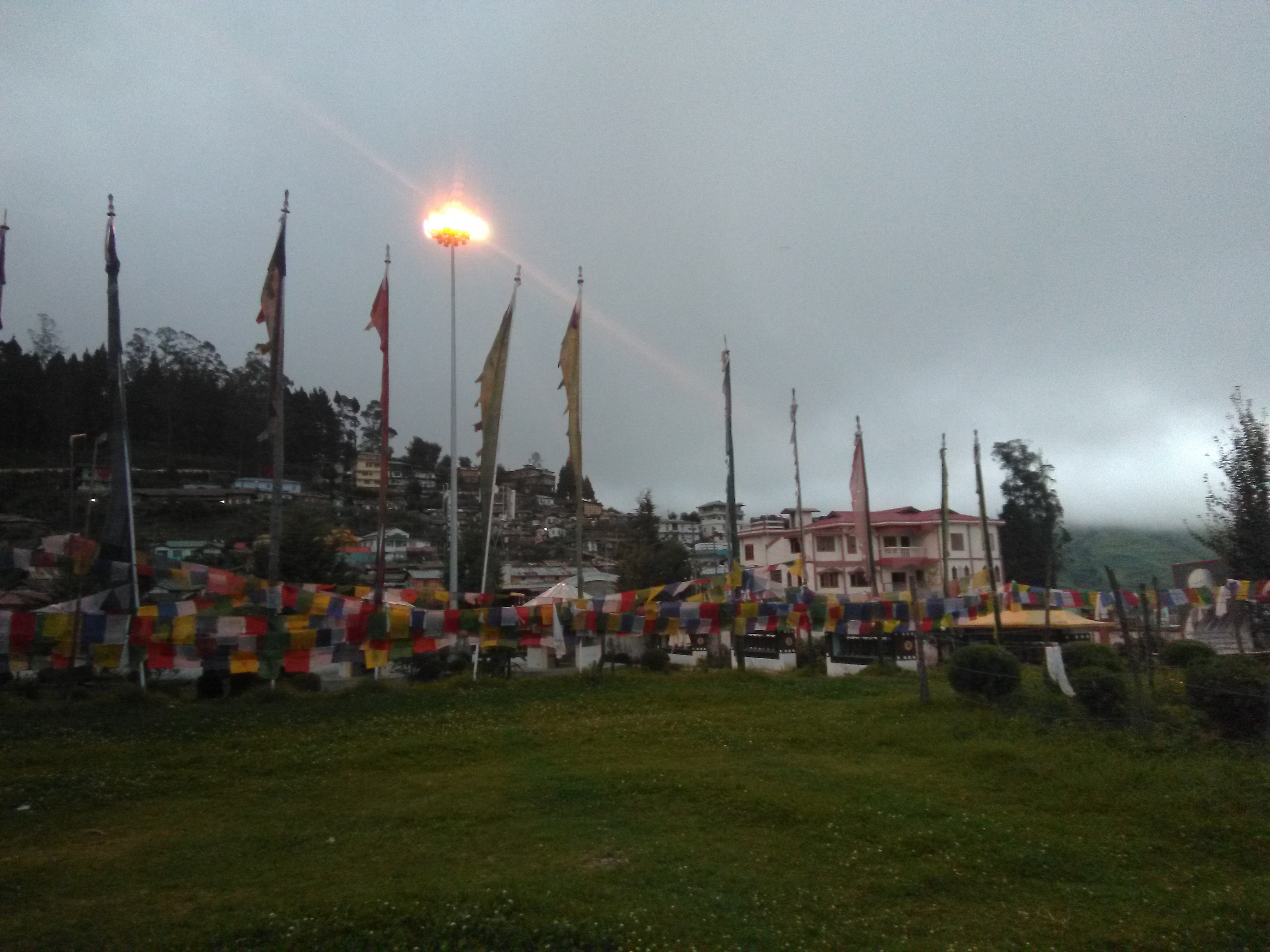
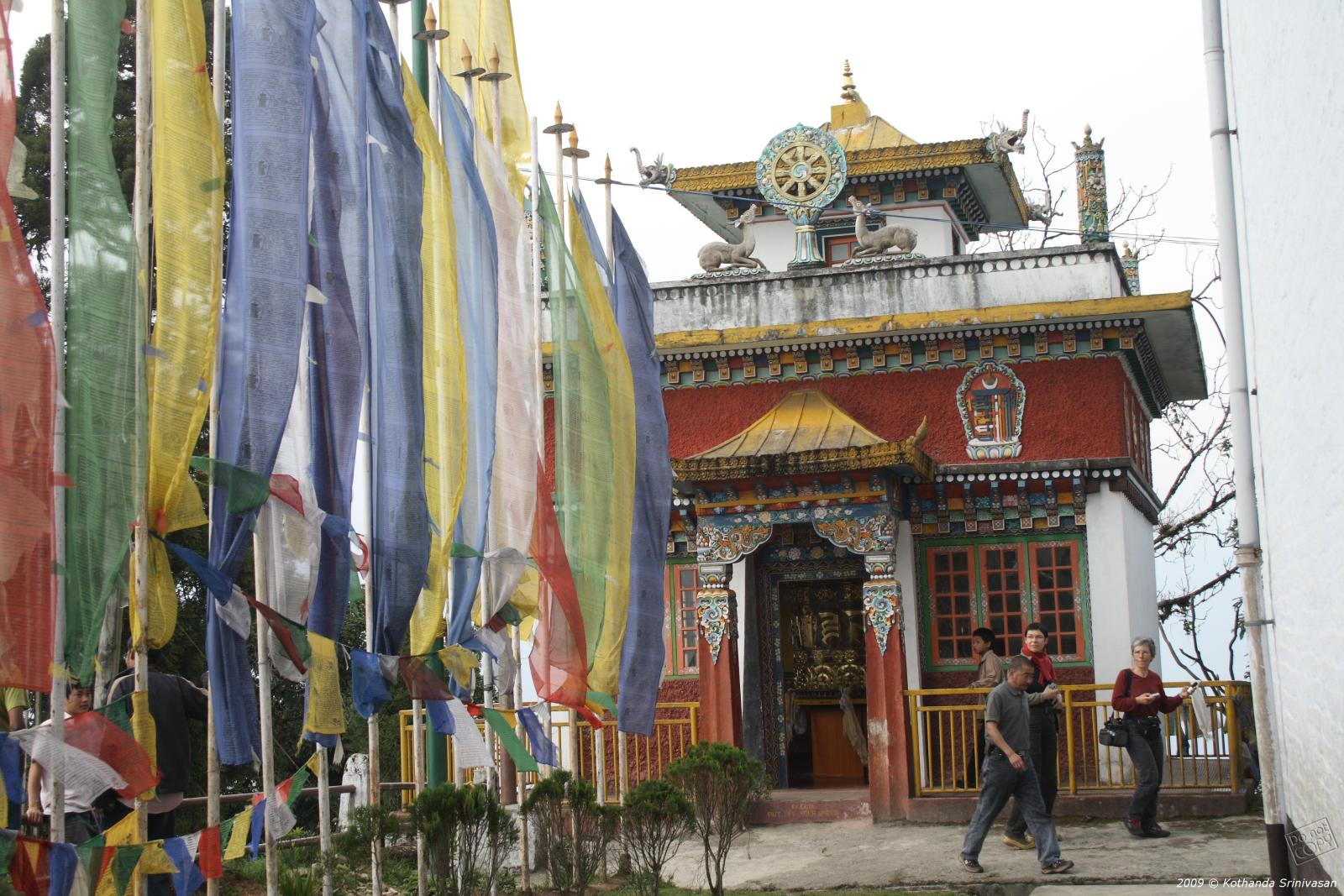
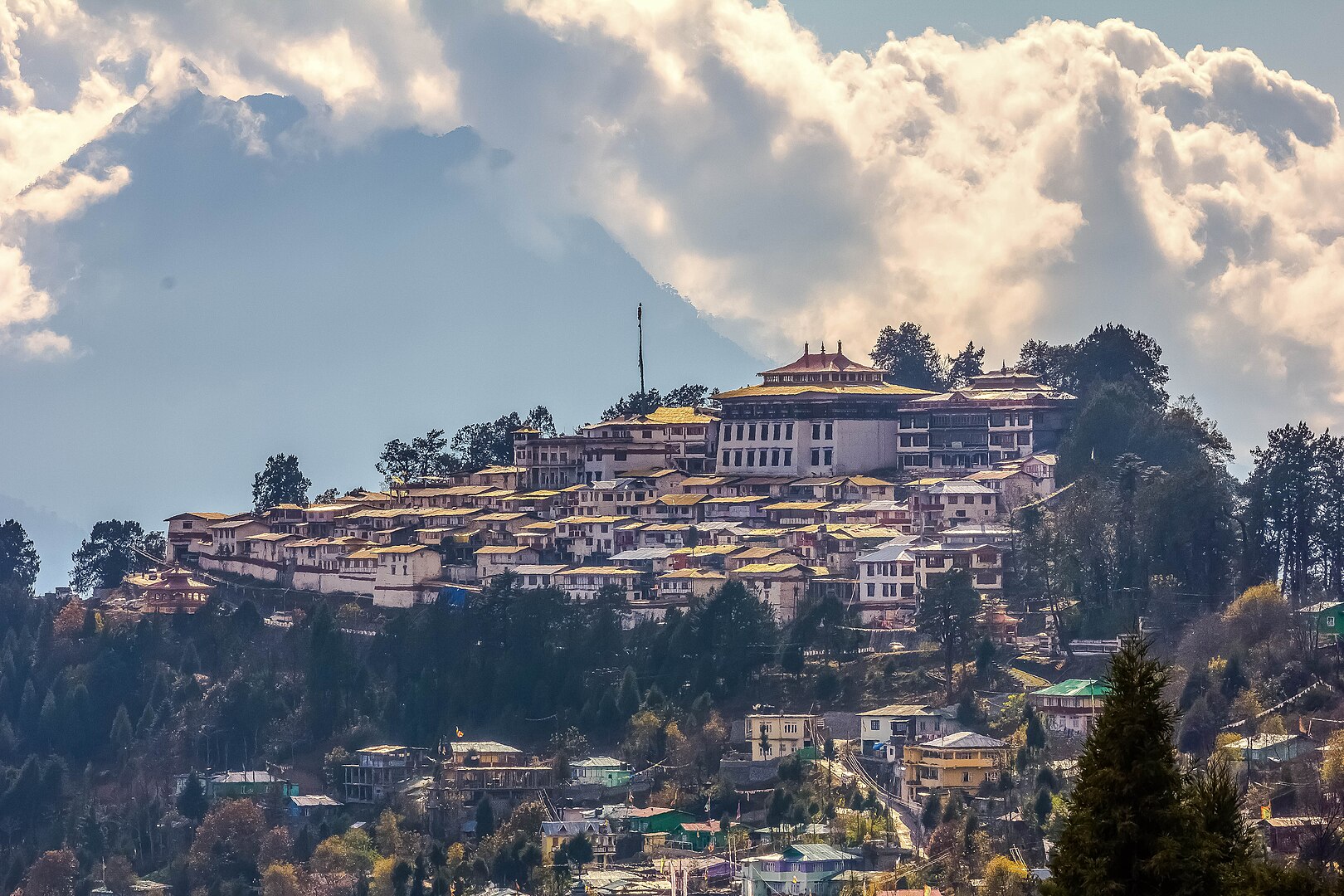
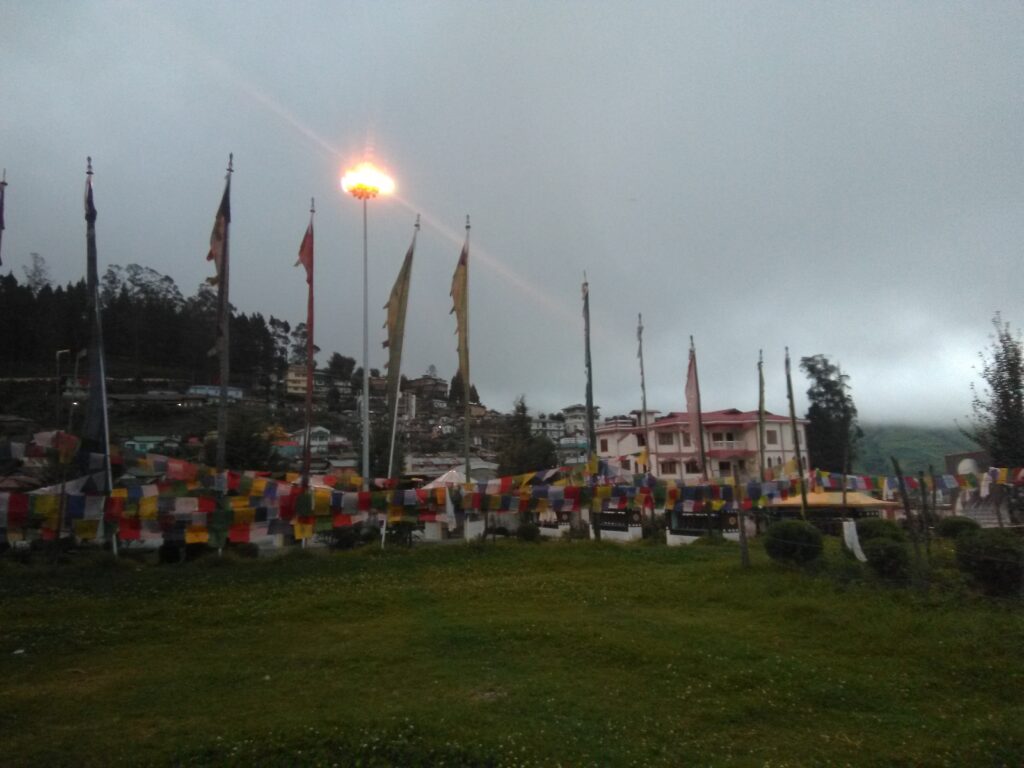
Bomdila, a quiet hill town, is home to several monasteries, each belonging to different traditions of Tibetan Buddhism. The most prominent among them is the Bomdila Monastery (Upper Gompa). With colorful prayer flags fluttering in the wind, golden rooftops catching the sunlight, and the soft chants of monks echoing through the halls, the atmosphere here feels peaceful yet deeply alive.
Historical & Cultural Significance
The main monastery in Bomdila follows the Gelugpa tradition—the same lineage led by Dalai Lama. It was established in 1965 under the guidance of the 12th reincarnation of Tsona Gontse Rinpoche. Since then, it has become an important center for learning, meditation, and community gatherings.
Apart from the Upper Gompa, there are two others worth visiting:
- Middle Gompa – Located right in the town, it plays a key role in preserving local culture and teaching Buddhist philosophy, especially to younger generations.
- Lower Gompa – Smaller and quieter, this one is perfect if you’re looking for a more personal and peaceful meditation experience.
The gompas also come alive during festivals like Losar and Torgya Festival. During these times, the monasteries turn vibrant with masked dances, butter lamp rituals, and community feasts—offering a glimpse into the region’s rich cultural traditions.
Architecture & Atmosphere
Each gompa in Bomdila has its own unique charm:
Upper Gompa
Inspired by the Tsona Gontse Monastery in Tibet, this is the largest and most elaborate. Inside, you’ll find a grand prayer hall adorned with colorful murals depicting Buddhist deities and scenes from the life of the Buddha. At the center sits a striking statue of Shakyamuni Buddha, surrounded by rows of smaller idols.
Middle Gompa
Known for its detailed thangka paintings, this monastery has a calm courtyard where locals often gather, especially in the evenings.
Lower Gompa
Simple in design but deeply peaceful, it offers a quiet meditation hall and a closer look at daily monastic life.
As you walk around, you’ll notice prayer wheels lining the pathways. Spinning them is believed to send out the sacred mantra “Om Mani Padme Hum,” adding to the spiritual rhythm of the place.
How to Reach
By Air:
The nearest airport is Tezpur Airport, about 160 km away. From there, it’s a scenic drive up to Bomdila.
By Train:
The closest railway station is Rangapara North Railway Station, roughly 145 km away.
By Road:
Bomdila is well connected via NH13 from Tezpur and Tawang. Buses and shared jeeps are easily available. Once you’re in town, most gompas are just a short walk or taxi ride away.
Google Maps
FAQs
1. How many gompas are there in Bomdila?
There are three main gompas—Upper, Middle, and Lower—each offering a slightly different experience.
2. What is the best time to visit the gompas?
You can visit year-round, but festivals like Losar and Torgya add a vibrant cultural touch.
3. Is there an entry fee?
Most gompas do not charge an entry fee, but donations are welcome.
4. Can visitors attend prayers?
Yes, visitors are usually welcome to observe prayer sessions, as long as they maintain silence and respect.
5. Are the gompas suitable for meditation?
Absolutely. Especially the Lower Gompa, which is known for its peaceful environment.
6. How much time should I spend here?
A couple of hours is enough to explore all three, but you might want to stay longer if you enjoy the calm atmosphere.
7. Do I need any permits to visit Bomdila?
Yes, Inner Line Permits (ILP) are required for Indian travelers visiting Arunachal Pradesh.