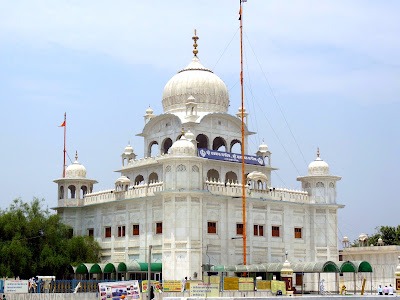
Image Source: Satnam Kalsi
About Sri Muktsar Sahib
Sri Muktsar Sahib (commonly called Muktsar) is a historic town and district headquarters in southwestern Punjab, part of the Malwa region. It lies about 50 km from Bathinda, 35 km from Malout, and about 60 km from Fazilka, near the border with Rajasthan.
It is part of Punjab’s cotton belt and semi-arid plains.
History
The Battle of Muktsar—The Origin of the Name
Muktsar’s history is deeply tied to Guru Gobind Singh Ji, the tenth Sikh Guru.
The word ‘Muktsar’ means ‘The Pool of Liberation’ (Mukti = liberation; Sar = lake). Originally called Khidrana, it was the site of the Battle of Khidrana/Muktsar in 1705—one of the final battles Guru Gobind Singh Ji fought against the Mughal forces and their allies.
The Story of the 40 Mukte
Forty Sikh soldiers who had earlier deserted Guru Gobind Singh Ji at Anandpur Sahib returned to fight bravely at Muktsar. They fought the Mughals to their last breath and were martyred.
Guru Gobind Singh blessed their sacrifice by tearing up the ‘bedava’ (document of desertion) and declaring them Chali Mukte (the Forty Liberated Ones). He named the place ‘Muktsar’ in their honor—signifying that they attained spiritual and martial liberation.
Gurdwaras & Pilgrimage
Muktsar is an important Sikh pilgrimage town, home to multiple historic gurdwaras:
Gurdwara Tuti Gandi Sahib: Marks the spot where Guru Gobind Singh tore the bedava.
Gurdwara Tibbi Sahib: Guru Gobind Singh Ji watched the battle from this sand dune.
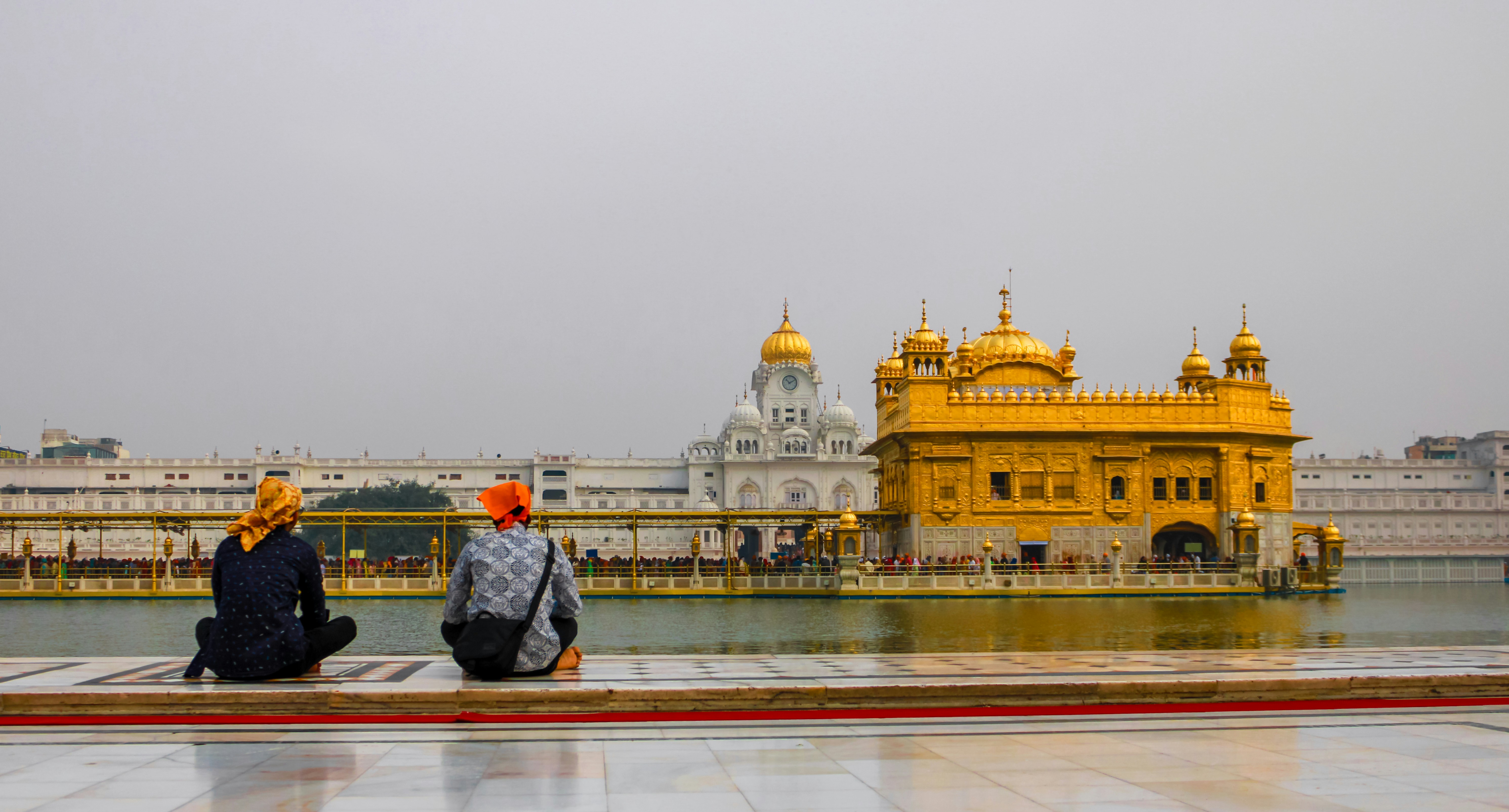
Gurdwara Sri Darbar Sahib Muktsar: Main shrine commemorating the battle and the Mukte.
Every year, the Mela Maghi is held here in January—one of Punjab’s biggest Sikh fairs—where devotees take a holy dip in the Muktsar Sarovar (holy tank) to honor the martyrs.
Geography
The district is mostly flat, part of the arid to semi-arid Malwa plains. It lies in Punjab’s southwestern cotton-growing belt.
Irrigation is mainly through canals branching from the Rajasthan Feeder Canal and the Sirhind Canal system, as the area naturally has sandy soil and low rainfall.
Culture and Identity
Malwa Roots
Muktsar’s culture is classic Malwa:
People speak the Malwai dialect of Punjabi. Folk songs, ballads about the 40 Mukte, and local Sufi and Sikh lore are part of the oral tradition. The rural economy revolves around cotton, wheat, and mustard farming.
Major Cultural Events
Mela Maghi: A major Sikh fair and spiritual gathering every January, attracting pilgrims from across Punjab
Local fairs and folk performances keep Malwa’s ballad-singing and Dhadi tradition alive.
Modern Muktsar
Muktsar town is the administrative, educational, and trading center for surrounding rural areas. Cotton ginning and oilseed processing are key industries. It has grown into a relatively quiet but culturally important district with deep spiritual roots.
How to Reach Sri Muktsar Sahib
Sri Muktsar Sahib is a historic city in the Sri Muktsar Sahib district of Punjab, renowned as one of Sikhism’s most sacred pilgrimage destinations. The city is closely associated with the Battle of Muktsar (1705), where the Forty Liberated Ones (Chali Mukte) attained martyrdom while fighting alongside Guru Gobind Singh Ji. Today, the city is home to several revered gurdwaras, including Gurdwara Sri Tuti Gandi Sahib, and attracts thousands of devotees, especially during the annual Maghi Mela. Along with its religious significance, Sri Muktsar Sahib offers visitors a glimpse into Punjab’s rich history and culture. (srimuktsarsahib.nic.in)
By Air
The nearest airport is Bathinda Airport, located about 55 km from Sri Muktsar Sahib. For better domestic and international connectivity, visitors can also use Sri Guru Ram Dass Jee International Airport, Amritsar, approximately 170 km away, or Chandigarh International Airport, about 270 km from the city.
By Train
Sri Muktsar Sahib Railway Station is located within the city and is well connected with Bathinda, Firozpur, Delhi, and several other destinations in North India. Taxis, auto-rickshaws, and cycle-rickshaws are easily available from the station.
By Road
Sri Muktsar Sahib enjoys excellent road connectivity with Bathinda (55 km), Abohar (60 km), Firozpur (70 km), Faridkot (45 km), Amritsar (170 km), and Chandigarh (270 km). Punjab Roadways and private buses operate regular services, while taxis and self-drive vehicles provide a convenient option for travelers.
Nearby Attractions
- Gurdwara Sri Tuti Gandi Sahib (Within the city) – The most important shrine in Sri Muktsar Sahib, commemorating the place where Guru Gobind Singh Ji blessed the Forty Liberated Ones (Chali Mukte) after the Battle of Muktsar.
- Muktsar Memorial (Within the city) – A historical monument dedicated to the bravery and sacrifice of the Chali Mukte, offering visitors insights into Sikh history.
- Gurdwara Tibbi Sahib (About 2 km) – This sacred gurdwara marks the spot from where Guru Gobind Singh Ji is believed to have observed the Battle of Muktsar.
- Gurdwara Rakabsar Sahib (Around 4 km) – An important Sikh shrine associated with the cremation of the martyrs who fought in the Battle of Muktsar.
- Bathinda (About 55 km) – A historic city known for Qila Mubarak, Rose Garden, Chetak Park, and Lakhi Jungle, making it a popular day-trip destination.
- Qila Mubarak, Bathinda (Around 55 km) – One of India’s oldest surviving forts, associated with rulers such as Razia Sultan and several medieval dynasties.
- Bir Talab Zoo, Bathinda (Around 60 km) – A family-friendly wildlife park featuring deer, birds, reptiles, and recreational facilities for visitors.
- Faridkot (Around 45 km) – Known for Faridkot Fort, Raj Mahal, Gurudwara Tilla Baba Farid, and its rich royal heritage.
- Abohar Wildlife Sanctuary (Around 60 km) – Famous for its successful conservation of the endangered blackbuck and rich birdlife, making it a popular destination for wildlife enthusiasts.
- Harike Wetland (Around 120 km) – Northern India’s largest wetland and a Ramsar Site, renowned for migratory birds, birdwatching, and beautiful river landscapes.
Google Maps
FAQs
1. Why is Sri Muktsar Sahib famous?
Sri Muktsar Sahib is famous for the Battle of Muktsar (1705) and as the place where Guru Gobind Singh Ji blessed the Forty Liberated Ones (Chali Mukte). It is one of the most important Sikh pilgrimage destinations in Punjab. (srimuktsarsahib.nic.in)
2. What is the best time to visit Sri Muktsar Sahib?
The best time to visit is from October to March, when the weather is pleasant. Many pilgrims also visit during the Maghi Mela, held every January to commemorate the Battle of Muktsar.
3. What is the significance of Gurdwara Sri Tuti Gandi Sahib?
The gurdwara commemorates the place where Guru Gobind Singh Ji forgave and blessed the Forty Liberated Ones after their sacrifice in the Battle of Muktsar, making it one of Sikhism’s most revered shrines.
4. How far is Sri Muktsar Sahib from Bathinda?
Sri Muktsar Sahib is approximately 55 km from Bathinda and can be reached in about 1 to 1.5 hours by road.
5. Is Sri Muktsar Sahib suitable for family visits?
Yes. Families, pilgrims, history enthusiasts, and cultural travelers can comfortably explore the city’s gurdwaras, historical sites, and peaceful surroundings.
6. Are accommodation facilities available in Sri Muktsar Sahib?
Yes. The city offers hotels, guesthouses, and sarais (pilgrim accommodations) near the major gurdwaras. Additional lodging options are available in Bathinda and Faridkot.
7. Is there an entry fee to visit the gurdwaras?
No. Entry to the gurdwaras is free for everyone. Visitors are expected to cover their heads, remove their shoes before entering, and maintain respectful behavior inside the shrine.
8. Can Sri Muktsar Sahib be combined with other destinations?
Yes. Many visitors combine Sri Muktsar Sahib with Bathinda, Faridkot, Abohar Wildlife Sanctuary, and Harike Wetland to explore the religious, historical, and natural attractions of southwestern Punjab.