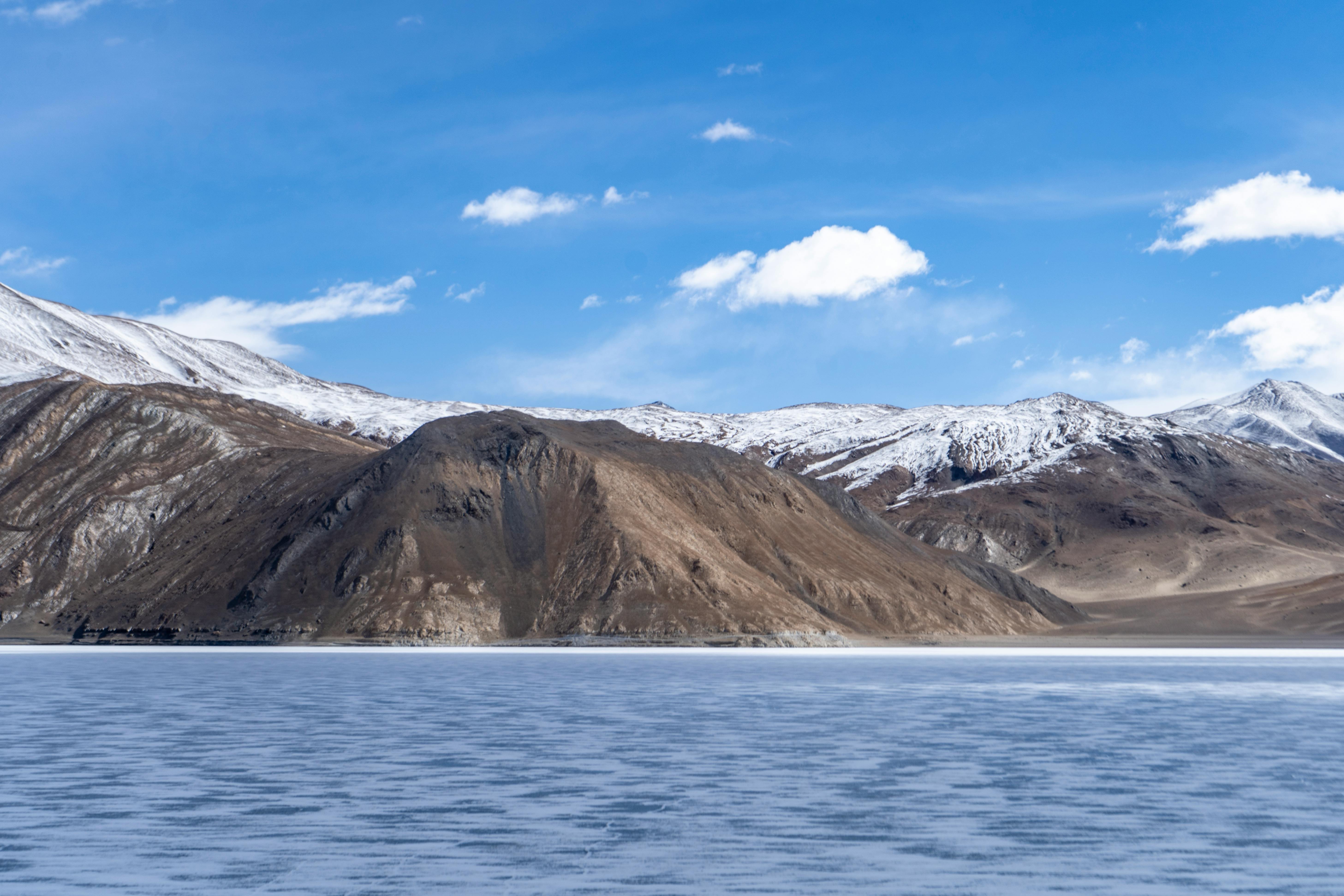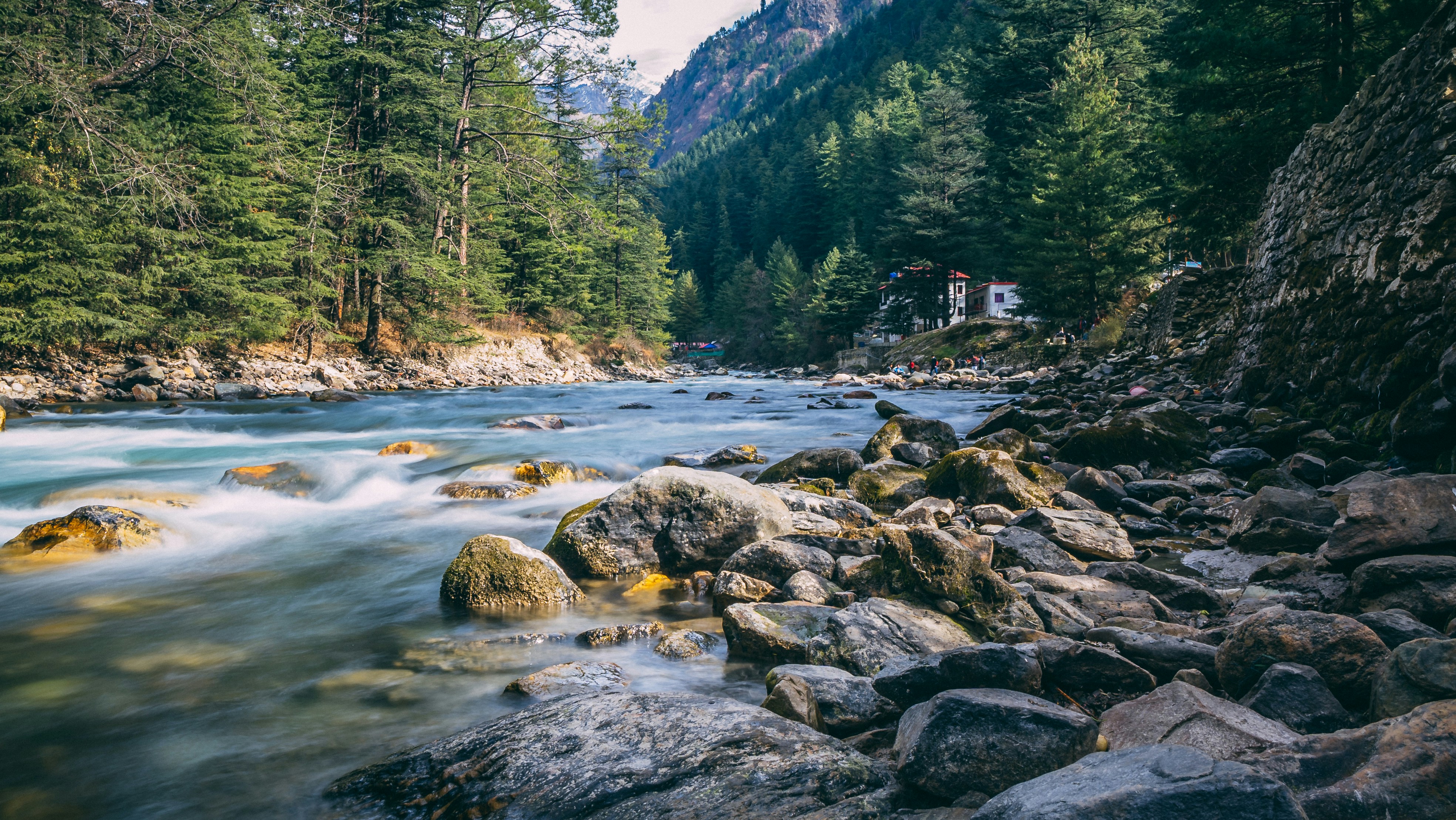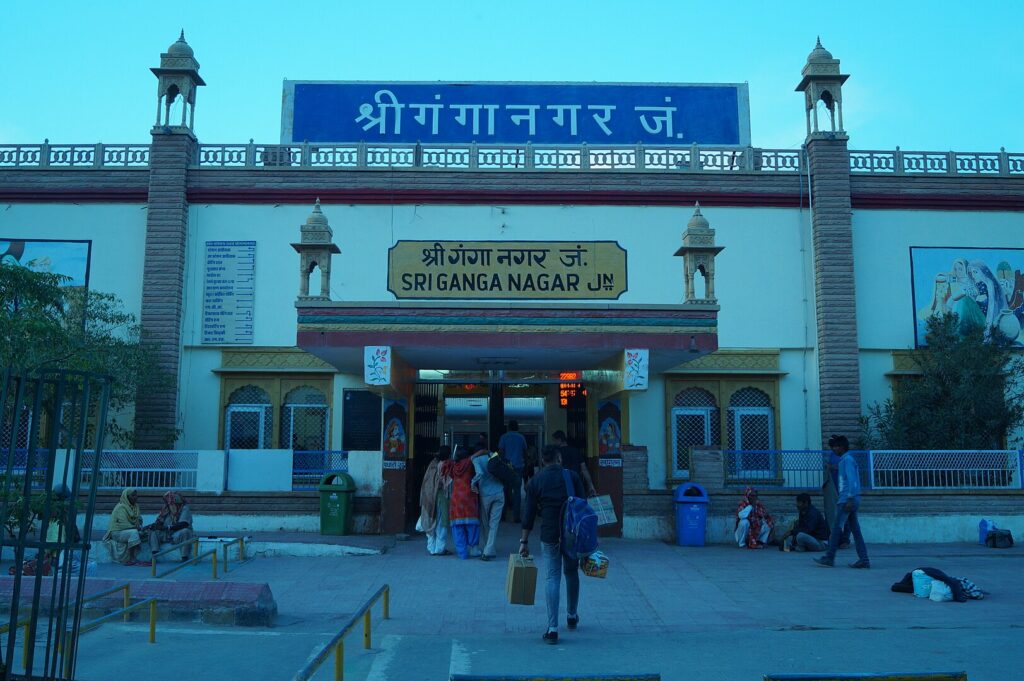
Image Source: Stalinjeet Brar
About Sri Ganganagar
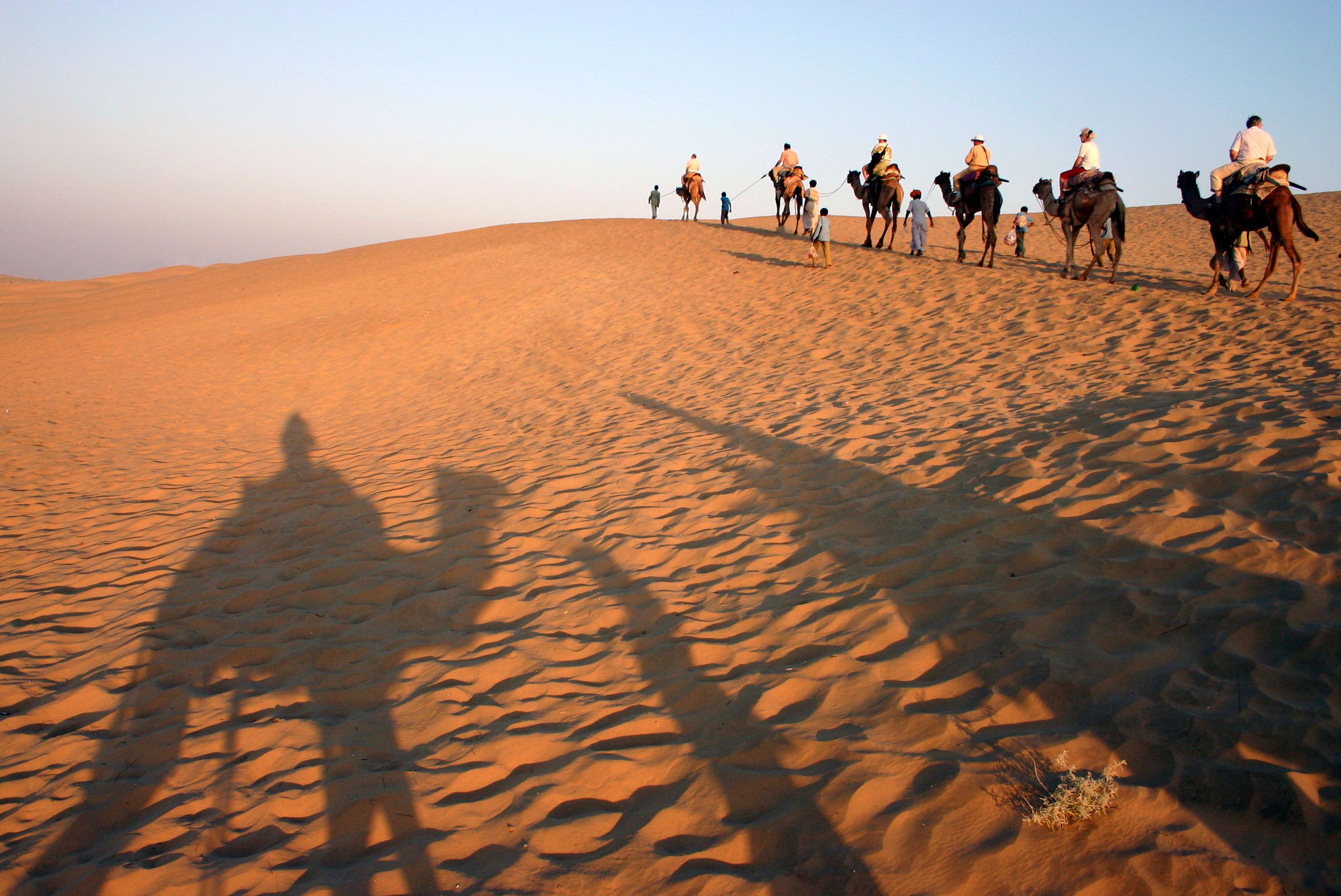
Sri Ganganagar is not like any other town in the Rajasthan state, where you will see places and sand dunes. Situated in the northwestern tip of Rajasthan, the town is the place where Punjab’s wheat fields merge into the dunes of the Thar Desert. Sri Ganganagar is an unexpected patchwork of green fields, canals, and a frontier culture that blends Punjabi warmth with desert grit.
Where is Sri Ganganagar?
Sri Ganganagar sits at the northern edge of Rajasthan, bordering Punjab and Pakistan. It’s about 390 km from Jaipur, 450 km from Delhi, and just 130 km from Bathinda. Often dubbed the “Food Bowl of Rajasthan,” this district is the greenest in the state—all thanks to the mighty Indira Gandhi Canal, which has turned what was once desert scrubland into a fertile agricultural region.
History
Before the canal, this region was a harsh, arid frontier. In the early 20th century, the British built the Ganga Canal—one of India’s oldest canals—to bring water from the Sutlej and transform barren tracts into farmland. After independence, the massive Indira Gandhi Canal Project expanded this vision deeper into the desert.
Today, as you stand beside endless mustard fields or watch sugarcane sway under a hot sun, it’s hard to imagine that this land was once only drifting dunes and camel trails.
What Makes Sri Ganganagar Special for Travellers?
Fields in the Desert:
You’d expect dunes, but instead, you get green — wheat, cotton, kinnow orchards, mustard fields. It feels more like Punjab than Rajasthan. The neat canal grids and lush farms give travelers a glimpse of how irrigation can transform an entire region.
Frontier Spirit:
Ganganagar sits close to the India–Pakistan border, giving it a subtle military presence. Soldiers, trucks, and border posts are common sights, adding a layer of rugged frontier feel. There’s even an international border crossing at Hindumalkot — though tourists aren’t permitted to cross, you can see the fencing and BSF posts.
Kinnow Orchards:
If you’re visiting in winter (December–February), you’ll see the countryside glowing with ripe kinnows (a type of orange) — the pride of Ganganagar. Many farms welcome visitors for orchard walks and fresh juice tasting.
A Slice of Rural Punjab in Rajasthan:
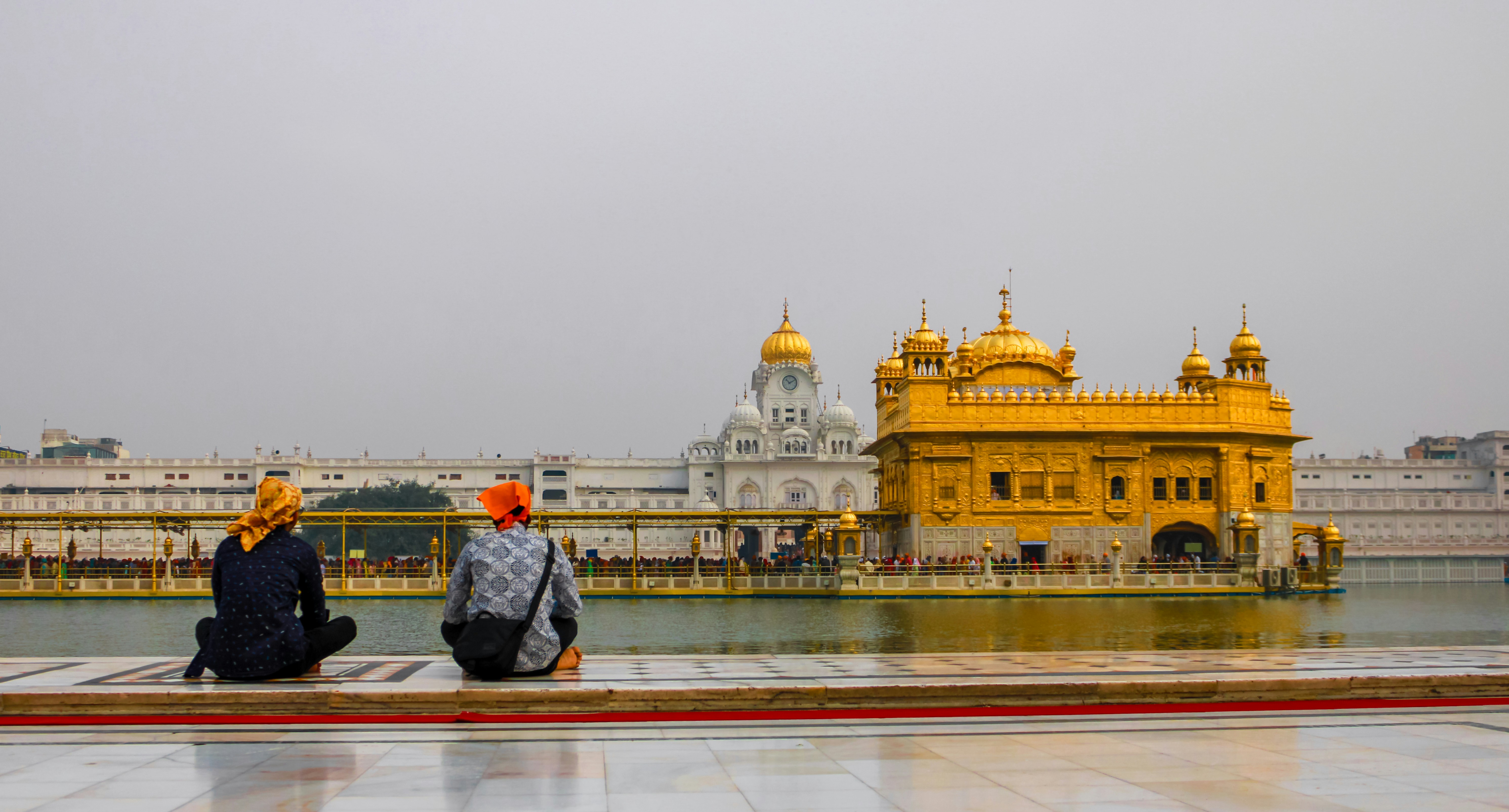
The culture here feels distinctly Punjabi — from food to festivals to turbans. Villages have gurdwaras alongside temples, and the local dialect is a blend of Punjabi and Rajasthani.
Nearby Attractions
✅ Visit Ganga Canal Headworks:
See where it all began — the old Ganga Canal and the modern Indira Gandhi Canal show how engineering changed the desert.
✅ Hindumalkot Border:
Take a short trip to see the Indo–Pak border fence at Hindumalkot. Visitors can’t cross but can watch the security posts and the vast open scrublands that mark the frontier.
✅ Kinnow Farms:
Drive out into the countryside. Local farmers often allow visitors to pluck fruit and taste fresh kinnow juice — a simple delight.
✅ Gurudwaras & Temples:
The region has many small gurdwaras and temples that reflect the mixed heritage of Punjab and Rajasthan. Gurudwara Buddha Johad is notable for its historical connection to Sikh history.
✅ Local Markets:
Wander through the local mandi. Ganganagar’s grain markets bustle with traders buying wheat, mustard, and cotton. It’s raw, rustic, and very real.
🍲 What to Eat
Thanks to its border location, Ganganagar’s cuisine is a hearty mix:
Punjabi staples: Fresh makki di roti with sarson da saag in winter.
Desi ghee sweets: Try local pinnis and gur (jaggery) delicacies.
Kinnow products: Juice, pickles, even candies made from kinnow peel.
Simple roadside dhabas serve delicious stuffed parathas and lassi.
Where to Stay
Sri Ganganagar isn’t touristy like Jaipur or Jaisalmer, so you’ll find mostly functional hotels and guesthouses:
Good mid-range options: Hotel Pagoda, Hotel Crystal, Hotel Vikramaditya.
Many travelers stay in Bathinda or Bikaner if they’re on a longer desert circuit.
Best Time to Visit
November to February is perfect — pleasant weather, ripe kinnow season, mustard fields in bloom. Summers (April–June) are extremely hot and dry.
How to Reach
By Rail: Well-connected by trains from Delhi, Jaipur, Bikaner, and Bathinda.
By Road: Good highways link it to Punjab and interior Rajasthan.
Nearest Airport: Bathinda (about 120 km) or Bikaner.