Image Source: Nitin kaundal
About Minkiani Pass
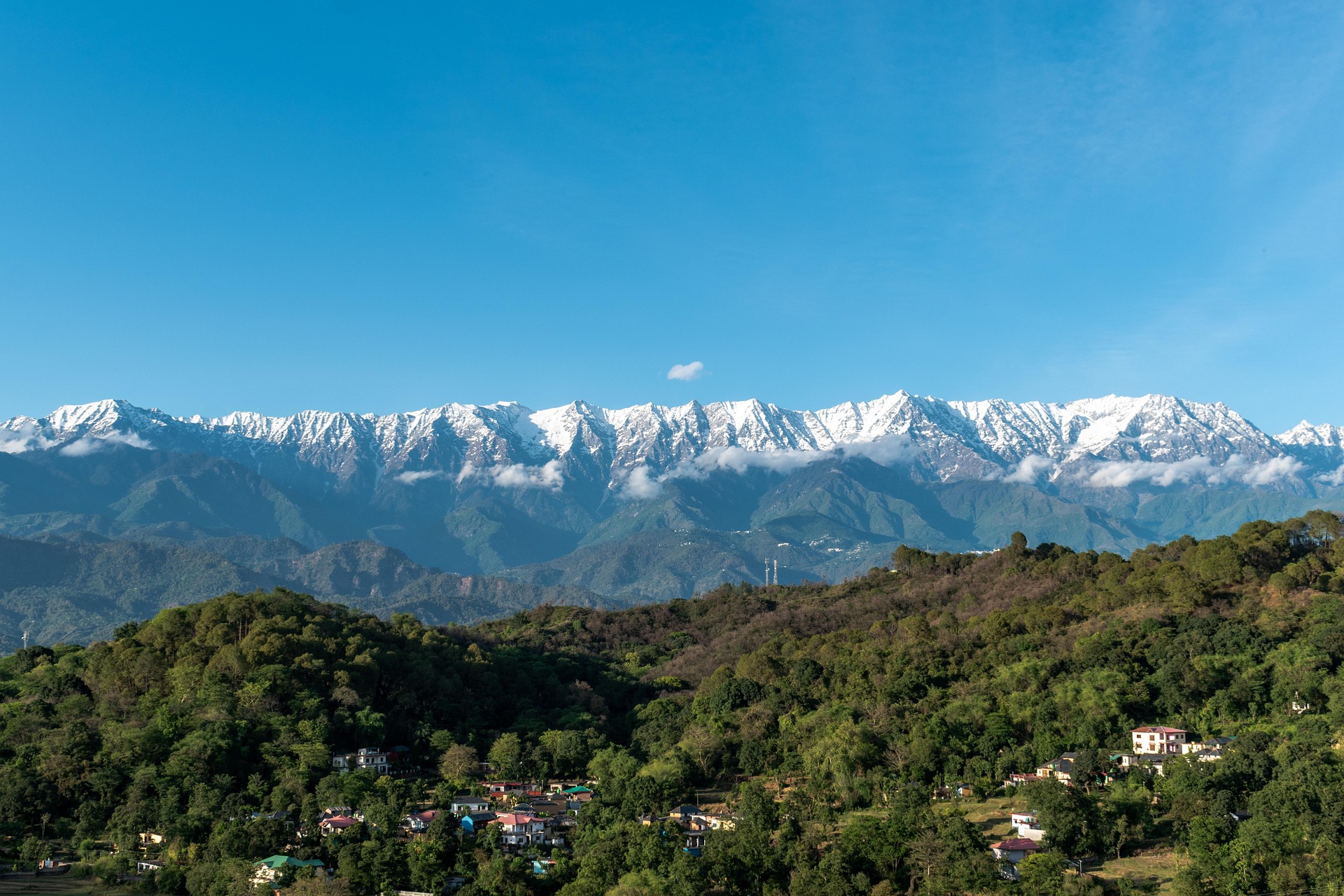
Typically spanning five days, the Dharamsala–Chamba Across Minkiani Pass Trek is a stunning yet moderately challenging high-altitude trek in Himachal Pradesh’s Dhauladhar range.
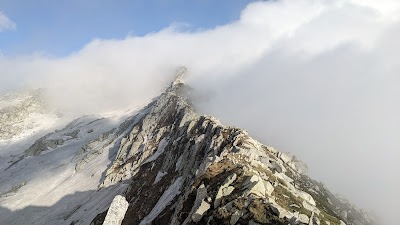
The trek reaches its highest point at Minkani Pass at a height of 4,250 meters and acts as a natural divide between the Kangra and Chamba valleys. An ideal window for trekking the pass is from June to October, when the snow recedes and meadows come alive with wildflowers.
One of the major attractions that falls en route of the trek is a beautiful glacial lake called Kareri lake in the Dhuladhars. The trail to Minkani pass is popular among trekkers and culture enthusiasts alike. It provides a unique chance for local Gaddi shepherds and hill villages whose traditions have remained unchanged for centuries.
This trek can begin from Dharamsala , McLeodganj , or Satobari , with McLeodganj—a bustling Tibetan settlement known for its monastery and connection to the Dalai Lama—being the most common starting point.
Detailed Trek Itinerary
McLeodganj to Kareri (4–6 hours)
The trek begins with a scenic walk past the famous Dal Lake, a sacred water body surrounded by deodar and rhododendron forests. Pilgrims often offer prayers here for a safe passage, and the lake hosts an annual fair that coincides with the Manimahesh Yatra—a pilgrimage to the sacred Manimahesh Lake near Bharmour in Chamba.
The trek begins from the famous Dal Lake, a sacred water body surrounded by deodar and rhododendron forest. The lake is sacred among locals, and pilgrims often pray here for a safe passage.
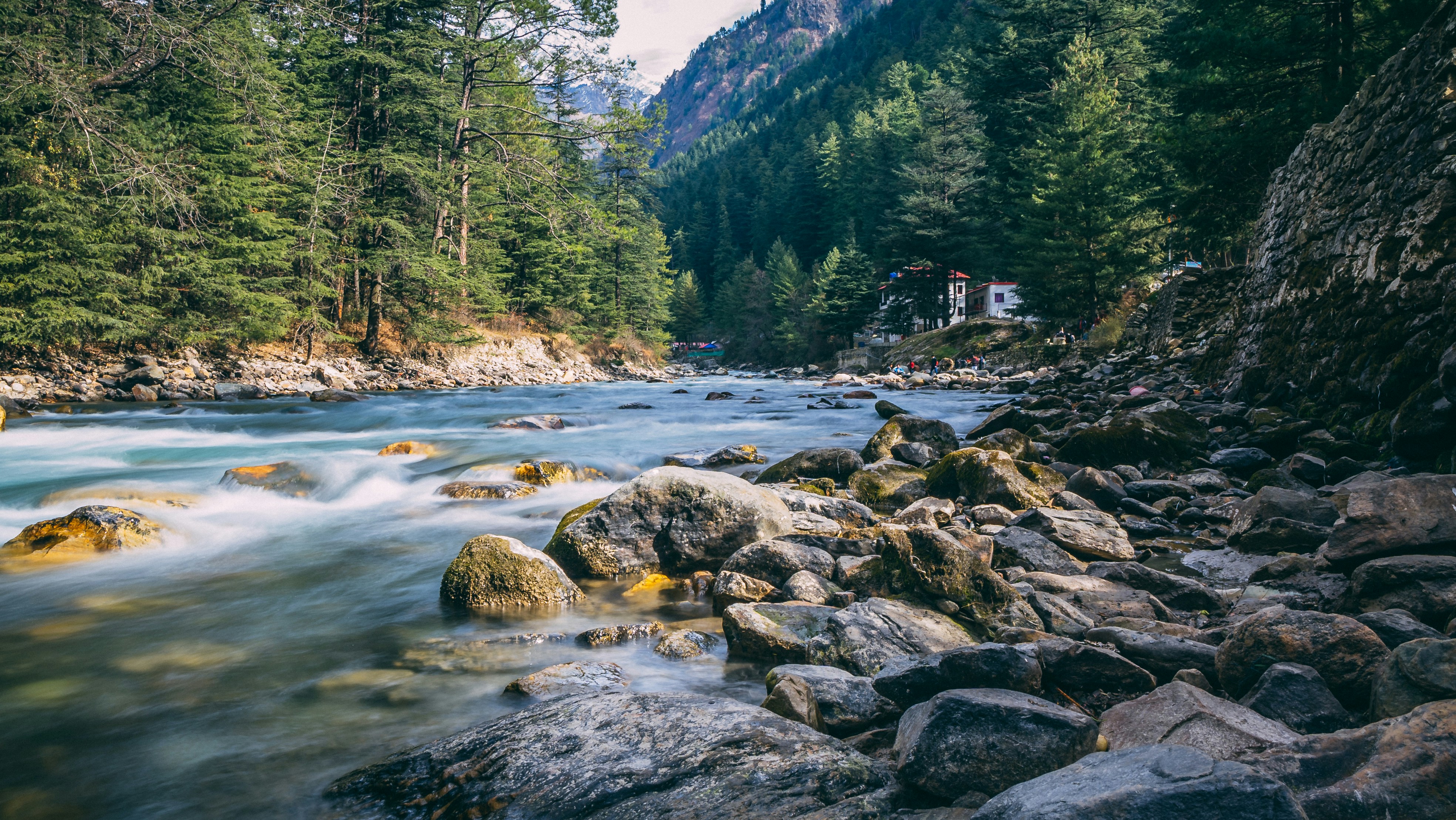
From Dal Lake, the trail reaches Satobari village, about 2.5 km away. A forested path then winds down to a quaint wooden bridge spanning the Gaj River, a tributary that merges with the Kareri stream. Trekking upstream from the confluence brings you to Gehra village , from where a steady ascent leads to Kareri village, perched with panoramic views of the Kangra plains.
Kareri village has a basic forest rest house , and the villagers, mostly Gaddi shepherds and farmers, are known for their warmth and hospitality.
Kareri Village to Kareri Lake (3–5 hours)
Beyond Kareri village, human habitation thins out rapidly. The 13 km trail climbs sharply past the forest rest house to a small hillock marked by a temple dedicated to Goddess Kali . This shrine is revered by the Gaddi community, who believe it offers divine protection to shepherds grazing their flocks in these remote pastures.
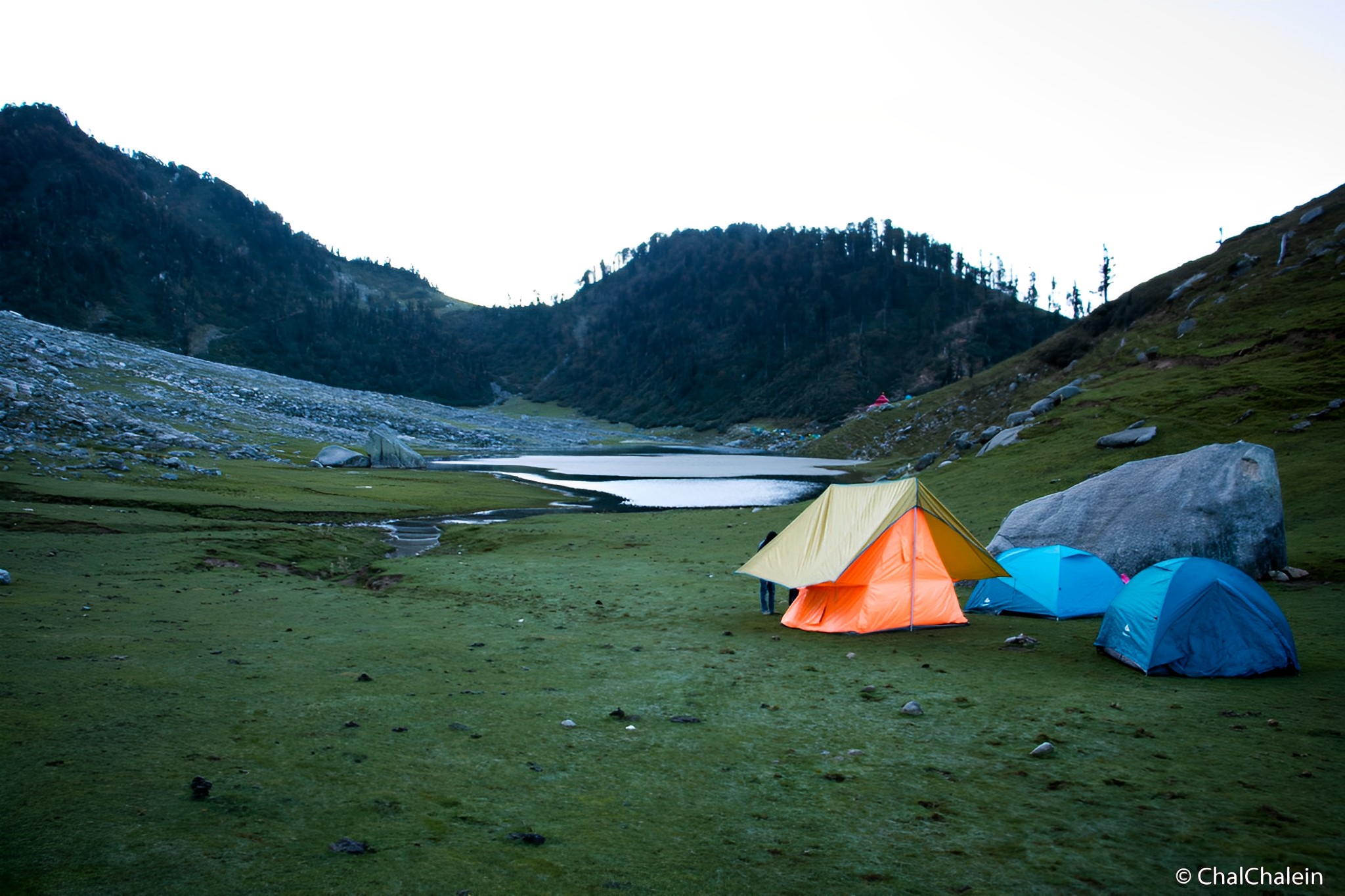
The route drops down to Gaddi Got, a seasonal shepherd encampment about 3 km ahead. From here, the path climbs along the Kareri Nallah. Before reaching the old lake bed, trekkers pass Sati Kund, a sacred pond with a tragic tale of a Gaddi woman who committed self-immolation when her husband did not return from the high-altitude Lam Dal region. Though the main lake is now mostly dry, the original outline remains visible, and the alpine meadows around it are still spectacular.
Kareri Lake to Minkiani Got (via Minkiani Pass) (5–6 hours)
This stretch is the trek’s most demanding. The ascent to Minkiani Pass is steep and strewn with boulders, especially near the summit. Weather in the Dhauladhars is notoriously unpredictable—thick fogs, sudden snow flurries, and high winds are common, so trekkers are strongly advised not to attempt the pass crossing in poor conditions.
A small stone shrine sits at the pass, continuing the region’s custom of marking high passes with symbols of local deities. The initial descent involves navigating moraine fields and loose rocks, opening up to Minkiani Got , a vast alpine pasture that serves as a campsite. Rock shelters offer some protection, but trekkers must carry deadwood and rations , as there are no settlements or supplies at this altitude.
Minkiani Got to Lam Dal and Back to Drakund (8 hours)
From Minkiani Got, a worthwhile detour takes trekkers to Lam Dal , the largest alpine lake in the Dhauladhar range , revered as an abode of Lord Shiva . Pilgrims flock here during the annual Lam Dal Yatra, often linking it to the wider circuit of sacred Dhauladhar lakes.
Nearby lies Kali Dal, another small glacial lake, while seasoned trekkers with an experienced guide may explore further to hidden lakes like Chander Koop (Moon Lake), Nag Dal, and Nag Chhatri Dal , all nestled near the flanks of the mighty Inderhara Pass.
The route then descends through high meadows and forested ridges for about 10 km to Drakund village , where a forest rest house provides a welcome overnight stop.
Drakund to Dunali (3–4 hours)
The final leg is a leisurely descent along a clearly marked trail winding through scattered hamlets and terraced fields. The route opens up at Dunali , a small roadside settlement on the Chamba–Bharmour road. Dunali has a few teashops and is a convenient point to catch buses to either Chamba (25 km) or Bharmour (40 km), the gateway to the famous Manimahesh Kailash Yatra.
Why This Trek is Special
Cultural Window : This trail offers a rare glimpse into the Gaddi shepherd culture—migratory pastoralists who still practice centuries-old grazing traditions in the Dhauladhars.
Sacred Landscapes: The trek connects you to the Dhauladhar’s sacred high-altitude lakes and hidden shrines, merging rugged adventure with spiritual significance.
Pristine Wilderness: Even as Kareri Lake has shrunk, the surrounding meadows, forests of oak and deodar, and the stark alpine terrain beyond Minkiani Pass remain breathtakingly beautiful.
Moderate Challenge: The trek is ideal for fit beginners looking to graduate from basic hill treks to more challenging Himalayan passes.
Practical Tips
Always hire a local guide, especially for the Minkiani Pass crossing.
Carry essential supplies, as food and fuel are not available beyond Kareri.
Check weather conditions rigorously—sudden snow or fog can make the pass dangerous.
Respect local customs—offer prayers at shrines and follow the pack-in, pack-out principle to keep the meadows pristine. The Dharamsala–Chamba Across Minkiani Pass Trek is more than just a physical challenge—it’s a journey into Himachal’s remote mountain heartland, where timeless landscapes and resilient communities remind you of the fragile beauty and enduring spirit of the high Himalayas.