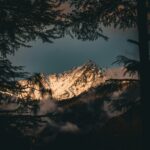
Image Source: Triund Baba
About Gaj Pass
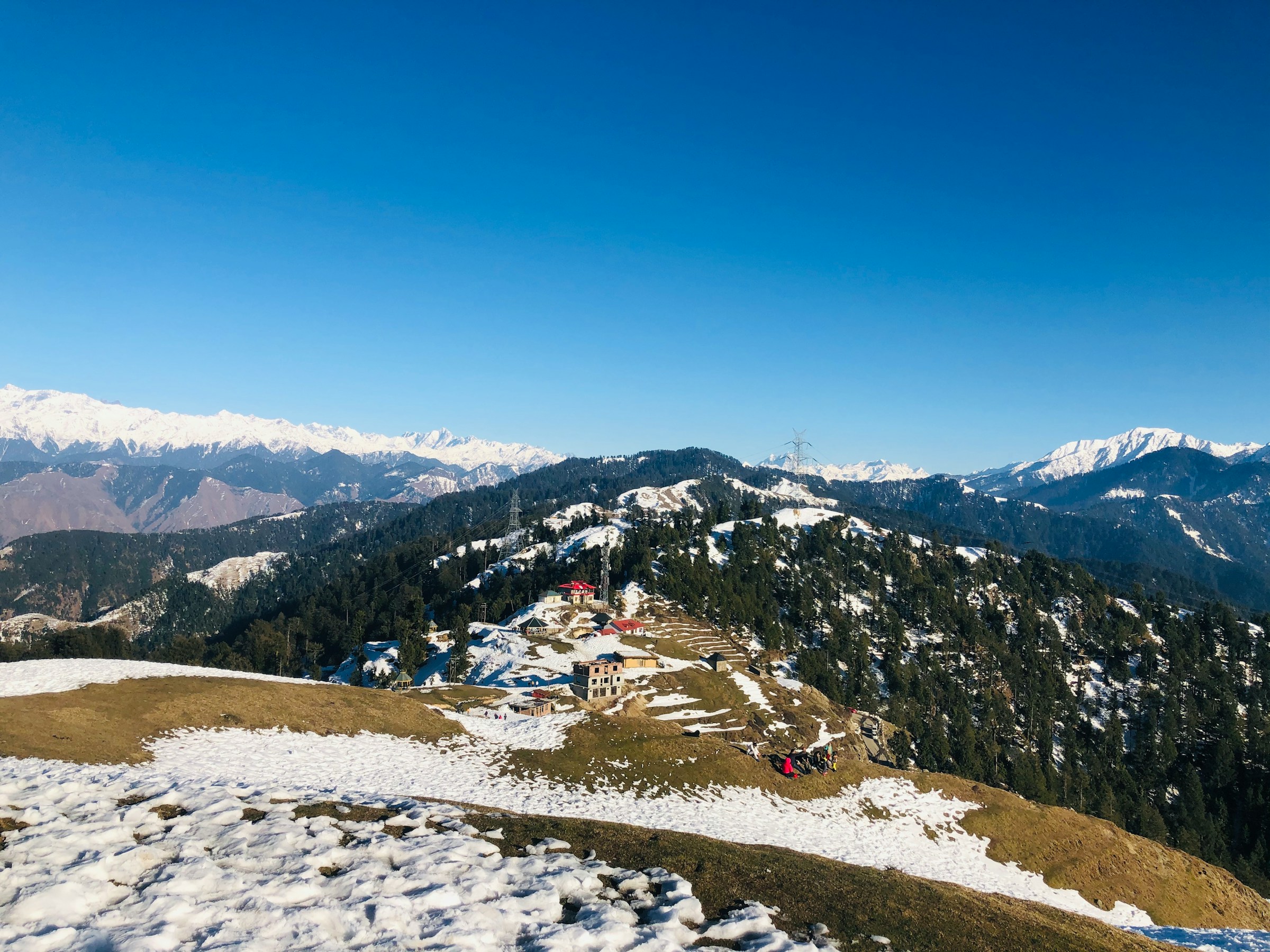
Located at an elevation of 4,243 meters, the Gaj Pass trek is a moderately challenging Himalayan trek in the Dhauladhar range. It takes five days to cover the trek, and the best window for this adventure is from June to October. During this time the weather is stable, the meadows are vibrant, and the sacred lakes look pleasing to the eyes.
Easily accessible from the Dharamshala side, Lama Dal Lake lies at an altitude of about 3900 meters. One of the largest high-altitude glacial lakes in the mighty Dhauladhar range is considered an abode of Lord Shiva. During Shivratri, locals from surrounding villages take a holy dip in the icy water of the lake.
Apart from the Lama Dal, which is the largest lake, there are clusters of seven sacred lakes. Notable among them are Naag dal, Chander koop dal, and Kali dal, which have their own legends and spiritual reverence.
Detailed Itinerary
Day 1: Dharamsala to Khari Bahi (5–7 hours)
Your journey kicks off from Dharamsala, the gateway to the Dhauladhars. To reach McLeodganj—the base for many Dhauladhar treks—trekkers can either take the 9 km motorable road or hike up a steep 2.5 km footpath called Khara Danda, which has multiple shortcuts threading through thick deodar forest.
From McLeodganj, a motorable road of about 2.5 km leads to Satobari, passing the serene Dal Lake, a small, greenish high-altitude water body fringed with deodar and rhododendrons. A quaint temple on its banks is a place where trekkers often pause to pray for a safe passage—and during the Manimahesh yatra, a fair brings vibrant life here.
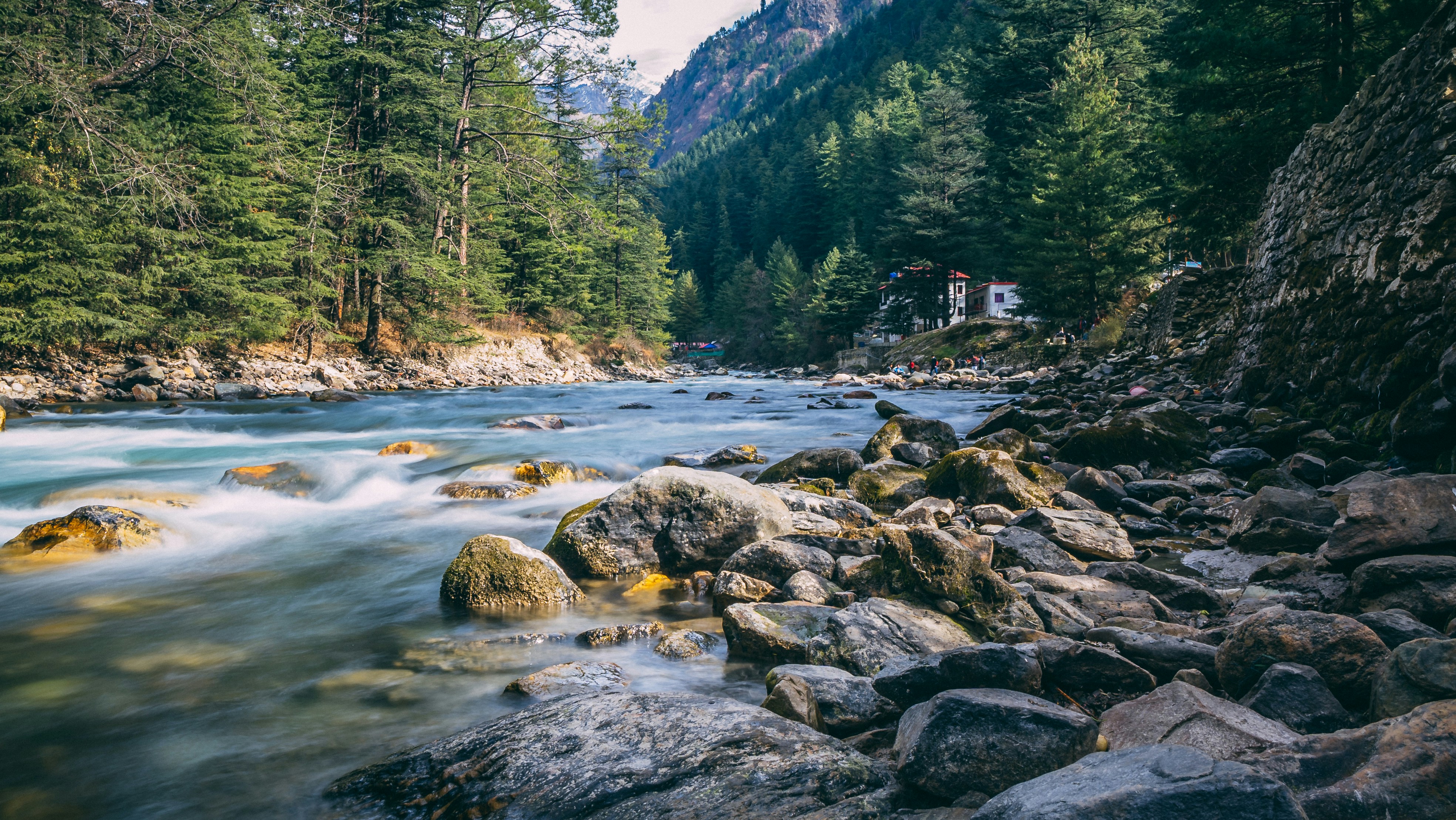
Descending from Satobari, the path threads through mixed forest to a rustic wooden bridge across the Gaj River, beside which sits a lone teashop—a welcome pit stop. From the riverbed, a steep, steady climb leads to Khari Bahi, a peaceful hamlet about 11 km from Satobari. This is the last village on the Kangra side, offering a good campsite.
The locals are known for their warmth and simple hospitality, and a couple of basic provision shops help with last-minute needs. Hiring a local guide here is highly recommended, especially for first-timers.
Day 2: Khari Bahi to Bagga Dhar (4–5 hours)
The trail leaves Khari Bahi by crossing another wooden bridge, then dives into dense forests. A challenging climb unfolds, weaving past murmuring streams and moist glades. After about four hours, trekkers emerge into Bagga Dhar, a small meadow with a simple stone “sarai” (pilgrim shelter) that serves those bound for Lam Dal. The well-marked trail and natural water sources make Bagga Dhar an ideal resting point before the tougher ascent ahead.
Day 3: Bagga Dhar to Lam Dal via Gaj Pass (8 hours)
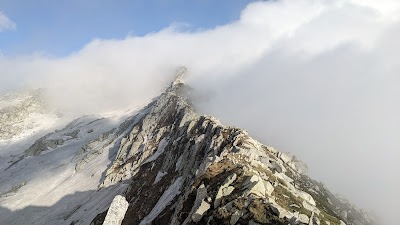
The most strenuous leg of the trek begins from Bagga Dhar. The climb to Gaj Pass is relentless and demanding, cutting across rugged boulder fields and barren slopes. Above Bagga Dhar, vegetation fades quickly, and trekkers must carry all fuel and essentials, as there is no firewood available in this high zone.
Though the climb is steep, the well-defined path minimizes the risk of losing the trail. For those wanting a unique experience, a rock cave shelter (locally called kud) lies just below the pass on the Dharamsala side — only a local guide can help locate it.
Spending a night here, under a moonlit sky, with the glittering Kangra Valley and plains of Punjab twinkling below, is a reward in itself. If properly equipped for cold, camping near these shelters is highly recommended.
From the cave shelter, it’s about two hours of uphill scrambling to reach Gaj Pass, where the panorama unfolds dramatically. On clear days after fresh rain, you can spot the vast Kangra valley stretching to the Punjab plains in one direction, and Lam Dal shimmering like a jewel on the Chamba side.
The descent towards Lam Dal is tricky, involving cautious movement over massive boulders and loose moraine. Once at Lam Dal, trekkers find a humble open-air shrine with a Shivlingam and iron tridents (trishuls) left by pilgrims. Due to the boulder-strewn surroundings, it’s best to continue a bit further down to Kali Dal, where flat ground allows for safe tent pitching.
Day 4: Lam Dal to Drakund (4–5 hours)
After paying respects and soaking in the sacred vibe, trekkers begin the long but relatively gentle descent to Drakund village, about 15 km away. The trail crosses an icy nallah (mountain stream) fed by the melting Dhauladhar glaciers. Makeshift log bridges may wash away after heavy rain, so caution is essential while crossing.
The altitude drops rapidly, and lush forests greet weary legs. Just before Drakund, a quaint forest rest house sits tucked among apple orchards — a perfect spot to relax and recover after the rugged days above the treeline.
Day 5: Drakund to Dunali (3–4 hours)
The final leg is a pleasant 9 km mule track leading to Dunali, a small settlement on the Chamba–Bharmour road. The route passes through a string of modest mountain hamlets, giving glimpses of traditional Chamba life.
At Dunali, a couple of teashops and a small market await. Buses ply from here to Chamba (25 km) or Bharmour (40 km), wrapping up your Himalayan odyssey with stories and memories of glacial lakes, remote trails, and sacred peaks.
Why This Trek is Special ?
Spiritual Lakes: Lam Dal and its sister lakes form an ancient pilgrimage circuit still alive with faith and folklore.
Remote Crossing: Gaj Pass is a true high pass crossing that tests stamina and rewards with panoramic Himalayan vistas.
Wild Scenery: From deodar forests and alpine meadows to stark glacial boulders, the landscape transforms dramatically each day.
Local Culture: Friendly Gaddi shepherds and villagers provide glimpses into a lifestyle that remains timeless.
Practical Access: Starting from the well-connected town of Dharamsala and ending near Chamba or Bharmour, this route is accessible yet offbeat.
Essential Tips
Hire local guides—their knowledge of trails and hidden shelters is invaluable.
Be prepared for sudden weather changes; snow, rain, and fog are common at higher altitudes.
Carry adequate provisions, especially fuel wood above Bagga Dhar.
Respect local customs—these lakes are sacred, and rituals are an integral part of the experience.
Leave no trace—pack out all waste.
Trekking across Gaj Pass to Lam Dal is more than just a trek—it’s a blend of nature, faith, and raw Himalayan adventure that lingers long after you return.