Image Source: Harvey Tanwar
About Beas Kund Trek
The Beas Kund Trek is one of those rare Himalayan experiences that feels both easy and deeply rewarding. Set in the beautiful Kullu Valley, this short trek connects the popular hill town of Manali with the stunning Solang Valley.
What makes this trek special is how accessible it is. Even if you’re new to trekking, you can complete it in about two days without feeling overwhelmed. And yet, it offers everything you’d expect from a Himalayan adventure—lush meadows, glacial streams, and dramatic mountain views. The best time to go is between June and October, when the weather is pleasant and the landscape is at its greenest.
The Story Behind Beas Kund
At the heart of the trek lies Beas Kund, a serene glacial lake that serves as the source of the Beas River. But it’s not just about geography—there’s a strong mythological connection too.
According to local legend, Sage Vyas meditated here. Many believe that this quiet, high-altitude lake is where he composed parts of the epic Mahabharata. Whether you believe the story or not, there’s something undeniably peaceful about the place.
The Trek Route & Experience
The journey usually begins early from Manali, heading toward Rohtang Pass until you reach Palchan, where the road splits toward Solang Valley.
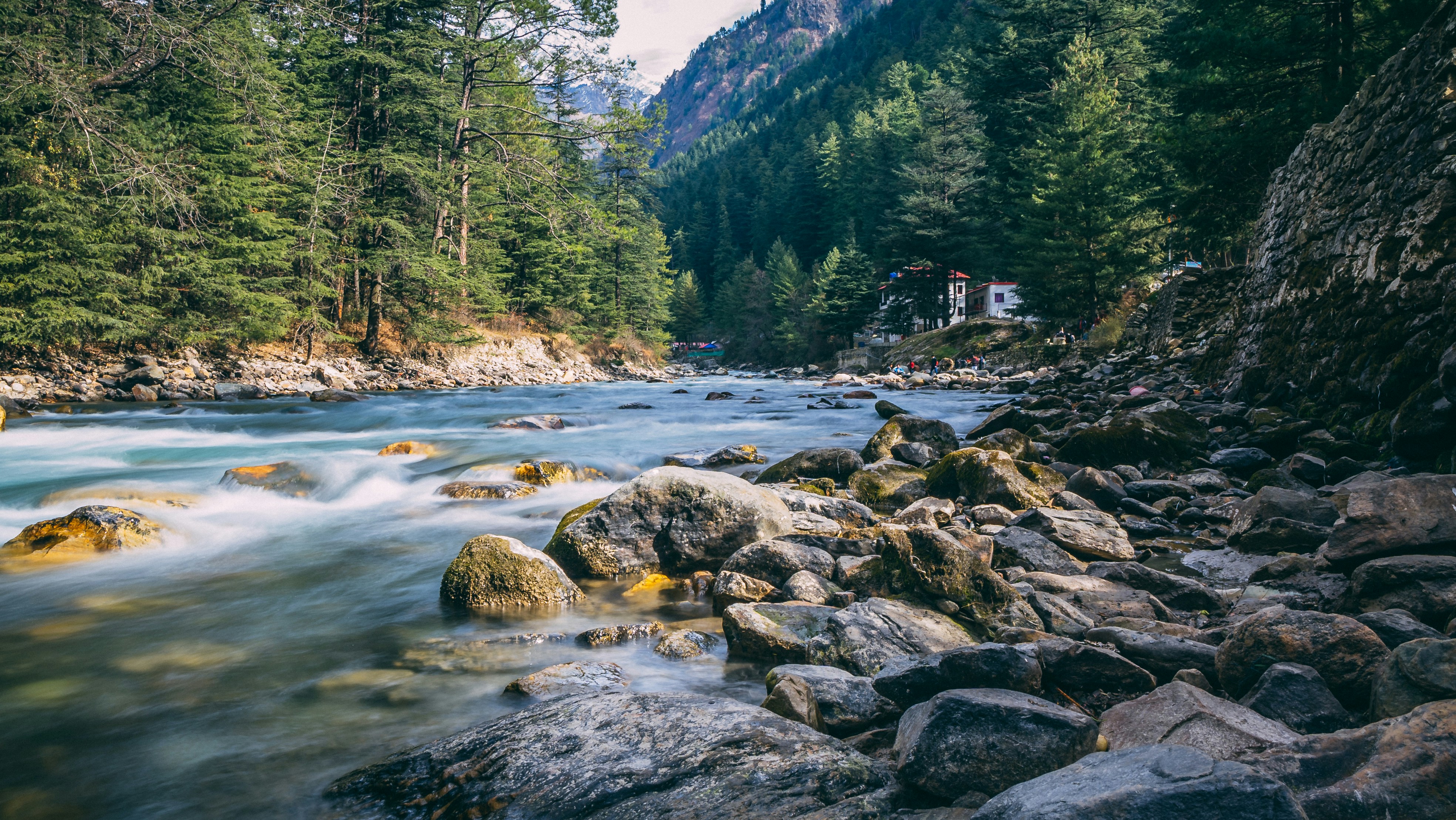
From Solang (around 2,480 m), a short drive takes you to Dhundi (2,800 m), which serves as the starting point of the actual trek. Dhundi is calm and scenic, surrounded by dense deodar forests and overlooked by towering peaks like Hanuman Tibba and the Seven Sisters.
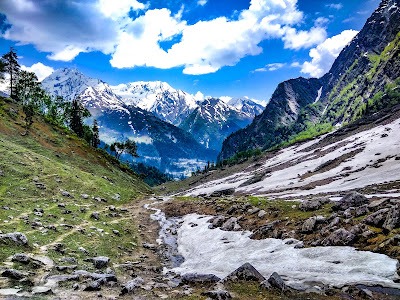
From here, the trail gradually climbs for about 6 km toward Beas Kund (3,540 m). The path is easy to follow, winding through open meadows, rocky patches, and glacial remnants. Along the way, you’ll cross a lively mountain stream—sometimes calm, sometimes a bit challenging depending on snowmelt.
One of the most beautiful stretches is Bakkar Thatch, a wide meadow often dotted with grazing sheep and colorful wildflowers during summer. It’s the kind of place where you’ll want to pause, breathe, and just take it all in.
As you approach the final stretch, the climb gets a bit steeper—but the reward is unforgettable. Standing beside the clear, emerald-blue waters of Beas Kund, with peaks like Hanuman Tibba and Shitidhar Peak rising in the background, feels almost surreal.
What Makes This Trek Special
This trek packs a lot into a short distance. You get a glimpse of the raw beauty of the Pir Panjal Range—glaciers, rivers, meadows, and snow-capped peaks—all within a couple of days.
It’s also flexible. Most trekkers return the same way, but experienced hikers can take it further by crossing Tentu Pass (also known as Solang Pass) or extending the route toward Marhi and Rohtang for a more challenging adventure.
Best Time to Visit
The ideal window for the Beas Kund Trek is:
- June to October: Clear skies, green meadows, and comfortable trekking conditions.
- Early summer offers snow patches, while late summer brings blooming wildflowers.
Avoid peak winter unless you’re experienced, as heavy snowfall makes the route difficult.
Travel Tips & Extra Information
- Difficulty Level: Easy to moderate—perfect for beginners
- Duration: 2 days (can be extended)
- Altitude: Up to 3,540 meters
- Fitness: Basic fitness is enough, but some stamina helps
- What to Carry: Warm layers, good trekking shoes, rain protection, and enough water
Even though it’s a short trek, the weather can change quickly in the mountains—so being prepared makes all the difference.
Google Maps
FAQs
1. Is Beas Kund Trek suitable for beginners?
Yes, it’s one of the best beginner-friendly treks in Himachal Pradesh. The trail is short and relatively easy to navigate.
2. How long does the trek take?
Most people complete it in 2 days, though you can take it slow and extend it if you prefer.
3. Do I need a guide for this trek?
Not necessarily, as the trail is well-marked. However, a guide can enhance the experience, especially if you’re unfamiliar with mountain trekking.
4. What is the difficulty level of Beas Kund Trek?
It’s considered easy to moderate, with a gradual climb and manageable terrain.
5. Is camping allowed at Beas Kund?
Camping is usually done at Dhundi or nearby meadows. Camping right next to the lake may be restricted to protect the environment.
6. What makes Beas Kund special?
Its mix of natural beauty and mythological significance makes it unique. Plus, the views of surrounding peaks are stunning.
7. Can I do this trek solo?
Yes, many trekkers do it solo, but it’s always safer to go with a group or inform someone about your plans.