Image Source: Arjun Pandey
About Bijay Mandal
The Imperial Core of Muhammad bin Tughlaq’s Capital
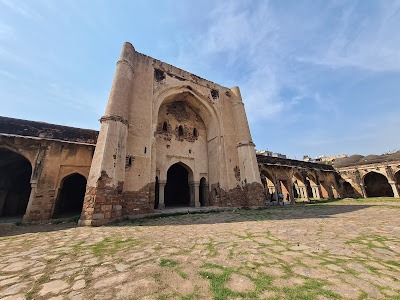
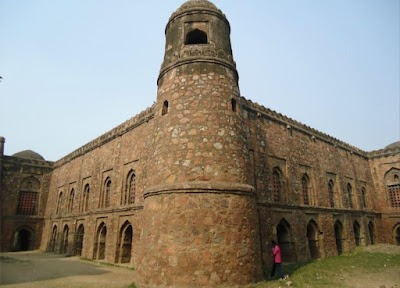
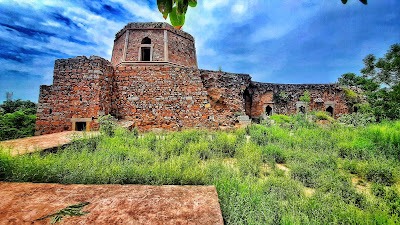
Bijay Mandal, located in South Delhi near Begumpur, is one of the most historically significant yet underappreciated remnants of Jahanpanah, the fortified city established by Sultan Muhammad bin Tughlaq in the 14th century. Thought to be the ceremonial and administrative heart of the city, Bijay Mandal stands today as a stark reminder of Delhi Sultanate ambitions, experimentation, and eventual decline.
History
In 1327 AD, Sultan Muhammad bin Tughlaq founded Jahanpanah, his fourth city of Delhi, intended to unify the earlier settlements of Siri and Lal Kot within a single fortified enclosure. The city was envisioned as a secure and well-planned capital, reflecting the Sultan’s desire to consolidate power and protect Delhi from Mongol invasions.
Bijay Mandal is widely believed to have functioned as the central palace complex or audience hall within Jahanpanah. Historical traditions associate the site with royal ceremonies, court gatherings, and possibly the Sultan’s private chambers. Some scholars also link the structure to the Sultan’s tomb, though no conclusive evidence confirms this.
Jahanpanah, however, had a short lifespan. Poor planning, administrative failures, and political unrest led to its abandonment within a few decades. By the late Tughlaq period, the city fell into ruin, leaving behind fragments such as Bijay Mandal, Begumpur Mosque, and Satpula Bridge.
Architecture of Bijay Mandal
Architecturally, Bijay Mandal exemplifies Tughlaq-era design principles, emphasizing strength, elevation, and functional austerity over ornamentation.
Key Architectural Features
- Raised Stone Platform:
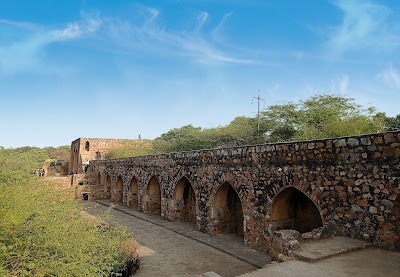
Bijay Mandal stands on a massive rectangular platform, giving it dominance over the surrounding landscape and signaling its royal importance. - Thick Rubble Masonry Walls:
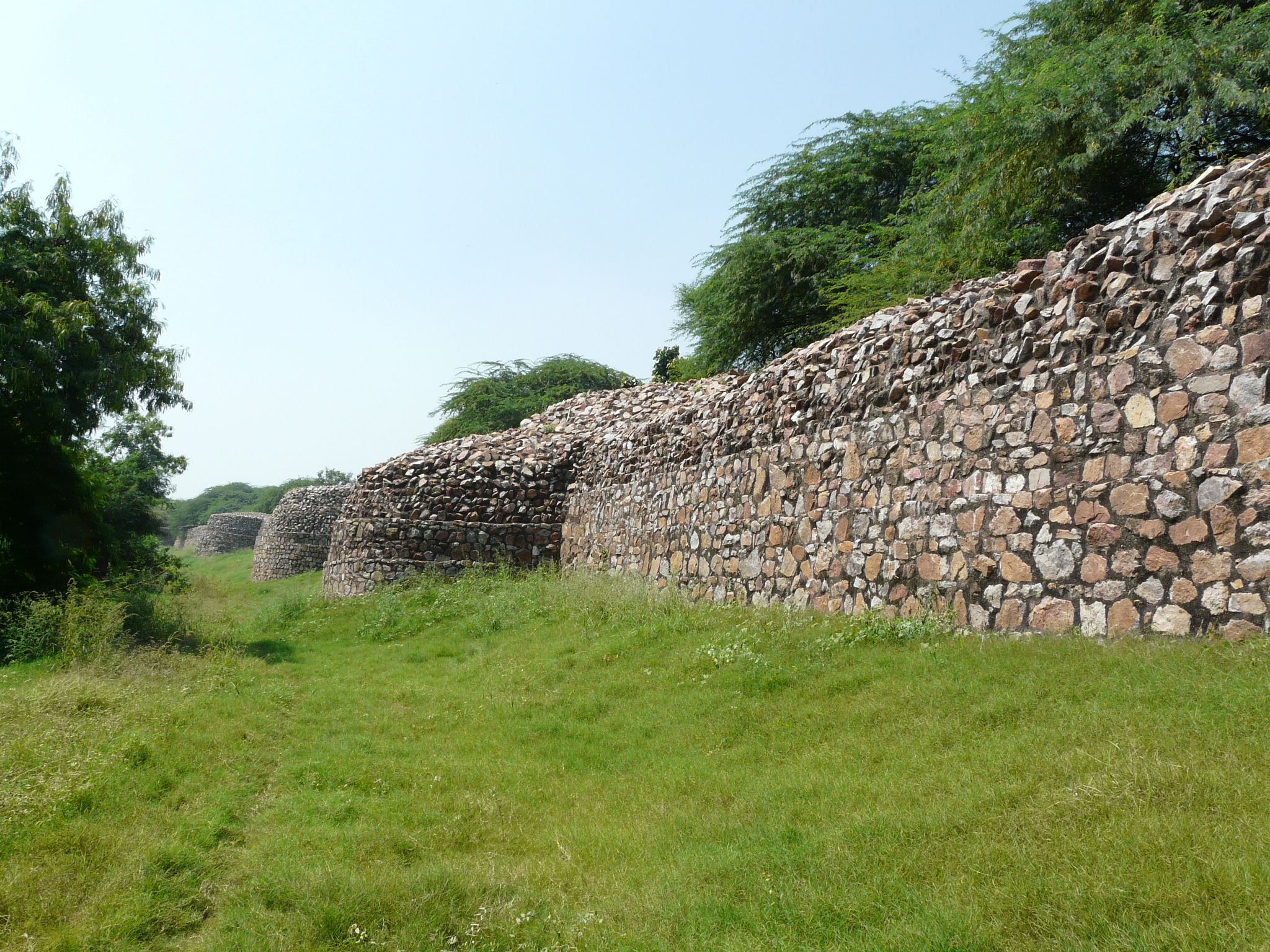
Constructed using stone rubble and lime mortar, the walls reflect the Tughlaq preference for fortress-like durability. - Limited Decorative Elements:
The structure is largely undecorated, with simple arches and minimal surface detailing. - Strategic Elevation:
The elevated design likely served both ceremonial and defensive purposes, offering visibility across Jahanpanah. - Possible Underground Chambers:
Local traditions and archaeological observations suggest the presence of subterranean rooms, possibly used for storage or secure movement.
The austere architecture mirrors the pragmatic, often severe, outlook of Muhammad bin Tughlaq’s rule.
How to Reach Bijay Mandal
By Metro:
The nearest metro stations are Hauz Khas (Yellow & Magenta Lines) and Malviya Nagar (Yellow Line). From there, the site is accessible by auto-rickshaw or taxi.
By Road:
Bijay Mandal is well connected via Aurobindo Marg and Press Enclave Road.
By Rail:
Hazrat Nizamuddin Railway Station is approximately 9 km away.
Nearby Attractions
Bijay Mandal can be explored as part of a Jahanpanah heritage circuit:
- Begumpur Mosque
- Satpula Bridge
- Khirki Masjid
- Chor Minar
- Hauz Khas Complex
Visiting Information
- Entry Fee: Free
- Timings: Open during daylight hours
- Best Time to Visit: Morning or late afternoon, especially in winter