Image Source: piyusha patwardhan
About Sultan Ghari
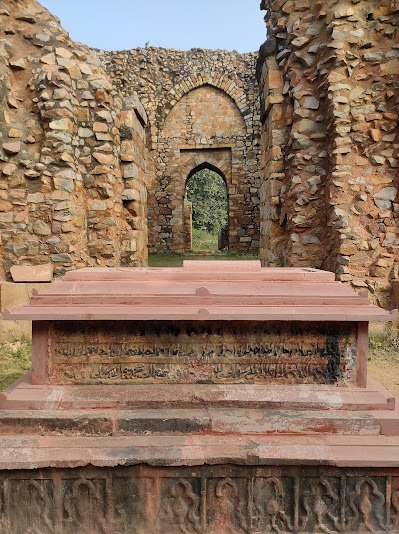
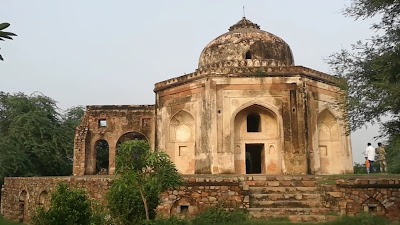
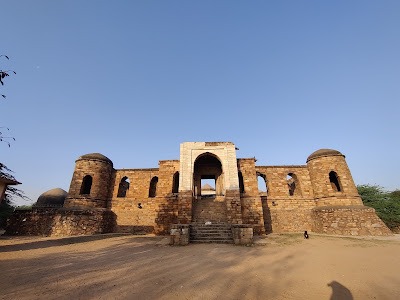
Sultan Ghari is one of the earliest surviving Islamic funerary monuments in India, located in the Vasant Kunj area of South Delhi. Built in the early 13th century, this unique tomb complex predates many of Delhi’s more famous Sultanate monuments and marks a crucial stage in the development of Indo-Islamic funerary architecture. Unlike later ornate mausoleums, Sultan Ghari presents a restrained yet powerful architectural expression, blending defensive features with spiritual symbolism.
History of Sultan Ghari
Sultan Ghari was constructed in 1231 CE by Sultan Iltutmish, the third ruler of the Delhi Sultanate, in memory of his eldest son, Prince Nasir-ud-Din Mahmud, who died in battle while suppressing a rebellion in Bengal. The monument is historically significant, as it represents the first monumental Islamic tomb built in Delhi.
The term “Ghari” refers to an underground chamber, which is central to the tomb’s design. The prince’s grave is located in a subterranean crypt, a feature uncommon in later Sultanate tombs but reflective of early Islamic burial practices. Over time, Sultan Ghari also served as a defensive stronghold, especially during periods of political unrest, due to its fortified enclosure.
The tomb complex stands as a testament to the formative years of Muslim rule in North India, when architectural forms were still evolving and adapting to local materials, construction techniques, and political realities.
Architecture
Sultan Ghari is a fascinating blend of tomb, mosque, and fortification, making it architecturally distinct from later Islamic mausoleums in Delhi.
Layout and Enclosure
The tomb complex is enclosed within a square fortified wall, complete with bastions and battlements, giving it the appearance of a small fortress. This defensive design reflects the turbulent political climate of the early 13th century.
Underground Tomb Chamber
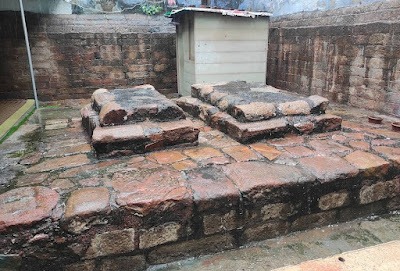
At the heart of the complex lies the defining feature—the subterranean burial chamber (ghari). A stone staircase leads down to the crypt, where the cenotaph of Prince Nasir-ud-Din Mahmud is located. The chamber is austere, solemn, and minimally decorated, emphasizing spiritual contemplation over grandeur.
Central Courtyard and Superstructure
Above the underground tomb is a raised platform that opens into a courtyard-like space. The superstructure, though simple, is crowned by a flat roof rather than a dome—another indicator of the early experimental phase of Indo-Islamic tomb architecture.
Mosque Elements
On the western side of the courtyard is a small mosque, identifiable by its mihrab, which allowed visitors and devotees to offer prayers within the complex. This integration of a mosque within a tomb enclosure later became a recurring feature in Indo-Islamic funerary complexes.
Material and Ornamentation
Sultan Ghari is built primarily using quartzite stone and reused materials from earlier structures. Decorative elements are minimal, with emphasis placed on solid masonry, thick walls, and geometric proportions rather than elaborate carvings.
Timing
All Day, 7 am–5 pm
How to Reach Sultan Ghari
By Metro
The nearest metro station is Chhatarpur on the Yellow Line. From there, Sultan Ghari is approximately 4 km away and can be reached by auto-rickshaw or taxi.
By Bus
DTC buses running along Mehrauli–Mahipalpur Road and Nelson Mandela Marg provide access to nearby stops. From the bus stop, a short auto or taxi ride will take you to the monument.
By Car or Taxi
Sultan Ghari is easily accessible by road via Nelson Mandela Marg and MG Road. The site has comparatively better parking space than many monuments located inside urban villages, making it convenient for private vehicles.
By Walking and Heritage Trails
Sultan Ghari can be included in a heritage circuit covering Mehrauli Archaeological Park, Qutub Minar Complex, and nearby Sultanate-era monuments.
Google maps
FAQs
1. What is the historical significance of Sultan Ghari?
Sultan Ghari is considered the first Islamic mausoleum built in India. It was constructed in 1231 AD by Sultan Iltutmish in memory of his eldest son, Prince Nasiruddin Mahmud. The monument marks an important phase in the early Delhi Sultanate and Indo-Islamic architecture.
2. Where is Sultan Ghari located?
Sultan Ghari is located in the Vasant Kunj area of South Delhi, near Malakpur Kohi village on Mehrauli–Mahipalpur Road. The monument lies close to the Qutub area and is surrounded by old ruins and forested terrain.
3. What is unique about the architecture of Sultan Ghari?
The architecture of Sultan Ghari combines fortress-like features with early Indo-Islamic design. It has an octagonal underground tomb chamber, massive stone walls, bastions, marble decorations, corbelled arches, and reused temple-style pillars and carvings. The structure reflects a blend of Indian and Persian architectural influences.
4. What are the visiting timings of Sultan Ghari?
Sultan Ghari is generally open daily from 7:00 AM to 5:00 PM for visitors. Early mornings and late afternoons are considered the best times to explore the monument comfortably, especially during winter months.
5. Is Sultan Ghari still considered a religious site?
Yes, Sultan Ghari continues to hold religious importance for many local visitors. Both Hindus and Muslims visit the site, and it is regarded as a sacred place where people come to offer prayers and seek blessings.