Image Source: neeti gupta
About Bir Shikargah Wildlife Sanctuary
Nestled in the foothills of the Shivalik range, Bir Shikargah Wildlife Sanctuary is one of Haryana’s lesser-known natural retreats, offering a peaceful escape from the busy urban life of nearby Chandigarh and Panchkula. Located close to Pinjore in Panchkula district, the sanctuary lies along the Pinjore–Mallah Road and is roughly 10 km from Kalka and about 30 km from Chandigarh. Though relatively small in size, covering nearly 767 hectares, the sanctuary holds immense ecological importance for the region and serves as a crucial green corridor in the lower Himalayan foothills.
Declared a wildlife sanctuary on 29 May 1987 by the Haryana Forest Department, Bir Shikargah has gradually become an important center for wildlife conservation, birdwatching, and environmental education in northern India. The sanctuary’s quiet forest roads, dry deciduous vegetation, and rich biodiversity make it an ideal destination for nature lovers looking to explore the natural side of Haryana.
History
Before receiving protected status, the forests of Bir Shikargah were managed as reserve forest land during both the British colonial period and the years following India’s independence. Over time, growing concerns about habitat destruction, wildlife decline, and rapid urban expansion in the Chandigarh–Panchkula belt led to stronger conservation measures.
The official declaration of the sanctuary under the Wildlife Protection Act gave the area legal protection and helped preserve its fragile ecosystem. Later, the Government of India also designated the surrounding landscape as an Eco-Sensitive Zone (ESZ). This step was important because it restricted heavy industrial activity and uncontrolled construction around the sanctuary, helping maintain ecological balance in the region.
Today, Bir Shikargah acts as an important biodiversity pocket between the plains of Haryana and the Himalayan foothills. It also serves as a natural lung for nearby urban settlements.
Geography, Landscape, and Climate
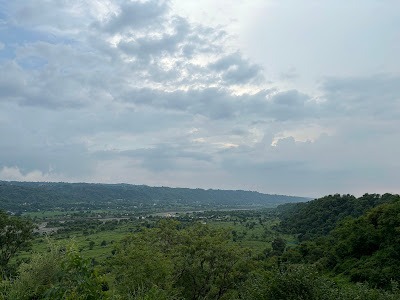
Bir Shikargah lies within the outer Shivalik hills, the youngest mountain range of the Himalayas. The sanctuary sits at an elevation of around 500 to 550 meters above sea level and features rolling terrain, seasonal streams, rocky slopes, scrub forests, and patches of woodland.
The landscape here changes beautifully with the seasons. During the monsoon, the sanctuary turns lush green, while winters bring dry golden forests and excellent wildlife visibility. Summers can become quite hot, with temperatures sometimes crossing 40°C, but the forest still remains comparatively cooler than nearby towns due to its dense vegetation.
Seasonal rivulets flowing through the sanctuary during monsoon support both plant and animal life. However, like much of the Shivalik belt, water scarcity becomes a challenge during dry months, making artificial waterholes important for wildlife survival.
Forests and Plant Life
The vegetation of Bir Shikargah mainly consists of dry deciduous forests mixed with scrubland vegetation. Despite being close to urban areas, the sanctuary still supports a healthy variety of native trees and shrubs that form an important habitat for wildlife.
Some commonly found tree species include:
- Sal.
- Khair.
- Sisham.
- Semul.
- Bahera.
- Teak plantations.
- Eucalyptus plantations.
During spring and monsoon, the forest becomes vibrant with flowering shrubs, grasses, and medicinal plants. The vegetation not only provides food and shelter for animals but also helps prevent soil erosion in the fragile Shivalik terrain.
One of the major ecological concerns here is the spread of Lantana camara, an invasive weed that suppresses native vegetation growth. Forest officials regularly carry out removal drives and habitat restoration projects to control its spread.
Wildlife of Bir Shikargah
Although smaller than many famous Indian national parks, Bir Shikargah supports a surprisingly diverse range of wildlife species. The sanctuary’s mix of forests, scrublands, and open clearings creates ideal conditions for herbivores, predators, reptiles, and birds.
Mammals Found in the Sanctuary
Visitors may encounter several mammals while exploring the forest routes, especially during early mornings and evenings. Commonly sighted species include:
- Nilgai (Blue Bull).
- Chital or Spotted Deer.
- Sambar Deer.
- Barking Deer (Muntjac).
- Wild Boar
- Indian Jackal
- Indian Fox.
- Jungle Cat.
- Indian Grey Mongoose.
The sanctuary is also known to support elusive carnivores such as the Indian Leopard and Striped Hyena. These animals are rarely seen due to their nocturnal and secretive nature, but their presence indicates a healthy ecosystem.
Birdwatching Paradise Near Chandigarh
Bir Shikargah is especially popular among birdwatchers from Chandigarh, Panchkula, and Himachal Pradesh. The sanctuary’s varied vegetation attracts both resident and migratory birds throughout the year.
Bird species commonly recorded here include:
- Indian Peafowl.
- Red Junglefowl.
- Grey Partridge.
- Green Pigeon.
- Bee-eaters.
- Drongos.
- Sunbirds.
- Shikra.
- Orioles.
- Woodpeckers.
- Hornbills.
Winter is considered the best season for birdwatching because migratory species arrive during this time and the weather remains pleasant for long walks through the forest.
The peaceful atmosphere and relatively low tourist crowd make the sanctuary ideal for photography, bird surveys, and educational nature trips.
Reptiles and Butterfly Diversity
The sanctuary is also home to several reptile species including monitor lizards, cobras, kraits, and vipers. These reptiles play an important role in maintaining ecological balance by controlling rodent populations.
Butterflies and insects flourish during and after the monsoon season. Researchers and naturalists have documented a wide range of butterfly species here, reflecting the ecological richness of the Shivalik ecosystem. The changing flowering patterns across seasons create favorable conditions for pollinators and insects.
Jatayu Vulture Conservation and Breeding Centre
One of the most significant attractions inside Bir Shikargah Wildlife Sanctuary is the Jatayu Vulture Conservation and Breeding Centre. This conservation facility is internationally recognized for its efforts to save critically endangered vultures in India.
Vulture populations in India declined drastically due to the veterinary drug diclofenac, which proved fatal to these scavenging birds. The breeding center at Bir Shikargah works toward captive breeding, rehabilitation, and long-term conservation of species such as:
- White-rumped Vulture.
- Long-billed Vulture.
- Slender-billed Vulture.
The center has become an important conservation initiative not only for Haryana but for the entire country. Researchers, wildlife experts, and students often visit the facility to study conservation practices.
Local Experience and Nearby Attractions
For travelers coming from Chandigarh or Himachal Pradesh, Bir Shikargah offers an easy weekend nature getaway. The sanctuary is often combined with visits to nearby attractions such as:
- Pinjore Gardens.
- Morni Hills.
- Kalka.
- Timber Trail.
- Cactus Garden, Panchkula.
Local villagers around the sanctuary are familiar with the forest landscape and often share stories about wildlife movement, seasonal changes, and old forest routes. During winter mornings, the area around Pinjore and the sanctuary becomes especially scenic due to mist-covered hills and cool weather.
The sanctuary also serves as an educational destination for schools and colleges from the Chandigarh Tricity region.
Conservation Challenges
Despite legal protection, Bir Shikargah faces several environmental pressures. Rapid urbanization in nearby regions has increased pressure on forest land and wildlife habitats.
Some major challenges include:
Habitat Fragmentation
Roads, electric transmission lines, and expanding settlements affect wildlife movement corridors.
Water Scarcity
The sanctuary lacks major perennial water bodies, making summers difficult for animals.
Invasive Plant Species
Lantana growth continues to threaten native vegetation.
Human Disturbance
Illegal grazing, noise pollution, and increasing tourist activity occasionally disturb wildlife habitats.
To tackle these issues, forest authorities continue habitat restoration work, water conservation projects, and awareness programs.
Best Time to Visit
The ideal time to visit Bir Shikargah Wildlife Sanctuary is between November and March. During these months, the weather remains cool and comfortable, making wildlife observation and birdwatching easier.
Monsoon months also offer beautiful greenery, though forest paths may become slippery and humid.
Early mornings are generally the best time for spotting birds and mammals.
How to Reach Bir Shikargah Wildlife Sanctuary
The sanctuary is well connected by road and can easily be reached from major nearby cities.
- Kalka – around 10 km.
- Panchkula – around 20 km.
- Chandigarh – around 30 km.
By Road
Private vehicles and taxis are the most convenient options. The road from Chandigarh to Pinjore is smooth and scenic.
By Rail
The nearest railway station is Kalka Railway Station, which connects with Delhi, Chandigarh, and Shimla routes.
By Air
The nearest airport is Chandigarh International Airport.
Google Maps
FAQs
Is Bir Shikargah Wildlife Sanctuary worth visiting?
Yes, it is an excellent destination for birdwatching, nature photography, wildlife observation, and peaceful forest walks near Chandigarh and Panchkula.
Which animals can be seen in the sanctuary?
Visitors may spot nilgai, deer, wild boar, jackals, jungle cats, and many bird species. Leopards and hyenas are present but rarely seen.
What is the best time to visit?
The best season is from November to March when temperatures are pleasant and wildlife sightings are more common.
Is safari available inside the sanctuary?
The sanctuary is not known for large commercial safari operations like national parks, but forest visits and guided exploration may be allowed depending on forest department regulations.
What is special about the Jatayu Centre?
The Jatayu Vulture Conservation and Breeding Centre is one of India’s major vulture conservation facilities focused on protecting endangered vulture species.
Can families and children visit the sanctuary?
Yes, the sanctuary is suitable for families, school trips, students, and wildlife enthusiasts looking for a short educational nature excursion.
Are there accommodation facilities nearby?
Most visitors stay in Panchkula, Chandigarh, Pinjore, or Morni Hills where hotels and resorts are easily available.
Is Bir Shikargah good for bird photography?
Yes, the sanctuary is considered one of the good birdwatching spots in the Chandigarh region due to its diverse birdlife and relatively peaceful environment.