Image Source: Shubham Kumar Kamboj
Introduction: The Shivalik Gateway to the Wild
Stretching across the Shivalik foothills of the Himalayas, Rajaji National Park represents one of North India’s most ecologically significant protected areas. Spread across the districts of Haridwar, Dehradun, and Pauri Garhwal in Uttarakhand, the park forms a crucial wildlife corridor linking the Indo-Gangetic plains with the Himalayan ecosystem. Declared a Tiger Reserve in 2015, Rajaji has gained prominence not only for its tiger conservation efforts but also for its thriving Asian elephant population, dense sal forests, riverine belts, and biodiverse grasslands.
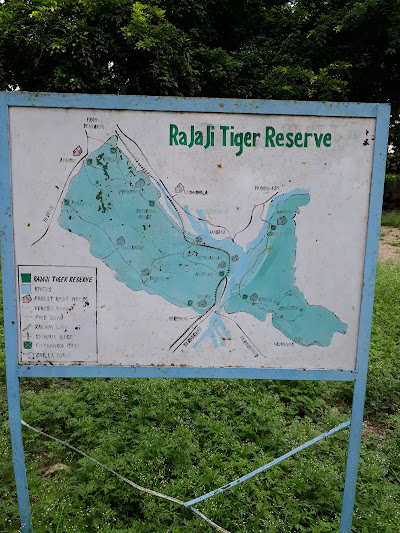
Administratively, Rajaji is divided into multiple forest divisions and ranges that ensure systematic habitat protection, anti-poaching patrols, wildlife monitoring, and regulated eco-tourism. Each forest range has its own landscape character, vegetation pattern, and wildlife movement dynamics, contributing to the larger conservation mosaic.
Haridwar Forest Division: The Elephant Heartland
The Haridwar Division is often considered the most active wildlife zone of Rajaji. It includes the Motichur, Chilla, and Gohri forest ranges, all of which are part of a major elephant migration corridor.
The Motichur Forest Range plays a critical ecological role as it connects fragmented elephant habitats between Rajaji and the Corbett landscape. Characterized by moist sal forests, seasonal streams, and dense undergrowth, this range supports herds of Asian elephants, spotted deer, sambar, and leopards. It lies close to the sacred Ganga River basin, making it an intersection of spirituality and wilderness ecology.
The Chilla Forest Range is the most popular safari zone within Rajaji National Park. Known for its open grasslands, riverine forests, and proximity to the Ganga Canal, Chilla offers high chances of elephant sightings. The mosaic habitat here includes sal-dominated woodlands, acacia patches, and riverbanks that attract herbivores and predators alike. Birdwatchers frequently spot crested serpent eagles, kingfishers, hornbills, and migratory waterfowl in this range.
The lesser-visited Gohri Forest Range focuses more on habitat preservation and wildlife breeding grounds. Its relatively undisturbed terrain allows for safe movement of tigers, leopards, and wild boars, strengthening the region’s trophic balance and prey-predator ratio.
Dehradun Forest Division: The Ecological Buffer Zone
The Dehradun Division of Rajaji National Park includes Kansrao, Lachhiwala, and Mohand forest ranges. These areas form a sensitive ecological buffer between urban expansion and protected wilderness.
The Kansrao Forest Range is a strategically important elephant corridor located between Haridwar and Dehradun. Dense sal forests and mixed deciduous vegetation dominate the terrain. Wildlife biologists consider Kansrao vital for maintaining genetic connectivity among elephant herds. The area also supports leopard populations, jungle cats, and diverse avifauna.
The Lachhiwala Forest Range lies close to Dehradun city and represents a transition zone between human habitation and forest habitat. While eco-tourism initiatives operate here, strict conservation measures ensure minimal disturbance to wildlife. The region is rich in sal forests, teak plantations, and freshwater streams that enhance its micro-ecosystem diversity.
The Mohand Forest Range, located along the Dehradun–Saharanpur corridor, features dry deciduous forests and scrubland vegetation. Though less tourist-oriented, Mohand is important for leopard habitats and serves as a wildlife dispersal route toward the Shivalik hills.
Pauri Garhwal Forest Division: The Expanding Tiger Landscape
The Pauri Division, particularly the Ranipur Forest Range, forms the eastern extension of Rajaji Tiger Reserve. With rugged hills, dense forest canopy, and lower tourist pressure, this range provides an ideal habitat for tiger movement and territorial expansion.
Post the Tiger Reserve declaration, camera trap monitoring has confirmed increasing tiger presence in this region. Ranipur’s forest structure includes sal-dominated belts, bamboo clusters, and natural water sources, supporting prey species like chital, sambar, and nilgai. This division strengthens the long-term tiger conservation strategy in Uttarakhand by expanding viable breeding territories.
Ecological Connectivity and Wildlife Corridors
One of Rajaji’s greatest conservation strengths lies in its landscape connectivity. The park is part of the Shivalik Elephant Reserve and acts as a biological corridor between Rajaji and Corbett Tiger Reserve. Maintaining uninterrupted wildlife corridors is essential for seasonal elephant migration, genetic diversity, and climate resilience.
The forest ranges collectively support:
- Asian elephants (flagship species)
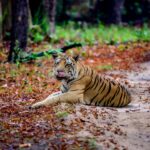
- Royal Bengal tigers
- Indian leopards
- Sloth bears
- Striped hyenas
- Over 300 bird species
- Reptiles including pythons and monitor lizards
The presence of perennial rivers, seasonal nullahs, grassland meadows, and thick sal canopy ensures a multi-layered habitat supporting diverse flora and fauna.
Vegetation and Habitat Diversity Across Ranges
Rajaji’s forest composition primarily consists of sal (Shorea robusta) forests, interspersed with riverine forests, scrubland, and dry deciduous vegetation. The terrain varies from flat alluvial plains near the Ganga to undulating Shivalik hills, creating microhabitats that enhance biodiversity richness.
During monsoon, the forest regenerates rapidly, strengthening herbivore populations. Summers concentrate wildlife near water bodies, increasing predator-prey interactions. Winters bring migratory birds, transforming riverbanks into avian hotspots.
This habitat heterogeneity across different forest ranges ensures ecological balance and strengthens Rajaji’s role as a biodiversity hotspot in Northern India.
Tourism and Conservation Balance
While Chilla remains the primary safari zone, most forest ranges in Rajaji prioritize habitat conservation over commercial tourism. Regulated jeep safaris, anti-poaching camps, wildlife census operations, and community engagement programs are implemented across divisions.
Eco-sensitive zoning ensures:
- Controlled visitor entry
- Sustainable wildlife tourism
- Minimal habitat fragmentation
- Protection of breeding territories
The multi-range administrative structure allows forest officials to monitor wildlife density, manage fire control, and conduct habitat improvement programs efficiently.