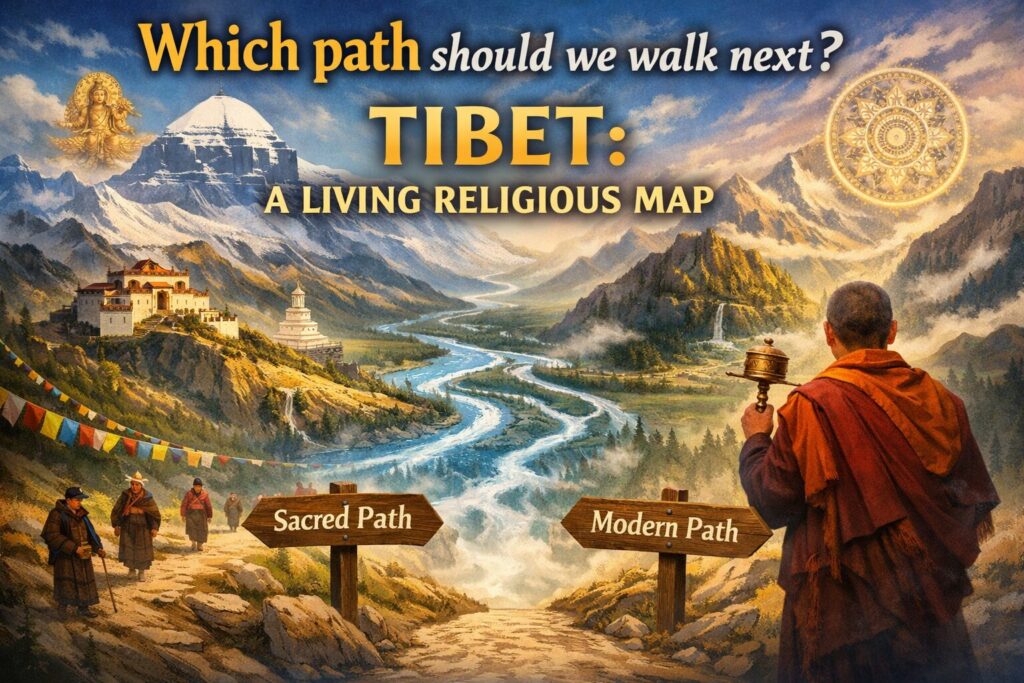
The idea of the Tibetan Plateau as a “living religious map” means that Tibet is not viewed simply as physical land with mountains and rivers, but as a spiritually structured landscape , where every major natural feature is given symbolic meaning and woven into Buddhist cosmology. Geography and religion are fused, so moving across the land becomes like moving through a sacred diagram rather than a neutral space.
From Empty Land to Sacred Space
In ordinary geography, mountains are rock and rivers are water. In Tibetan Buddhism, they are interpreted as manifestations of spiritual forces . Peaks are seen as the abodes of protective deities (dharmapalas), lakes as mirrors of wisdom, and valleys as places of hidden teachings. This process turns natural terrain into a religious text written in stone, ice, and water . Instead of scriptures only being read in monasteries, they are believed to be embedded in the land itself.
The Cosmic Model Projected onto the Plateau
Buddhist cosmology describes the universe as centered on Mount Meru , surrounded by continents, oceans, and sacred mountains. Tibet was imagined as a reflection of this cosmic order. Certain mountains (especially Mount Kailash) were identified with Mount Meru, making Tibet the symbolic center of the world. In this way, the Tibetan Plateau became a terrestrial mandala —a sacred geometric diagram made of real mountains and rivers. Walking through Tibet was therefore symbolically equivalent to moving through a cosmic design.
Rivers and Lakes as Spiritual Pathways
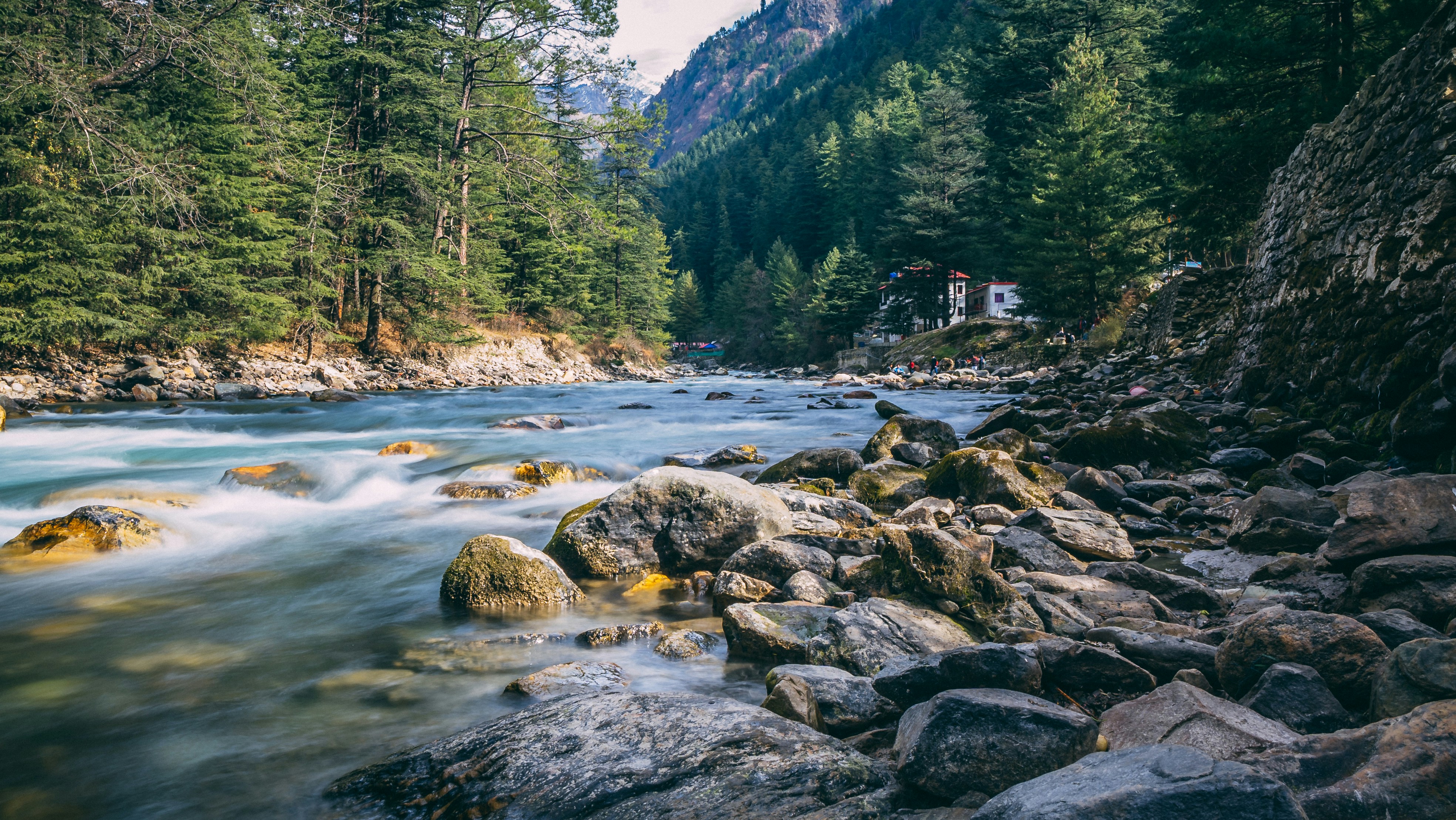
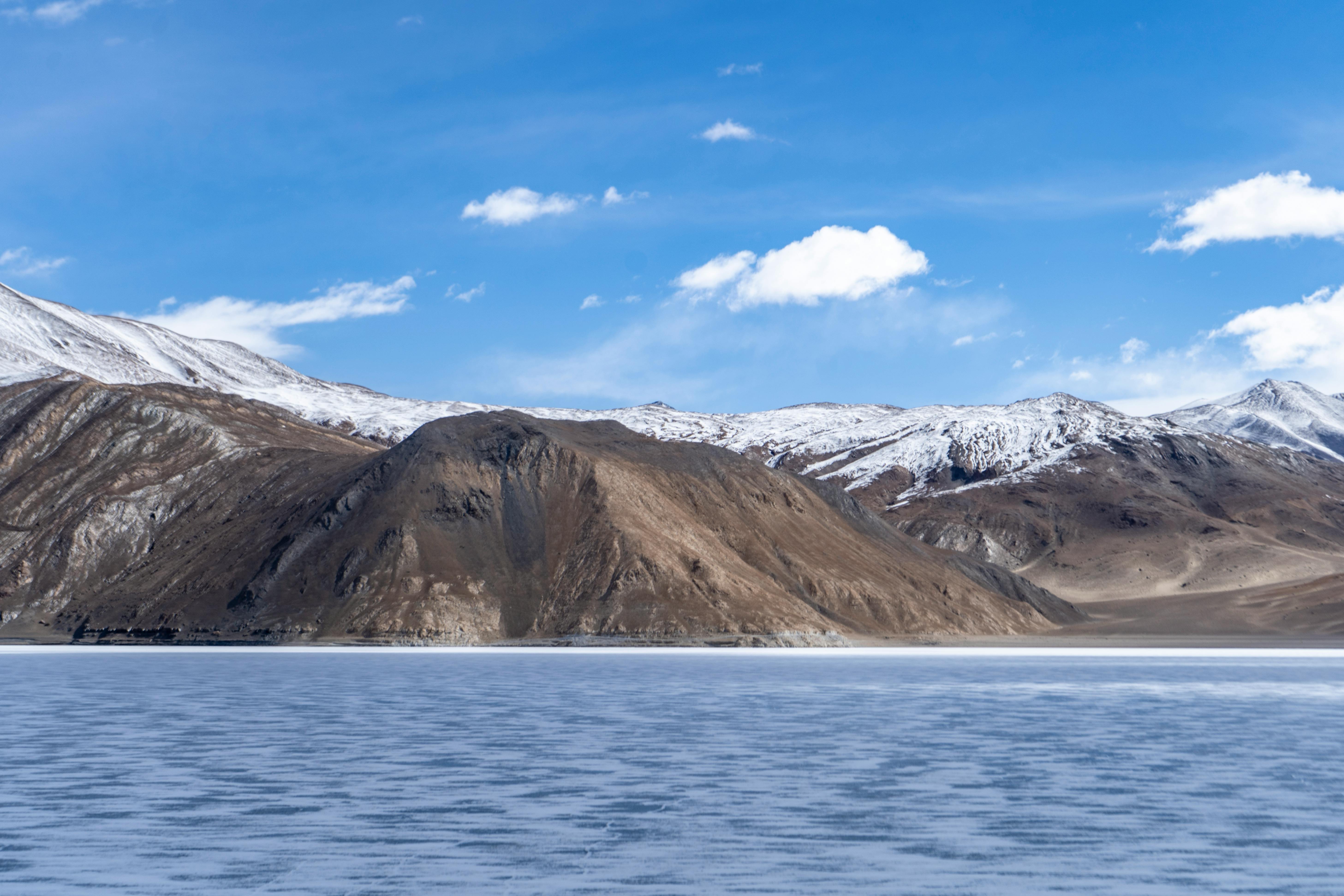
The great rivers that rise in Tibet—the Indus, Brahmaputra, Yangtze, Yellow River, Mekong, and Salween—were not only seen as sources of water but as flows of spiritual energy . Their origins were considered especially holy, because they marked the point where sacred power entered the world. Pilgrims often traveled to these headwaters, turning hydrological networks into pilgrimage routes. Lakes such as Namtso and Yamdrok were treated as living beings, often linked to female deities, and were circumambulated like temples.
Mountains as Deities and Mandalas
Many Tibetan mountains are believed to be personifications of gods or bodhisattvas . Instead of building statues alone, Tibetans worshipped entire peaks. The act of walking around a mountain (kora) replaces temple rituals; the mountain itself is the shrine. Over time, famous pilgrimage circuits formed around specific peaks, valleys, and passes. This mapped devotion onto physical terrain, creating a network of sacred sites tied directly to topography.
Hidden Lands (Beyul) and Sacred Geography
Tibetan tradition speaks of beyul , or “hidden valleys,” believed to be spiritually protected refuges revealed only to worthy practitioners. These were usually remote, fertile pockets in otherwise harsh terrain. The concept tied spiritual destiny to specific geographic locations: certain valleys were not just good farmland but destined sanctuaries in times of crisis. Thus, geography was moralized and mythologized, reinforcing the idea that Tibet’s landscape itself carried religious purpose.
Monasteries as Nodes on the Sacred Map
Monasteries were not built randomly. They were placed at key junctions—river bends, mountain passes, fertile valleys, and crossroads of trade routes. Each monastery anchored a spiritual function to a physical point on the map. Together, they formed a network that overlaid political, economic, and spiritual order onto the plateau. The result was a landscape where spiritual authority could be “read” geographically, just like a map of power and meaning.
Pilgrimage as Navigation through Meaning
In this system, pilgrimage is not just travel; it is ritualized movement across a sacred map . When a pilgrim walks from one holy lake to another or circles a mountain, they are retracing cosmic and historical patterns. Geography becomes a teacher: climbing teaches effort and purification, rivers teach continuity, and high passes symbolize transition between worldly and enlightened states. Movement across space becomes a metaphor for movement toward enlightenment.