Image Source: Anurag Das
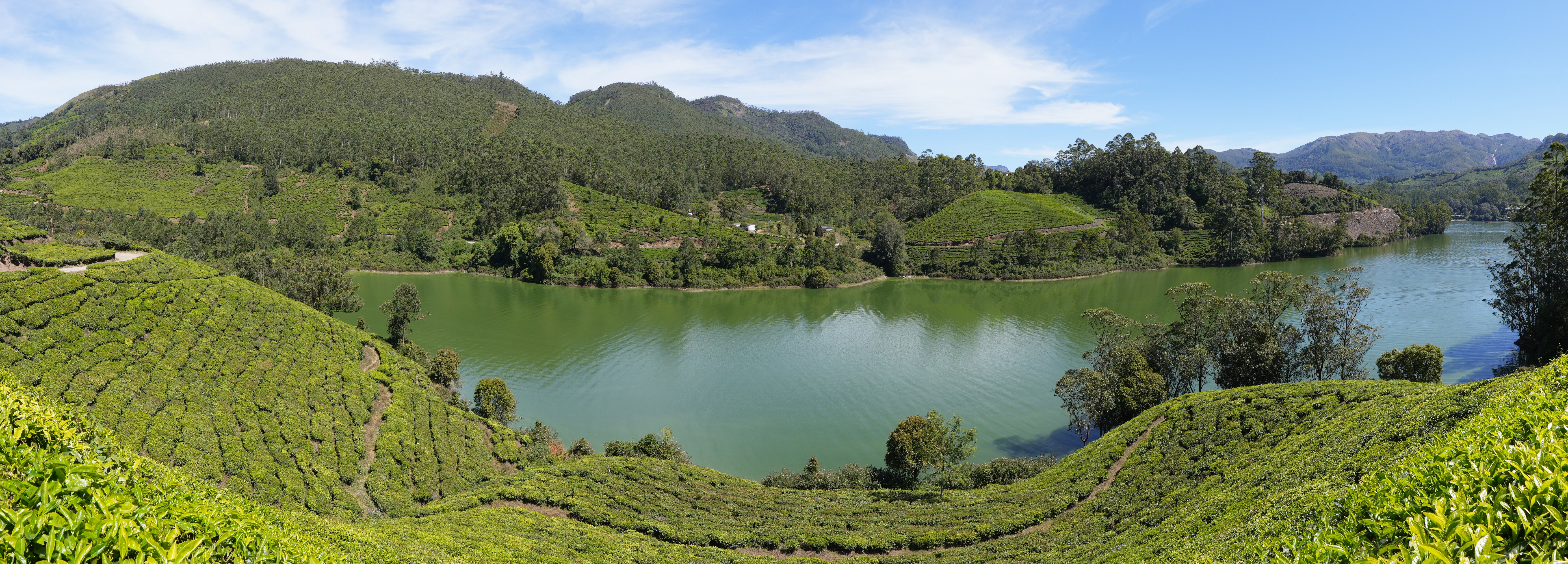
Deep in the southern stretch of the Western Ghats lies a region where the air itself seems alive—with the scent of spice, the dampness of mist, and the quiet rhythm of forest life. The Cardamom Hills are not just mountains; they are an immersive sensory experience. Unlike the open tea gardens of Munnar, these hills feel enclosed, layered, and mysterious—where dense vegetation hides both ancient forests and thriving plantations.
This is a land where ecology and economy have intertwined for centuries, where cardamom grows under the shade of towering trees, and where rivers born in these hills sustain entire regions downstream.
Geography
The Cardamom Hills form a significant segment of the southern Western Ghats, primarily located in **Kerala’s Idukki district**, with extensions into Tamil Nadu. They lie south of Anamudi, the highest peak in South India, and connect to a network of protected forests and wildlife reserves.
The terrain is defined by:
* Rolling highlands and steep valleys
* Thick evergreen and semi-evergreen forests
* Plantation-covered slopes
* Mist-laden ridges
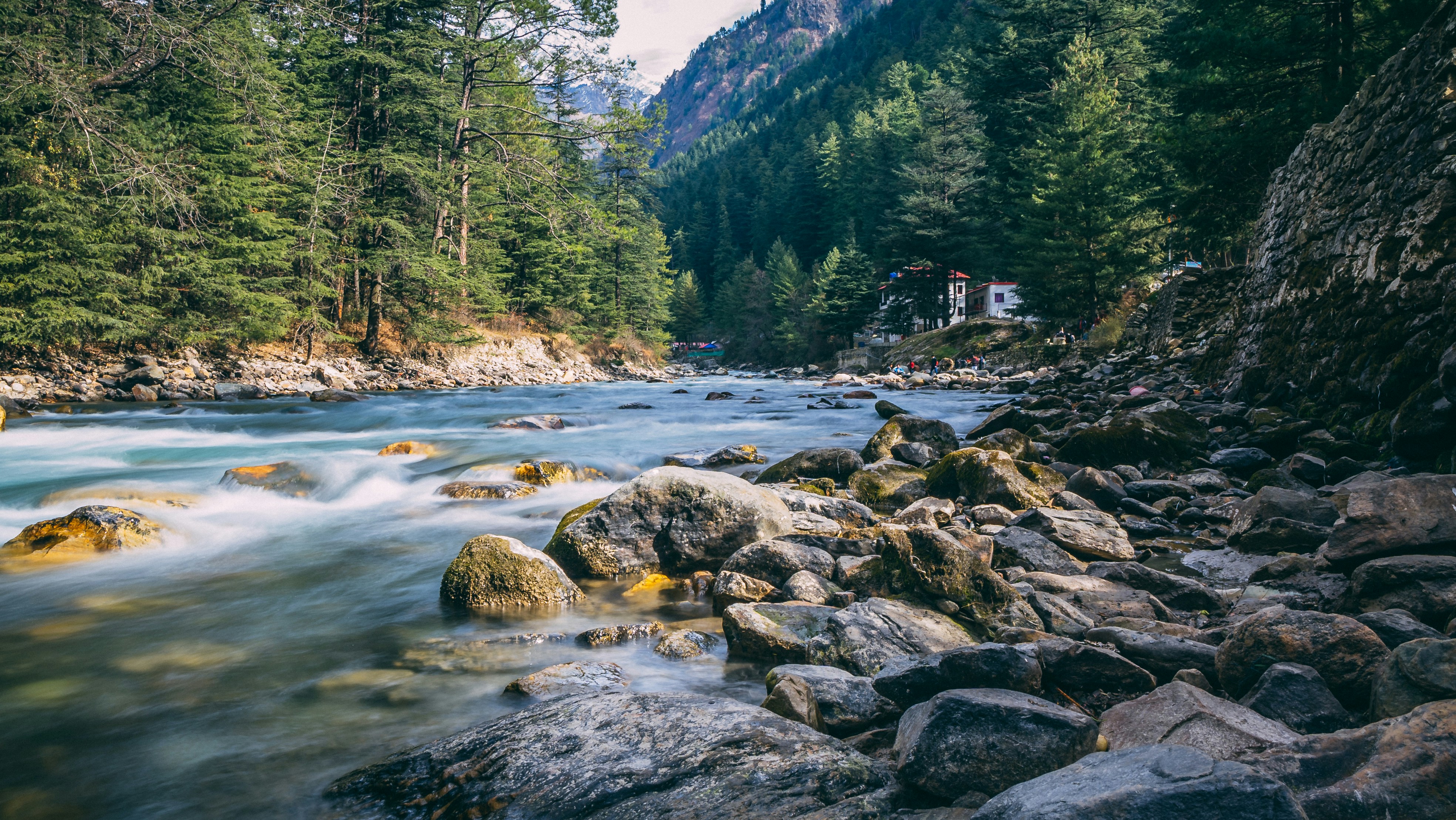
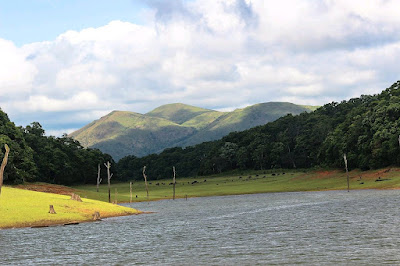
These hills also function as a **major watershed**, giving rise to rivers such as the Periyar and Pamba. These rivers are lifelines for agriculture, drinking water, and ecosystems far beyond the mountains, making the Cardamom Hills crucial not just locally, but regionally.
Ecology and Landscape
What makes the Cardamom Hills unique is their **layered ecological structure**. Unlike more uniform landscapes, this region is a mosaic of:
* Dense evergreen forests in higher elevations
* Shola-grassland systems in certain pockets
* Riverine ecosystems along valleys
* Plantation-dominated zones
The forests here are rich in biodiversity, with thick canopies that filter sunlight, creating a cool, humid microclimate essential for both wildlife and spice cultivation. The terrain often feels enclosed, with limited open vistas, making exploration a deeply immersive experience.
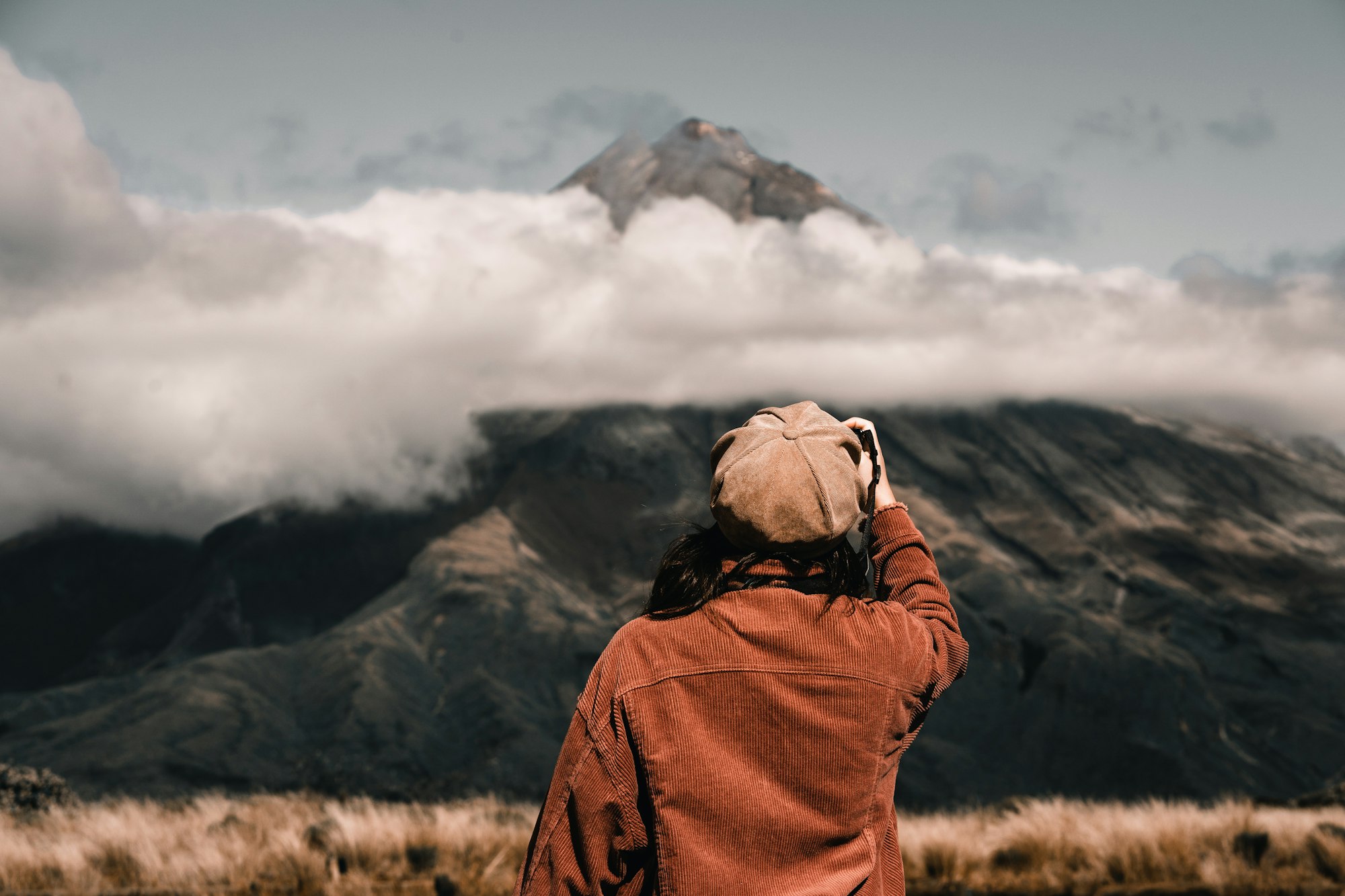
Mist frequently rolls over the hills, especially in the mornings and evenings, adding to the sense of mystery and isolation.
The Spice Economy: Why These Hills Matter
The Cardamom Hills derive their name from one of the most valuable spices in the world—cardamom. For centuries, this region has been a global hub of spice production, supplying markets far beyond India.
Ideal Conditions for Cardamom
Cardamom thrives in:
* High humidity
* Shaded environments under forest canopy
* Rich, well-drained soil
Unlike tea, which grows in open plantations, cardamom requires **shade-grown conditions**, often beneath native forest trees. This creates a unique agroforestry system where cultivation and ecology coexist.
Beyond Cardamom
The hills are also known for:
* Black pepper, often called “black gold”.
* Clove and cinnamon.
* Nutmeg and other spices.
Trade centers near Thekkady have historically played a role in exporting these spices, linking the Cardamom Hills to global trade networks.
Biodiversity: A Living Treasure Trove
The Cardamom Hills are part of the **Western Ghats biodiversity hotspot**, recognized globally for its ecological richness.
Mammals
* Asian elephants moving through forest corridors
* Tigers and leopards in protected reserves.
* Gaur (Indian bison).
* Nilgiri tahr in higher altitudes.
Rare and Endemic Species
* Ratufa macroura in riverine forests.
* Nilgiri langur.
* Lion-tailed macaque in select patches.
Birdlife
The hills support a wide variety of birds:
* Hornbills.
* Laughing thrushes.
* Endemic Western Ghats species.
This biodiversity is sustained by the region’s varied habitats and relatively undisturbed forest patches.
Protected Areas: Guardians of the Hills
Several important conservation areas lie within or around the Cardamom Hills:
* Periyar Tiger Reserve
* Chinnar Wildlife Sanctuary
* Anamudi Shola National Park
These reserves play a crucial role in:
* Protecting endangered species.
* Preserving forest ecosystems.
* Maintaining wildlife corridors.
Historical Evolution: From Wilderness to Plantation
Indigenous Roots
Before large-scale cultivation, the Cardamom Hills were dense forests inhabited by indigenous communities who practiced sustainable living.
Colonial Transformation
The British significantly altered the landscape by:
* Introducing plantation agriculture.
* Building roads and hill stations.
* Expanding spice and tea cultivation.
Places like Peermade became important colonial retreats due to their cool climate.
Modern Landscape
Today, the hills are a blend of:
* Protected forests.
* Private plantations.
* Tourist destinations.
This dual identity creates both opportunities and challenges.
Travel Experience: Through Mist and Spice
Traveling through the Cardamom Hills is an experience defined by gradual transitions.
Scenic Routes
* Munnar to Thekkady drive.
* Kottayam to Peermade plantation road.
These journeys pass through:
* Tea gardens transitioning into spice estates.
* Dense forests.
* Mist-covered valleys.
Activities
* Plantation tours to understand spice cultivation.
* Nature walks in forest edges.
* Wildlife safaris in nearby reserves.
Unlike crowded hill stations, the experience here is quiet, immersive, and sensory-driven.
Climate: The Engine of Life
The Cardamom Hills enjoy a cool and humid climate, shaped by monsoon patterns.
* Heavy rainfall during monsoon.
* Mist and cloud cover throughout the year.
* Moderate temperatures even in summer.
This climate supports:
* Dense vegetation.
* Rich biodiversity.
* High-quality spice production.
Environmental Challenges: A Fragile Balance
Despite their richness, the Cardamom Hills face growing pressures.
Deforestation and Land Use Change
Expansion of plantations has reduced native forests, affecting biodiversity.
Climate Change
Unpredictable rainfall patterns threaten both ecosystems and agriculture.
Human-Wildlife Conflict
Encroachment into forest areas leads to conflicts, especially with elephants.
Conservation Importance: Beyond the Hills
The Cardamom Hills are vital for:
* Water security in southern India
* Climate regulation
* Biodiversity conservation
Protected areas like Periyar Tiger Reserve help maintain ecological balance, but sustainable practices across the entire landscape are essential.
Cultural Landscape: Life Shaped by Spice
The hills are not just natural—they are deeply human landscapes.
Communities here depend on:
* Spice cultivation
* Plantation work
* Forest resources
Local culture reflects a blend of:
* Indigenous traditions
* Colonial influences
* Modern agricultural practices
The rhythm of life is tied to the cycles of planting, harvesting, and monsoon rains.
Final Perspective: A Landscape of Interdependence
Cardamom Hills represent a rare balance between nature and human activity.
* Forests sustain water and biodiversity
* Plantations drive the economy
* Wildlife moves through shared landscapes
This interdependence makes the region both productive and vulnerable.
To understand the Cardamom Hills is to understand a larger truth about the Western Ghats—that conservation cannot exist in isolation. It must work alongside livelihoods, traditions, and evolving landscapes.
In the drifting mist, the scent of cardamom, and the quiet hum of life, these hills tell a story of **resilience, adaptation, and the delicate balance between use and preservation**.