Image Source: Chetan Samrit
Introduction
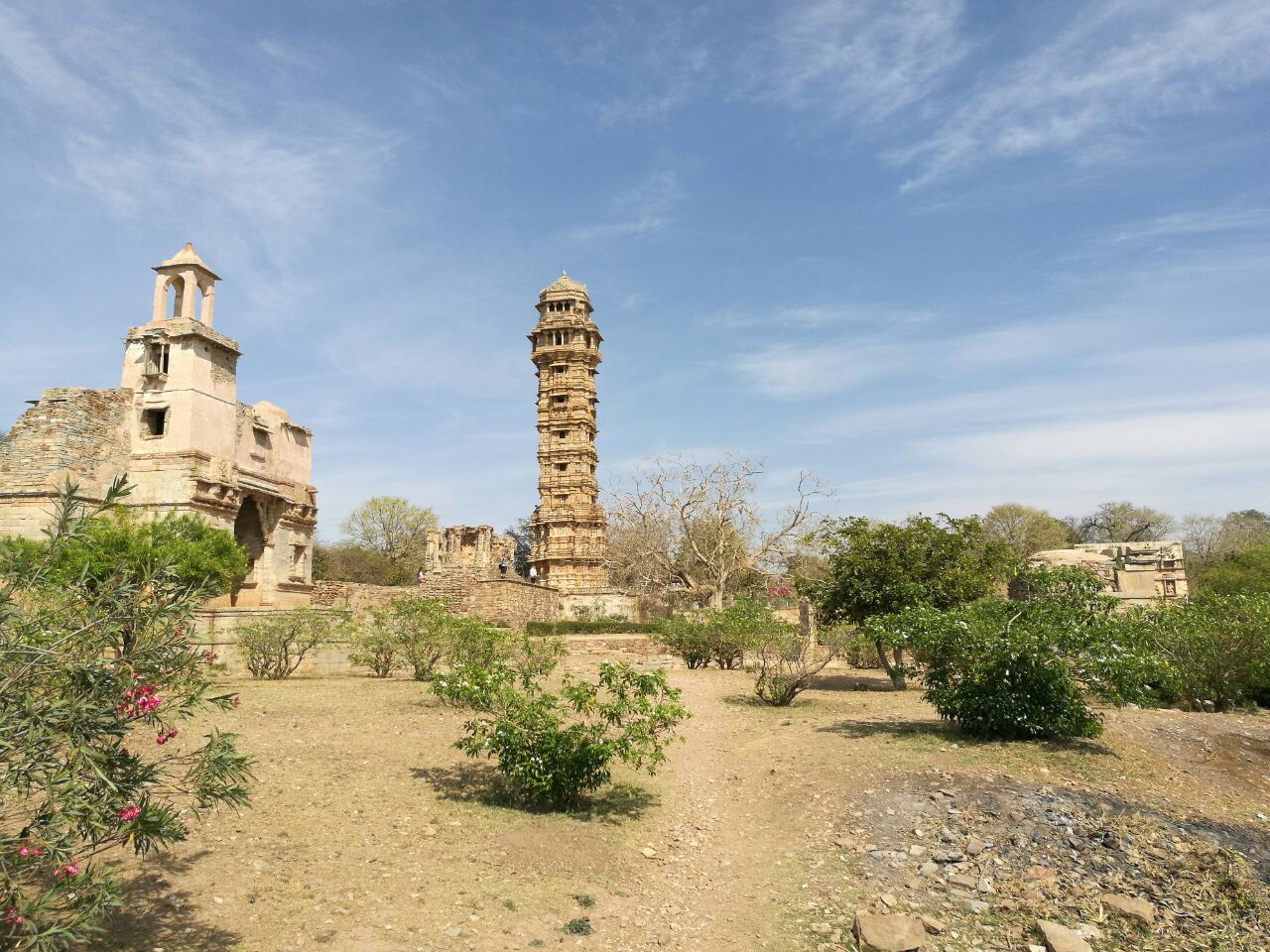
Rana Kumbha Palace is one of the top attractions in Chittorgarh Fort. The iconic heritage palace is located near Vijay Stambh inside the Chittorgarh Fort Complex. With its captivating legends and architectural splendor, the magnificent palace, rebuilt by Maharana Kumbha, stands as a testament to the rich history of Rajasthan’s Mewar dynasty.
Location and Strategic Setting
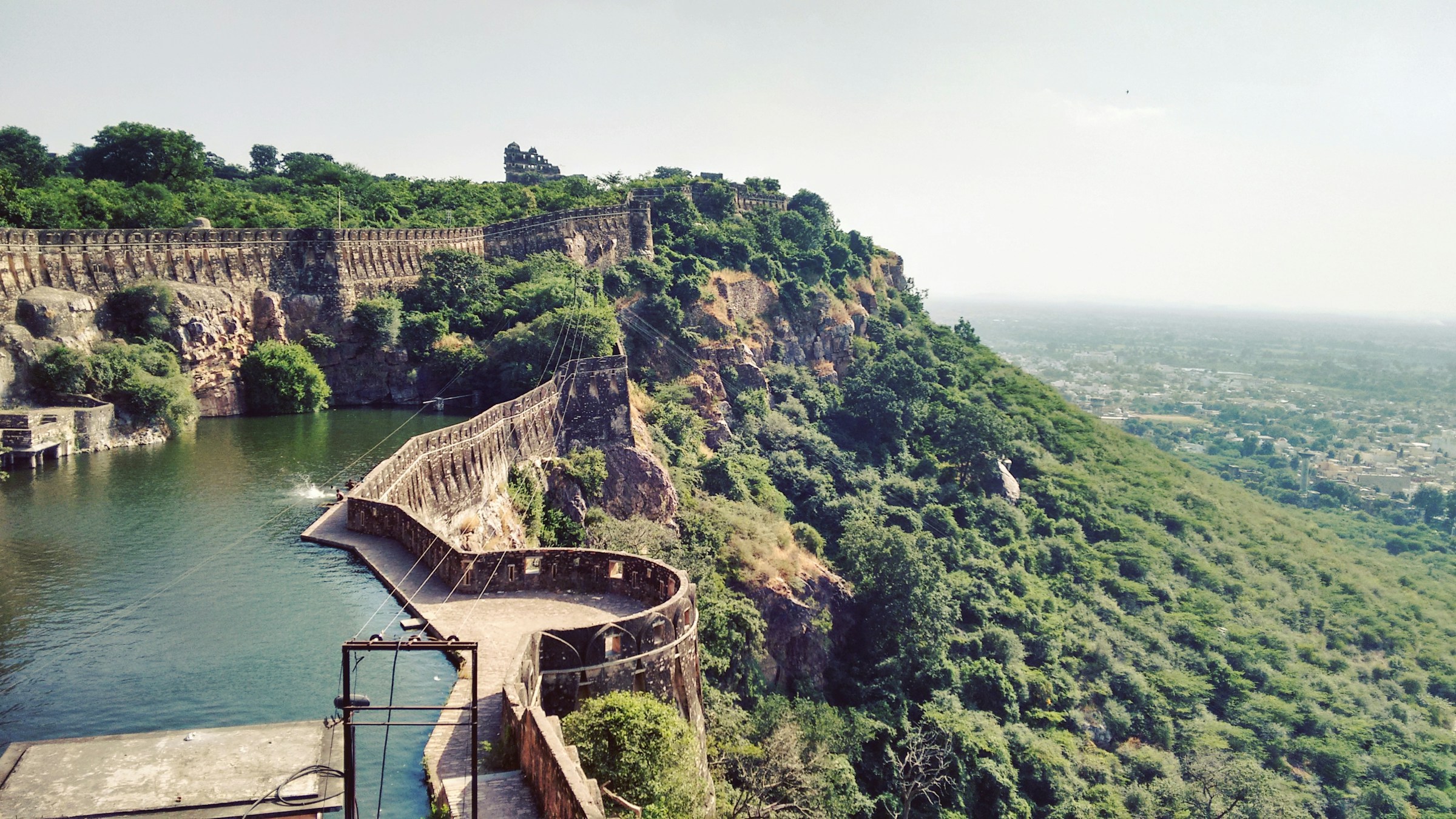
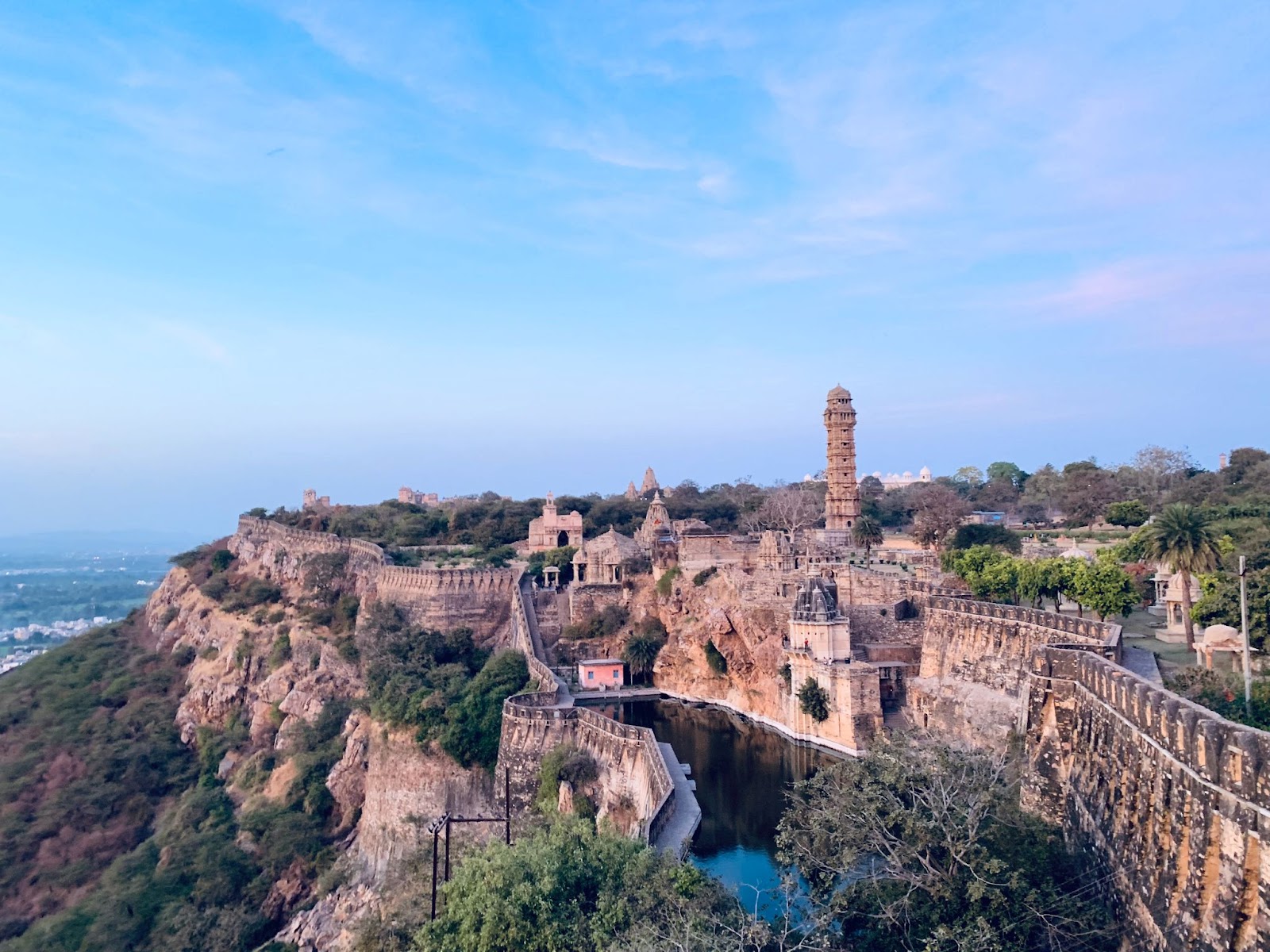
Rana Kumbha Palace is located inside Chittorgarh Fort, a UNESCO World Heritage Site in Chittorgarh district, Rajasthan. The fort rises dramatically above the plains of the Berach River basin, occupying a strategic hilltop that once controlled major trade and military routes of southern Rajasthan.
The palace sits near the southern section of the fort, close to key water reservoirs and defensive gateways—highlighting its role as a functional seat of governance rather than a pleasure palace.
History of Rana Kumbha Palace
The original construction of the palace dates back to the 8th century, when BappRawal built it in 734 AD. Later, adding his own artistic touches and cultural patronage to the structure, Maharana Kumbha rebuilt it to reside in the palace.
The palace is named after Rana Kumbha (r. 1433–1468 CE), one of the greatest rulers of the Sisodia dynasty of Mewar. Under his reign, Mewar reached the height of its military and cultural power. Rana Kumbha was not only a warrior king but also a scholar, patron of arts, and devotee of Shaivism.
Rana Kumbha Palace has been associated with numerous legends. One such legend is that of Maharana Udai Singh, who was born within the walls of this palace. Panna Dhai, a nurse, made a supreme sacrifice by swapping her own son for Maharana Udai Singh.
Rana Kumbha Palace also served as the former residence of Meerabai, a renowned bhakti poetess. She has left an indelible mark on the palace’s legacy.
Rani Padmini, Jauhar, and Collective Memory
Moreover, during the invasion of Ala-ud-din-khilji in 1303 AD, the palace is said to have housed underground cellars where Rani Padmini and other women from the royal palace performed Jauhar, a self-immolation ritual. These haunting stories and tales create an atmosphere filled with historical echoes. Though debates continue among historians regarding exact locations and details, the palace remains a symbolic epicenter of sacrifice and honor in Rajput collective memory.
Architecture of Rana Kumbha Palace
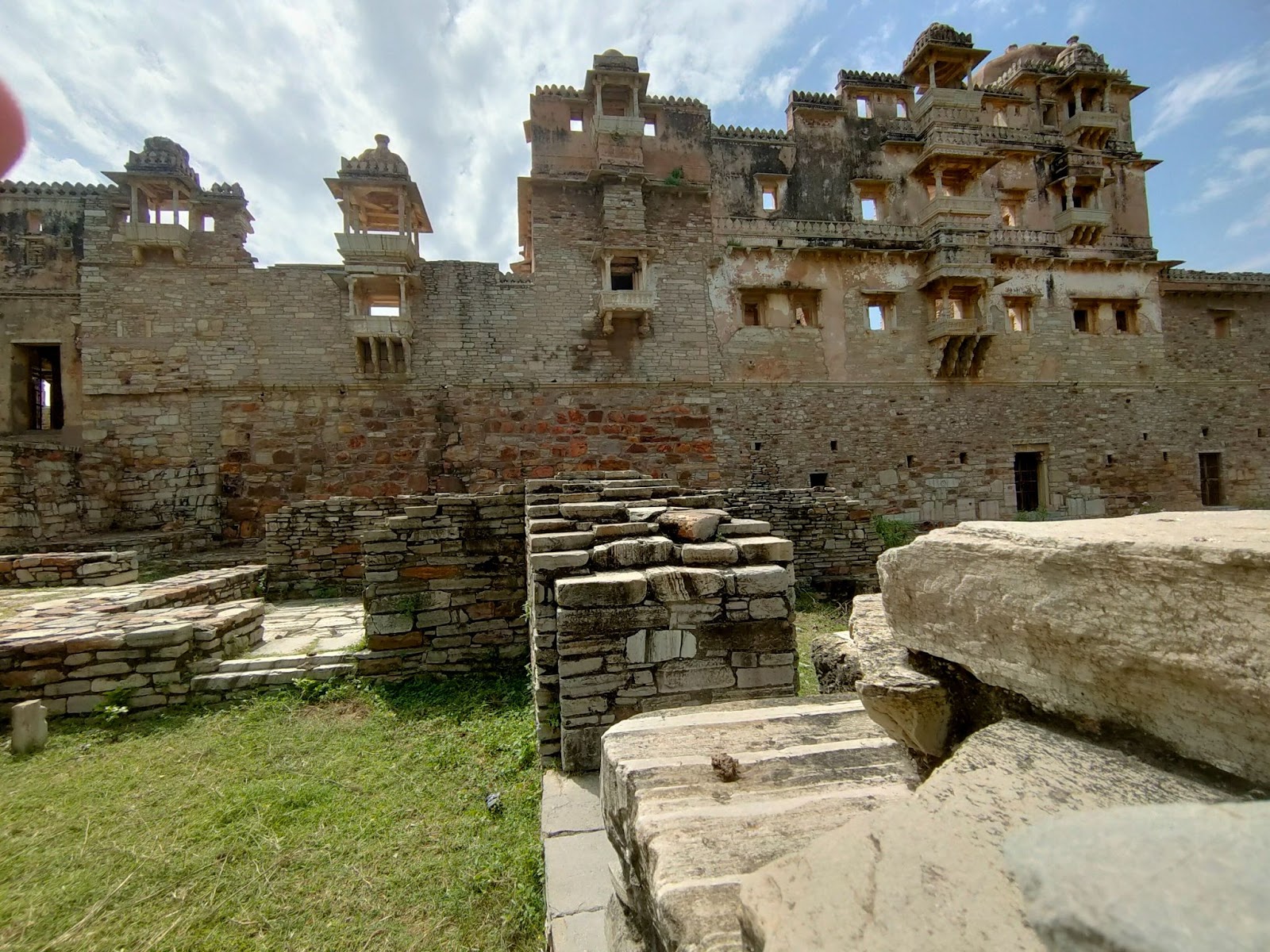
Rana Kumbha Palace is the largest palace complex in Chittorgarh Fort, constructed primarily from local limestone and sandstone. Its architecture emphasizes strength, enclosure, and layered defense, rather than ornamental elegance.
The architecture of Rana Kumbha Palace reflects the opulence and regality of the Rajput Dynasty. The massive structure sits atop a rectangular-shaped basement, providing commanding views of the surrounding landscape. Built primarily with sandstone, the palace features a series of canopied balconies that add a touch of elegance to the overall design.
There are two gateways known as Tripolia Gate and Suraj Pole that further lead into the open courtyard where Kanwarpada-ka-mahal, Zanana Mahal, and Suraj Gokhara await your exploration.
You will find the palaces of Panna Dhai and Meerabai, which further enrich the historical tapestry of the complex. Rana Kumbha Palace offers a spiritual journey. A grand temple of Lord Shiva stands within the palace. The nearby stables housed the majestic horses and elephants that played a pivotal role in the grandeur of the Rajput era.
For those who have an interest in delving deeper into the heritage of the region, a museum and archaeological office await exploration across from the palace. Nau Lakha Bandar, once the royal treasury of Chittor, is located at a short distance from Rana Kumbha Palace.
Nearby Attractions
Vijay Stambh (Victory Tower)
Built by Rana Kumbha to commemorate victory over the Sultanates of Malwa and Gujarat, this tower is a masterpiece of Rajput commemorative architecture.
Kirti Stambh
An older Jain monument dedicated to Adinatha, reflecting Chittorgarh’s religious diversity.
Padmini Palace
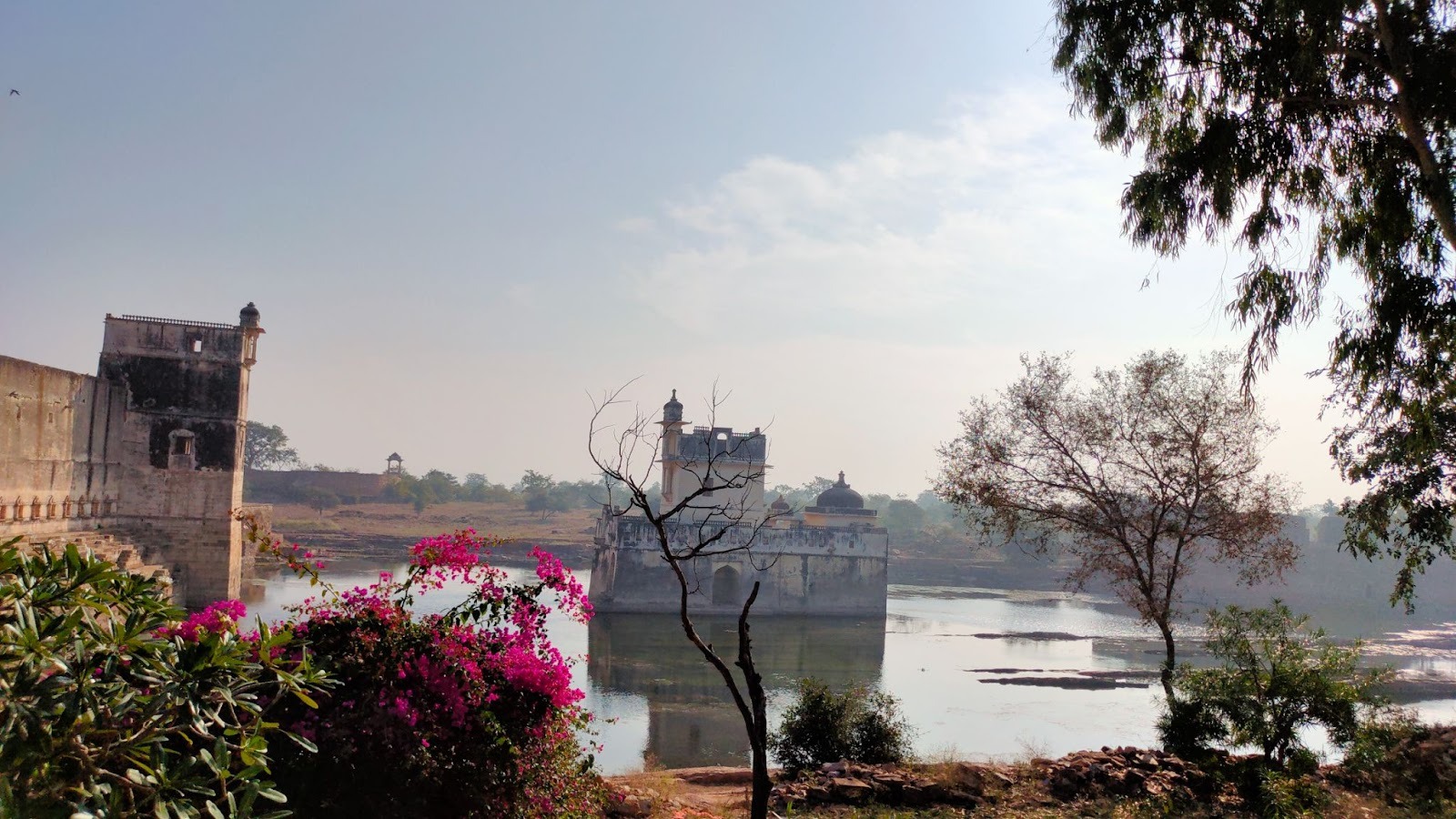
Located near a lotus pond, traditionally associated with Rani Padmini, offering contrast to the austere Rana Kumbha Palace.
Meera Temple
Dedicated to Saint Meera Bai, symbolizing the Bhakti tradition within royal Mewar.
Gaumukh Reservoir
A sacred water source within the fort, highlighting the importance of water management in hill forts.
Plan Your Visit
Rana Kumbha Palace warmly welcomes visitors from 9:30 a.m. to 5 p.m., offering an enriching experience for history enthusiasts, architecture aficionados, and those seeking to immerse themselves in the cultural heritage of Chittorgarh Fort. As you plan your visit, please note that there is an entry fee for accessing the fort complex: Rs. 50 for Indians, Rs. 25 for kids, and Rs. 200 for foreigners.
How to Reach Rana Kumbha Palace
Rana Kumbha Palace is located inside the historic Chittorgarh Fort in Chittorgarh, Rajasthan. The palace lies near the famous Vijay Stambh (Victory Tower) and is one of the most important attractions within the fort complex.
By Road
Rana Kumbha Palace is about 5 km from the main Chittorgarh city center. Visitors can easily reach the fort by taxi, auto-rickshaw, private vehicle, or local transport. Once inside the fort, the palace is well signposted and can be reached by a short walk or drive.
By Train
The nearest railway station is Chittaurgarh Junction Railway Station, located approximately 6 km from the palace. The station has regular train connections to major cities such as Delhi, Jaipur, Udaipur, Ahmedabad, Mumbai, and Kota. From the station, taxis and auto-rickshaws are readily available.
By Air
The nearest airport is Maharana Pratap Airport in Udaipur, about 95–100 km from Chittorgarh. The airport is well connected to major Indian cities including Delhi, Mumbai, Bengaluru, and Hyderabad. From the airport, visitors can hire a taxi or take a bus to Chittorgarh.
Local Travel Tips
- The best way to explore Rana Kumbha Palace is as part of a full-day tour of Chittorgarh Fort.
- Combine your visit with nearby attractions such as Vijay Stambh, Kirti Stambh, Padmini Palace, and Meera Temple.
Map of Rana Kumbha Palace
FAQS
- Q: Where is Rana Kumbha Palace located?
It is located inside Chittorgarh Fort in Rajasthan, a UNESCO World Heritage Site.
- Q: Who built Rana Kumbha Palace?
The palace is associated with Rana Kumbha of Mewar, one of the most powerful Sisodia rulers.
- Q: What was the primary purpose of the palace?
It served as the main royal residence and administrative center of medieval Mewar.
- Q: Is Rana Kumbha Palace linked to Rani Padmini?
Yes, it is traditionally associated with Rani Padmini and the historic act of jauhar, making it symbolically significant.
- Q: What architectural style does the palace follow?
It reflects early Rajput defensive palace architecture, prioritizing strength and enclosure.
- Q: Is the palace fully intact today?
No, it exists largely in ruins, but these ruins provide deep insight into medieval Mewar life.
- Q: How much time is needed to explore the palace?
Around 30–45 minutes, depending on interest and crowd levels.
- Q: Can Rana Kumbha Palace be visited with other monuments in one day?
Yes, it is centrally located within the fort and can be explored alongside other key structures.