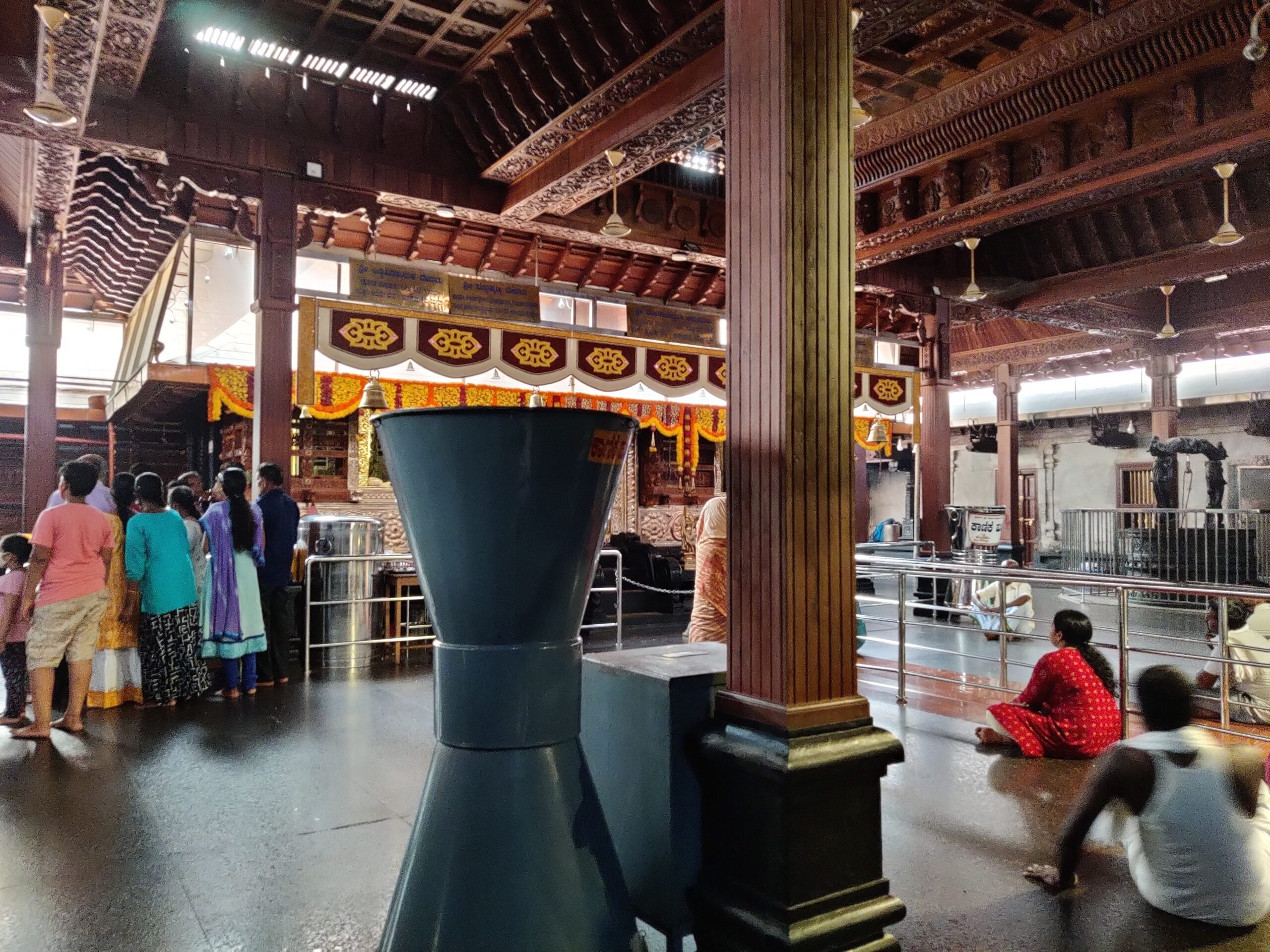
Image Source: Umesh Sharma
About Gaura Devi Temple
Gaura Devi Temple, located in Devalgarh, Uttarakhand, is a renowned religious and historical site dedicated to Goddess Gaura (a form of Goddess Parvati). This ancient temple is not only a place of worship but also an architectural marvel that reflects the rich cultural heritage of Uttarakhand.
The Gaura Devi temple is a renowned religious and historical site located in Devalgarh, Uttarakhand. Goddess Gaura is a form of Goddess Paravati.
It features Katyuri-style architecture and reflects the rich cultural heritage of Uttarakhand. Devalgarh is home to several ancient temples, including the Raj Rajeshwari Temple, the Laxmi Narayan Temple, and the Gaura Devi Temple, making it an important religious hub in the region.
Location and Setting
The temple is located in Devalgarh village, around 18–19 km from Srinagar (Garhwal), along the scenic Khirsu–Srinagar road. Devalgarh itself is an ancient settlement known for its historical temples, archaeological remains, and quiet Himalayan charm. Perched on a gentle ridge, the Gaura Devi Temple offers expansive views of the Alaknanda Valley, especially during clear mornings when the mountains appear layered in mist and light.
Who is Goddess Gaura Devi?
In Garhwali tradition, Gaura Devi is worshipped as an aspect of Goddess Parvati, symbolizing fertility, protection, and maternal power. Locally, she is regarded as a Kuldevi (clan goddess) by many families in Devalgarh and surrounding villages. Oral traditions narrate that the goddess safeguards the land from natural calamities and ensures agricultural prosperity.
History of Garura Devi Temple
In the history of Garhwal, Devalgarh holds an important place because it was the capital of the king of Garhwal. According to local folklore, during Satyug, Devalgarh was ruled by King Dewal, who was the son of Satyayug King Sashibindu. Later, the name of the region was established as the Devalgarh that we call today.
Before Gaura Devi Temple was established, it was believed that Baishav, who was a son of Kubera, used to worship a god named Raj Rajeshwari Devi. After getting blessings from Raj Rajeshwari Devi, he constructed the Gaura Devi temple. The temple of Rajeshwari Devi is situated in the vicinity of the Devalgarh road.
Gaura Devi Temple is believed to date back to the early medieval period (around the 7th–9th century CE), placing it among the older surviving religious structures in Garhwal. Another belief is that the temple was built in the 15th century by King Ajay Pal, who made Devalgarh his capital.
Built primarily using local stone, the temple reflects early Himalayan temple architecture. The shrine is part of a larger sacred complex that includes other ancient temples in Devalgarh, indicating that the village once functioned as a religious and cultural hub before political centers shifted to Srinagar and beyond.
Architecture of Garura Devi Temple
A prime example of the architecture of Garhwal, the Garura Devi Temple is beautifully carved and reflects old tradition. Near the temple lies a huge boulder named Som-Ki-Danda. A script in Pali written on a boulder says how old the temple is. Pali was used during the Ramanuj period. He was a great devotee who had travelled to North India to spread Vaishnavism.
Rituals, Fairs, and Living Traditions
One of the most distinctive aspects of Gaura Devi Temple is its annual fair, held during the harvest season (around Baisakhi). Villagers bring offerings made from newly harvested wheat, especially handmade chapatis, as a symbolic gesture of gratitude. This ritual highlights the deep link between agriculture, goddess worship, and seasonal cycles in Garhwal.
Daily worship is simple and intimate, conducted mainly by local priests and villagers, preserving the community-centered nature of the shrine.
Deval Garh Significance
Deval Garh was the capital of Garhwal before it was shifted to Srinagar. The presence of a large number of temples reflects the region’s historical importance.
Preservation
Efforts are ongoing to preserve its heritage. The Archaeological Survey of India (ASI) has recognized the temple as a protected site due to its historical and architectural value.
Best Time to Visit
- The ideal time to visit the Gaura Devi Temple is during the spring and autumn months (March to May and September to November), when the weather is pleasant.
- The monsoon season should be avoided due to heavy rains and potential landslides in the region.
Nearby Attractions
Devalgarh Archaeological Site
Devalgarh is home to several ancient temples, ruins, and stone sculptures, making it a lesser-known archaeological destination in Garhwal. Exploring the village reveals layers of history embedded in everyday life.
Styanath Temple
Located close to Gaura Devi Temple, Styanath Temple is dedicated to Lord Shiva and is believed to be equally ancient. Together, these temples highlight the Shiva–Shakti spiritual balance prevalent in Himalayan belief systems.
Khirsu
About 15 km away, Khirsu is famous for its apple orchards, meadows, and panoramic Himalayan views, including glimpses of Nanda Devi and Trishul peaks on clear days.
Srinagar (Garhwal)
A historic town on the banks of the Alaknanda River, Srinagar offers access to temples, riverfront walks, and local markets and acts as the nearest urban base for Devalgarh.
Dhari Devi Temple
Situated along the Alaknanda River, this powerful goddess shrine complements a visit to Gaura Devi, allowing travelers to experience different manifestations of feminine divinity in Garhwal.
How to Reach Gaura Devi Temple
- By Air: The nearest airport is Jolly Grant Airport, Dehradun, around 125 km away.
- By Train: The closest railway station is Rishikesh, approximately 100 km from Devalgarh.
- By Road: Devalgarh is well-connected by road and can be reached via a short detour from the NH-58. Local buses and taxis are available from nearby towns like Pauri and Srinagar.
Map and Location of Gaura Devi Temple
Gaura Devi Temple is located in Devalgarh. If you are travelling from Srinagar to Rudraprayag, then the temple is located at a distance of 18 kilometers from Srinagar.
FAQS
- Q: Where is Gaura Devi Temple located?
Gaura Devi Temple is situated in Devalgarh village of Pauri Garhwal district, Uttarakhand, about 18–19 km from Srinagar (Garhwal), along the Khirsu–Srinagar route.
- Q: Which goddess is worshipped at Gaura Devi Temple?
The temple is dedicated to Goddess Gaura Devi, a regional form of Goddess Parvati, revered as a protector deity and Kuldevi by many Garhwali families.
- Q: Is Gaura Devi Temple historically significant?
Yes, the temple is believed to date back to the early medieval period, making it one of the ancient Shakti shrines of Garhwal, closely linked with Devalgarh’s archaeological heritage.
- Q: What makes worship at Gaura Devi Temple unique?
Worship here follows local Garhwali Shakta traditions, emphasizing community rituals, seasonal offerings, and folk beliefs rather than elaborate classical temple ceremonies.
- Q: Are there any festivals or fairs associated with the temple?
An important annual fair during the harvest season (around Baisakhi) is held, where devotees offer food prepared from freshly harvested grain to the goddess.
- Q: Can tourists visit Gaura Devi Temple?
Yes, the temple is open to visitors. It is a peaceful site preferred by spiritual travelers, heritage enthusiasts, and those seeking offbeat Garhwal destinations.
- Q: What is the best time to visit the temple?
The best time to visit is from October to April, when weather conditions are comfortable and mountain views are clear.
- Q: Are there other temples near Gaura Devi Temple?
Yes, nearby shrines include Styanath Temple and other ancient Devalgarh temples, reflecting the region’s long-standing religious importance.
- Q: Is the temple suitable for elderly visitors?
Yes, access is relatively easy, though visitors should be prepared for hill terrain and short walks.
- Q: Why is Gaura Devi Temple important to local communities?
For local villagers, the temple is central to social life, agricultural rituals, and spiritual protection, making it an integral part of Garhwali cultural identity.