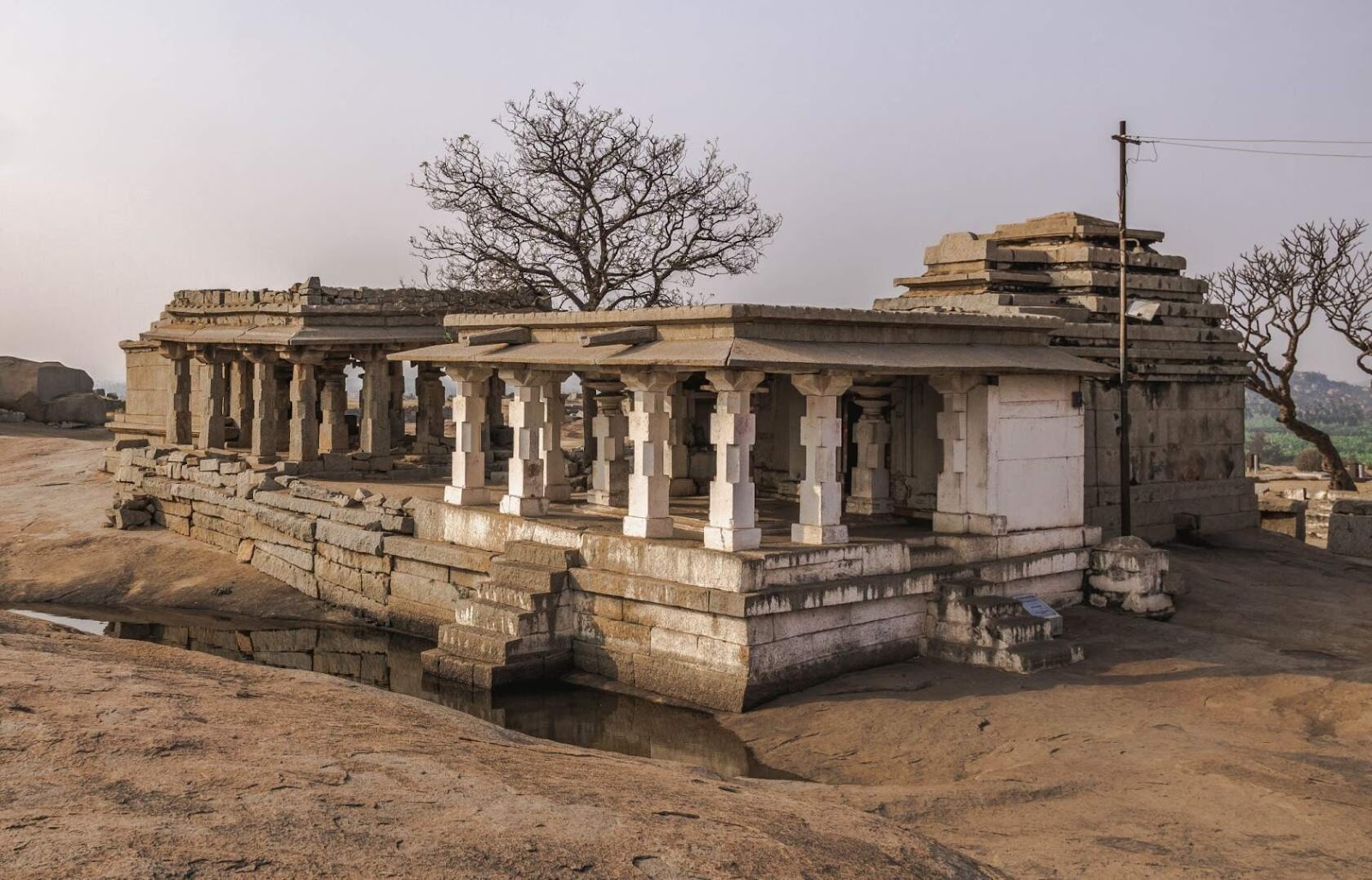
Image Source: Roman Saenko
About Hemakuta Group of Temples
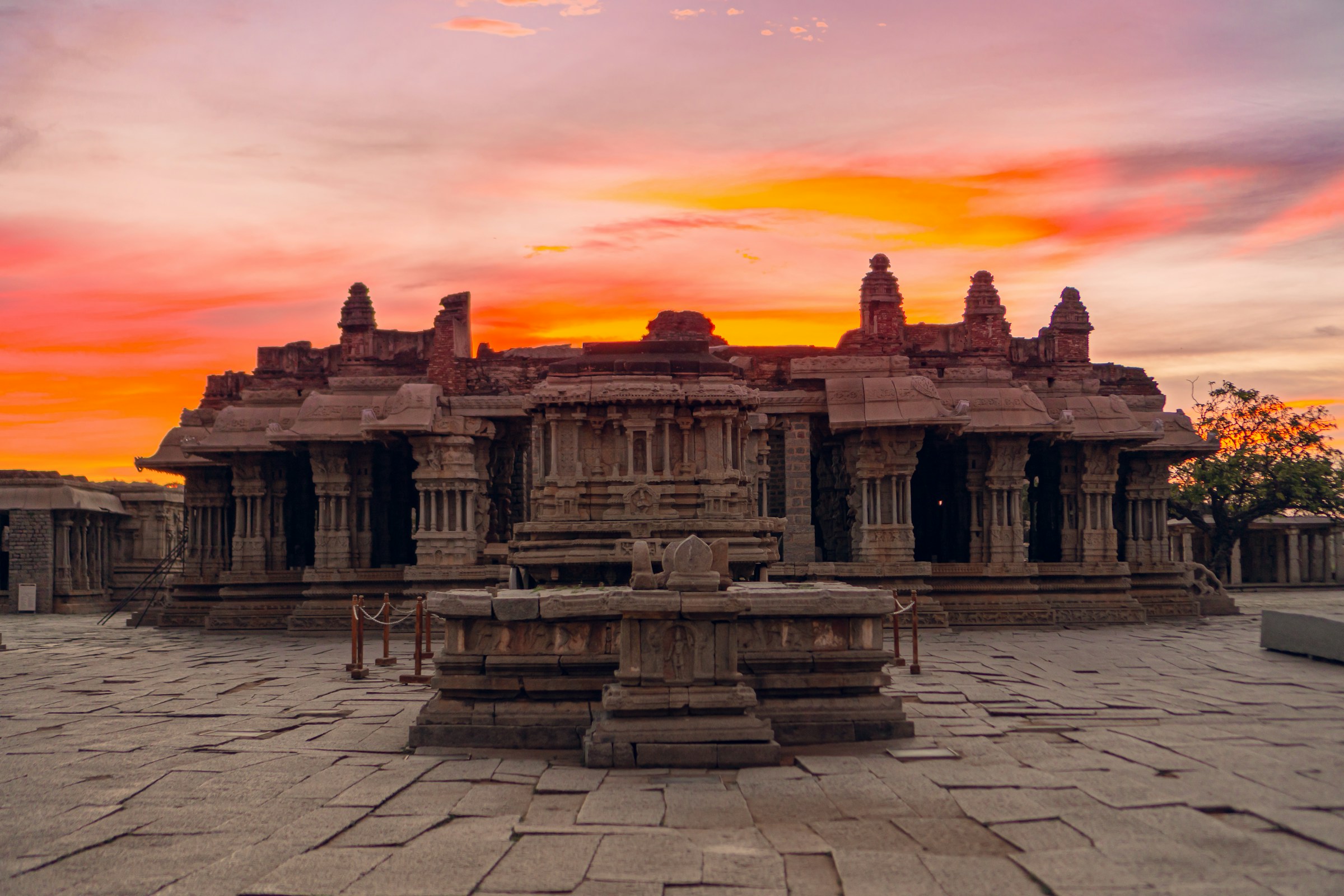
Perched on the gentle slopes of Hemakuta Hill, the Hemakuta Group of Temples is one of the most peaceful and visually striking spots in Hampi. Often referred to as the “golden hillock,” Hemakuta sits right next to the famous Virupaksha Temple.
Climb up the hill, and you’re rewarded with sweeping views of Hampi Bazaar and the surrounding ruins. It’s the kind of place where history, mythology, and quiet beauty come together effortlessly.
A Cluster of Ancient Structures
The Hemakuta Hill isn’t home to just a few temples—it’s dotted with more than 50 structures, including shrines, mandapas (pillared halls), gateways, and small pavilions. Walking through the complex feels like stepping into a forgotten era.
What makes this place special is its timeline. The temples here date back to both the pre-Vijayanagara and Vijayanagara periods (roughly 9th to 14th centuries AD). Some are dedicated to Lord Shiva, while a few reflect Jain influences, showcasing the region’s diverse spiritual history.
Stories Hidden in Inscriptions
Many of the temples here reveal their origins through inscriptions carved in stone.
One of the notable ones is the Trikuta Shiva Temple on the eastern side, which credits its construction to Vira Kampiladeva. Another inscription at the Prasanna Anjaneya Temple mentions Virupaksha Panditha and his brother, who built a temple and a water tank dedicated to Virupaksha.
There’s also a record of Queen Bukkave installing a lamp pillar in 1397 AD in the temple of Jadeya Shankaradeva. These inscriptions give us a fascinating glimpse into the people and rulers who shaped this sacred landscape.
Legends of Hemakuta Hill
Hemakuta Hill is steeped in mythology. According to local belief, this is where Lord Shiva performed intense penance before marrying Goddess Parvati.
Another popular legend says that Shiva burned Kamadeva (the god of love) here, adding a mystical layer to the hill’s identity. These stories continue to draw pilgrims and curious travelers alike.
Architectural Style
The temples on Hemakuta Hill stand out for their unique design, which differs from the grand, ornate style seen in later Vijayanagara architecture.
Most structures are compact, often featuring triple-chambered sanctums and pyramid-shaped roofs. Some temples on the northern side follow the Trikutachala style, giving the complex a distinct architectural character that reflects its earlier origins.
Best Time to Visit & Timings
The hill is open daily from 6:00 AM to 6:00 PM. Early morning or sunset is the best time to visit—when the soft light casts a golden glow over the ruins, making the experience even more magical.
How to Reach Hemakuta Group of Temples
The Hemakuta Group of Temples is located in the UNESCO World Heritage site of Hampi in Karnataka, perched on Hemakuta Hill between the Virupaksha Temple and Sasivekalu Ganesha. Its elevated position offers panoramic views of Hampi’s boulder-strewn landscape and ancient ruins.
By Air
The nearest airport is Jindal Vijayanagar Airport at Toranagallu, approximately 40 km from Hampi. Visitors can hire taxis or cabs from the airport to reach the temple complex. Alternatively, Hubballi Airport, around 165 km away, offers better connectivity to major Indian cities.
By Rail
The closest railway station is Hosapete (Hospet) Junction, located about 13 km from Hampi. Regular buses, taxis, and auto-rickshaws are available from the station to the temple area.
By Road
Hampi is well connected by road to cities such as Bengaluru, Hubballi, Ballari, and Mysuru. KSRTC and private buses operate frequently to Hampi and Hosapete. Once in Hampi, visitors can explore the monuments on foot, by bicycle, scooter, or auto-rickshaw. Reaching the Hemakuta temples requires a short uphill walk over stone-paved paths.
Nearby Attractions
Virupaksha Temple
Located at the base of Hemakuta Hill, the Virupaksha Temple is one of India’s oldest functioning temples and the spiritual center of Hampi. Dedicated to Lord Shiva, it features towering gopurams and intricate carvings.
Sasivekalu Ganesha
This monolithic statue of Lord Ganesha, carved from a single rock, is one of Hampi’s iconic landmarks and lies close to the Hemakuta temples.
Kadalekalu Ganesha
Another impressive monolithic Ganesha idol, this shrine is known for its massive sculpture and pillared pavilion.
Hampi Bazaar
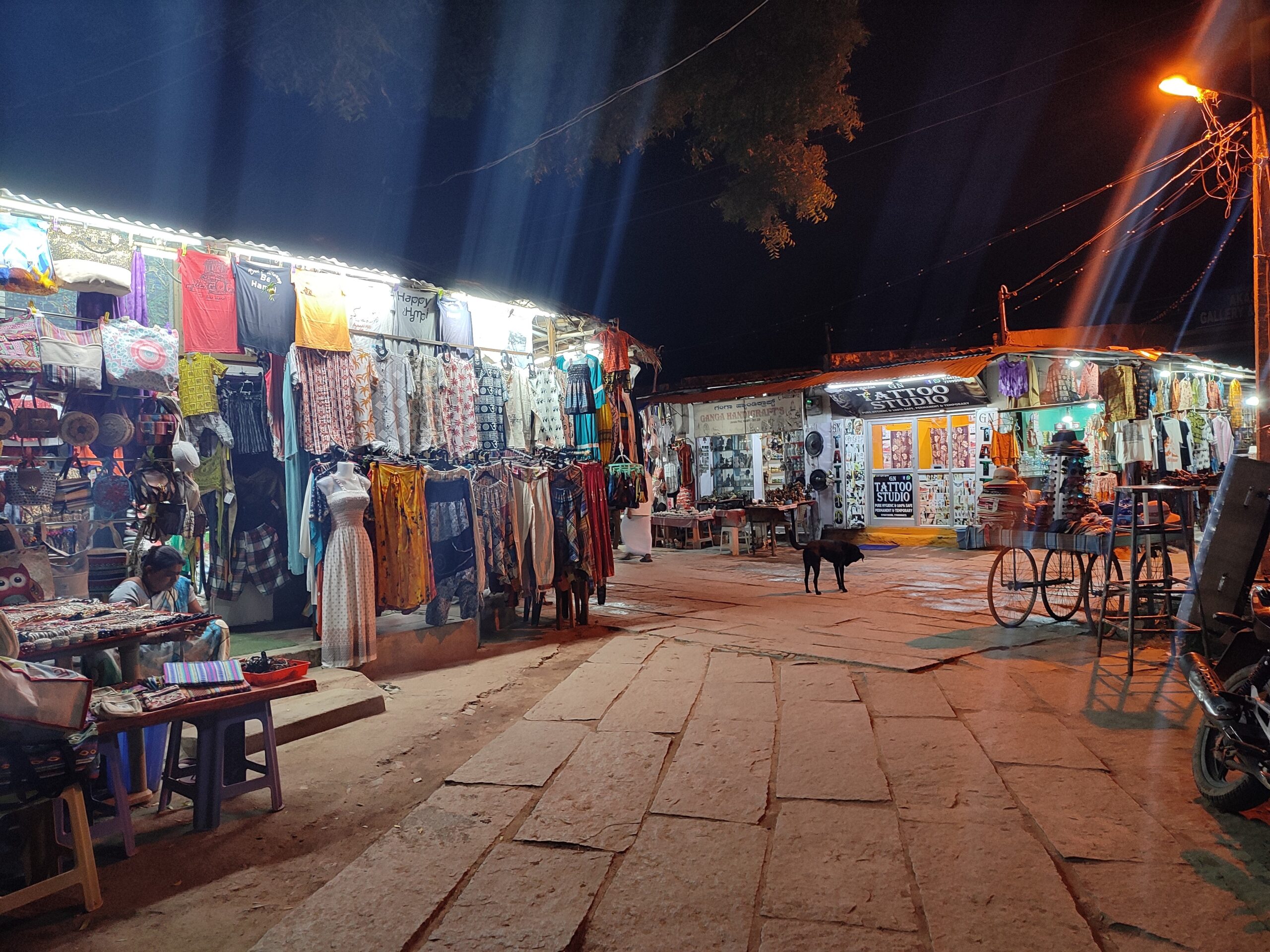
Stretching in front of Virupaksha Temple, Hampi Bazaar was once a thriving market during the Vijayanagara era and today serves as a hub for travelers.
Krishna Temple Complex
Built by King Krishnadevaraya in the early 16th century, this temple complex is known for its grand architecture and historical significance.
Underground Shiva Temple
Partially submerged for much of the year, this unique temple creates a mysterious and serene atmosphere.
Matanga Hill
A favorite spot for sunrise and sunset views, Matanga Hill offers breathtaking vistas of Hampi’s landscape and ancient monuments.
Travel Tips
- Wear comfortable shoes—the terrain is rocky and uneven.
- Visit during sunrise or sunset for the best views and fewer crowds.
- Carry water, especially in warmer months.
- Combine your visit with nearby landmarks like Virupaksha Temple and Hampi Bazaar.
Maps and Location
600 meters from Hampi Bus Stand, atop the Hemakuta hill.
FAQs
1. What is the Hemakuta Group of Temples famous for?
The Hemakuta Group of Temples is renowned for its early Vijayanagara architecture, ancient shrines, and stunning views of Hampi’s landscape. The site is also associated with several legends related to Lord Shiva.
2. Is there an entry fee to visit the Hemakuta temples?
No, entry to the Hemakuta Group of Temples is generally free for visitors.
3. What are the visiting hours?
The temples are usually accessible from sunrise to sunset, roughly between 6:00 AM and 6:00 PM.
4. How much time is needed to explore the site?
Visitors typically spend 30 minutes to 1 hour exploring the temples and enjoying the scenic views.
5. Why is Hemakuta Hill important?
According to local legends, Hemakuta Hill is where Lord Shiva performed penance before marrying Goddess Parvati, making it an important spiritual site.
6. Is trekking required to reach the temples?
A short uphill walk is required to reach the temple complex, but the route is relatively easy and suitable for most visitors.
7. What is the best time to visit the Hemakuta Group of Temples?
The ideal time to visit is between October and February, when the weather in Hampi is pleasant for sightseeing and photography.
8. Are photography and videography allowed?
Yes, photography is allowed, and the site is especially popular during sunrise and sunset due to its spectacular views.