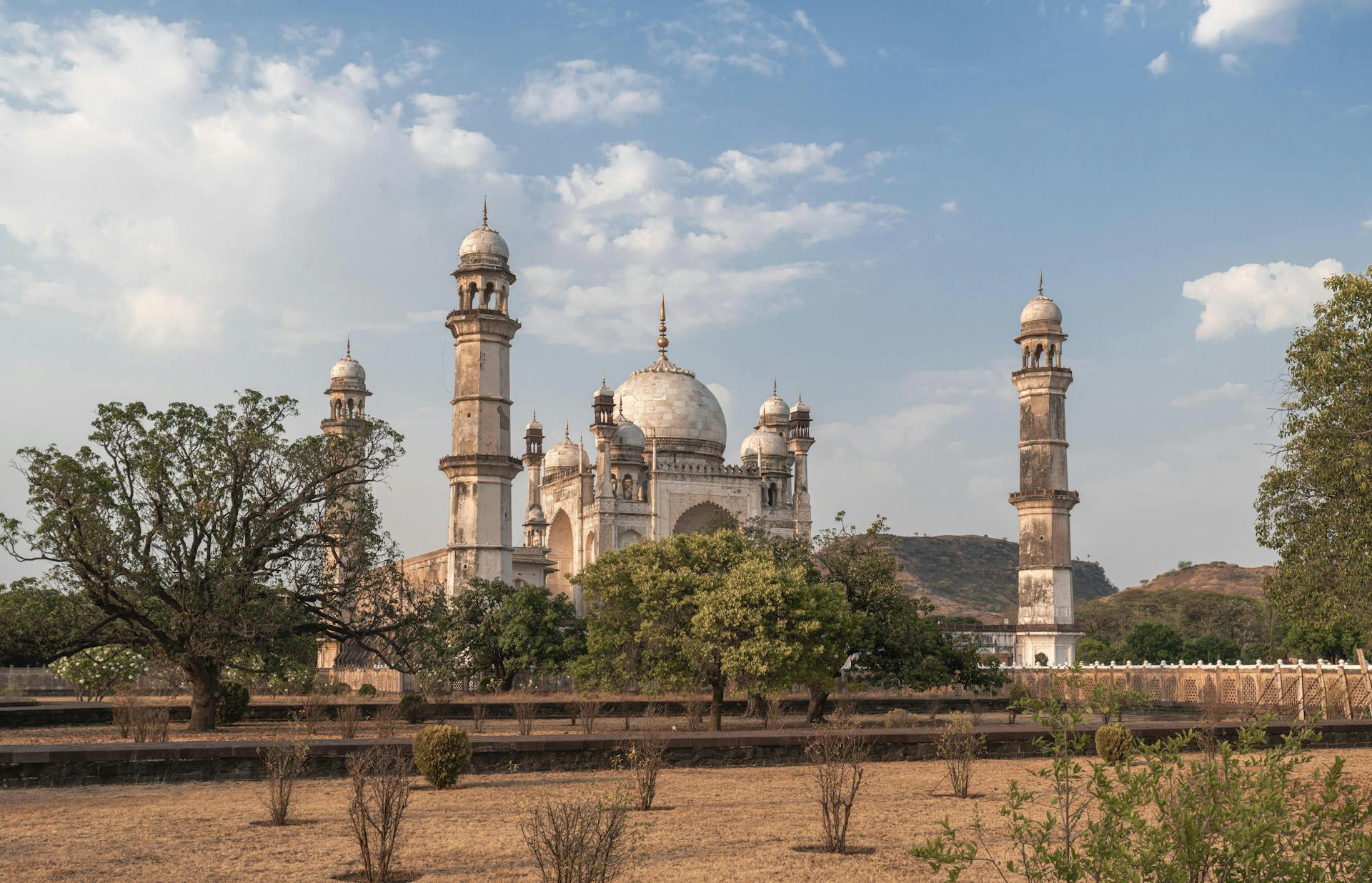
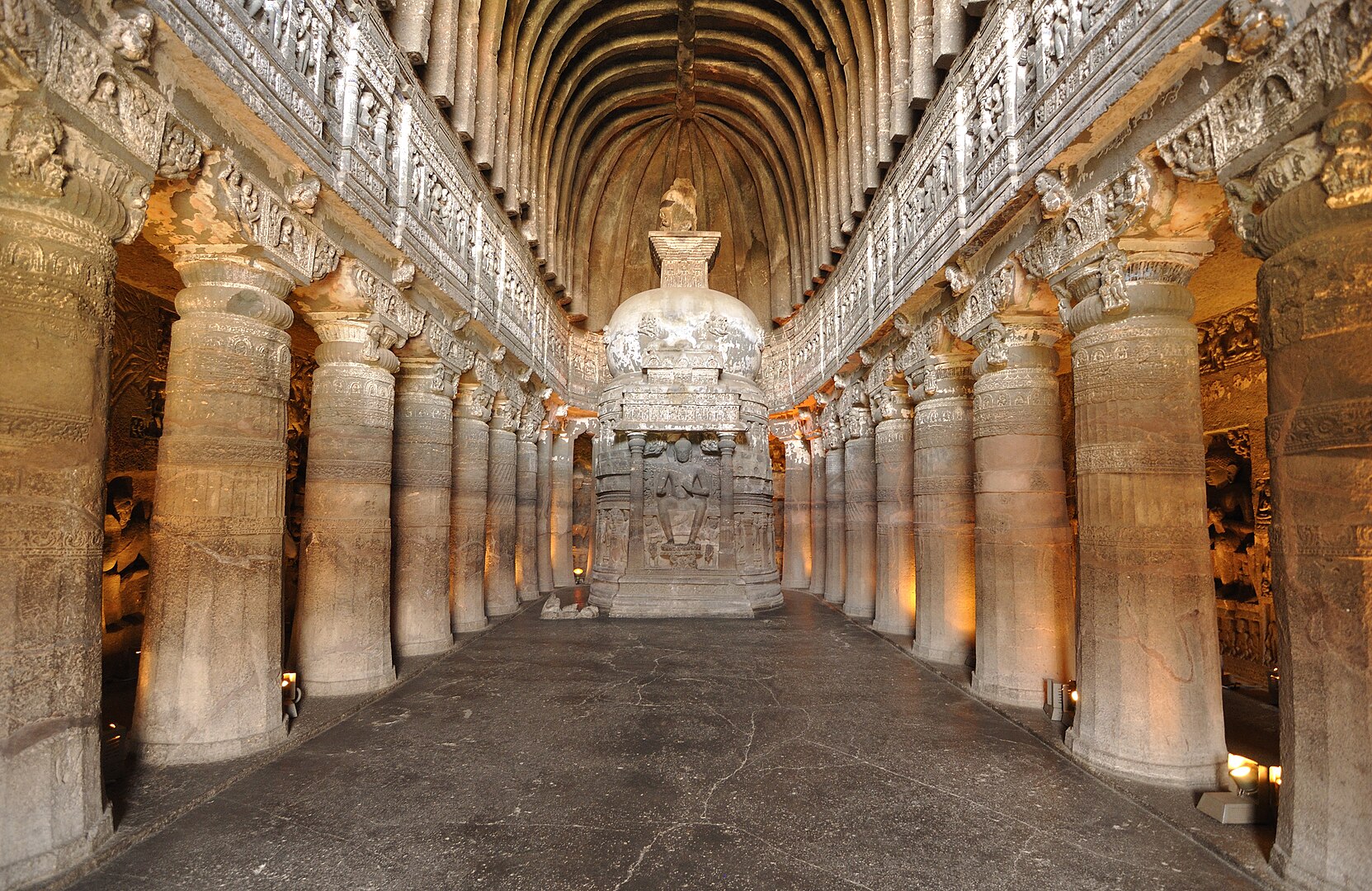
Image Source: Vedant Mangulkar
A Sacred Jyotirlinga in the Heart of Marathwada
Tucked away in the quiet town of Aundha Nagnath in Hingoli district, the Aundha Nagnath Temple is not just another religious site on the map of Maharashtra. It is one of the twelve Jyotirlingas of Lord Shiva, making it one of the most spiritually powerful destinations for Shiva devotees across India. For travelers exploring Marathwada’s sacred landscape, this ancient shrine offers a rare blend of mythology, medieval architecture, saint traditions, and a deeply rooted local culture.
Unlike the more commercialized Jyotirlinga temples, Aundha Nagnath retains a raw, time-worn spiritual atmosphere, where devotion feels intimate and history seems to breathe through stone.
Mythology That Shapes the Sacred Landscape
For pilgrims and culturally curious travelers alike, the spiritual appeal of Aundha Nagnath begins with its mythological origins.
According to the Shiva Purana, this region was once part of the dense Darukavan forest, terrorized by a demon named Daruka or Darukaa. A devoted follower of Lord Shiva named Supriya continued chanting Shiva’s name despite immense suffering. Moved by this unwavering devotion, Shiva manifested here in the form of a Jyotirlinga, destroyed the demon, and established himself as Nagnath, the Lord of Serpents.
This divine appearance places Aundha Nagnath as the eighth Jyotirlinga, a status that draws devotees throughout the year, especially during Shravan month and Mahashivratri.
Another layer of mythology connects the temple to the Pandavas. Local tradition believes that Yudhishthira, the eldest Pandava, built the original shrine during their exile. While this claim rests in oral belief rather than archaeology, it reinforces the temple’s perception as an ancient and continuously sacred site.
The Legend That Turned a Temple
One of the most fascinating stories that travelers hear here involves Sant Namdev, the revered poet-saint of the Varkari tradition.
It is believed that Namdev was once singing devotional songs outside the temple when priests objected to his presence. According to legend, Shiva himself intervened — causing the temple to turn its orientation so that Namdev could continue his bhajans uninterrupted. This story explains a rare architectural feature: the temple’s main entrance faces west, and the Nandi statue is positioned behind the sanctum, unlike most Shiva temples.
Whether seen as miracle or metaphor, this legend highlights the temple’s core message—devotion matters more than ritual hierarchy, a theme deeply resonant with Maharashtra’s saint tradition.
Historical Evolution Through Empires
From a traveler’s historical perspective, Aundha Nagnath is a monument shaped by multiple eras.
The present stone structure is generally dated to the 13th century, during the reign of the Yadava (Seuna) dynasty of Devagiri, known for patronizing temple architecture across Maharashtra. Like many major Hindu temples, Aundha Nagnath is believed to have suffered damage during medieval invasions, though local lore speaks of divine protection preventing total destruction.
In the 18th century, the temple was restored under Rani Ahilyabai Holkar, one of India’s most respected rulers and temple patrons. Her restoration efforts ensured that the Jyotirlinga remained accessible to future generations of pilgrims and travelers.
Architecture That Speaks Without Mortar
For architecture enthusiasts, Aundha Nagnath Temple is a striking example of Hemadpanti architecture, a style synonymous with medieval Maharashtra.
Built using locally sourced black basalt stone, the temple is assembled without mortar, relying on precision-cut interlocking blocks. This technique not only ensured durability but also gave the structure its distinctly solid and grounded appearance.
One of the most unique experiences for visitors is descending into the sunken sanctum (garbhagriha), which lies below ground level. The journey downward creates a powerful psychological transition—from the outer world into a space of silence, shadow, and spiritual intensity, where the Jyotirlinga of Nagnath rests.
The expansive temple complex covers nearly 60,000 square feet and includes multiple subsidiary shrines, stone mandapas, and sculpted pillars. Intricate carvings of deities, floral motifs, and mythological scenes adorn the structure, reflecting the artistic maturity of the Yadava period.
Festivals and the Living Temple Culture
Travelers planning a visit should note that Aundha Nagnath transforms dramatically during festivals. Mahashivratri is the most significant event, marked by night-long worship, abhishek rituals, and large processions. The Shravan month, Nag Panchami, and major Ekadashi days also attract massive pilgrim gatherings.
Beyond festivals, the temple remains a living cultural center. Local markets, prasadam stalls, dharmashalas, and small eateries thrive around the shrine, offering travelers a glimpse into everyday devotional life in rural Maharashtra.
Timings and Access
The temple is open to visitors from 4 am to 9 pm. So do visit, whether you are a local or a traveler, and soak in the serenity and spirituality that surround the temple premises.
How to Reach Aundha Nagnath Temple
Aundha Nagnath Temple is located in Hingoli district of Maharashtra, in the Marathwada region. Though it lies away from major tourist circuits, it is well connected by road and rail, making the journey part of the spiritual experience for travelers and pilgrims.
By Road
Aundha Nagnath is easily accessible by road from major cities of Maharashtra:
- Hingoli to Aundha Nagnath: approx. 25 km
- Nanded to Aundha Nagnath: approx. 60 km
- Parbhani to Aundha Nagnath: approx. 75 km
- Aurangabad to Aundha Nagnath: approx. 220 km
State transport buses, private buses, and taxis regularly operate from Hingoli, Nanded, Parbhani, and Jalna. The roads pass through rural Marathwada landscapes, dotted with farms, small villages, and temples, offering travelers a glimpse of local life.
By Rail
The nearest railway station is Aundha Nagnath Railway Station, located just a few kilometers from the temple. It lies on the Secunderabad–Manmad railway route, connecting it with cities like Nanded, Parbhani, Aurangabad, Hyderabad, and Mumbai. From the station, auto-rickshaws and local taxis are easily available.
By Air
The nearest airport is Nanded Airport, around 65 km away. Another option is Aurangabad Airport, approximately 220 km away, which has better connectivity with major Indian cities. From either airport, travelers can hire taxis or use bus services to reach Aundha Nagnath.
Nearby Attractions of Aundha Nagnath Temple
Aundha Nagnath Temple, located in Maharashtra’s Hingoli district, is one of the twelve revered Jyotirlingas dedicated to Lord Shiva. While the temple itself attracts thousands of devotees every year, the surrounding region is home to several religious, historical, and cultural attractions worth exploring.
1. Parli Vaijnath Temple
Located about 115 km from Aundha Nagnath, Parli Vaijnath is another famous Jyotirlinga shrine in Maharashtra. The temple holds immense spiritual significance and is often visited by pilgrims undertaking a Jyotirlinga circuit.
2. Sant Namdev Temple
Situated within the Aundha Nagnath temple complex, this shrine is dedicated to Sant Namdev, one of Maharashtra’s most revered saints. According to local belief, Sant Namdev performed devotional prayers here, making it an important pilgrimage site.
3. Hingoli City
Approximately 25 km away, Hingoli offers visitors a glimpse into local culture and traditions. The city is known for its temples, bustling markets, and authentic Maharashtrian cuisine.
4. Tulja Bhavani Temple, Tuljapur
Located around 180 km from Aundha Nagnath, this famous temple dedicated to Goddess Bhavani is one of Maharashtra’s most important Shakti Peethas and attracts devotees from across the country.
5. Narsi Namdev
About 40 km from Aundha, Narsi is the birthplace of Sant Namdev. The village houses a memorial temple and attracts devotees interested in the life and teachings of the saint.
6. Hazur Sahib Gurudwara, Nanded
Located approximately 65 km away, this is one of the five Takhts of Sikhism. The magnificent gurudwara is a major pilgrimage destination and an important historical site associated with Guru Gobind Singh Ji.
7. Siddheshwar Dam
A peaceful spot near Hingoli, Siddheshwar Dam is ideal for nature lovers and photographers. The reservoir offers scenic views, especially during and after the monsoon season.
8. Mahur
Situated around 130 km from Aundha Nagnath, Mahur is famous for the Renuka Devi Temple, one of the revered Shakti Peethas. The hilltop temple offers beautiful views of the surrounding landscape.
9. Kankaleshwar Temple, Beed
This ancient Shiva temple, built in Hemadpanthi architectural style, is known for its intricate stone carvings and tranquil atmosphere.
10. Sahastrakund Waterfall
Located on the border of Maharashtra and Telangana, this picturesque waterfall becomes especially spectacular during the monsoon season and is a popular destination for nature enthusiasts.
Maps and Location
FAQS
- Q: Why is Aundha Nagnath Temple famous?
Aundha Nagnath Temple is famous for being one of the twelve Jyotirlingas of Lord Shiva, making it one of the most sacred Shiva temples in India.
- Q: Which Jyotirlinga is Aundha Nagnath?
Aundha Nagnath is traditionally considered the eighth Jyotirlinga, associated with Shiva’s manifestation in the Darukavan forest.
- Q: What is the meaning of “Nagnath”?
“Nagnath” means Lord of Serpents, symbolizing Shiva’s association with cosmic energy, protection, and control over primal forces.
- Q: Who built Aundha Nagnath Temple?
Local belief attributes the original shrine to Yudhishthira of the Pandavas, while the existing structure is believed to have been built during the Yadava dynasty and later restored by Rani Ahilyabai Holkar.
- Q: Why does the temple face west?
The temple faces west due to the famous Sant Namdev legend, where it is believed that Shiva turned the temple to honor Namdev’s devotion.
- Q: Why is the Nandi statue behind the sanctum?
Unlike most Shiva temples, Nandi is placed behind the sanctum at Aundha Nagnath, again linked to the Namdev tradition and the temple’s unique orientation.
- Q: Is the Jyotirlinga located underground?
Yes, the main sanctum is below ground level, and devotees descend steps to reach the Jyotirlinga, creating a deeply immersive spiritual experience.
- Q: What is the best time to visit Aundha Nagnath?
The best time to visit is during Shravan month (July–August) and Mahashivratri, though the temple remains open to devotees throughout the year.
- Q: Are there accommodation facilities near the temple?
Yes, dharmashalas, budget lodges, and small hotels are available in and around Aundha Nagnath town and nearby Hingoli.
- Q: Can Aundha Nagnath be visited as part of a Jyotirlinga circuit?
Yes, many pilgrims include Aundha Nagnath while covering Jyotirlingas in Maharashtra, such as Trimbakeshwar, Bhimashankar, Grishneshwar, and Parli Vaijnath.