Image source: ajit chalak
Introduction
Perched dramatically on a rugged cliff overlooking the Arabian Sea, Cabo de Rama Fort is one of Goa’s most fascinating historical landmarks. Located in South Goa, far from the bustling beaches and nightlife of the north, the fort offers a perfect blend of history, mythology, scenic beauty, and tranquility. Its elevated position provides breathtaking panoramic views of the coastline, making it a favorite destination for photographers, history enthusiasts, and travelers seeking a quieter side of Goa.
Unlike many of Goa’s popular tourist attractions, Cabo de Rama Fort retains a mysterious and rustic charm. Crumbling fort walls, ancient cannons, sweeping ocean vistas, and a centuries-old church create an atmosphere that transports visitors back in time. Whether you are interested in Goa’s colonial past or simply want to enjoy spectacular sunset views, Cabo de Rama Fort is well worth a visit.
History of Cabo de Rama Fort
Cabo de Rama Fort, whose name translates to “Cape of Rama,” is deeply connected with Indian mythology. According to local legends, Lord Rama, the hero of the Ramayana, stayed here with his wife Sita during their fourteen-year exile. This association gave the fort its enduring name and cultural significance.
Long before the arrival of the Portuguese, the fort was occupied by Hindu rulers who controlled parts of the western coast of India. The original structure is believed to have been built by local Hindu dynasties and later came under the control of various regional powers, including the Marathas.
In 1763, the Portuguese captured the fort from the Raja of Sonda and extensively rebuilt it into a strong military outpost. They strengthened its defenses with thick stone walls, bastions, a moat, fortified gateways, and heavy cannons positioned strategically to guard the coastline. Several of these cannons can still be seen scattered around the fort today.
The fort contained essential facilities for a military garrison, including a large water reservoir, a well, and natural springs. Historical accounts mention that both hot and cold water emerged from separate outlets within the fort complex. There were also barracks and residential quarters for soldiers stationed here.
Over the centuries, Cabo de Rama Fort witnessed numerous conflicts and military campaigns, particularly naval battles along the Konkan coast. During the British occupation of Goa’s strategic locations between 1792 and 1813, the fort served military purposes before eventually being used as a prison. It continued functioning as a jail until 1955.
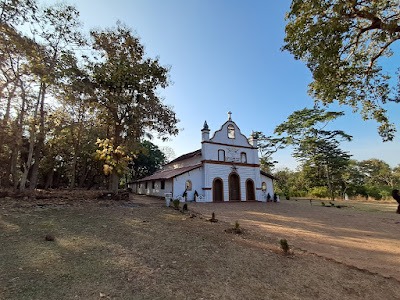
Today, much of the fort lies in ruins, yet its historical significance remains intact. One of its most striking features is the beautiful Church of Santo Antonio, which still stands in excellent condition within the fort premises and continues to serve local worshippers. The contrast between the bright white church and the dark weathered stone walls creates a remarkable visual spectacle.
Architecture and Highlights
The fort’s massive stone ramparts stretch along the edge of steep cliffs, offering commanding views of the Arabian Sea. Visitors can explore remnants of defensive bastions, old cannons, ancient water storage systems, and ruined military structures.
One of the most memorable experiences here is walking along the fort walls while enjoying uninterrupted views of the coastline. The western side of the fort is particularly famous for its stunning sunsets, where the sun slowly disappears into the Arabian Sea, painting the sky in shades of orange and gold.
The peaceful surroundings, combined with the fort’s historical atmosphere, make it one of South Goa’s most photogenic locations.
Timings
Opening Hours: 9:00 AM to 5:00 PM (Open all days)
The best time to visit is during the early morning or late afternoon when the weather is pleasant and the views are at their most spectacular.
How to Reach Cabo de Rama Fort
Cabo de Rama Fort is located in South Goa, approximately 30 kilometers from Margao and around 60 kilometers from Panaji.
By Air
The nearest airport is Goa International Airport (Dabolim Airport), located about 45 kilometers away. Taxis and rental vehicles are readily available from the airport.
By Train
The nearest railway stations are Margao Railway Station and Canacona Railway Station. From either station, visitors can hire a taxi or rent a scooter to reach the fort.
By Road
The fort is well connected by road and can be reached via NH-66 and local coastal roads. Many travelers prefer renting scooters or cars to explore South Goa at their own pace. The drive to the fort passes through scenic villages, coconut groves, and coastal landscapes, making the journey enjoyable in itself.
Nearby Attractions
Palolem Beach
Located about 20 kilometers away, Palolem Beach is one of Goa’s most beautiful beaches, known for its crescent-shaped shoreline, calm waters, and relaxed atmosphere.
Agonda Beach
Just a short drive from the fort, Agonda Beach is famous for its peaceful environment, golden sands, and spectacular sunsets.
Cola Beach
A hidden gem in South Goa, Cola Beach offers a unique freshwater lagoon surrounded by lush hills and coconut palms.
Kakolem Beach
Also known as Tiger Beach, this secluded beach is accessed through a steep trail and rewards visitors with pristine natural beauty and fewer crowds.
Betul Fort
Another historic Portuguese-era fort located near the Sal River estuary, offering scenic views and insights into Goa’s colonial past.
Maps and Location
FAQs
Why is it called Cabo de Rama Fort?
The fort is named after Lord Rama, who, according to local legend, stayed here with Sita during their exile described in the Ramayana.
Is there an entry fee for Cabo de Rama Fort?
The fort is generally open to visitors without any entry fee, though local regulations may change over time.
What is the best time to visit the fort?
The months between October and March offer the most pleasant weather for sightseeing. Sunset hours are particularly popular.
How much time is needed to explore the fort?
Most visitors spend around one to two hours exploring the fort, enjoying the views, and taking photographs.
Is the Church of Santo Antonio still active?
Yes. The church located within the fort complex remains in good condition and continues to be used for religious services.
Is Cabo de Rama Fort suitable for photography?
Absolutely. The combination of historic ruins, dramatic cliffs, sea views, and the white church makes it one of the most photogenic locations in South Goa.
Can families visit Cabo de Rama Fort?
Yes. The fort is suitable for families, history enthusiasts, photographers, and nature lovers. Visitors should, however, exercise caution near the cliff edges.