Image Source: Sumit Negi
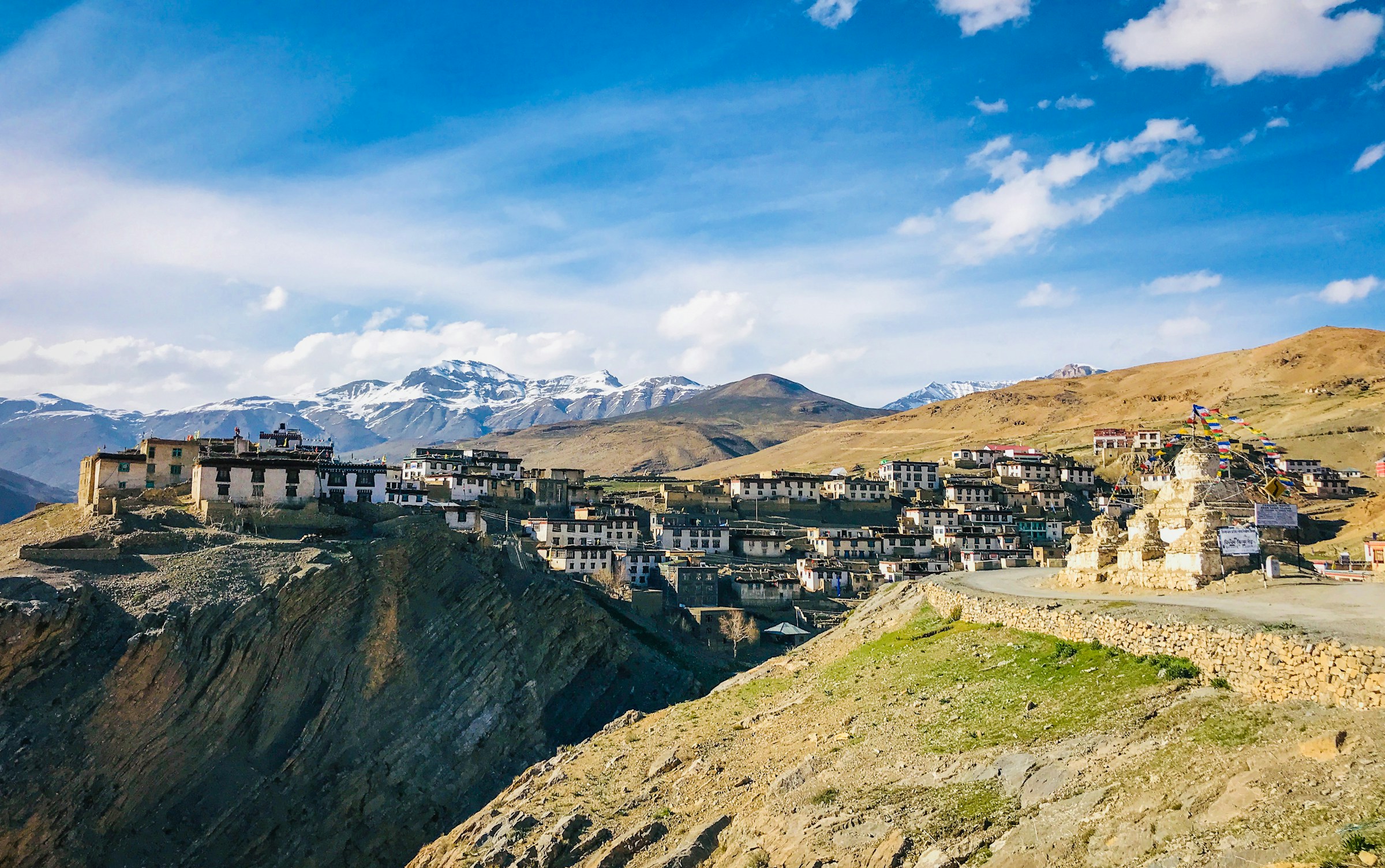
Sangla is a well-hidden gem that is tucked away in the majestic fold of the Kinnaur district of Himachal Pradesh. Overshadowed by the more popular destinations like Chitkul and Kalpa, this pristine alpine meadow is often untouched. Any traveller who is in search of solitude, stunning vistas and a deeper connection with nature must visit this place.
What Exactly is Sangla Kanda?
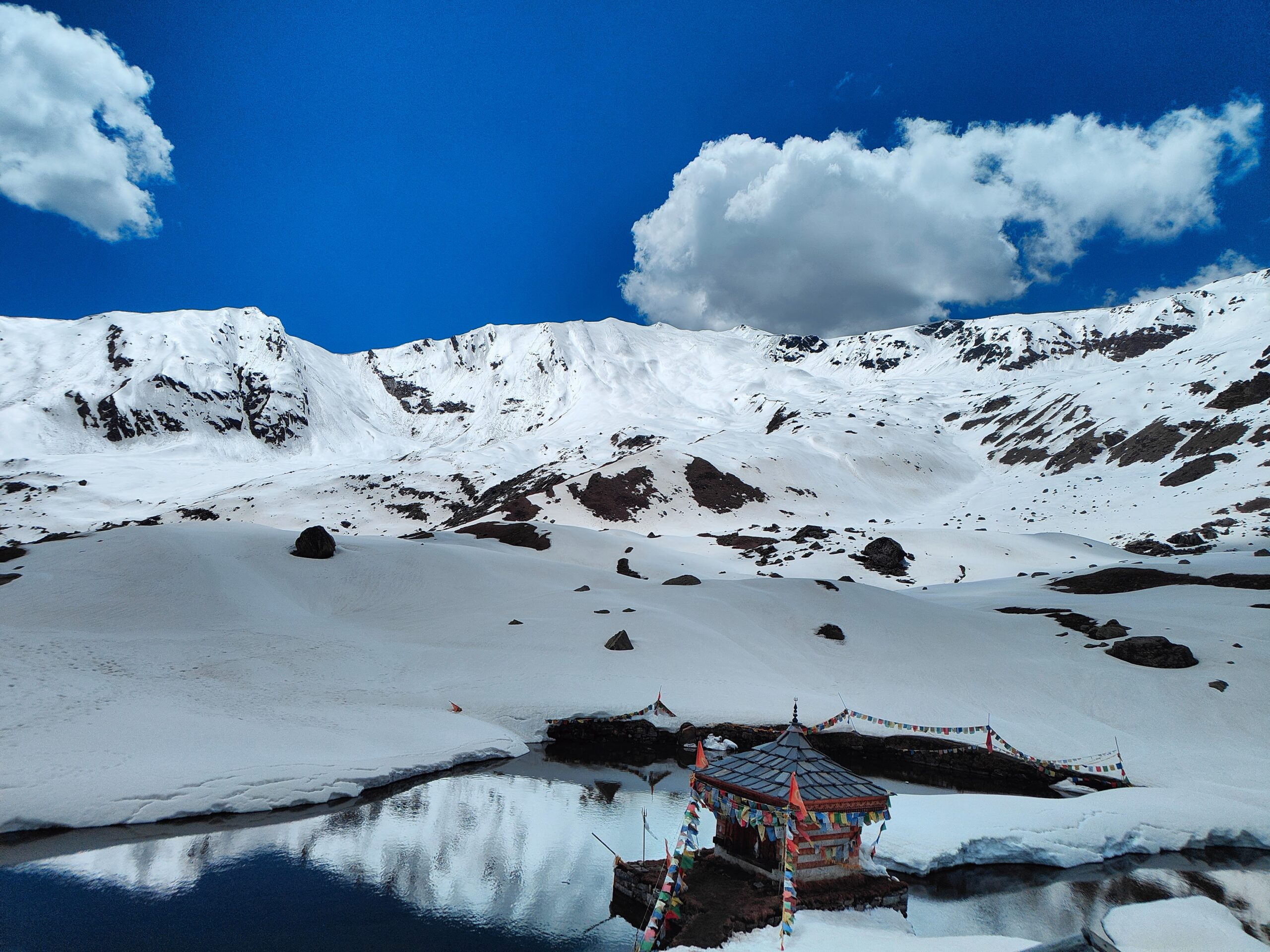
At an altitude of 3,500 meters, Sangla Kanda is a lush, high-altitude meadow that is an adventurous trek away from the village of Sangla. The sprawling landscape of rolling green pastures, glacial streams, shephered huts and panoramic views of snow-capped peaks will take you to another world. In the past, the place has served as a seasonal grazing ground for livestock and was populated by Gujjar and Gaddi shepherds during the summer months.
The Scenic Route to Sangla Kanda
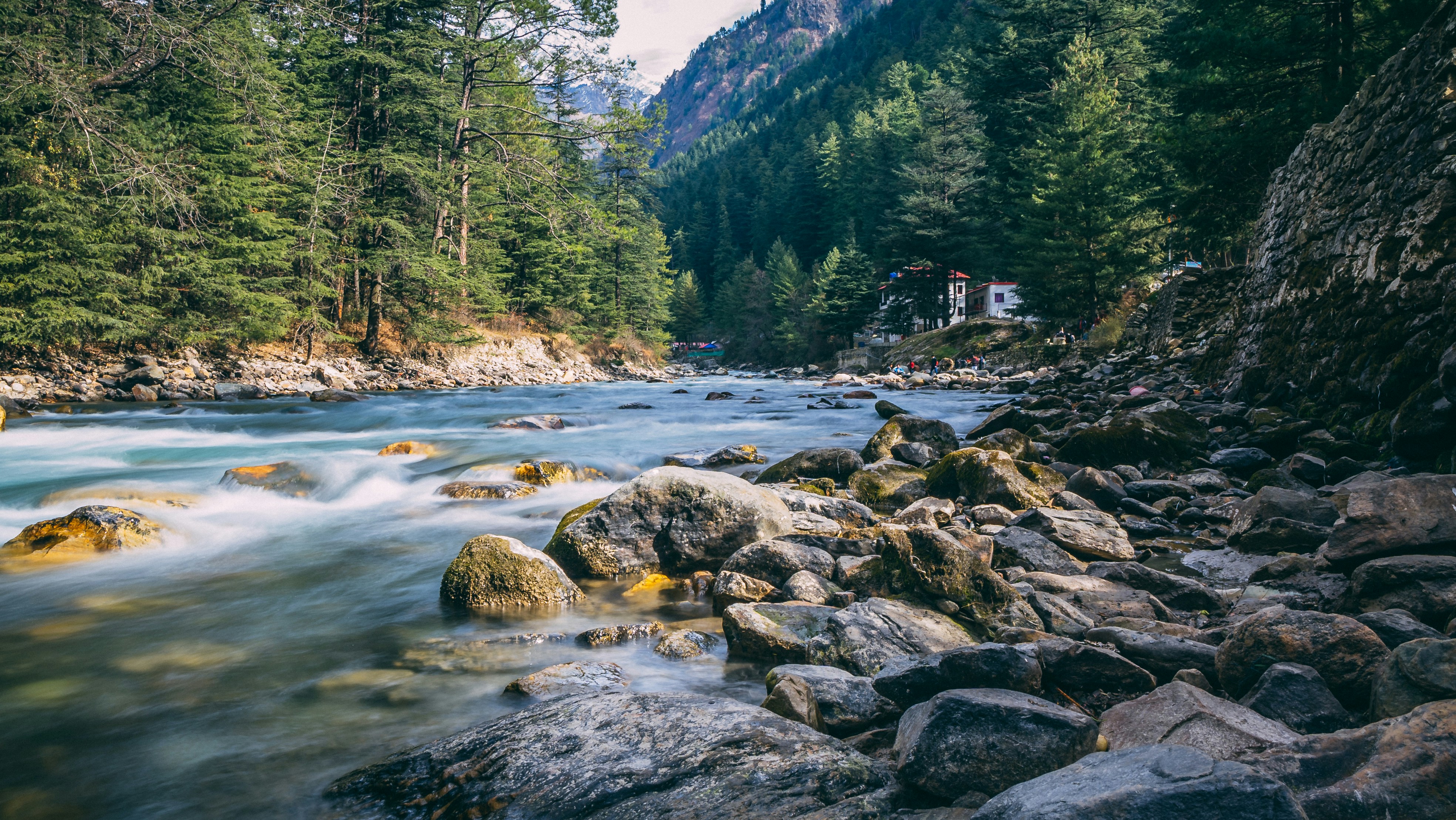
To reach Sangla Kanda, one must undertake a moderate trek of around 4–5 hours starting from Sangla. The trail meanders through dense cedar and pine forests, gradually revealing breathtaking views of the Baspa River and the imposing Kinner Kailash range. As you climb higher, the scent of wildflowers, the occasional sighting of Himalayan birds, and the rhythm of distant cowbells add a soothing melody to the journey.
Sangla Kanda isn’t just a trek; it’s a passage into a Himalayan dreamscape. A moderate trek of around 4–5 hours starts from Sangla and meanders through dense cedar and pine forests. As you trek along the Baspa river the imposing view of kinner Kailash range takes you in a sense of isolation coupled with nature in its purest form.
As you climb higher, the landscape changes from forest to verdant meadows blanketed with wildflowers to crystal-clear streams and a dramatic mountain backdrop. Unlike many tourist hill stations, Sangla Kanda remains blissfully untouched.
With no permanent structures, commercial tourism, or cellphone reception, Sangla Kanda is ideal for camping, yoga, meditation, and digital detox.
Best Time to Visit
The ideal time to explore Sangla Kanda is between May and October, when the snow has melted, the trails are accessible, and the meadows are at their greenest. In early spring, you’ll see blooming rhododendrons, while post-monsoon offers the clearest skies.
How to Plan a Visit
Base: Start from Sangla town or village, which is well-connected by road from Shimla (approx. 230 km).
Trek: If you are not an avid traveller and are beginner, then hiring a local guide or trek with a group for safety is a good option
Stay: Camping is the only option in Sangla Kanda. There are no hotels but the option of a café and a temporary lodge like Sankhay Bhandari’s Lodge is available during the trek. Carry your own gear or join a trekking group that arranges tents and meals.
Permits: No special permits are needed, but registering with local authorities in Sangla is a good practice.
Chitkul & Beyond
While Sangla Kanda is not exactly in Chitkul, adding this in your Chitkul trip or itinerary is a great decision. You can explore the charming last village of India at the Indo-Tibet border, soak in the rustic wooden architecture, and then head back toward Sangla for the trek up to Kanda. Together, they create a memorable blend of culture, nature, and Himalayan adventure.
How to Reach Sangla Kanda
Sangla Kanda is a high-altitude meadow located above the beautiful Sangla Valley in Kinnaur district, Himachal Pradesh. The meadow sits at an elevation of around 3,600–3,800 meters and offers spectacular views of the Baspa Valley, Kinner Kailash range, and surrounding alpine landscapes. The journey to Sangla Kanda is an adventure in itself, combining a scenic mountain drive with a steep ascent through forests and pastures.
By Air
The nearest airport is Shimla Airport, located approximately 220 km from Sangla. From the airport, you can hire a taxi or take a bus to reach Sangla via Rampur and Karcham.
By Train
The nearest major railhead is Kalka Railway Station. From Kalka, continue by road through Shimla, Narkanda, Rampur, and Karcham before reaching Sangla.
By Road
Sangla is well connected by road to Shimla and other major towns in Himachal Pradesh. The route generally follows:
Delhi → Chandigarh → Shimla → Narkanda → Rampur → Karcham → Sangla
Nearby Attractions from Sangla Kanda
1. Sangla Valley
One of the most beautiful valleys in Himachal Pradesh, Sangla Valley is known for its apple orchards, traditional Kinnauri villages, and stunning views of snow-clad Himalayan peaks. Visitors can explore local culture, enjoy riverside walks, and experience the region’s serene atmosphere.
2. Rakcham Village
Located between Sangla and Chitkul, Rakcham is a picturesque village surrounded by lush meadows and towering mountains. It is an ideal place for photography, nature walks, and experiencing authentic Kinnauri life.
3. Chitkul
Often referred to as the last inhabited village near the Indo-Tibetan border, Chitkul offers breathtaking landscapes, traditional wooden houses, and spectacular views of the Baspa River.
4. Kamru Fort
An ancient fort overlooking Sangla Valley, Kamru Fort is famous for its unique wooden architecture and centuries-old temple dedicated to Kamakhya Devi.
5. Bering Nag Temple
One of the most important temples in the region, Bering Nag Temple is renowned for its intricate Kinnauri architecture and annual festivals.
6. Batseri Village
A charming traditional village known for its stone-and-wood houses, apple orchards, and peaceful surroundings. It is a great place to experience local culture and cuisine.
7. Baspa River
Flowing through the Sangla Valley, the Baspa River offers scenic picnic spots, riverside walks, and excellent opportunities for landscape photography.
8. Karcham
Situated at the confluence of the Baspa and Sutlej rivers, Karcham serves as the gateway to Sangla Valley and offers impressive mountain views.
Google map
FAQs
1. What is Sangla Kanda?
Sangla Kanda is a high-altitude meadow and trekking destination located above Sangla Valley in Kinnaur district, Himachal Pradesh. It is known for its panoramic views of the Kinner Kailash range and surrounding Himalayan peaks.
2. Where is Sangla Kanda located?
It is situated above Sangla town in the Baspa Valley of Kinnaur district, Himachal Pradesh.
3. How difficult is the Sangla Kanda trek?
The trek is generally considered moderate to challenging due to its steep ascent and high-altitude terrain.
4. What is the best time to visit Sangla Kanda?
The best months are May to June and September to October when the weather is pleasant and the trails remain accessible.
5. How long does it take to reach Sangla Kanda?
Most trekkers can reach Sangla Kanda within a day from Sangla, depending on fitness levels and weather conditions.
6. What is the altitude of Sangla Kanda?
Sangla Kanda is situated at an elevation of approximately 3,800–4,000 meters above sea level.
7. Are camping facilities available at Sangla Kanda?
Camping is possible in designated meadow areas, but visitors should carry their own equipment and follow eco-friendly practices.
8. Can beginners do the Sangla Kanda trek?
Fit beginners can attempt the trek, preferably with a local guide and adequate preparation for high-altitude conditions.
9. What can visitors see from Sangla Kanda?
The meadow offers spectacular views of the Kinner Kailash range, Baspa Valley, dense forests, alpine pastures, and surrounding snow-capped peaks.
10. Is a guide required for the trek?
While experienced trekkers may navigate independently, hiring a local guide is recommended for safety, route guidance, and weather-related updates.