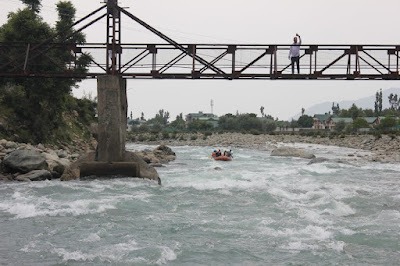
Image Source: Rajeev kumar sharma
About Lidder River
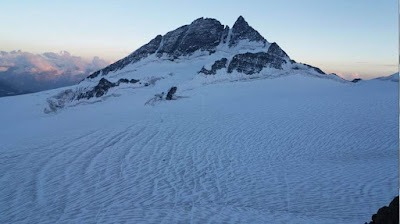
Flowing gracefully through the heart of Kashmir, the Lidder River is one of the region’s most beautiful and life-giving rivers. It begins its journey from the Kolhoi Glacier, near the alpine lakes of Sheshnag Lake and Tarsar Lake, and winds its way through lush valleys before eventually joining the Jhelum River near Anantnag.
More than just a river, the Lidder is deeply connected to Kashmir’s landscape, culture, and everyday life. It plays a vital role in supporting biodiversity, agriculture, and tourism—especially in the popular hill destination of Pahalgam. Interestingly, the name “Lidder” is believed to come from the Sanskrit word Lambodari, meaning “long-bellied,” likely referring to its long, meandering course.
Geographical Significance
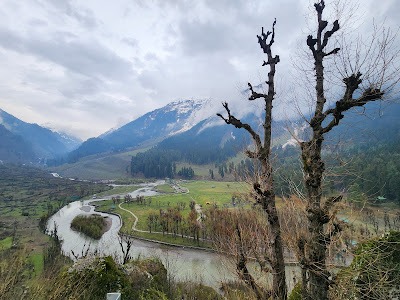
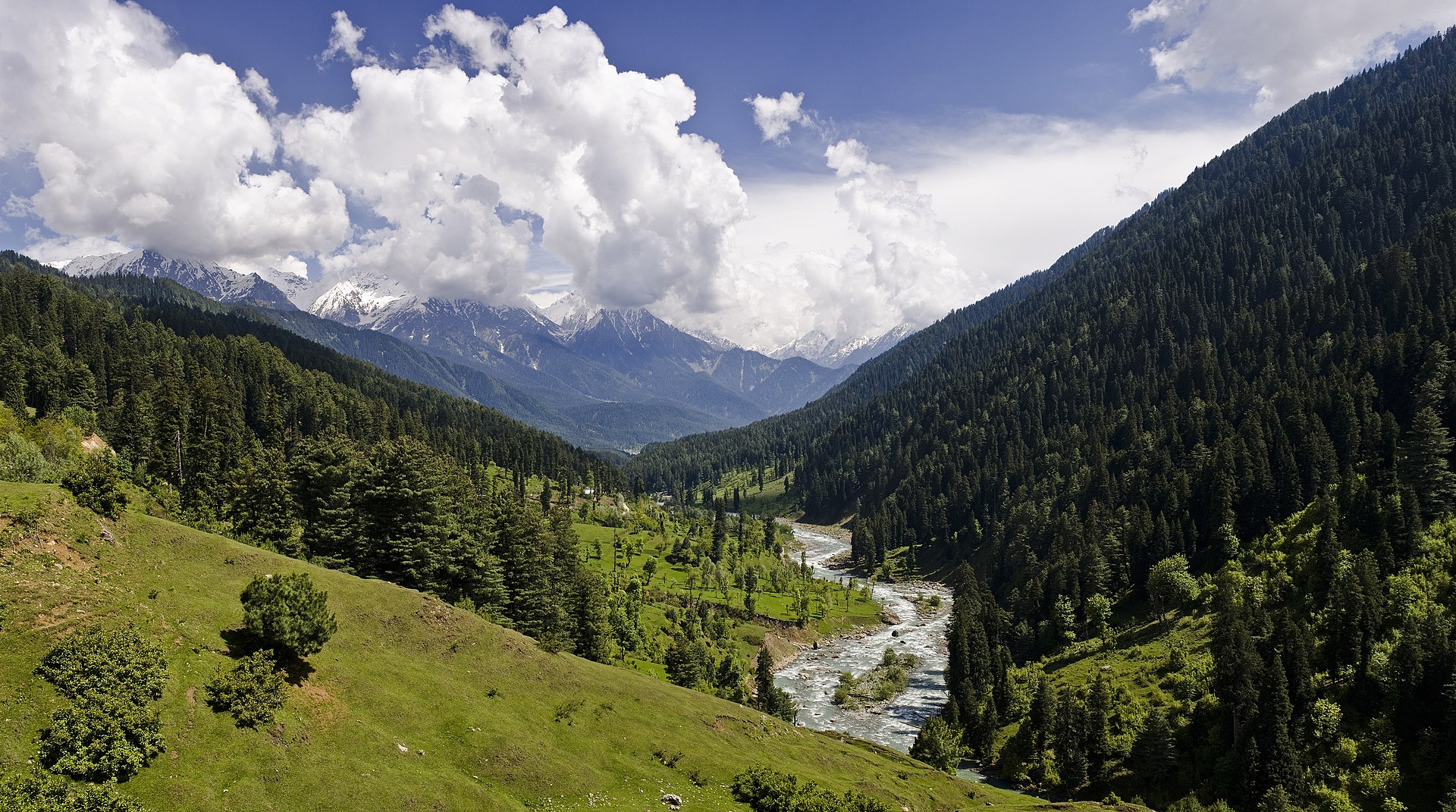
Rising in the scenic Pir Panjal Range, the Lidder River is a classic glacial-fed river. Stretching roughly 73 km, it flows through a mix of rugged mountains, deep gorges, open meadows, and fertile plains before merging with the Jhelum.
The river is a great example of how water shapes the land over time. As it flows, it carves out valleys and deposits sediments, creating diverse landscapes along its path. Being part of the larger Jhelum basin, the Lidder is fed by melting snow and glaciers, which means its water levels rise noticeably during the summer months.
Ecological Importance
The Lidder River is a thriving ecosystem in itself. It’s especially famous for its trout population—particularly brown trout, which were introduced here during the early 1900s by British officers and continue to flourish today. This has made the river a hotspot for fishing enthusiasts.
Its banks are lined with dense forests of deodar, pine, and fir, creating a rich habitat for wildlife native to the Western Himalayas. From birds and insects to small mammals, the area supports a wide range of species.
The river also plays a key role in local agriculture. Its waters help irrigate saffron fields and apple orchards downstream, making it an important contributor to Kashmir’s farming economy.
Cultural & Travel Relevance
For travelers, the Lidder River is more than just a scenic backdrop—it’s a constant companion through some of Kashmir’s most loved destinations. Whether you’re exploring Aru Valley or soaking in the beauty of Betaab Valley, the river adds a soothing charm with its clear turquoise waters and gentle sound.
It enhances every experience—be it trekking, camping, or simply sitting by the riverside. For many visitors, the calm yet lively presence of the Lidder becomes one of the most memorable parts of their Kashmir journey.
Activities
The river opens up plenty of opportunities for adventure and exploration. Whitewater rafting in Pahalgam is a popular activity, offering both excitement and stunning views. Trout fishing is another major draw, attracting anglers from across the country.
If you’re into trekking and nature-based travel, the Lidder Valley is a gateway to several beautiful trails. Routes leading to Lidderwat, Kolahoi Glacier, and Tarsar Lake often start from areas like Aru, giving travelers a chance to experience the region up close.
Beyond adventure, the river also holds cultural importance. It features in local folklore and is respected by nearby communities for its purity and its role in sustaining life in the valley.
How to Reach Lidder River
By Air
The nearest airport is Sheikh ul-Alam International Airport, located approximately 90–95 kilometers from Pahalgam. Regular flights connect Srinagar with Delhi, Mumbai, Jammu, Bengaluru, and other major Indian cities. From the airport, visitors can hire taxis to reach Pahalgam and the Lidder River.
By Train
The nearest major railway station is Jammu Tawi Railway Station. Travelers can continue by road to Srinagar and then onward to Pahalgam. Alternatively, railway services are available up to parts of the Kashmir Valley, from where road transport can be used.
By Road
The Lidder River is most easily accessed through Pahalgam.
- Srinagar to Pahalgam: Approximately 90 km
- Anantnag to Pahalgam: Approximately 45 km
- Jammu to Pahalgam: Approximately 250 km
Regular buses, shared taxis, and private cabs operate between Srinagar, Anantnag, and Pahalgam. Once in Pahalgam, the Lidder River can be accessed from multiple points throughout the town.
Nearby Attractions
Pahalgam
Pahalgam is the most famous destination along the Lidder River. Known for its scenic beauty, pine forests, and pleasant climate, it serves as the main tourist hub of the region.
Betaab Valley
Located about 15 kilometers from Pahalgam, Betaab Valley is famous for its lush meadows, snow-capped mountains, and crystal-clear streams. It is one of the most photographed locations in Kashmir.
Aru Valley
Aru Valley is a beautiful mountain valley known for its alpine meadows, traditional villages, and trekking routes leading to high-altitude lakes and glaciers.
Baisaran
Often called the “Mini Switzerland of Kashmir,” Baisaran Valley features vast green meadows surrounded by pine forests and mountain peaks.
Chandanwari
Chandanwari is the traditional starting point of the annual Amarnath Yatra and is known for its glaciers, streams, and spectacular Himalayan scenery.
Kolahoi Glacier
The source of the Lidder River, Kolahoi Glacier is one of the largest glaciers in Kashmir and a popular destination for trekkers and mountaineers.
Tulian Lake
Tulian Lake is a breathtaking alpine lake surrounded by rugged peaks and snowfields, attracting adventure enthusiasts from across the country.
Mamleshwar Temple
Located near Pahalgam, Mamleshwar Temple is an ancient Shiva temple that holds significant religious and historical importance.
Overa-Aru Wildlife Sanctuary
Overa-Aru Wildlife Sanctuary is home to diverse Himalayan wildlife, dense forests, and beautiful alpine landscapes.
Tarsar Lake
Tarsar Lake is a stunning high-altitude lake famous for its turquoise waters and breathtaking surroundings.
Marsar Lake
Located near Tarsar, Marsar Lake is often covered in mist and is regarded as one of the most beautiful alpine lakes in Kashmir.
Sheshnag Lake
Sheshnag Lake is a sacred and scenic lake situated along the Amarnath Yatra route, surrounded by towering mountains and pristine wilderness.
Google Maps
FAQs
1. Where does the Lidder River originate?
The Lidder River originates from the Kolhoi Glacier, near Sheshnag Lake and Tarsar Lake in the Himalayas.
2. Which river does the Lidder merge into?
It eventually joins the Jhelum River near Anantnag.
3. What is the length of the Lidder River?
The river is approximately 73 kilometers long.
4. Why is the Lidder River famous?
It is known for its scenic beauty, trout fishing, and its role in supporting tourism in places like Pahalgam.
5. Can tourists do rafting in the Lidder River?
Yes, whitewater rafting is a popular activity, especially around Pahalgam.
6. Is fishing allowed in the Lidder River?
Yes, trout fishing is allowed, but you may need permits depending on local regulations.
7. What is the best time to visit the Lidder River?
The best time is from April to October, when the weather is pleasant and the river is ideal for outdoor activities.
8. Which are the nearby tourist attractions?
Popular spots include Aru Valley, Betaab Valley, and Pahalgam.