Image Source: Madina Fanai
About Baktawng Village
Tucked away in the peaceful hills of Mizoram’s Serchhip district, Baktawng Village is a charming destination where culture, craftsmanship, and nature come together beautifully. Known for its remarkable bamboo handicrafts and traditional Mizo lifestyle, the village offers travellers a chance to step away from crowded cities and experience a slower, more authentic way of life. Surrounded by lush green hills, fertile valleys, and bamboo forests, Baktawng is more than just a scenic village—it is a place where heritage is preserved through everyday living.
What makes Baktawng especially unique is the important role bamboo plays in the community. For generations, local families have relied on bamboo not only as a building material but also as an essential part of daily life, art, and livelihood. From household tools to decorative pieces, bamboo reflects both creativity and practicality, making the village a living museum of Mizo craftsmanship.
Location and Accessibility
Baktawng Village is situated approximately 70 kilometres from Aizawl, the capital city of Mizoram. Located along the Aizawl–Serchhip route, the village is easily accessible by road and serves as a convenient stop for travellers exploring central Mizoram.
The drive itself is part of the experience, offering panoramic views of rolling hills, dense forests, and terraced agricultural fields. Winding mountain roads and fresh highland air make the journey to Baktawng memorable long before visitors reach the village.
Historical and Cultural Significance
Baktawng is deeply rooted in Mizo traditions and has successfully preserved its cultural identity despite changing times. The village represents the enduring spirit of the Mizo people, whose lives have long been connected to nature and community-based living.
Bamboo occupies a central place in Mizo culture. Historically, it has been used to build homes, create farming tools, weave baskets, and craft musical instruments. These traditions continue in Baktawng today, where artisans pass their skills from one generation to the next.
The village is also widely recognised as the home of the Chana family, often described as one of the largest families in the world. Their distinctive family structure and way of life have attracted attention from visitors and researchers alike, adding another layer of curiosity and cultural interest to Baktawng’s identity.
The Bamboo Handicraft Tradition
Baktawng is best known for its thriving bamboo handicraft industry. Local artisans possess exceptional skill in transforming raw bamboo into beautiful and functional products. Every piece is carefully handmade, often requiring patience, precision, and years of experience.
Popular bamboo products include:
- Traditional bamboo baskets such as buhchhuak and thul
- Handwoven mats and decorative wall panels
- Bamboo furniture including chairs, stools, and tables
- Traditional musical instruments like the bengbung and dar
- Souvenirs such as lamp shades, pen holders, and wall hangings
These handicrafts are not mass-produced items but expressions of local heritage. Each product carries a story of family knowledge and cultural continuity. Visitors often enjoy watching artisans at work, observing how simple bamboo strips are turned into intricate designs using traditional techniques.
The handicraft industry also plays an important economic role by supporting local households and preserving traditional occupations that might otherwise disappear.
Geography and Natural Landscape
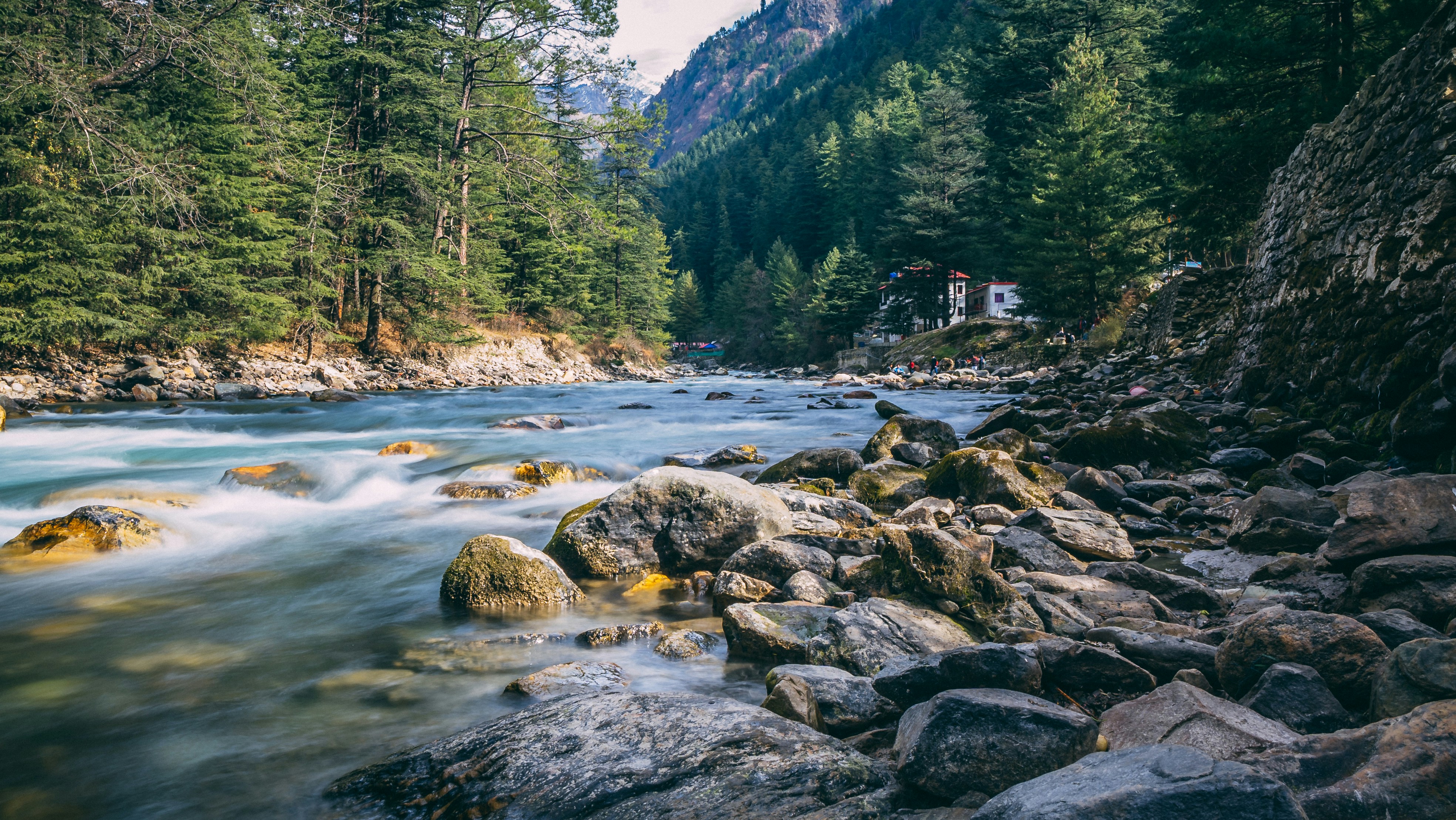
Set amidst the scenic Lushai Hills, Baktawng is blessed with breathtaking natural beauty. The surrounding landscape combines forests, agricultural fields, and bamboo groves that create a tranquil atmosphere throughout the year.
The area is characterised by:
- Thick bamboo forests providing raw materials for crafts
- Green paddy terraces stretching across valleys
- Forest-covered ridges and distant mountain views
- Clean air and a calm rural environment
Nature lovers and photographers are particularly drawn to Baktawng because of its untouched scenery and peaceful surroundings. Morning mist drifting across the hills and the sound of birds in the forest create an atmosphere that feels far removed from urban life.
Local Life and Mizo Culture
A visit to Baktawng provides valuable insight into traditional Mizo village life. The community maintains strong social bonds, and daily activities continue to revolve around agriculture, craftsmanship, and shared cultural practices.
Typical features of village life include:
- Bamboo and timber houses built using traditional methods
- Farming activities such as paddy cultivation and seasonal harvesting
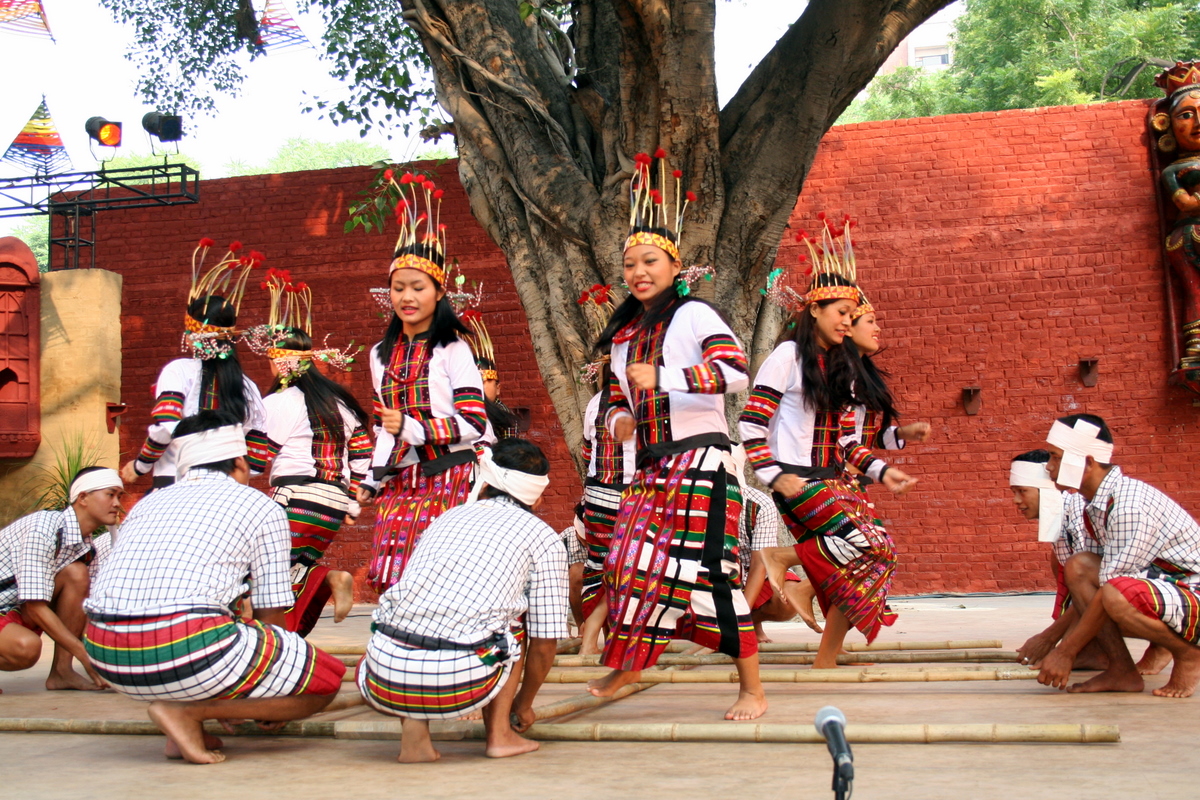
- Community gatherings featuring folk songs and dances
- Hospitality rooted in Mizo customs and respect for guests
Visitors are often welcomed warmly and may have opportunities to enter local homes, interact with artisans, and learn about traditional livelihoods. Meals frequently feature regional ingredients such as bamboo shoots, smoked meat, herbs, and locally grown vegetables, offering an authentic taste of Mizo cuisine.
The sense of community in Baktawng is one of its most memorable qualities. Life moves at a gentler pace, allowing travellers to appreciate simple routines and meaningful human connections.
How to Reach Baktawng Village
By Air
The nearest airport is Lengpui Airport, located roughly 90 kilometres away. The airport connects Mizoram with major cities such as Kolkata, Guwahati, and Imphal. From the airport, travellers can hire taxis or arrange private transportation to Baktawng.
By Road
Road travel is the most convenient way to reach the village. Shared taxis and private vehicles operate from Aizawl and Serchhip, making the journey straightforward and scenic. Travellers can enjoy views of forested hills, bamboo groves, and terraced farmland along the route.
By Rail
The nearest railway station is Silchar in Assam. From Silchar, travellers typically continue by road to Aizawl and then proceed onward to Baktawng Village.
Nearby attractions
Vantawng Falls
Located near Thenzawl, about 15–20 km from Baktawng, Vantawng Falls is the highest waterfall in Mizoram, plunging approximately 229 meters through lush forests. It is among the state’s most iconic natural attractions.
Tuirihiau Falls
A unique waterfall where visitors can walk behind the curtain of water. The scenic surroundings and easy accessibility make it a popular stop on the Thenzawl tourism circuit.
Thenzawl
A picturesque hill town known for its handloom industry, beautiful landscapes, and adventure activities. It serves as the main tourist hub near Baktawng and is an excellent base for exploring central Mizoram.
Chhuanvawra Park
A well-maintained recreational park featuring viewpoints, gardens, and family-friendly facilities overlooking the surrounding hills.
Thenzawl Golf Course
One of the highest golf courses in India, offering scenic views of the rolling hills and valleys of Mizoram.
Ziona Chana’s House
The village’s most famous attraction. It was home to the late Ziona Chana and his extraordinarily large family, once recognized as the world’s largest family. Visitors can learn about the unique social structure and culture associated with the Chana community.
Tropic of Cancer Marker
A popular roadside landmark where travelers stop for photographs and geographical interest while driving between Aizawl and Thenzawl.
Hmuifang
Located about 50 km from the area, Hmuifang is known for its virgin forests, trekking trails, camping opportunities, and panoramic mountain views.
Suggested Half-Day Itinerary from Baktawng:
Baktawng Village → Ziona Chana’s House → Vantawng Falls → Tuirihiau Falls → Thenzawl Town → Chhuanvawra Park → Tropic of Cancer Marker.
Best Time to Visit
The ideal time to visit Baktawng is between November and March, when the weather is cool, dry, and comfortable for sightseeing and outdoor activities. During these months, the hills appear especially vibrant and travel conditions are generally favourable.
Visitors interested in cultural experiences may consider planning their trip around local festivals. One of the most celebrated festivals in Mizoram is Chapchar Kut, a spring festival marked by music, dance, colourful attire, and community celebrations. During such occasions, bamboo handicrafts often feature prominently in performances and cultural displays, giving visitors a richer understanding of local traditions.
The monsoon season, while beautiful and green, can bring heavy rainfall and slippery roads, so travellers should plan accordingly if visiting during that period.
Why Visit Baktawng Village?
Baktawng offers something increasingly rare in modern travel—authenticity. Rather than commercial attractions or crowded tourist spots, the village invites visitors to experience living traditions, handmade artistry, and natural beauty at an unhurried pace.
Whether you are interested in handicrafts, rural culture, photography, or simply escaping into the quiet hills of Mizoram, Baktawng provides a meaningful and memorable journey. Its bamboo heritage, welcoming people, and scenic surroundings make it one of the state’s lesser-known yet deeply rewarding destinations.
Google Maps
FAQs
1. What is Baktawng Village famous for?
Baktawng is mainly known for its traditional bamboo handicrafts, Mizo cultural heritage, and as the home of the famous Chana family.
2. How far is Baktawng from Aizawl?
The village is located about 70 kilometres from Aizawl and can be reached by road within a few hours, depending on travel conditions.
3. What can visitors buy in Baktawng?
Visitors can purchase handmade bamboo baskets, furniture, mats, decorative items, musical instruments, and locally crafted souvenirs.
4. Is Baktawng suitable for cultural tourism?
Yes. Baktawng is an excellent destination for travellers interested in traditional village life, local craftsmanship, and Mizo culture.
5. When is the best time to visit Baktawng?
November to March is considered the best period due to pleasant weather and opportunities to experience local festivals.
6. Are there accommodation options in Baktawng?
Basic homestays and guest accommodations may be available nearby, while many travellers prefer staying in Aizawl or Serchhip and visiting the village as part of a day trip.
7. Can visitors watch artisans making bamboo crafts?
Yes. One of the highlights of visiting Baktawng is observing local artisans create bamboo products using traditional handcrafting techniques passed down through generations.