Image Source: Sureshiras
About Sri Varaha Lakshmi Narasimha Temple
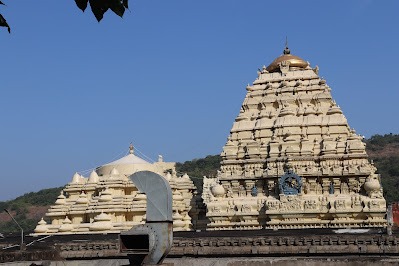
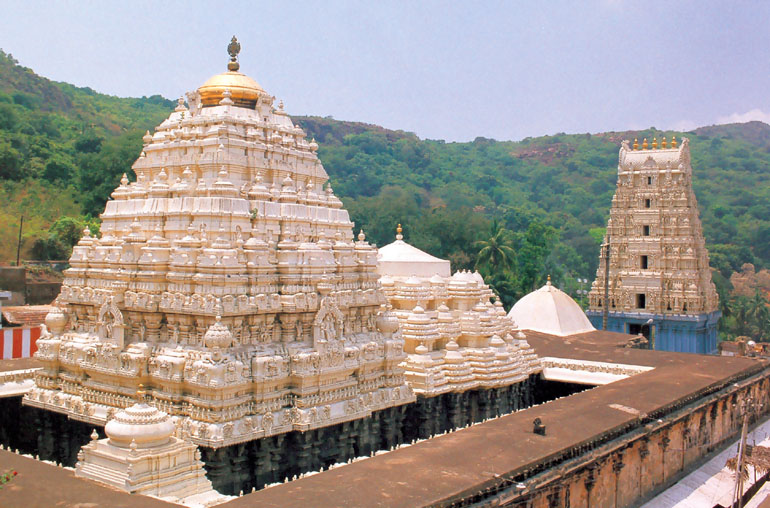
The Sri Varaha Lakshmi Narasimha Temple is a revered Hindu temple located atop the Simhachalam Hill Range in Visakhapatnam, Andhra Pradesh. Dedicated to Lord Vishnu in his combined Varaha-Narasimha form, the temple represents a unique blend of ferocity and serenity. The deity is traditionally covered with sandalwood paste throughout the year, giving it the appearance of a Shiva Lingam, except on Akshaya Tritiya, when the paste is removed for twelve hours, revealing the original form. The temple is one of the Nava Narasimha temples and is situated approximately 300 meters above sea level, making it both a spiritual and scenic landmark.
Location and Geography
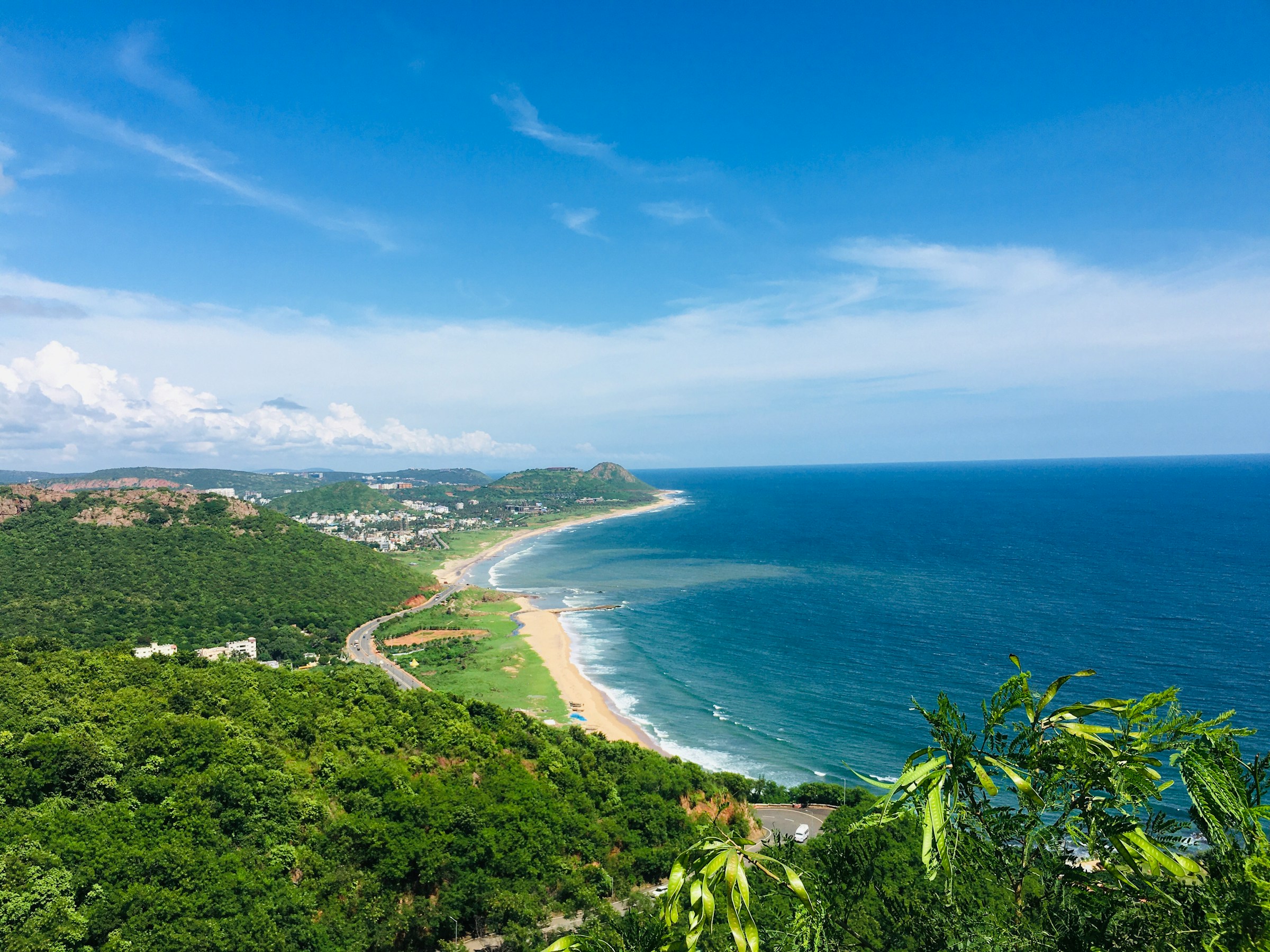
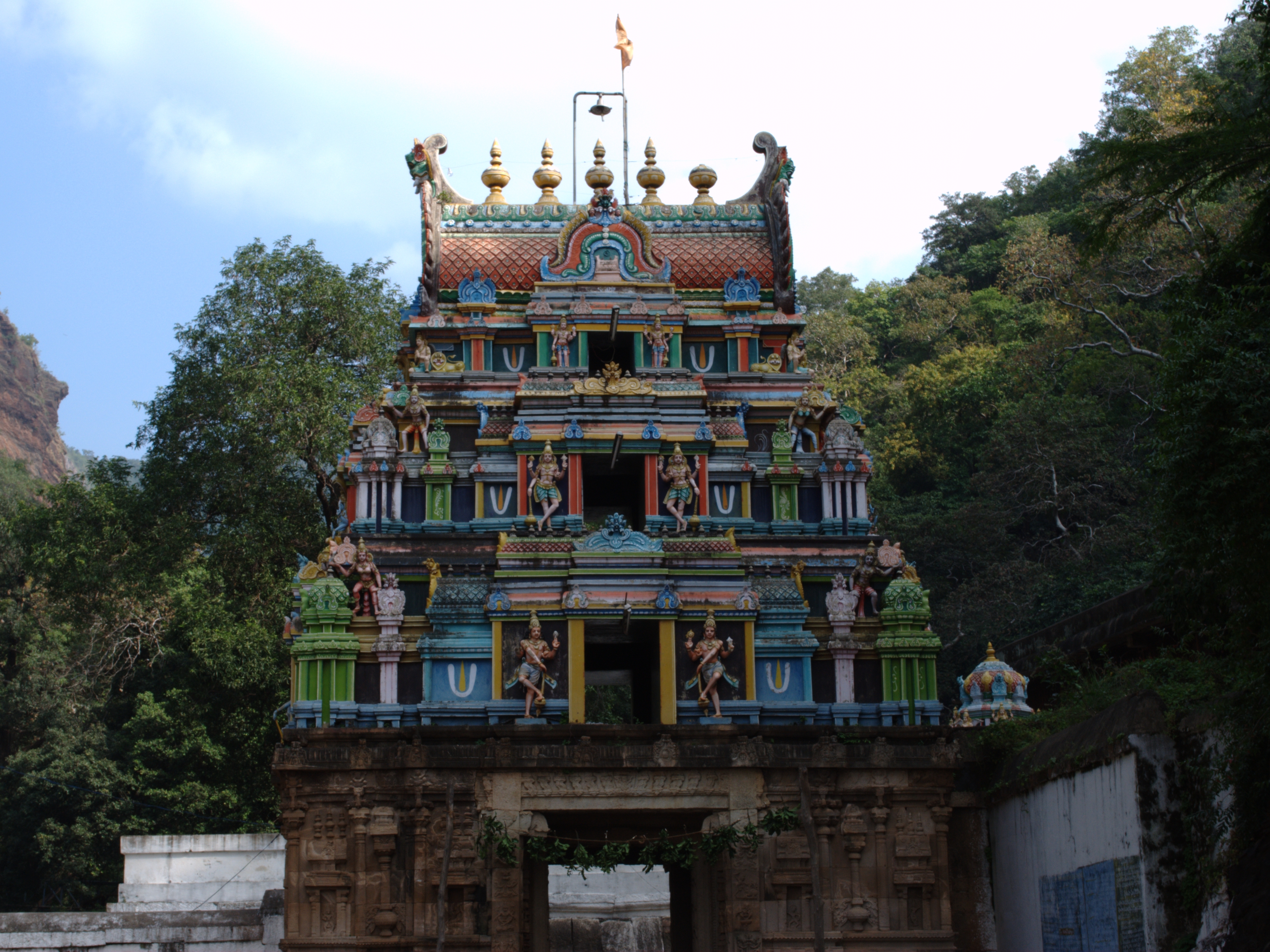
Simhachalam Temple is perched on the Simhachalam Hill Range, part of the Eastern Ghats, also referred to as Kailasa. Located about 10 miles north of Visakhapatnam, the temple is accessible by road or a steep flight of one thousand steps leading from Bhairava Dwaram at the hill’s base. The temple complex features two sacred tanks, Swami Pushkarini at the top and Gangadhara (Varaha) Pushkarini at the bottom, along with three natural springs—Akashadhara, Chakradhara, and Madhavadhara. The hill’s fertile soil, abundant rainfall, and favorable climate support rich flora, including several medicinal herbs.
Historical Background
The origins of Simhachalam Temple are steeped in legend and history. According to tradition, Prahlada, the devoted follower of Vishnu, built the first temple following the death of Hiranyakashipu, marking the deity’s manifestation as Varaha Narasimha. In a subsequent cycle, King Pururava rediscovered the idol, long neglected and buried under earth, and reconstructed the temple following divine instructions to maintain the deity covered in sandalwood paste.
The current temple structure was constructed by Narasingha Deva I of the Eastern Ganga dynasty in the 13th century and consecrated by his son Bhanudeva I in 1268 CE. The temple has nearly 500 inscriptions, mostly dana sasanas (donation records) from kings, officers, and citizens, with texts in Sanskrit, Telugu, Odia, and Tamil. Notably, the temple received patronage from the Later Cholas, Reddy dynasty, Gajapathi rulers, and the Tuluva dynasty of the Vijayanagara Empire. During his Kalinga campaigns, Krishnadevaraya erected a Jayastambha (pillar of victory) at the temple and donated valuable ornaments.
The temple witnessed periods of religious inactivity, especially between 1564 and 1604 CE, due to political upheavals following the fall of the Vijayanagara Empire. The 11th-century visit of Saint Ramanuja was pivotal; he identified the idol as Vaishnavite and upheld the tradition of keeping it covered after a miraculous incident when the idol reportedly bled upon attempting removal of the sandalwood paste.
Architecture and Layout
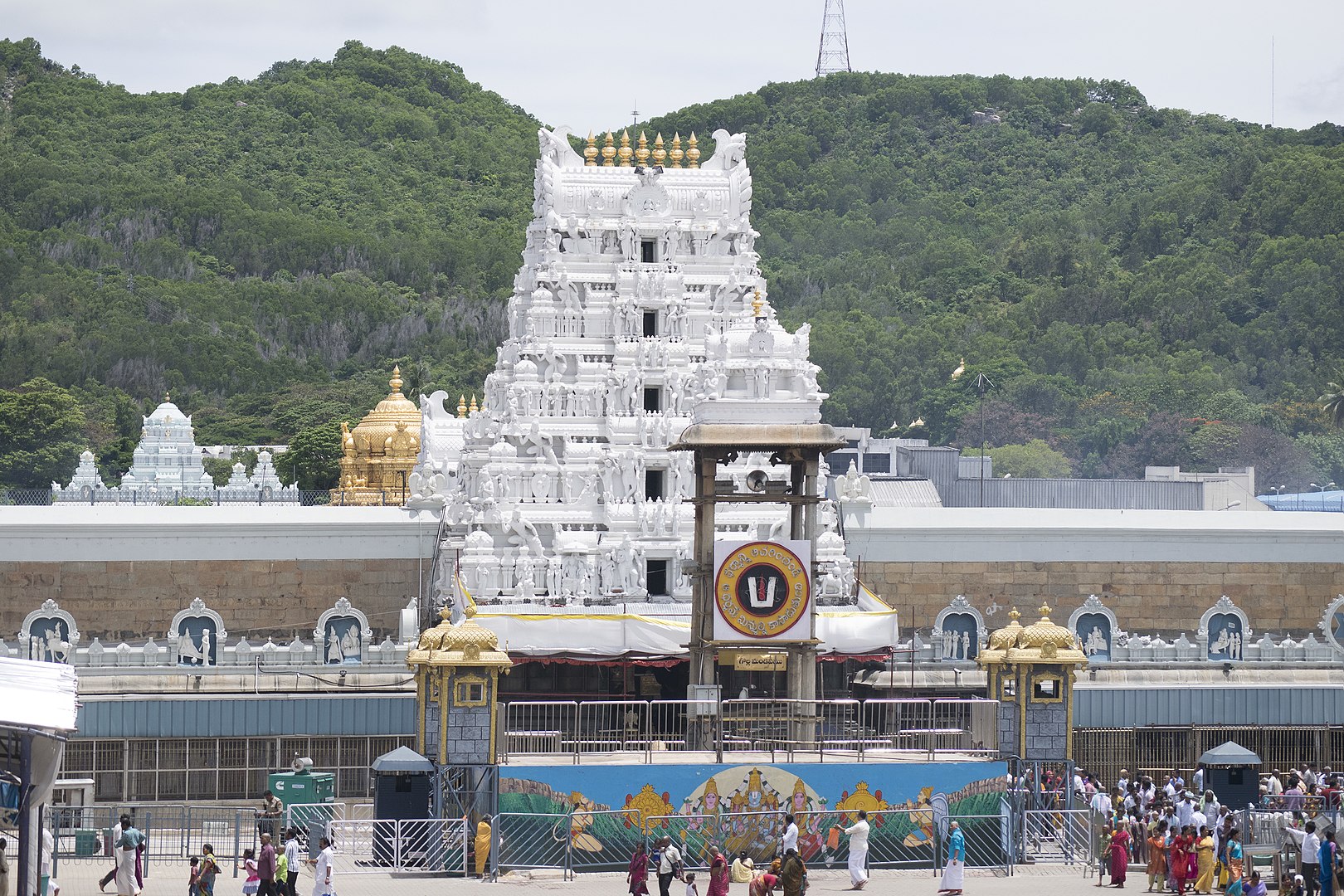
The temple exhibits a fusion of Eastern Ganga, Eastern Chalukya, and Chola architectural styles, giving it a fortress-like appearance with three prakarams (courtyards) and five gateways. Uniquely, the temple faces west, symbolizing victory.
The Rajagopuram, a five-tiered main tower, guards the western gateway. Inside, the Kalyana Mandapa, or wedding hall, is supported by 96 intricately carved pillars depicting Vishnu, Lakshmi, and the Alvars, constructed from basalt and schist. The Vimana above the sanctum is a three-tiered stepped pyramid (pidha deula) crowned with a gold-plated dome and lion statuettes at its base.
The Natya Mandapa, a 16-pillared dance hall, features simhalalathas (lion-head bases). The sanctum sanctorum (garbhagriha) showcases Kalinga-style sculptures, including Narasimha slaying Hiranyakashipu on the southern wall and a depiction of Varaha on the northern wall. Other sculptures include Indra, Gajalakshmi, and Krishna lifting Govardhan Hill. The temple also features railed parapets (jagattis) with sculpted elephants and swans, as well as a Kappam Stambham, a pillar believed to grant wishes, and Chaitanya Mahaprabhu’s footprints near the entrance.
Deity and Shrines
The main deity, Varaha Narasimha, is housed in the Prahlada Mandapa. Originally 2.5 feet tall, in a tribhanga posture, the idol has a boar’s head, human torso, and lion’s tail. Vandalism over centuries has disfigured its limbs and face. When covered with sandalwood paste, it appears as a four-feet tall Shiva Lingam, with the paste sourced from Srivilliputhur, Tamil Nadu. The deity is flanked by Sridevi and Bhudevi, holding lotus flowers.
The temple houses sub-shrines for Andal, Lakshmi (Simhavalli Thayar), the remaining eleven Alvars, Ramanuja, Manavala Mamunigal, and Vishvaksena. Only four primary ornaments adorn the deity, including a diamond-ruby Thirunamam, an emerald chain, a 100-tola gold bracelet, and a golden crown.
Religious Practices
The temple follows Vaishnavite rituals established by Ramanuja, adhering to Para, Vyuha, Vibhava, Antaryami, and Archa traditions. Five metallic idols serve as substitutes for the moolavar: Yogananda Narasimha, Govindaraja, Sudarshana Chakra, Madanagopala, and Venugopala, each serving a specific ritual purpose.
Daily worship includes morning Suprabhatam, laghvarchana, Abhisheka, rajabhoga, evening Divviti Salam, and night Sayana Seva. Special rituals include Nithya Kalyanam (daily celestial marriage), Swarnapushpa Archana, Sahasranama archana, Garuda seva, and cow worship.
Festivals and Utsavas
The temple celebrates numerous festivals, reflecting Agama texts, local customs, and a Dravidian cultural influence:
Chandanotsava (Sandalwood Festival): Celebrated on Akshaya Tritiya, when the sandalwood covering is removed for 12 hours.
Kalyanotsava (Celestial Marriage): A five-day celebration in Chaitra, featuring Rathotsava (chariot procession) and other rituals.
Narasimha Jayanti: Commemorates Narasimha’s manifestation in Vaisakha.
Navaratrotsava (Dussehra): Ten-day festival focusing on Goddess Lakshmi, with special rituals.
Kamadahana: Fire ritual symbolizing self-purification, held in Phalguna.
Other Festivals: Krishna Janmashtami, Karthika Deepavali, Giripradakshina (hill circumambulation), Makaraveta, Teppotsavam, Dhanurmasotsava, and Adhyayanotsava, among others.
Administration and Staff
The Pusapati Gajapathi family historically served as hereditary trustees. Today, the temple is managed by the Simhachalam Devasthanam board under the Government of Andhra Pradesh.
Priests belong to the Sri Vaishnavite clan, assisted by Nambyas, Paricharakas, and appointed scholars for reading Vedic texts and religious literature. Historically, devadasis (sanis) performed music, dance, and temple decoration, though this practice is no longer active. Supporting staff include cooks, water carriers, gardeners, goldsmiths, and watchmen.
Significance
Simhachalam Temple is one of the 32 Narasimha temples in Andhra Pradesh and a vital center of Vaishnavism. The deity combines ferocity and protection, believed to grant progeny and fulfill devotees’ wishes. The temple ranks as the second-largest in Andhra Pradesh by income, modernized with cashless donation systems.
The temple is also a cultural and literary hub, referenced in works like Lakshmi Narasimhapurana (Yerrapragada), Amuktamalyada (Krishnadevaraya), Simhagiri Vachanas (Krishnamacharyulu), and Kalapurnodayam (Pingali Suranna), among others, cementing its influence in devotional literature and Telugu heritage.
How to Reach
By Air
The nearest airport is Visakhapatnam International Airport, located approximately 25 km from the temple. Taxis and app-based cabs are readily available from the airport.
By Train
- Visakhapatnam Railway Station is about 18–20 km away.
- Simhachalam Railway Station is closer but has limited train connectivity. From either station, visitors can hire taxis or board local buses to reach the temple.
By Road
Regular APSRTC buses operate from Visakhapatnam city, including services from Dwaraka Bus Station. Private taxis, auto-rickshaws, and cabs are also available. A well-maintained ghat road leads directly to the hilltop temple.
Nearby Attractions
1. Kailasagiri
Located around 15 km away, this hilltop park offers panoramic views of the Bay of Bengal, landscaped gardens, ropeway rides, and iconic Shiva-Parvati statues.
2. Ramakrishna Beach
One of Visakhapatnam’s most popular beaches, ideal for sunrise views, evening walks, and local street food.
3. INS Kurusura Submarine Museum
A unique museum housed inside a decommissioned submarine, showcasing India’s naval history.
4. Indira Gandhi Zoological Park
Spread across forested hills, this zoo is home to a wide variety of wildlife and is perfect for family outings.
5. Yarada Beach
A relatively secluded beach known for its golden sands, clear waters, and picturesque surroundings.
6. Dolphin’s Nose Lighthouse
A historic lighthouse offering breathtaking views of Visakhapatnam Port and the coastline.
7. Rushikonda Beach
A favorite destination for water sports, beach activities, and scenic coastal views.
Google maps
FAQs
1. Where is Sri Varaha Lakshmi Narasimha Temple located?
Sri Varaha Lakshmi Narasimha Temple is situated on Simhachalam Hill in Visakhapatnam, approximately 16 km from the city center.
2. Which deity is worshipped in the temple?
The temple is dedicated to Lord Narasimha, an incarnation of Lord Vishnu, who appears here in the unique form of Varaha Narasimha, combining the features of the Varaha (boar) and Narasimha (lion) avatars.
3. Why is the temple famous?
The temple is renowned for its magnificent architecture, rich history, and the unique tradition of covering the deity with sandalwood paste throughout the year.
4. What is Chandanotsavam?
Chandanotsavam is the temple’s most important annual festival during which the sandalwood paste covering the deity is removed, allowing devotees to view the original idol. This special event attracts thousands of pilgrims.
5. What are the temple timings?
The temple generally opens early in the morning and remains open until evening, with a break during the afternoon. Timings may vary on festivals and special occasions.
6. How can I reach Simhachalam Temple from Visakhapatnam?
Visitors can reach the temple by APSRTC buses, taxis, auto-rickshaws, or private vehicles. A well-maintained road leads directly to the hilltop temple.
7. Is there a dress code for visiting the temple?
Modest and traditional attire is recommended. Devotees are advised to wear clothing appropriate for a sacred religious site.
8. Are accommodation facilities available near the temple?
Yes, several guest houses, lodges, and hotels are available near the temple and throughout Visakhapatnam to suit different budgets.
9. Is photography allowed inside the temple?
Photography is generally prohibited inside the main sanctum and certain temple areas. Visitors should follow the guidelines issued by temple authorities.
10. What are the major festivals celebrated at the temple?
Major festivals include Chandanotsavam, Narasimha Jayanti, Vaikuntha Ekadashi, and various annual Brahmotsavam celebrations.