
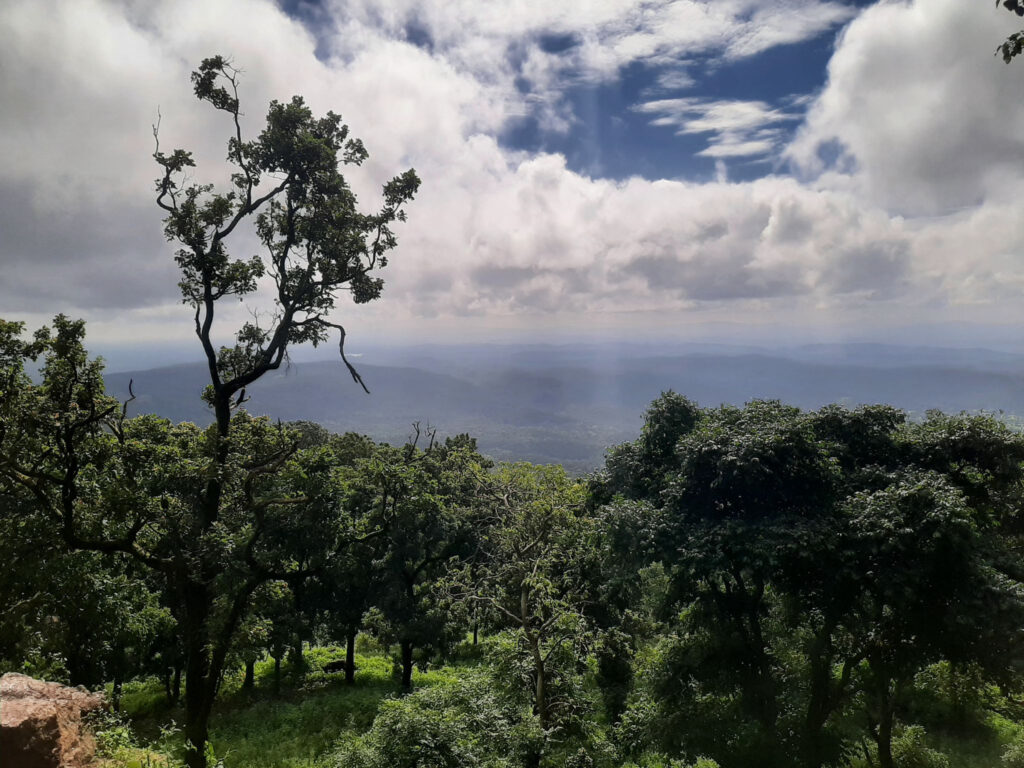
Image Source: PANKAJ YADAV
Overview of Sonmuda
Nestled in the serene hills of Amarkantak, Sonmuda is one of the most spiritually significant and naturally beautiful places in central India. Located around 1.5 kilometers from the sacred Narmadakund, this peaceful site is widely known as the origin point of the Sone River, one of the major rivers of northern India. Surrounded by the lush forests and rolling landscapes of the Maikal mountain range, Sonmuda offers a perfect blend of mythology, spirituality, and scenic beauty.
The atmosphere at Sonmuda is calm and meditative. Pilgrims, nature lovers, and travelers visit this sacred destination not only to witness the birthplace of the river but also to experience the spiritual energy that has surrounded the region for centuries. The viewpoint here opens to breathtaking valleys and dense forests, making it a memorable stop for anyone exploring Amarkantak.
Spiritual Importance of Sonmuda
Amarkantak has long been regarded as a sacred land in Hindu tradition, and Sonmuda forms an important part of this spiritual landscape. Ancient Hindu scriptures describe the region as a divine meeting point of spirituality and nature. Saints and sages are believed to have meditated here in search of enlightenment and inner peace.
According to local beliefs, the great sage Markandeya performed deep meditation in this region. Many people believe that the name “Amarkantak” is associated with this spiritual connection. Even today, devotees visit Sonmuda seeking peace, blessings, and a closer connection with nature and divinity.
The origin of the Sone River at Sonmuda is considered sacred, and pilgrims often offer prayers near the water source before continuing their journey to nearby temples and holy sites.
Mythology Associated with Sonmuda
Indian mythology adds a fascinating layer to the identity of Sonmuda. According to traditional legends, the names “Sona” and “Bhadra” are connected to the children of Lord Brahma and a fierce goddess. The Sone River is believed to emerge from the sacred Sona and Bhadra ponds before flowing down the hills and transforming into a mighty river.
A narrow stream cascades dramatically from a height of nearly 300 feet, creating a mesmerizing sight during the monsoon season. Ancient writers such as Megasthenes and several Aryan scholars are said to have referred to the river in their writings. Historical accounts suggest that the river received its name because traces of gold were believed to be found in its waters and sands.
These legends continue to make Sonmuda an important destination for pilgrims and history enthusiasts alike.
Historical and Cultural Significance
Sonmuda is deeply woven into the cultural and religious heritage of central India. The Sone River, which begins here, travels through several states before eventually joining the Ganga River near Maner in Patna. Because of this connection, the river has held great importance for civilizations and settlements for centuries.
The region around Sonmuda also reflects the spiritual traditions of Amarkantak, where temples, sacred ponds, and ancient rituals continue to shape local culture. Devotees visiting the site often perform prayers and rituals dedicated to river worship, which holds immense importance in Hindu beliefs.
The peaceful surroundings, combined with centuries of mythology and religious traditions, make Sonmuda much more than just a natural attraction. It is a place where spirituality, folklore, and nature exist together harmoniously.
Son Udgam Temple
One of the major attractions near Sonmuda is the sacred Son Udgam Temple, dedicated to the origin of the Sone River. Though modest in structure, the temple carries immense religious significance among pilgrims.
Visitors often stop here to offer prayers and witness the sacred water source associated with the river’s origin. The calm environment surrounding the temple creates a deeply spiritual experience, especially during early morning and evening hours when the area is quieter and covered in mist or golden sunlight.
The temple, together with the surrounding hills and forests, gives visitors an opportunity to experience both natural beauty and spiritual devotion at the same time.
Temples Around the Kund
The region surrounding Sonmuda and Narmadakund is filled with important temples and sacred spots that attract devotees throughout the year.
Mahamrityunjaya Temple
The Mahamrityunjaya Temple is one of the most visited temples in the area. Dedicated to Lord Shiva, the temple is known for its peaceful atmosphere and spiritual importance. Many devotees believe that prayers offered here bring healing, protection, and positive energy.
Narmada Temple
Another important religious site is the Narmada Temple, dedicated to the sacred Narmada River. The temple is closely associated with the spiritual traditions of Amarkantak and remains a major pilgrimage destination for devotees visiting the region.
Together, these temples form an important spiritual circuit that attracts pilgrims from across India.
Best Time to Visit Sonmuda
The best time to visit Sonmuda is during the monsoon and post-monsoon months, from June to September. During this season, the forests become lush green, waterfalls flow beautifully, and the surrounding hills appear incredibly vibrant.
Winter, from October to February, is also a pleasant time to visit because the weather remains cool and comfortable for sightseeing. Early mornings during winter often offer stunning mist-covered views of the valleys.
Summer months can become quite warm during the daytime, so travelers generally prefer avoiding peak summer afternoons.
Timings and Entry Information
- Timings: The area remains accessible throughout the day, while nearby temples usually open from early morning until evening.
- Entry Fee: There is no entry fee for visiting Sonmuda or the Son Udgam Temple.
- Photography: Visitors can enjoy scenic photography, especially during sunrise and monsoon months.
Nearby Attractions Around Sonmuda
Mai Ki Bagiya
Mai Ki Bagiya is a peaceful natural garden located around 5 kilometers from Narmadakund. Surrounded by dense greenery and medicinal plants, it is believed to have spiritual significance connected with Goddess Narmada.
Kapildhara Waterfall
The stunning Kapildhara Waterfall is among the most famous waterfalls in the region. Water plunges dramatically from rocky cliffs, creating a spectacular view amidst thick forests.
Dudh Dhara Waterfall
Located close to Kapildhara, Dudh Dhara Waterfall is known for its milky-white stream and tranquil surroundings. It is a perfect spot for nature lovers and photographers.
Narmadakund
Narmadakund is one of the holiest sites in Amarkantak and is regarded as the origin of the Narmada River. Pilgrims often begin their spiritual journey here before visiting Sonmuda and nearby temples.
How to Reach Sonmuda

By car: One can reach Sonmuda by car through a well-connected network of roads. The nearest town is Amarkantak, which is approximately 25 kilometres away. From Amarkantak, one can take a private or public transport vehicle to reach Sonmuda.

By Train: The nearest railway station is Pendra Road, which is approximately 120 km away from Sonmuda. One can take a taxi or public transport from the railway station to reach the destination.

By Air: The nearest airport is Swami Vivekananda Airport in Raipur, which is approximately 250 km away from Sonmuda. From the airport, one can hire a taxi or take public transport to reach Sonmuda.
FAQs
Where is Sonmuda located?
Sonmuda is located in Amarkantak in the state of Madhya Pradesh, near the Maikal mountain range. It lies about 1.5 kilometers from Narmadakund.
Why is Sonmuda famous?
Sonmuda is famous as the origin point of the Sone River. It is also known for its spiritual significance, scenic beauty, and connection with Hindu mythology.
What is the best time to visit Sonmuda?
The best time to visit is during the monsoon and winter seasons. Monsoon months bring lush greenery and flowing waterfalls, while winters offer pleasant weather.
Is there any entry fee for Sonmuda?
No, there is no entry fee to visit Sonmuda or the nearby Son Udgam Temple.
Which river originates from Sonmuda?
The Sone River, also known as the Sonbhadra River, originates from Sonmuda in Amarkantak.
Are there temples near Sonmuda?
Yes, several important temples are located nearby, including the Mahamrityunjaya Temple, Narmada Temple, and Son Udgam Temple.
How far is Sonmuda from Narmadakund?
Sonmuda is located approximately 1.5 kilometers from Narmadakund and can be reached easily by road or on foot.
Can tourists visit Sonmuda during the monsoon?
Yes, the monsoon season is considered one of the most beautiful times to visit Sonmuda because the waterfalls, forests, and valleys become especially scenic during this period.