Image Source: RV
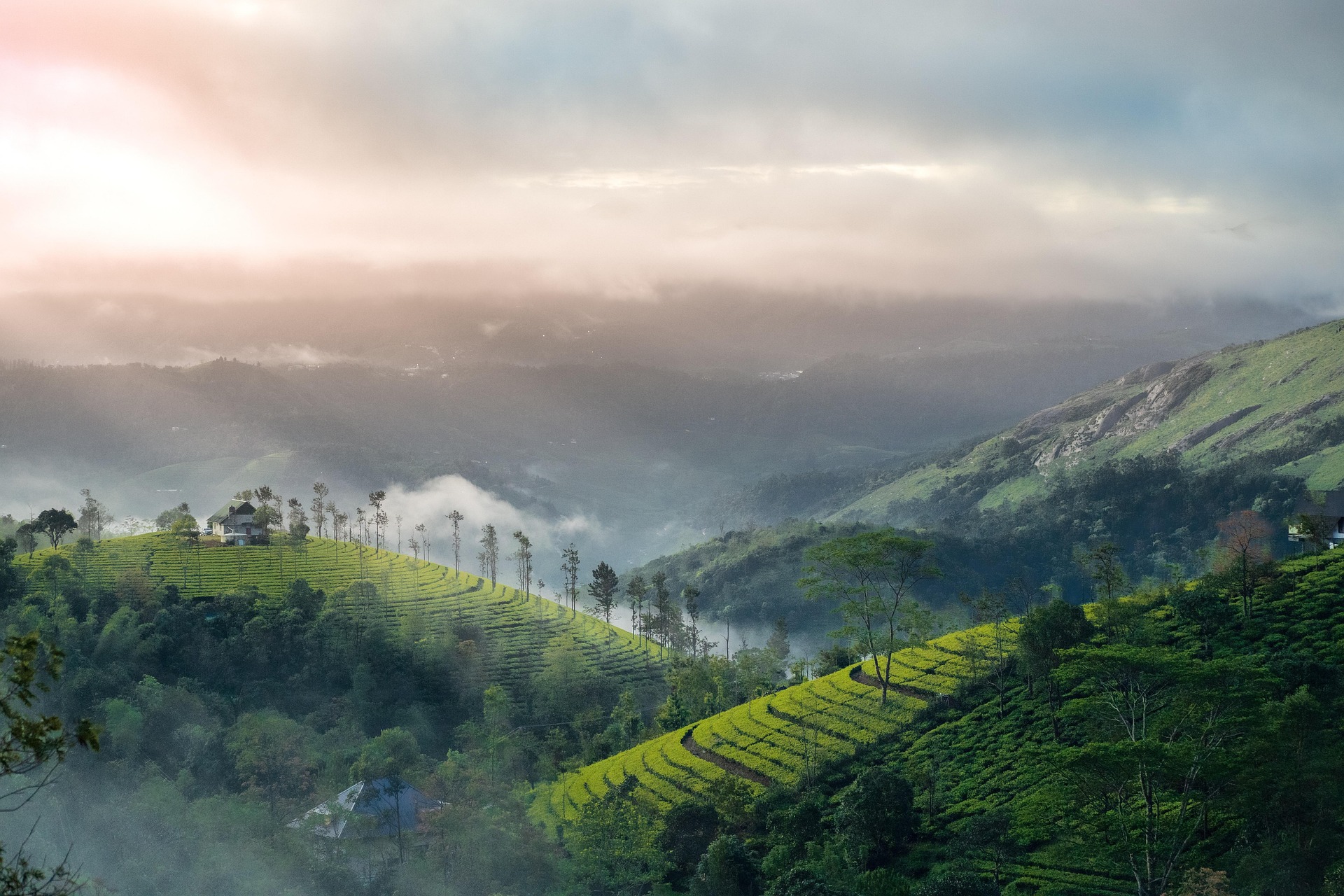
Tucked away in the high ranges of Kerala, Anamudi Shola National Park is one of the most pristine and least explored protected areas near Munnar. Unlike the more popular tourist zones, this park offers an intimate experience of dense montane forests, mist-covered hills, and rare biodiversity.
It forms part of the larger Western Ghats ecosystem—one of the world’s richest biodiversity hotspots—and is often overshadowed by its famous neighbor, Eravikulam National Park. Yet, for nature lovers and offbeat explorers, Anamudi Shola feels untouched, mysterious, and deeply immersive.
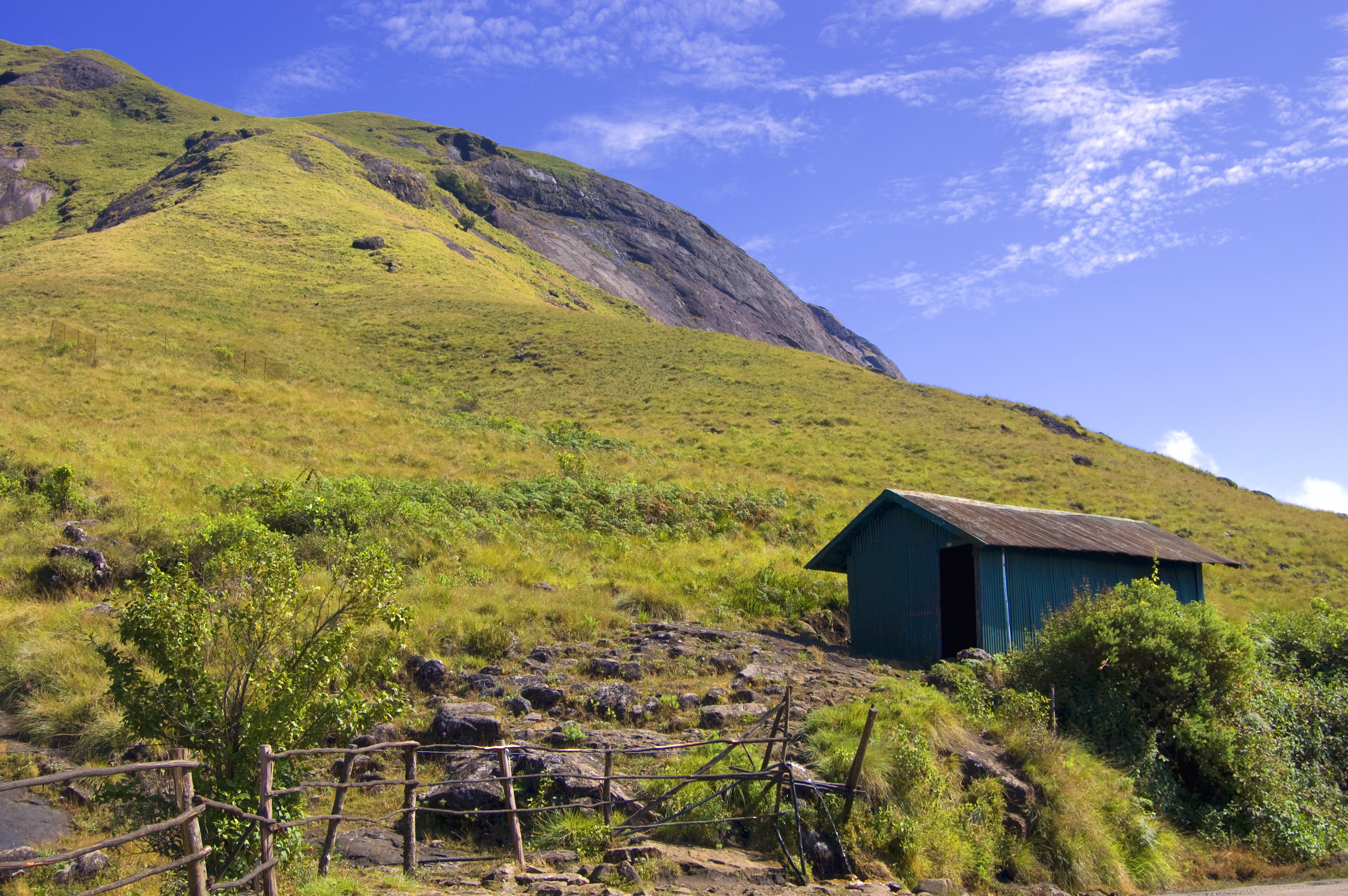
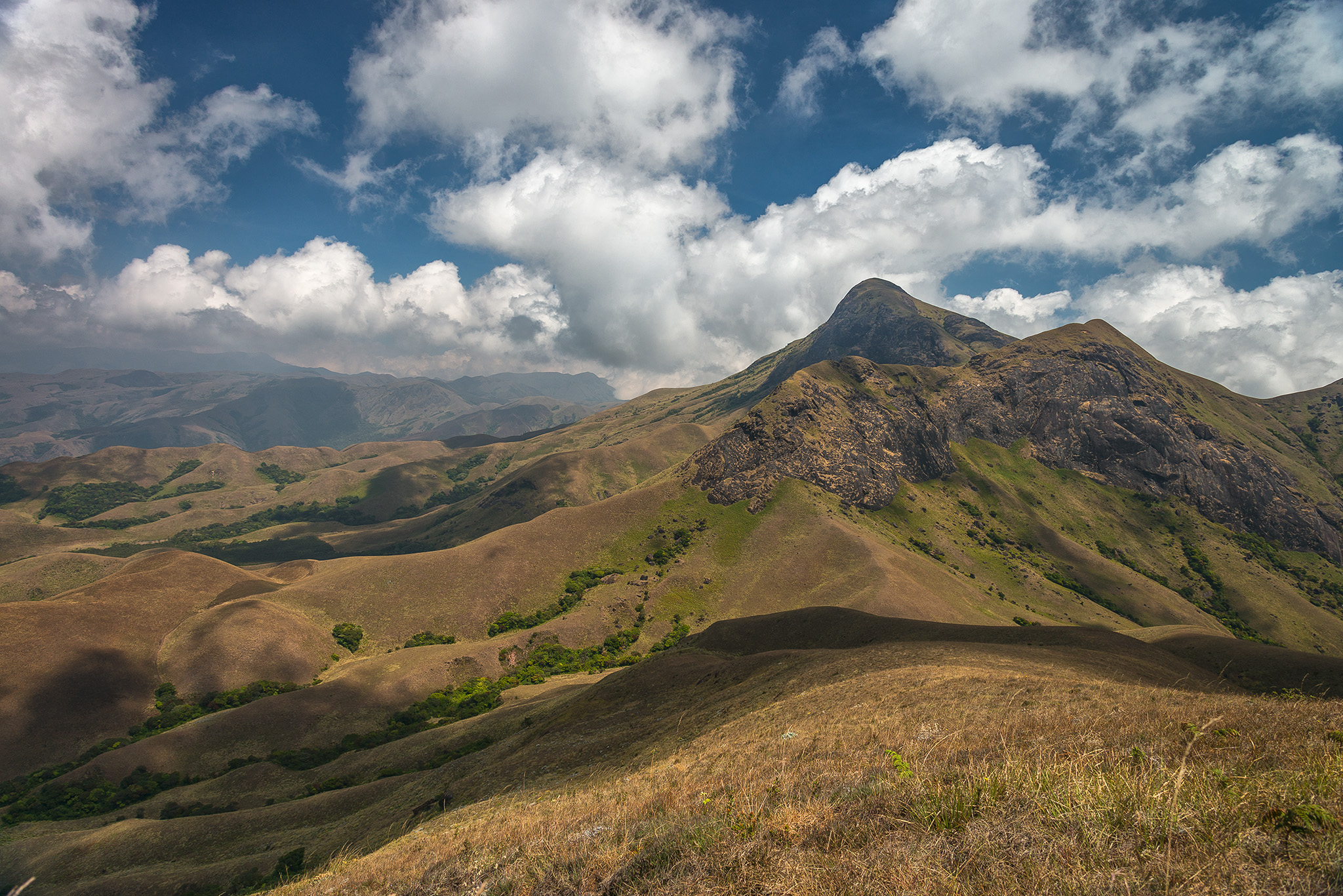
Geography & Landscape: The Shola-Grassland Mosaic
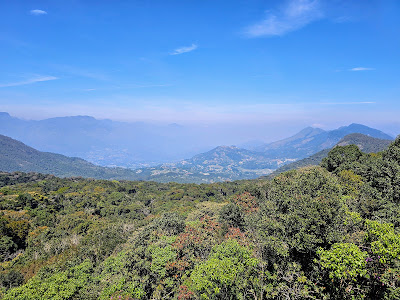
The park is named after Anamudi Peak, though the peak itself lies just outside its boundaries. What defines this region is the unique shola ecosystem —a combination of:
* Dense evergreen forest patches (sholas)
* Rolling grasslands on higher slopes
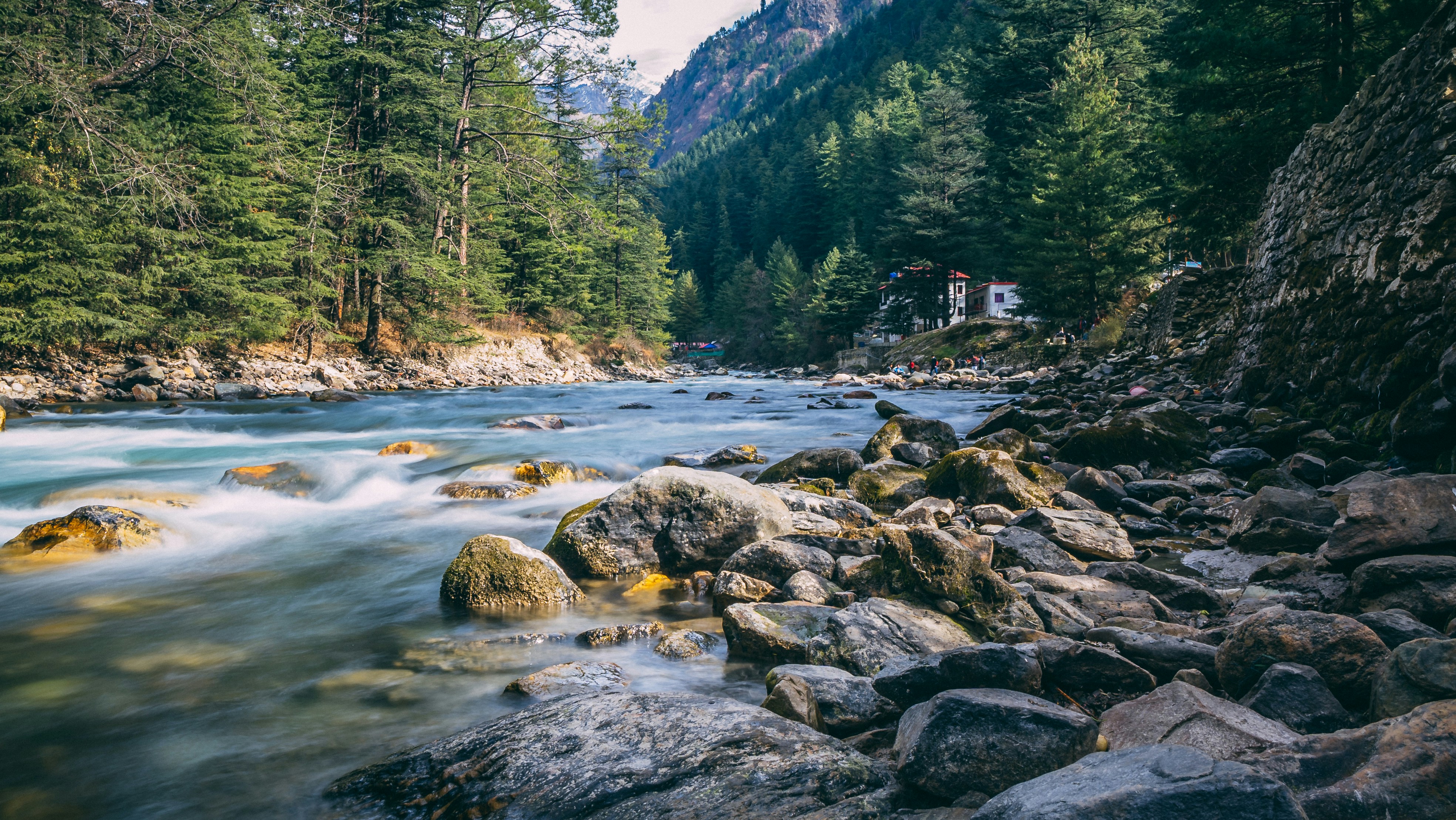
* Narrow valleys filled with streams and mist
These forests are typically found in high-altitude pockets, creating a patchwork landscape that supports rare flora and fauna. The terrain is rugged, with undulating hills, hidden valleys, and thick vegetation that limits easy access—one reason it remains less crowded.
Biodiversity: A Haven for Rare Species
Anamudi Shola is a biodiversity treasure trove. Its isolation and dense vegetation provide a safe refuge for many endemic and endangered species.
Wildlife Highlights
* Nilgiri langur.
* Lion-tailed macaque.
* Indian giant squirrel.
* Nilgiri marten.
Larger Mammals (Occasional Sightings)
* Elephants.
* Leopards.
* Gaur (Indian bison).
Birdlife
The park is a paradise for birdwatchers, with species like:
* Malabar whistling thrush.
* Nilgiri flycatcher.
Flora
* Stunted evergreen trees
* Moss-covered trunks
* Orchids and medicinal plants
The dense canopy, combined with constant moisture, creates a cool, shaded microclimate ideal for rare plant species.
Trekking & Nature Experience
Unlike commercial parks, Anamudi Shola does not offer mass tourism infrastructure. Instead, it provides controlled, eco-sensitive access .
What to Expect:
* Guided forest walks.
* Silent trails through thick vegetation.
* Birdwatching and nature photography.
The experience is raw and immersive—you won’t find crowded viewpoints, but rather quiet forest paths where every sound feels amplified.
Cycling Near Anamudi Shola
While cycling inside the core park is restricted, the surrounding regions offer excellent cycling routes :
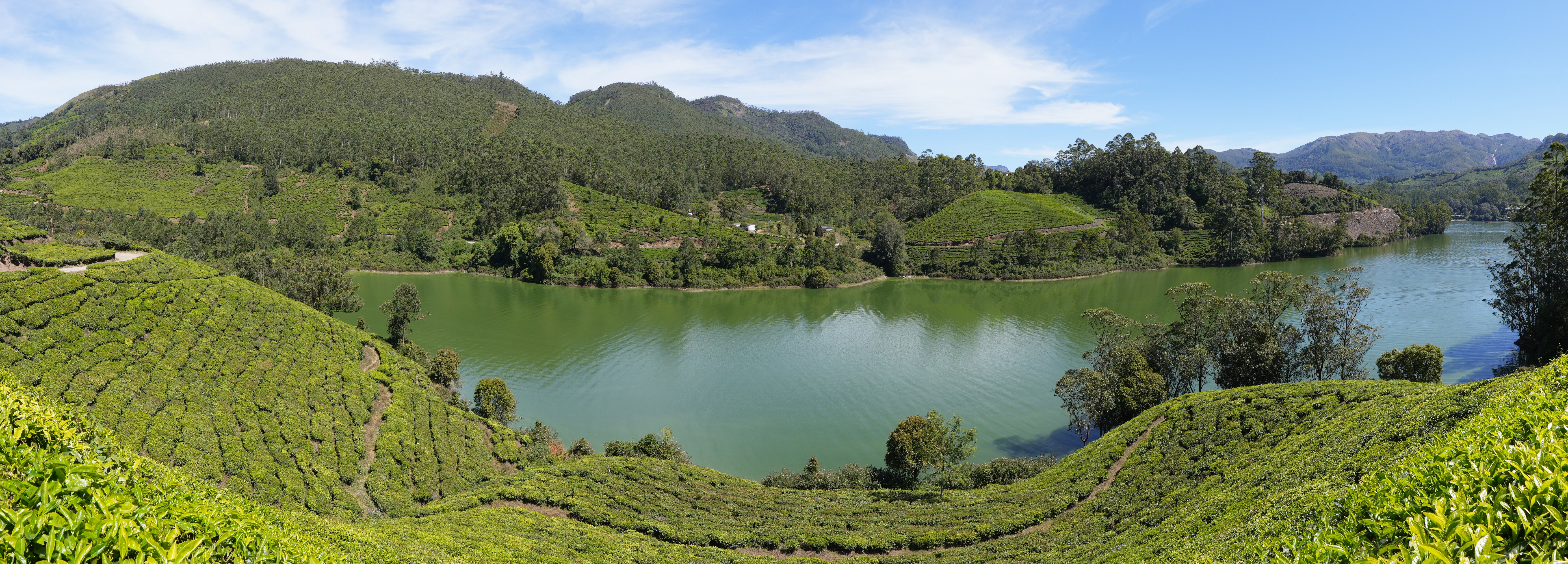
* Tea estate trails near Munnar.
* Forest-edge roads toward Vattavada.
* Quiet mountain roads with minimal traffic.
Cyclists often ride up to the park’s buffer zones, combining adventure cycling with forest exploration.
How to Reach
# From Munnar
* Distance: ~40 km
* Route: Munnar → Marayoor road → diversion toward the park
Nearest Towns
* Munnar (base for stay and travel)
* Marayoor (for extended exploration)
Access Note
Entry is regulated by the Kerala Forest Department, and visitors may need:
* Prior permission.
* A guide for trekking.
Best Time to Visit
* October to March: Ideal (cool, clear, best for trekking).
* April–May: Pleasant mornings.
* Monsoon (June–September):
* Lush and magical.
* But slippery trails and limited access.
Travel Tips
* Always go with authorized guides.
* Wear trekking shoes (terrain can be uneven).
* Carry water and essentials—no shops inside.
* Maintain silence—this is a sensitive wildlife habitat.
Final Perspective: Why Anamudi Shola Matters
Anamudi Shola National Park represents a different side of Munnar—one that is quiet, untouched, and ecologically significant. It is not about sightseeing but about experiencing a living rainforest ecosystem .
If Munnar is the face of tourism, Anamudi Shola is its soul—hidden, fragile, and profoundly beautiful.