Image Source: Gopal Venkatesan
About Ahobilam Narasimha Temples
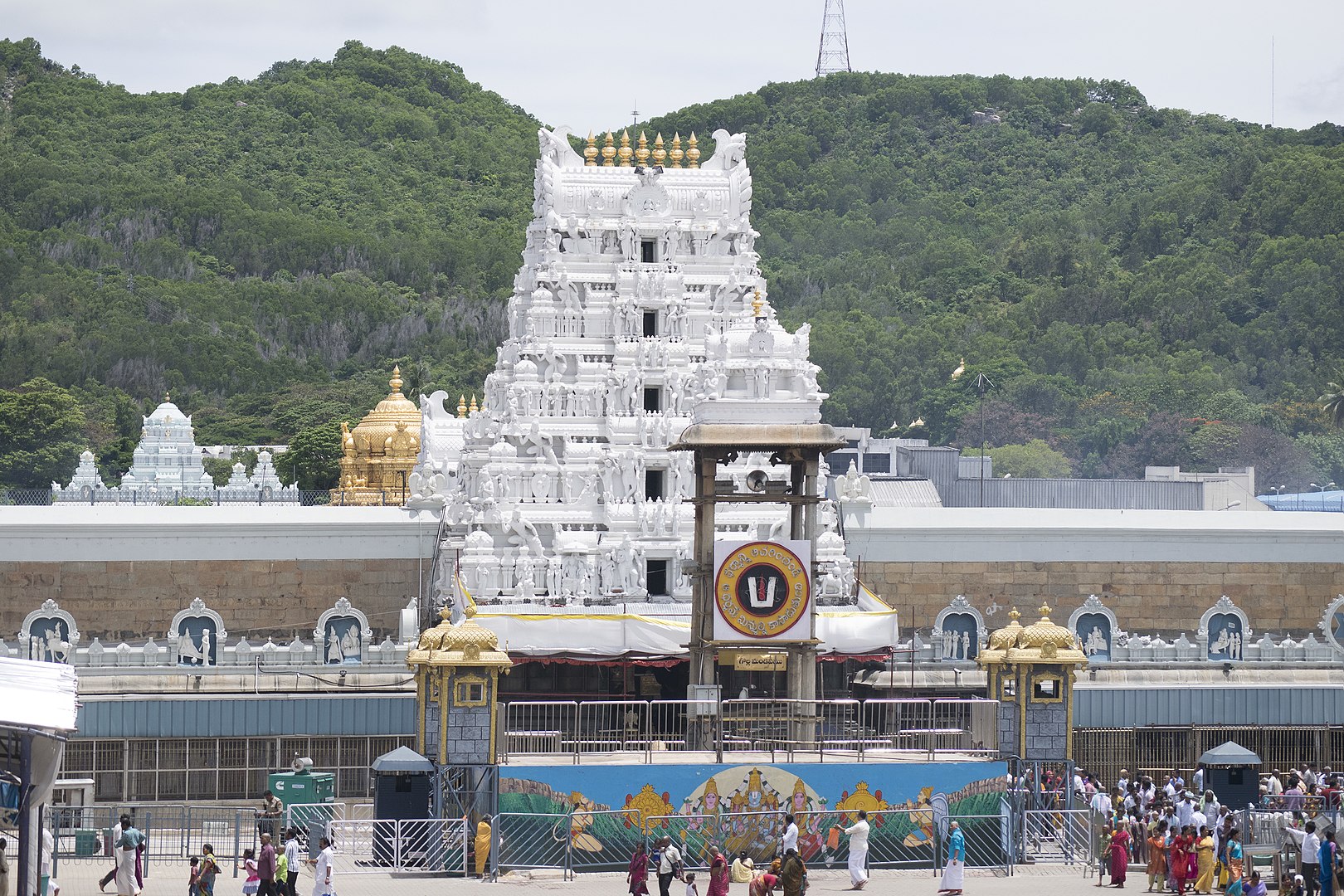
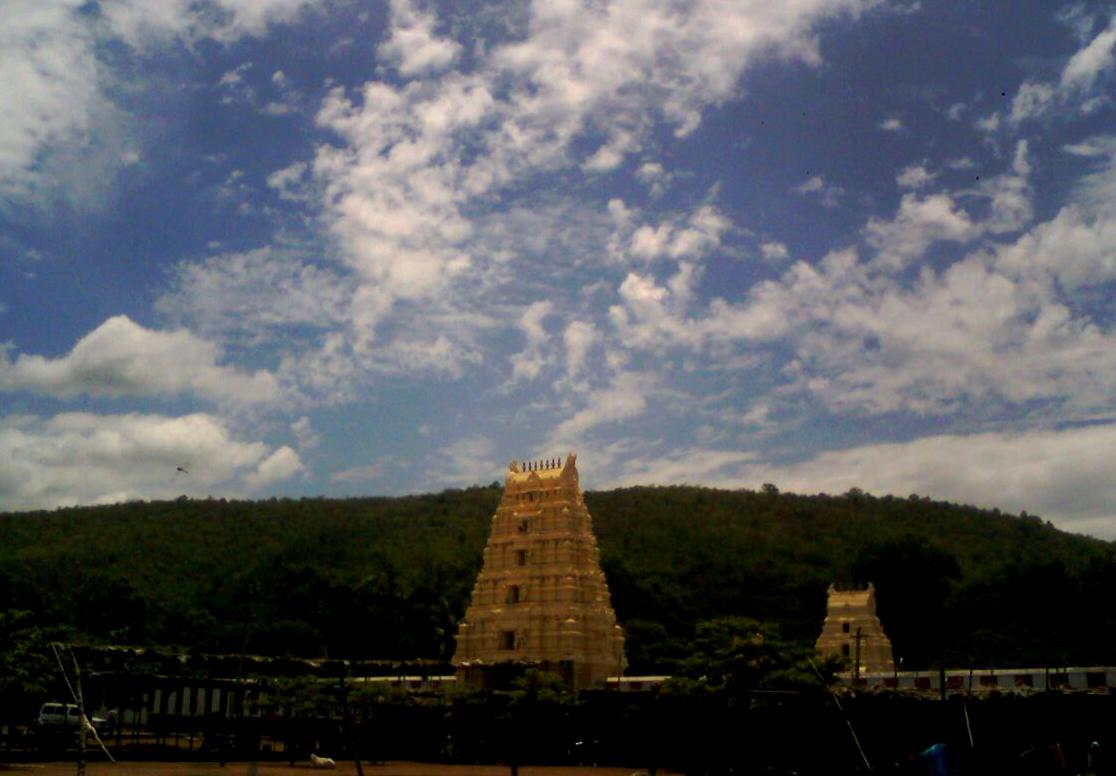
The Ahobilam Narasimha Temples are among the most revered pilgrimage sites in South India, located in the Nallamala Hills of Andhra Pradesh. Dedicated to Lord Narasimha, the fierce man-lion incarnation of Lord Vishnu, Ahobilam is celebrated both for its spiritual significance and its dramatic natural setting.
The complex is unique because it consists of nine shrines, collectively known as the Nava Narasimha Temples, each representing a distinct aspect of Narasimha. These temples, surrounded by dense forests, streams, and rocky hills, create a powerful blend of myth, devotion, and nature.
Mythological Significance
According to legend, Ahobilam is the sacred site where Lord Narasimha manifested to slay the demon king Hiranyakashipu and protect his devotee Prahlada. The word Ahobilam is said to derive from “Aho-Balam,” meaning “What great strength!”, an exclamation referring to the Lord’s fierce form.
This mythological background makes Ahobilam one of the most important shrines dedicated to Narasimha, celebrated as a place of divine protection and justice.
The Nava Narasimha Temples
Ahobilam is famous for its nine temples, each dedicated to a unique manifestation of Narasimha:
Jwala Narasimha – Symbolizing the fierce aspect, this shrine marks the site where Narasimha killed Hiranyakashipu.
Ahobila Narasimha – The presiding deity of the Ahobilam complex, worshipped in his majestic form.
Malola Narasimha – Depicted with Goddess Lakshmi (Mahalakshmi) on his lap, representing compassion and grace.
Kroda (Varaha) Narasimha – Featuring the Varaha (boar) form, symbolizing protection and sustenance.
Karanja Narasimha – Situated under a Karanja tree, this form emphasizes devotion and penance.
Bhargava Narasimha – Associated with the sage Bhargava, who is believed to have worshipped the Lord here.
Yogananda Narasimha – Representing the Lord in a yogic and peaceful posture, teaching Prahlada after slaying Hiranyakashipu.
Chatravata Narasimha – Worshipped amidst forest groves, associated with music and joy.
Pavana Narasimha – Known as the most benevolent form, believed to cleanse devotees of sins and grant blessings.
Each temple is located at varying altitudes, some in accessible plains and others in remote forested hills, offering both spiritual depth and adventurous trekking experiences.
Architecture and Setting
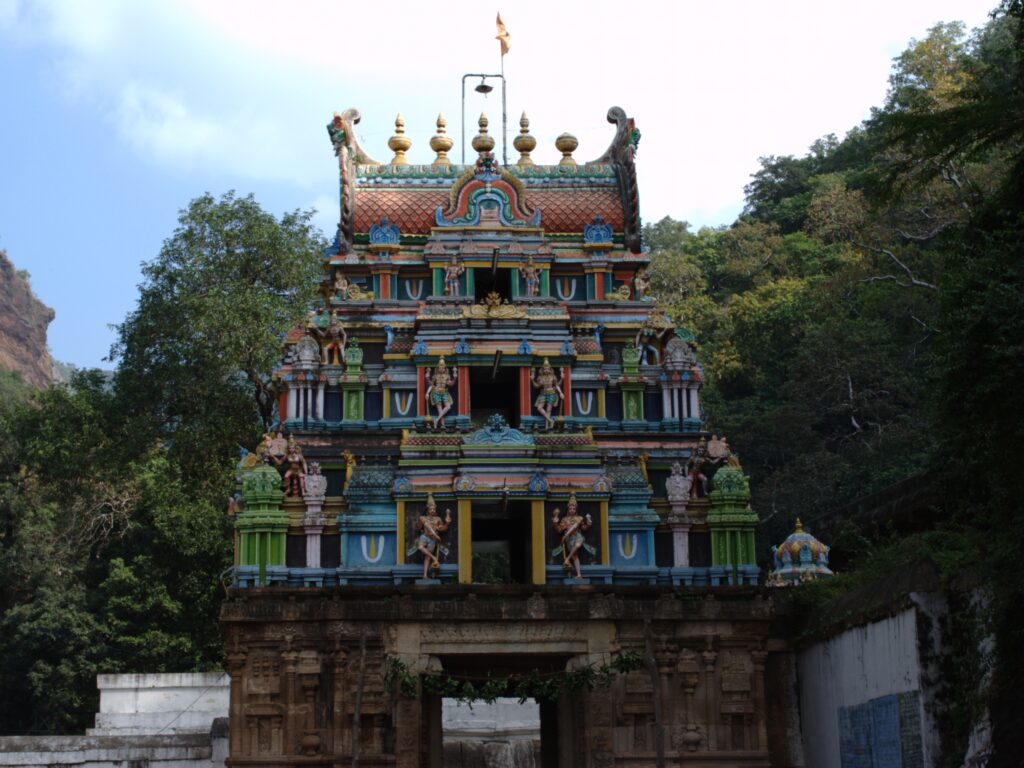
The temples of Ahobilam showcase a blend of Vijayanagara and Chola architectural styles, with intricately carved pillars, mandapas, and sanctums that reflect South India’s temple-building traditions.
The natural setting of the Nallamala Hills adds to the temple’s grandeur—streams, caves, waterfalls, and rugged paths form a mystical backdrop. Many shrines are located in caves or on steep hillsides, emphasizing the divine presence amidst wild landscapes.
Religious Importance
Ahobilam is one of the 108 Divya Desams—the sacred Vishnu temples praised in Tamil Alvar hymns. The temple is also deeply connected with the Sri Vaishnava tradition. The Ahobila Mutt, a prominent religious institution, was established here to propagate Sri Vaishnavism. Devotees believe that visiting all nine shrines grants immense spiritual merit and protection.
Festivals and Pilgrimage
The most important festival at Ahobilam is Brahmotsavam, celebrated annually with grandeur, attracting thousands of devotees. Rituals, processions, and cultural programs mark the occasion. Apart from this, Narasimha Jayanti is another significant celebration, commemorating the day of Narasimha’s incarnation.
For pilgrims, the journey through the dense forests and hilly terrain to visit all nine shrines is considered both a physical and spiritual test of devotion. The trek itself becomes a pilgrimage, blending nature’s challenges with divine blessings.
How to Reach Ahobilam
By Road
Ahobilam is well connected by road to Nandyal, Allagadda, Kurnool, Hyderabad, and Tirupati. Regular APSRTC buses operate to Allagadda, from where local buses and taxis are available to Ahobilam.
By Train
The nearest railway station is Nandyal Railway Station, located about 65–70 km away. The station is connected to Hyderabad, Vijayawada, Visakhapatnam, Bengaluru, and Chennai.
By Air
The nearest airports are:
- Kurnool Airport – about 150 km away
- Rajiv Gandhi International Airport – about 350 km away for major domestic and international connections.
Nearby Attractions
1. Ugra Stambham
A dramatic rock pillar believed to mark the spot where Lord Narasimha appeared. The trek is challenging but rewards visitors with spectacular views of the Nallamala Hills.
2. Upper Ahobilam
Home to several Nava Narasimha shrines, caves, streams, and trekking routes amidst dense forests.
3. Lower Ahobilam
The main temple complex featuring the Prahlada Varada Narasimha Temple and easy access to several Narasimha shrines.
4. Jwala Narasimha Temple
One of the most revered shrines in Ahobilam, reached through a scenic trek along streams and waterfalls.
5. Malola Narasimha Temple
Located amid picturesque forest surroundings, this temple is dedicated to Lord Narasimha with Goddess Lakshmi.
6. Mahanandi Temple
A famous Shiva temple known for its crystal-clear temple tank and serene atmosphere, located near Nandyal.
7. Belum Caves
One of the longest cave systems in India, featuring fascinating underground passages, chambers, and stalactite formations.
8. Yaganti Temple
A historic temple dedicated to Lord Shiva, famous for its growing Nandi idol and scenic rocky surroundings.
9. Nallamala Forest
A vast forest ecosystem rich in biodiversity, trekking trails, wildlife, and scenic landscapes.
10. Bhavanasini River
A sacred stream flowing through Ahobilam, adding to the spiritual and natural beauty of the pilgrimage site.
Google Maps
FAQs
What is Ahobilam famous for?
Ahobilam is famous for its ancient Narasimha temples dedicated to Lord Narasimha, the fierce incarnation of Lord Vishnu. Located in the Nallamala Hills of Andhra Pradesh, the site is revered as the place where Lord Narasimha is believed to have appeared to protect Prahlada and defeat the demon king Hiranyakashipu.
How many Narasimha temples are there in Ahobilam?
Ahobilam is known for the Nava Narasimha Temples, a group of nine shrines dedicated to different forms of Lord Narasimha. These temples are spread across Upper Ahobilam and Lower Ahobilam, surrounded by forests, hills, and streams.
What is unique about the architecture of Ahobilam Narasimha Temples?
The temples showcase traditional Dravidian architecture with intricately carved pillars, mandapas, gopurams, and stone sculptures depicting scenes from Hindu mythology. Many shrines are built within caves and rocky landscapes, blending natural surroundings with sacred architecture.
What is the mythology associated with Ahobilam?
According to Hindu mythology, Ahobilam is the exact spot where Lord Narasimha emerged from a pillar to save his devotee Prahlada and destroy Hiranyakashipu. The different temples represent various moods and forms of Narasimha, ranging from fierce to peaceful manifestations.
What is the best time to visit Ahobilam?
The best time to visit Ahobilam is between October and March when the weather is pleasant for temple visits and trekking. Festivals like Narasimha Jayanti and Brahmotsavam are also celebrated with great devotion during this period.