Image Source: A. J. T. Johnsingh
Nestled in the rugged landscape of the Eastern Ghats, the Gundla Brahmeswaram Wildlife Sanctuary is one of the most important protected areas in Andhra Pradesh. Spread across roughly 1,180 square kilometers in the Prakasam district, this sanctuary is a vast stretch of hills, forests, and valleys that feels largely untouched by urban life.
Originally established to protect wildlife—especially large predators like the Bengal tiger and Indian leopard—it has since become a vital hub for biodiversity conservation, ecological research, and eco-tourism. Its remote setting and rich natural diversity make it an ideal destination for those looking to experience nature in its raw form.
Geography and Terrain
The sanctuary lies within the forested expanse of the Nallamala Hills, known for their rugged beauty and ecological importance. The terrain is a mix of rolling hills, plateaus, and deep valleys, with elevations ranging from 200 to 917 meters.
Several seasonal streams and water channels run through the sanctuary, eventually feeding into the Krishna River and Pennar River systems. These water sources create small but crucial freshwater habitats that sustain both plant and animal life.
The climate here is typically tropical—summers can be quite hot, winters are relatively mild, and most of the rainfall arrives during the monsoon months from June to September.
Flora
The sanctuary is dominated by dry deciduous and mixed forest ecosystems, which are well adapted to the region’s climate. You’ll find a variety of native tree species such as teak, Terminalia, and Anjan trees, along with Indian kino, frankincense, and Shorea varieties.
These forests are not just scenic—they play a crucial role in maintaining ecological balance. They provide food and shelter for herbivores, help prevent soil erosion, and contribute to the region’s overall climate stability.
Fauna
Gundla Brahmeswaram is home to an impressive range of wildlife, making it a significant biodiversity hotspot in the Eastern Ghats.
Among mammals, you may find:
- Bengal tiger
- Indian leopard
- Sloth bear
- Chital and Sambar deer
- Wild boar, blackbuck, and primates like langurs and bonnet macaques
- Smaller species such as jungle cats, civets, and the elusive Indian pangolin
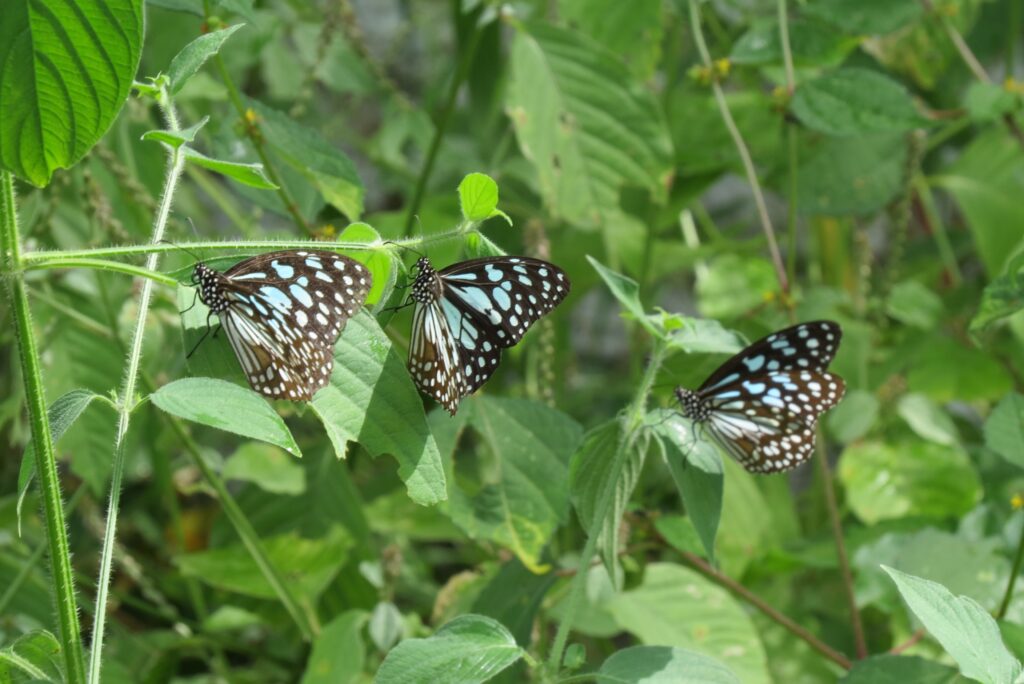
Birdlife is equally vibrant, with peafowl, junglefowl, birds of prey, and several species unique to the Eastern Ghats. Reptiles and amphibians, including cobras, rat snakes, monitor lizards, and freshwater amphibians, also thrive here, making the sanctuary a well-rounded ecosystem for wildlife enthusiasts and researchers.
Threats and Conservation Challenges
Despite being a protected area, the sanctuary faces several ongoing challenges. Poaching and illegal hunting remain serious threats to large mammals like tigers and leopards. Habitat loss due to encroachment and agricultural expansion also puts pressure on wildlife.
Seasonal forest fires can damage vegetation and disrupt ecosystems, while human-wildlife conflict sometimes arises when animals stray into nearby farmlands.
To tackle these issues, the Andhra Pradesh Forest Department has implemented measures such as anti-poaching patrols, habitat restoration projects, and awareness campaigns aimed at local communities.
Tourism and Eco-Activities
For travelers who enjoy offbeat destinations, Gundla Brahmeswaram offers a quiet and immersive experience. Unlike more commercial wildlife parks, this sanctuary remains relatively uncrowded, allowing visitors to truly connect with nature.
Popular activities include:
- Birdwatching in forest clearings and near water sources
- Trekking through scenic hills and valleys
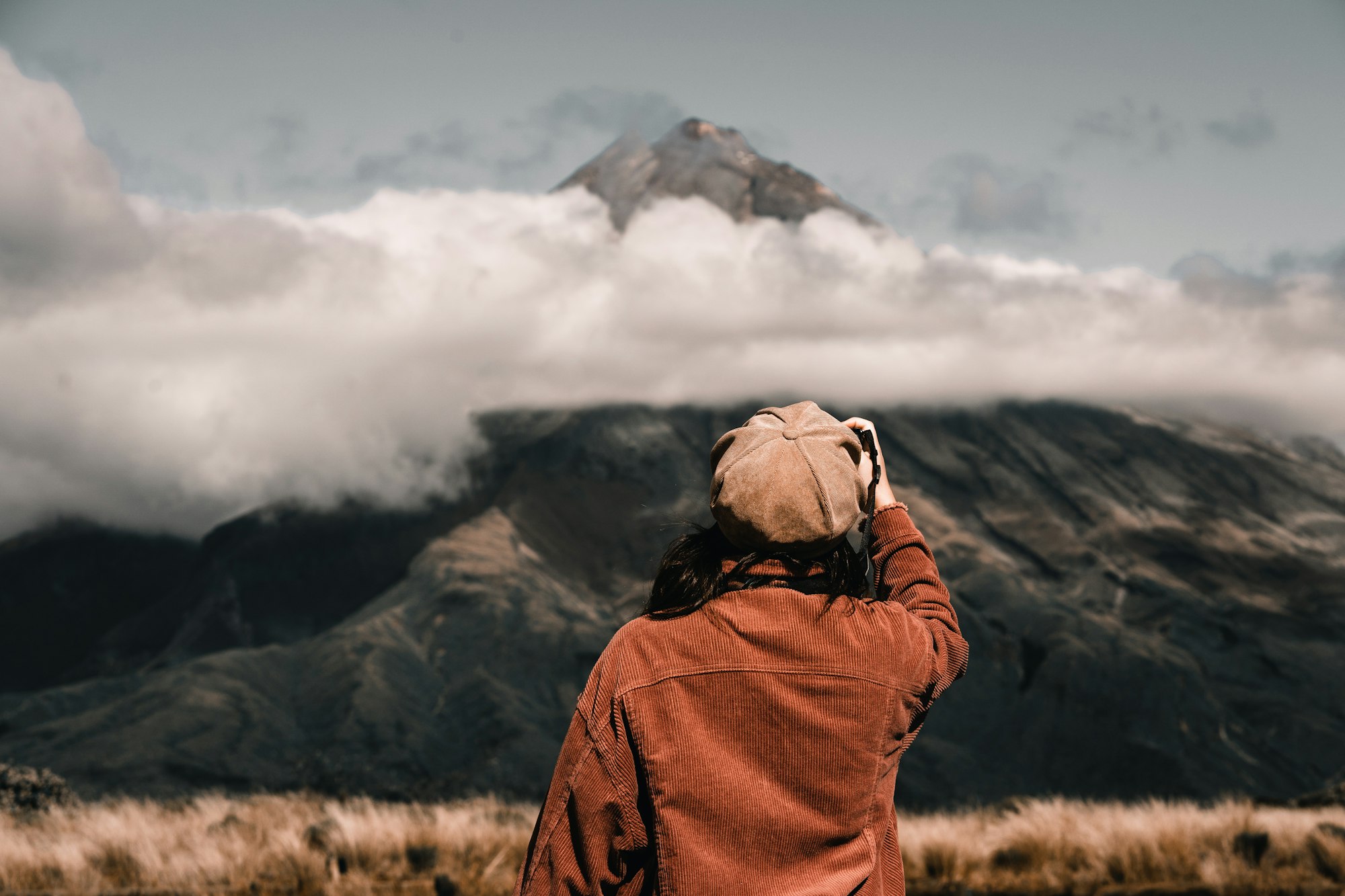
- Wildlife photography in natural habitats
It’s an ideal spot for eco-tourism, where the focus is not just on sightseeing but also on understanding and respecting the environment.
How to Reach
By Air:
The nearest airport is Vijayawada Airport, about 170 km away.
By Train:
The closest railway station is Markapur Road Railway Station, which connects to major cities in the state.
By Road:
The sanctuary is accessible via well-maintained roads from towns like Markapur, Giddalur, and Ongole. From these towns, local roads lead to various entry points of the forest.
Top Nearby Attractions
- Belum Caves
- One of India’s longest cave systems, famous for its underground chambers, stalactites, and meditation hall.
- Ideal for geology enthusiasts and photographers.
- Nallamala Forest
- A vast forest landscape surrounding the sanctuary, known for scenic drives, wildlife, and trekking opportunities.
- The sanctuary itself forms part of the larger Nallamala ecosystem.
- Akkamahadevi caves
- Located near Srisailam and accessible by boat.
- Known for dramatic limestone formations and spiritual significance.
- Nallamala Jungle Camp Bairluty
- A good base for experiencing the wilderness through camping, birdwatching, and nature walks.
- Lankamalla Reserved Forest.
- Important conservation area within the Nallamala region.
- Excellent for wildlife enthusiasts interested in endemic species and forest landscapes.
- Hidden water falls
- A lesser-known waterfall surrounded by forested terrain.
- Best visited after the monsoon season.
Google Maps
FAQs
1. Where is Gundla Brahmeswaram Wildlife Sanctuary located?
It is located in the Prakasam district of Andhra Pradesh, within the Nallamala Hills of the Eastern Ghats.
2. What is the sanctuary known for?
It is known for its rich biodiversity, especially species like the Bengal tiger, leopard, and sloth bear.
3. What is the best time to visit?
The best time to visit is from October to March, when the weather is pleasant and wildlife sightings are more likely.
4. Are safaris available in the sanctuary?
The sanctuary is less commercialized than major national parks, so organized safaris may be limited. It’s best to check locally before planning.
5. What activities can visitors do here?
Visitors can enjoy trekking, birdwatching, wildlife photography, and nature exploration.
6. Is the sanctuary suitable for family trips?
Yes, but it is more suited for nature lovers and those comfortable with remote, less-developed travel experiences.