Image Source: Sumanthk
About Nagarjunsagar-Srisailam Tiger Reserve
Nagarjunsagar-Srisailam Tiger Reserve (NSTR) is the largest tiger reserve in India, recognized under IUCN category IV (habitat/species management area). It is a vital protected area listed under both Andhra Pradesh and Telangana, specifically designated as a tiger reserve in each state. Established in 1983, the reserve spans a massive area of 3,728 km² (1,439 sq mi), with a core area of 1,200 km² (460 sq mi). Its geographical coordinates are 16°18′N 78°59′E, and it encompasses regions across Nandyal, Palnadu, and Prakasam districts in Andhra Pradesh and Mahbubnagar and Nalgonda districts in Telangana.
Geography and Terrain
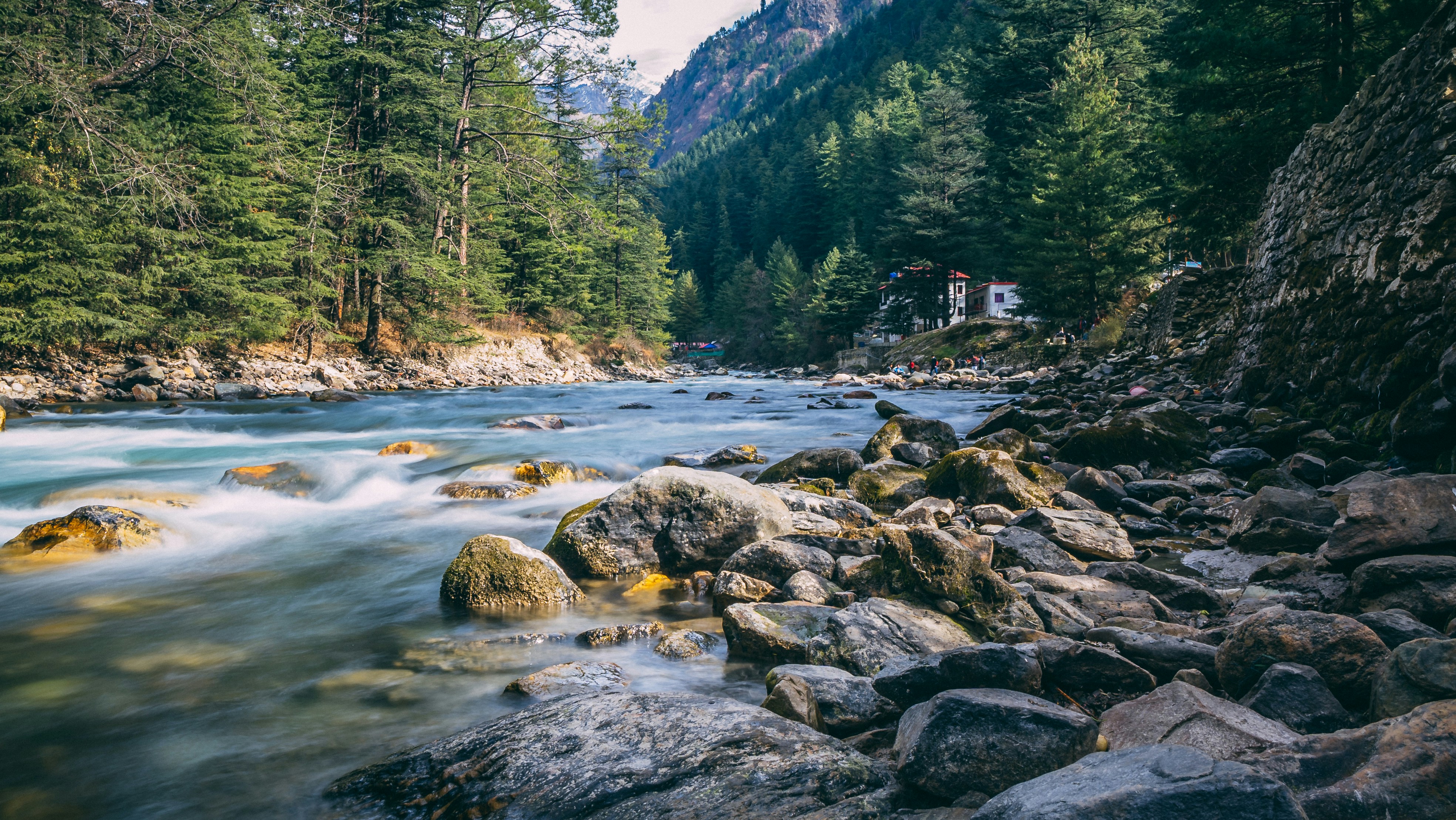
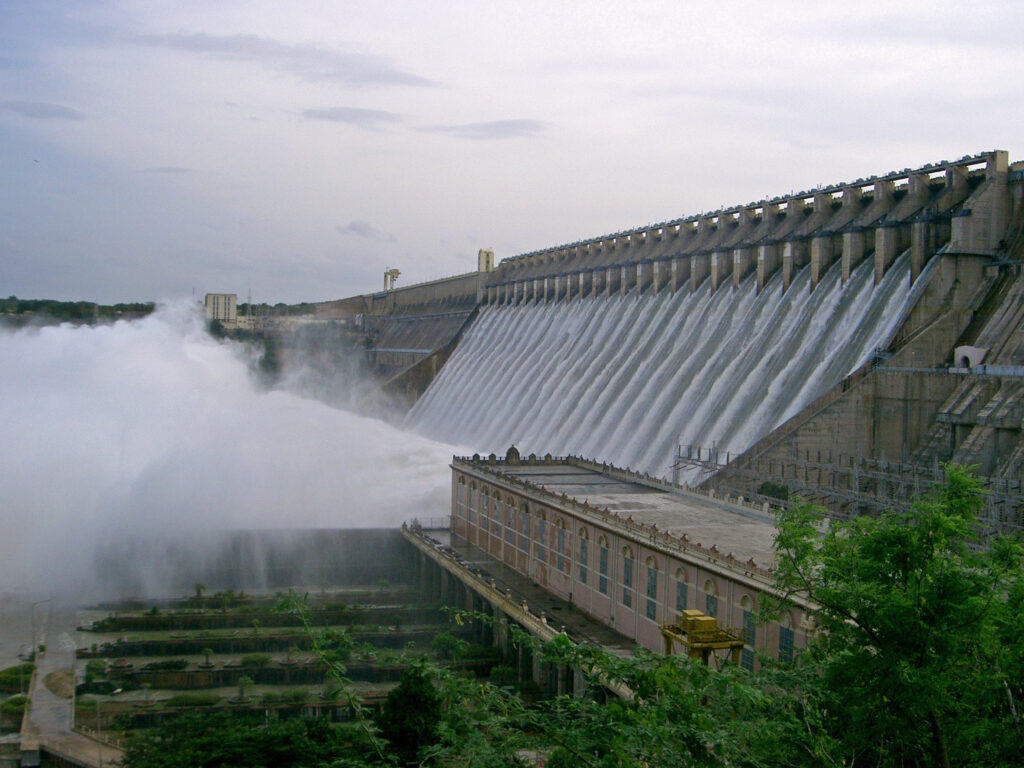
The tiger reserve stretches across five districts in Andhra Pradesh and Telangana, forming part of the Eastern Ghats. Longitudes range from 78°30′ to 79°28′ E, and latitudes from 15°53′ to 16°43′ N. The terrain is marked by undulating hills and several plateaus, including Amrabad, Srisailam, Peddacheruvu, Sivapuram, and Nekkanti, with elevations varying between 100 and 917 meters (328 to 3,009 ft). The Krishna River flows through the reserve, carving a basin nearly 200 meters deep over a 130 km stretch, and several waterfalls, such as Ethipothala Falls, Pedda Dukudu, Gundam, and Chaleswaram, dot the landscape. The region receives rainfall primarily from the southwest monsoon, averaging about 1,000 mm (39 in) annually.
Ancient History and Cultural Significance
The area is steeped in history and religious importance. Srisailam hosts ancient temples dedicated to Lord Mallikarjuna and Goddess Bhramaramba, recognized as one of the twelve sacred Shaiva Jyotirlingas and among the eighteen Maha Shakthi Peethas of India.
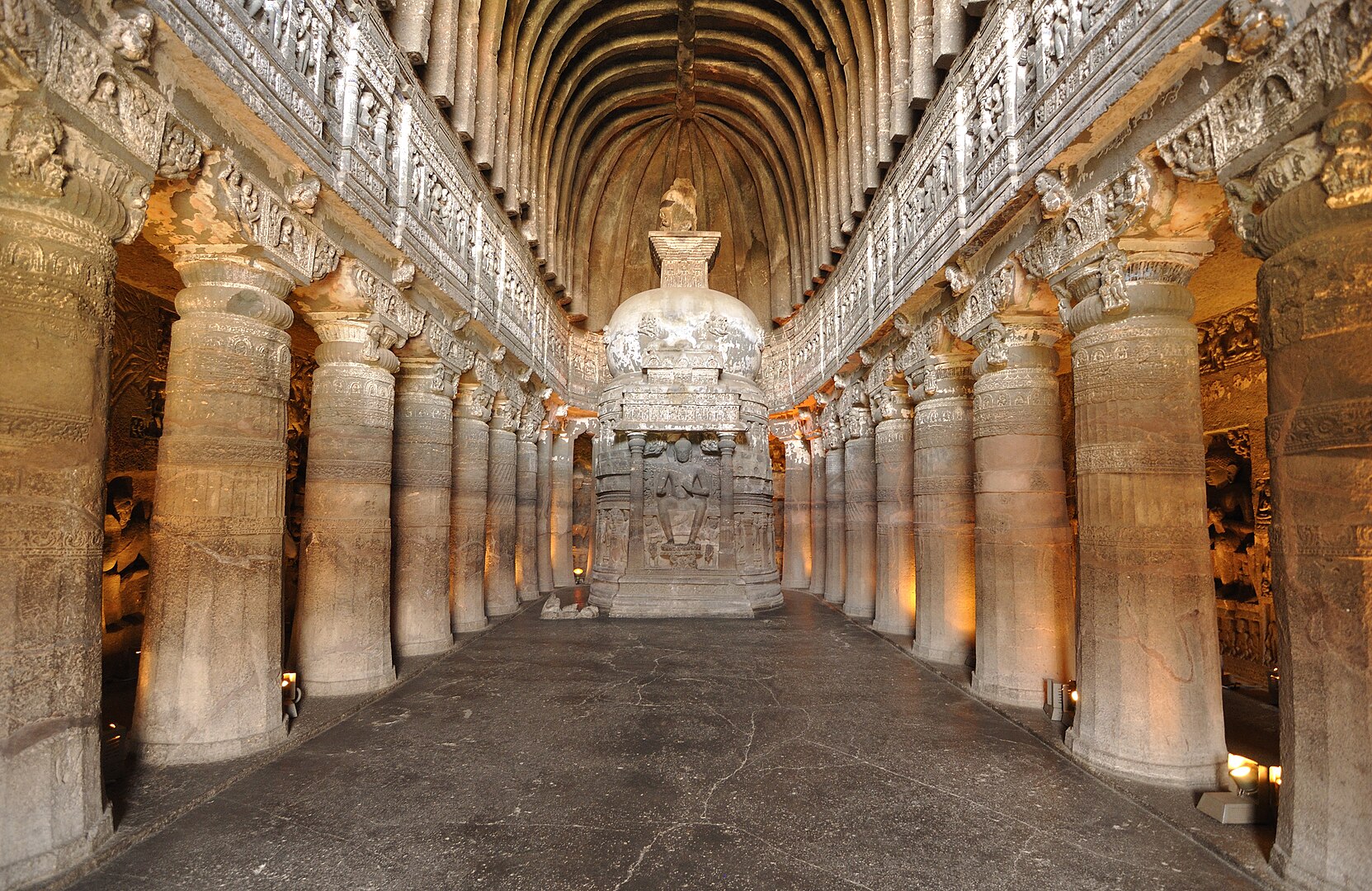
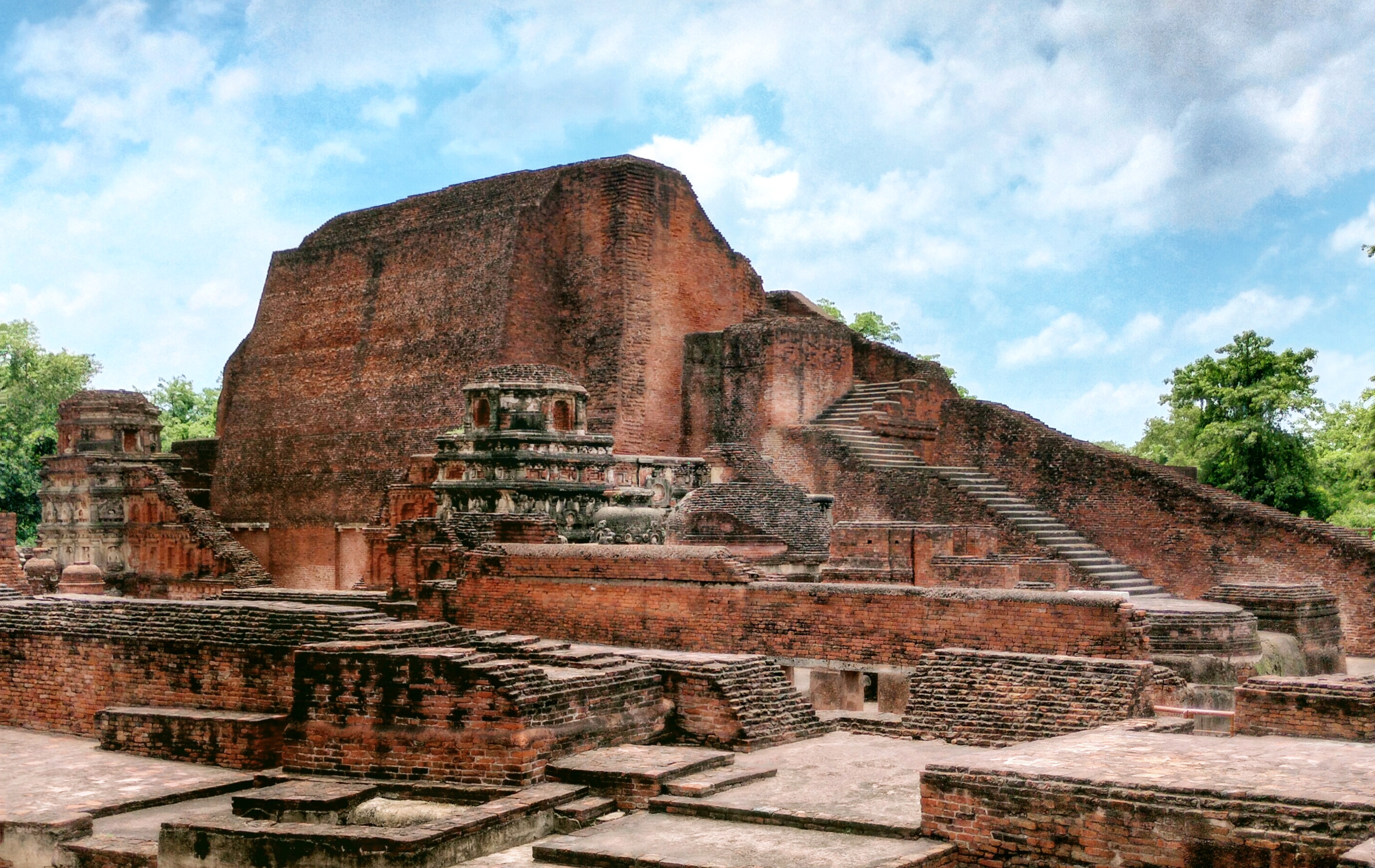
Ruins of Nagarjuna Viswa Vidyalayam indicate the area was once a hub for Buddhist universities and monasteries. Historical forts, including a 3rd-century BCE fort built by Ikshwaku Chandragupta and the fort of King Pratap Rudra of the Kakatiya dynasty, overlook valleys along the Krishna River. An ancient 169 km-long wall constructed by the Kakatiyas is also present. The reserve is dotted with cave temples and rock shelters like Akka Mahadevi Bhilam, Dattatreya Bhilam, Umaa Maheswaram, Kadalivanam, and Palankasari, adding both historical and spiritual value.
Flora (Plant Life)
The reserve’s forests are primarily southern tropical dry mixed deciduous forests, Hardwickia forests, and Deccan thorn scrub forests, with patches of Euphorbia scrub. Key plant species include Anogeissus latifolia (axlewood), Cleisthanthus collinus (odcha), Terminalia species, Pterocarpus marsupium, Hardwickia binata (anjan tree), Boswellia serrata (Indian frankincense), Tectona grandis (teak), Mundulea sericea, and Albizia species. These forests provide essential habitat and food resources for herbivores and predators across the reserve.
Fauna (Animal Life)
Mammals: NSTR supports a wide variety of species. Its flagship is the Bengal tiger, accompanied by Indian leopard, sloth bear, Ussuri dhole, Indian pangolin, chital, sambar deer, chevrotain, blackbuck, chinkara, and chowsingha. Other mammals include wild boar, mongoose, and porcupine.
Reptiles: Reptilian species include mugger crocodile, Indian python, Indian cobra, rat snake, Bengal monitor, and Indian star tortoise, along with endemic reptiles such as the Ashwamedh writhing skink, Sharma’s mabuya lizards, and the Nagarjun Sagar racer snake.
Birds: The reserve is home to the Indian peafowl and numerous other avian species associated with its diverse habitats.
Economic Valuation of Ecosystem Services
A study conducted between 2016 and 2019 assessed the economic value of the reserve’s ecosystem services. The results highlighted:
Regulating Services (carbon sequestration, water provisioning, soil conservation, climate regulation, gene pool protection) valued at Rs 16,041.15 crore per year.
Provisioning Services at Rs 766.99 million per year.
Cultural Services at Rs 17.40 million per year.
Supporting Services (biodiversity and habitat maintenance) at Rs 818.11 million per year.
This valuation underscores the critical ecological, economic, and cultural importance of the tiger reserve to the region and the nation.