
About Rollapadu Wildlife Sanctuary
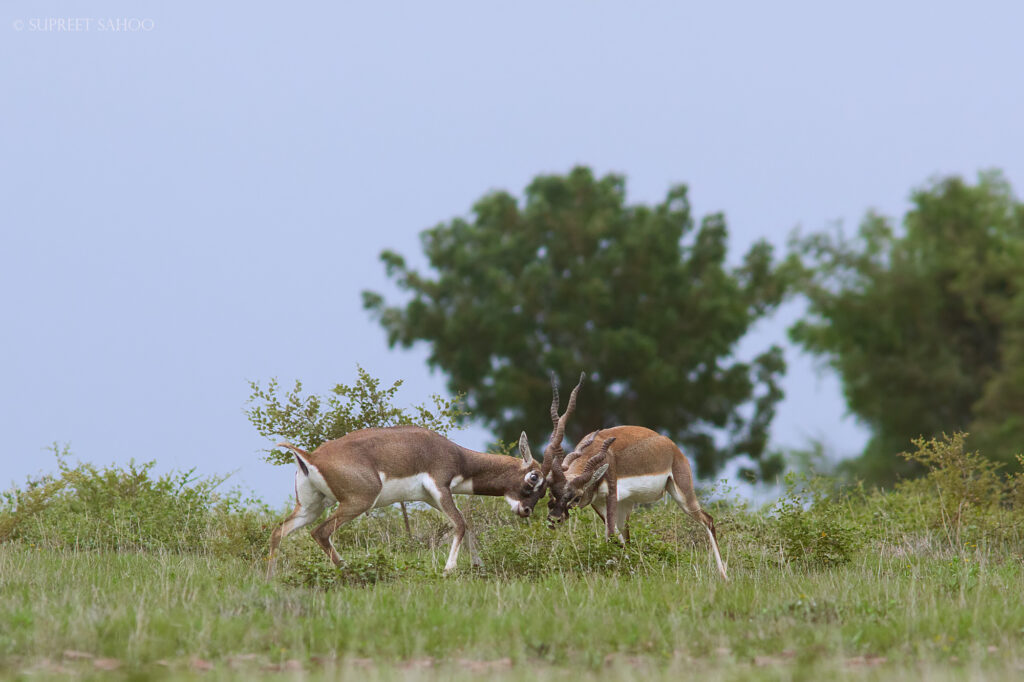
Image Source: Supreet Sahoo
About Rollapadu Wildlife Sanctuary
Rollapadu Wildlife Sanctuary is a protected area located in the Nandyal district of Andhra Pradesh, near the state’s border with Karnataka. It lies approximately 40 km from Nandyal, 172 km from Kadapa, and 152 km from Raichur, making it accessible for wildlife enthusiasts from surrounding regions. Established in 1988 and covering an area of 6.14 km² (2.37 sq mi), the sanctuary is classified under IUCN category IV (habitat/species management area). Its primary purpose is to protect the critically endangered great Indian bustard and the lesser florican, making Rollapadu the only habitat for the great Indian bustard in Andhra Pradesh.
Geography and Climate
Rollapadu features a predominantly undulating plain landscape, with an average elevation of 290 meters (950 ft). The sanctuary experiences hot and dry climatic conditions, with erratic rainfall averaging around 450 mm annually. Its semi-arid terrain supports a grassland ecosystem, which is vital for ground-nesting birds. Nearby, the Alganur reservoir provides additional habitat for waterfowl and migratory birds, complementing the sanctuary’s ecological diversity.
Flora (Plant Life)
The sanctuary is characterized by a dry grassland ecosystem with scattered thorny bushes and mixed forests. Important plant communities include Ziziphus mauritiana, Cassia fistula, Acacia species, and Butea monosperma, which provide nesting sites and forage for birds and small mammals. Surrounding the sanctuary, agricultural lands cultivate crops such as cotton, tobacco, and sunflower, forming a unique interface between human activity and natural habitat.
Fauna (Animal Life)
Mammals: Rollapadu is home to species such as foxes, jackals, bonnet macaques, jungle cats, sloth bears, and blackbucks. The sanctuary currently supports nearly 800 blackbucks, a figure that influences the local ecosystem.
Reptiles: Snakes such as the Russell’s viper and Indian cobra have been reported in the sanctuary.
Birds: The sanctuary hosts 132 bird species, including the critically endangered great Indian bustard and historically, the lesser florican. Other notable birds include Indian rollers, various myna species, short-toed snake eagles, and Indian coursers, particularly during the monsoon season. The nearby Alganur reservoir attracts migratory waterfowl such as bar-headed geese, demoiselle cranes, and greater flamingos during winter. However, sightings of species like the lesser florican and greater short-toed larks have become rare in recent years.
Threats to the Sanctuary
Rollapadu faces several conservation challenges. The bustard population has declined drastically, partly due to the overpopulation of blackbucks, which compete for food resources and nesting grounds. Human-wildlife conflict arises when blackbucks venture into neighboring farmlands, creating tension with local communities. Cattle grazing within the sanctuary disrupts the breeding habitats of ground-nesting birds. Ecosystem changes, including the linking of Alganur tank with the Telugu Ganga Canal, have raised groundwater levels, altering flora and surrounding agricultural patterns. Additionally, incidents of biomagnification have been observed, with birds of prey like harriers found dead, likely due to pesticide accumulation in the food chain.
Significance
Rollapadu Wildlife Sanctuary is a critical grassland ecosystem in Andhra Pradesh, serving as a last refuge for the great Indian bustard and supporting a unique assemblage of grassland birds and mammals. Its preservation highlights the importance of grassland management, species conservation, and ecological balance in semi-arid regions. The sanctuary is a vital site for eco-tourism, research, and awareness about grassland biodiversity in India.